Amble One and Amble Two: Pioneering a New Era of Premium Micromobility with a Dual-Platform Strategy

The innovative automotive startup Amble is charting a distinctive course in the burgeoning micromobility sector, not by directly challenging established urban transit solutions, but by first carving out a niche in the premium leisure market before expanding into the broader consumer landscape. With its initial offering, the Amble One, already generating significant interest, the company is also strategically developing a second, more conventional-car-like platform, dubbed the Amble Two, slated for a 2029 release, which aims to redefine the role of the family’s second vehicle. This dual-platform approach underscores a calculated strategy to disrupt the automotive market by offering purpose-built, accessible, and enjoyable electric vehicles that sidestep direct competition with mainstream primary cars.
The Amble One: A Genesis in Configurable Luxury Micromobility
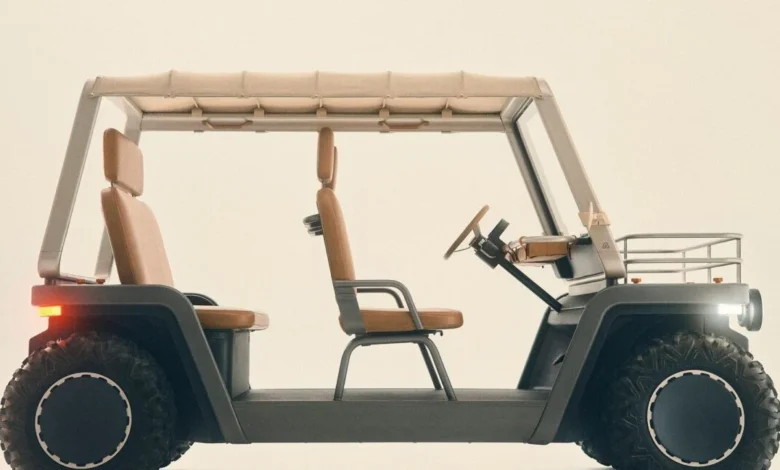
The Amble One stands as a testament to thoughtful design and functional flexibility. From its inception, the vehicle is envisioned as highly configurable, offering users a bespoke experience tailored to their immediate needs. Key features include rear seats that fold flat, maximizing cargo space for various applications, from leisure activities to utility transport within a confined property. A notable upcoming enhancement is a canvas weatherproofing option, providing essential protection against the elements while maintaining the open-air feel characteristic of a leisure vehicle. For urban buyers, a lockable front box is set to replace the standard basket, addressing security concerns and practical storage requirements in metropolitan environments. The design ethos of the Amble One intentionally eschews hard doors, embracing an open, airy aesthetic that aligns with its initial target market of luxury resorts and recreational properties. This choice reinforces its identity as a vehicle for enjoyment and convenience over traditional commuter practicality.
According to Amble’s executives, this initial focus on a premium, resort-oriented model is a deliberate strategic choice. The company has already secured 12 signed clients, committing to over 500 vehicles and generating more than 10 million euros in signed revenue, as reported by Roose. Prestigious properties globally, including Amangiri in Utah, the exclusive Mustique Island, Six Senses Les Bordes in the Loire Valley, and Uva’s own Na Praia in Comporta, have placed substantial orders. These luxury destinations represent an ideal proving ground for the Amble One, where its unique blend of open design, electric propulsion, and ease of use perfectly complements the guest experience for short-distance travel within expansive properties. The first hospitality deliveries of the Amble One are scheduled to commence in mid-2027, laying the groundwork for broader consumer accessibility. Following this, consumer preorders for Europe and the United States are now open, with deliveries anticipated in 2028, starting from an accessible price point of $25,000. This tiered rollout strategy allows Amble to refine its product and brand image in a controlled, high-value environment before scaling up for mass market penetration.
The Amble Two: Targeting the "Second Car" Paradigm Shift
While the Amble One establishes the brand’s identity, the "Amble Two" represents Amble’s larger, more ambitious bet on the future of personal transportation. This second platform, already in the design phase and targeting a 2029 release, is engineered to move significantly closer to conventional-car territory. It is poised to feature removable doors, a lower roofline, and a hardtop, addressing practical considerations for broader consumer appeal. Crucially, the Amble Two is not designed to compete with a family’s primary vehicle, but rather to replace its often underutilized and oversized second car.
This strategy is underpinned by a profound insight into modern household vehicle ownership. As Roose articulates, "Most families do not need twice that $50,000 BYD or Tesla." He argues that the second vehicle for many families could be a purpose-built solution, optimized for shorter trips, offering simplicity, enhanced enjoyment, and greater affordability. This perspective challenges the conventional wisdom that every vehicle in a household must be a multi-purpose, long-range machine, often leading to overspending and underutilization for daily errands or short commutes. The Amble Two envisions a future where the secondary vehicle is a smart, sustainable, and fun choice, specifically designed for its common usage patterns.
Strategic Positioning and Market Context
Amble’s approach to market entry is distinctly different from many micromobility startups. Hoenig, another key figure, notes, "A lot of companies in micromobility start in the urban market and want to compete with everyone, and we all know that this did not work out so far." This observation highlights the fierce competition and often unsustainable business models prevalent in the urban micromobility sector, characterized by scooter and bike-sharing services. Instead, Amble is adopting a "premium first" strategy: "We’re taking a different approach: build our brand as a premium brand, and then step by step go more into this urban market." This allows the company to establish a strong brand identity, command higher initial margins, and build a loyal customer base before venturing into more competitive, price-sensitive urban segments.
The broader micromobility market is experiencing rapid growth, driven by increasing urbanization, environmental concerns, and a desire for more flexible transportation options. Projections indicate that the global micromobility market could exceed $200 billion by the end of the decade, with electric micro-vehicles playing a significant role. Traditional car brands are also recognizing this shift. The 28-mph Citroen Ami, with its 46-mile range, serves as a prime example of a supermini electric car attempting to crack this market. Stellantis, Citroen’s parent company, recently announced plans to significantly expand production capacity for its supermini electric cars, signaling confidence in this segment’s potential. Roose believes this signifies "the beginning of a turning point," suggesting a fundamental shift in how consumers perceive and utilize personal transportation. Other entrants, such as the Renault Twizy or various low-speed electric vehicles (LSEVs) emerging from Asia, further underscore the increasing diversity and innovation in this segment. However, Amble’s focus on a "lunar-inspired" aesthetic and a premium brand experience sets it apart from these more utilitarian offerings.
The Broader Implications: Redefining Automotive Ownership
The advent of vehicles like the Amble One and Amble Two holds significant implications for personal mobility, urban planning, and environmental sustainability. For many families, the second car often represents a significant financial burden, both in terms of purchase price and ongoing operational costs (fuel, insurance, maintenance). Replacing an internal combustion engine (ICE) second car with a purpose-built electric micro-vehicle like the Amble Two offers substantial economic advantages. The initial $25,000 price point for the Amble One is significantly lower than the average cost of a new conventional car, which hovers around $48,000 in the U.S. and similar figures in Europe. Over its lifespan, an electric micro-vehicle would also incur lower fuel costs, reduced maintenance, and potentially benefit from various government incentives for EV adoption.
Beyond economics, the environmental benefits are profound. With transportation being a major contributor to global carbon emissions, transitioning from ICE vehicles to electric alternatives, even for short trips, can significantly reduce a household’s carbon footprint. A typical gasoline car emits approximately 4.6 metric tons of carbon dioxide per year. Replacing just one of a family’s two ICE vehicles with an EV, especially one designed for shorter, more frequent trips, could lead to a measurable reduction in local air pollution and greenhouse gas emissions. This aligns with broader societal goals for sustainable urban development and climate action.
From an urban planning perspective, the widespread adoption of micro-EVs could alleviate traffic congestion and parking challenges in densely populated areas. Smaller footprints mean more efficient use of road space and parking infrastructure. Furthermore, the quieter operation of electric vehicles contributes to reduced noise pollution, enhancing the quality of urban living. The "more fun, more open" design philosophy of vehicles like the Amble Two also hints at a shift towards transportation as an experience, rather than merely a utility, potentially fostering greater acceptance and enthusiasm for sustainable mobility solutions.
Market Dynamics and Future Challenges
Despite the promising outlook, Amble, like any innovative venture, faces several challenges. Regulatory hurdles for micro-EVs vary significantly across different regions. In Europe, vehicles like the Amble One and Two would likely fall under the L7e category (heavy quadricycles), which has specific requirements for speed, weight, and safety features. In the United States, regulations can differ by state, and a patchwork of rules regarding low-speed vehicles (LSVs) can complicate market entry and expansion. Navigating these diverse regulatory landscapes will be crucial for Amble’s global ambitions.
Scaling production from initial hospitality deliveries to mass consumer markets also requires significant capital investment and robust supply chain management. The electric vehicle industry is highly capital-intensive, and securing successive rounds of funding will be essential for Amble to meet its ambitious timelines for the Amble Two. Competition from established automakers, who are increasingly developing their own micro-EV solutions, also poses a long-term challenge. While Amble aims to differentiate through its premium branding and unique design philosophy, larger players possess the resources and manufacturing capabilities to quickly scale up and potentially undercut new entrants on price.
Consumer acceptance, though bolstered by growing environmental awareness and the rising cost of conventional car ownership, remains another variable. Shifting ingrained habits and perceptions about what constitutes a "car" or a "second car" will require effective marketing and a compelling user experience. The reliability and longevity of battery technology, the availability of charging infrastructure, and after-sales service networks will all play critical roles in building trust and driving widespread adoption.
Conclusion: A Turning Point for Personal Mobility?
The Amble One and its planned successor, the Amble Two, represent a bold vision for the future of personal mobility. By targeting the underserved "second car" market with purpose-built, premium, yet affordable electric micro-vehicles, Amble is attempting to initiate a significant paradigm shift. The company’s strategic approach of building a luxury brand first, leveraging the hospitality sector as a launchpad, allows it to cultivate a distinctive identity before expanding into broader consumer markets. This calculated differentiation, combined with a clear understanding of evolving consumer needs and environmental imperatives, positions Amble as a potential disruptor in the automotive industry.
If successful, Amble could indeed mark a "turning point," ushering in an era where families rethink their vehicle fleets, opting for smarter, more sustainable, and more enjoyable transportation solutions tailored to specific needs. The journey from a "lunar-inspired" buggy to a mainstream second car replacement is ambitious, but with a compelling product roadmap and a strategic market entry, Amble might just be the catalyst that gets us all to ditch our oversized, underutilized ICE second cars and fully embrace the promise of micromobility.