Crisis at the Lincoln Memorial Technical Failures and Political Controversy Surround the Reflecting Pools Algal Bloom

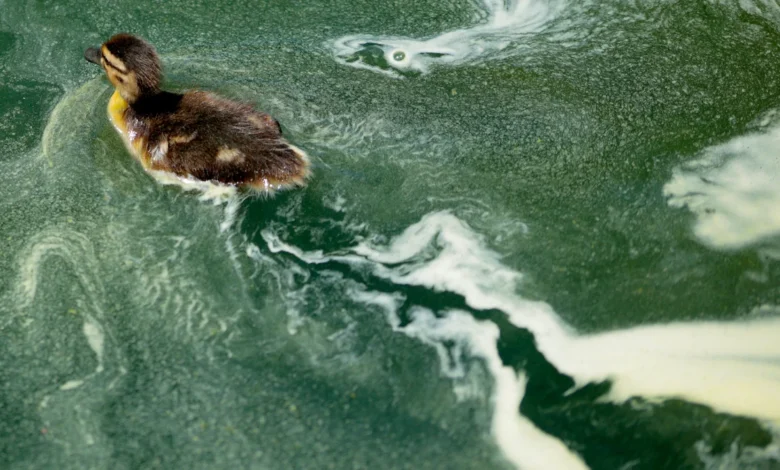
The Lincoln Memorial Reflecting Pool, a centerpiece of American iconography and a focal point for the nation’s upcoming 250th anniversary celebrations, has become the center of a mounting technical and political crisis. As of June 2026, what was promised to be a pristine, "American flag blue" expanse of water has instead transformed into a stagnant, neon-green basin choked with algae. The situation is further complicated by visible structural failures, as large sections of the pool’s newly installed lining have begun to peel and float to the surface. While the Trump administration has pointed to alleged vandalism as the cause, engineering experts and maintenance specialists suggest that the issues are likely rooted in systemic technical failures, improper installation, and the complex chemistry of large-scale water management.
A Failed Vision for the Semiquincentennial
The current state of the Reflecting Pool stands in stark contrast to the ambitious goals set forth by the National Park Service (NPS) and the White House during the renovation project initiated in late 2024. As the United States prepares for its 250th birthday on July 4, 2026, the administration emphasized a renovation that would ensure the monument looked its absolute best for global audiences. The project included a complete resurfacing of the pool’s interior, intended to provide a deep blue hue that would enhance the reflection of the Washington Monument.
However, as temperatures rose in early June 2026, the water quality rapidly deteriorated. Massive algal blooms have turned the 6.5-million-gallon pool into a thick, opaque green soup. NPS workers have been seen in waders using brooms and manual skimmers to push algae toward drainage points—a labor-intensive process that appears to be having little effect on the underlying biological growth.
The Technical Breakdown: Peeling Liners and Chemical Imbalances
To understand the scope of the failure, industry experts like Steve Goodale, known to his nearly 91,000 YouTube subscribers as "Swimming Pool Steve," have been called upon to analyze the visual evidence. Goodale, an award-winning pool specialist with decades of experience, notes that the problems facing the Lincoln Memorial Reflecting Pool are likely multifaceted, involving a combination of structural engineering and water chemistry.
The most alarming development is the delamination of the pool’s interior surface. Witnesses and photographers have captured images of large, gray-white chunks of the lining floating in the water. In technical terms, this suggests a failure of the bond between the substrate—the concrete base of the pool—and the membrane system applied during the renovation.
According to Goodale, the installation of a membrane system on a structure of this magnitude requires near-perfect conditions. Factors such as ambient humidity, the moisture content of the concrete at the time of application, and the chemical compatibility of the bonding agents are all critical. If the material was applied during a period of high humidity or if the concrete was not sufficiently cured or cleaned, the bond would be compromised. Furthermore, some analysts suggest that the high concentrations of hydrogen peroxide used to combat the initial algae growth may have exacerbated the peeling, though the lining should, in theory, be chemically resistant.
A Chronology of the Crisis
The timeline of the Reflecting Pool’s current predicament reflects a rapid decline from a high-profile success to a public relations and maintenance nightmare:
- October 2024: The National Park Service announces a comprehensive renovation of the Reflecting Pool to prepare for the 250th anniversary of the United States.
- March 2026: Renovation is completed. Officials tout the new lining as a state-of-the-art solution that will maintain clarity and a specific "patriotic" blue color.
- May 2026: Early signs of algae appear following a period of unseasonably warm weather. The NPS begins using "nanobubbler" technology—an ozone injection system—to increase oxygen levels.
- June 10, 2026: The algal bloom reaches a critical mass, turning the pool completely green. The "nanobubblers" appear unable to keep pace with the nutrient levels in the water.
- June 14, 2026: Tourists begin reporting large pieces of the pool floor floating on the surface. NPS workers are deployed to manually remove algae and debris.
- June 18, 2026: The administration announces plans to drain the pool, citing the need for repairs while simultaneously alleging that the damage was caused by "vandals."
- June 20, 2026: U.S. Park Police establish a perimeter around the pool, with reports of individuals being detained or arrested for making contact with the water, which is now being treated as a potential biohazard.
The Role of Water Chemistry and Source Nutrients
One of the primary challenges in maintaining the Reflecting Pool is the source of its water. Historically, the pool has been filled with water pumped from the Tidal Basin. While this is cost-effective, the water from the basin is often rich in phosphates and nitrates—the primary nutrients that fuel algae growth.

When nutrient levels are high, even sophisticated filtration systems can be overwhelmed. The Department of the Interior has remained vague about whether the pool is currently utilizing Tidal Basin water or municipal drinking water. Municipal water is generally lower in nutrients but significantly more expensive to use for a 6.5-million-gallon facility.
The "nanobubbler" technology currently in use is designed to inject ozone and oxygen into the water. This process serves two purposes: it can directly kill algae cells and, more importantly, it creates an oxygen-rich environment at the bottom of the pool that prevents the release of phosphorus from the sediment. However, if the phosphorus levels in the source water are already excessive, or if the sediment layer is too thick, the nanobubblers cannot prevent the bloom.
Political Fallout and Official Responses
The crisis has taken on a sharp political edge. President Donald Trump has publicly blamed the failure on vandalism, suggesting that the "250-foot gash" reported in some accounts was a deliberate act of sabotage intended to embarrass the administration ahead of the July 4th festivities. "We are going to drain it, fix it, and find out who did this," the President stated in a recent briefing, though no evidence of foul play has been released to the public.
In contrast, the U.S. Park Police have taken a highly cautious approach to public safety. Officers have been observed patrolling the perimeter and warning tourists to stay away from the water. The decision to arrest individuals for touching the water has sparked debate, with some officials citing health risks from the concentrated algae and others suggesting the measures are intended to prevent further scrutiny of the peeling liner.
Environmental and engineering critics argue that the "vandalism" narrative is a distraction from potential mismanagement of the renovation contract. They point to the "oh, crap" moment described by specialists when the interior surface of a multi-million-dollar project begins to disintegrate within months of completion.
Broader Impact and Implications for the 250th Anniversary
The financial implications of the crisis are significant. Draining, cleaning, and repairing a 6.5-million-gallon pool is an expensive and time-consuming endeavor. If the failure is systemic—meaning the entire lining was improperly installed—the cost to taxpayers could run into the millions, and the pool may not be ready for the July 4th celebrations.
Beyond the financial cost, there is a symbolic weight to the situation. The Lincoln Memorial Reflecting Pool is a site of national reflection and historic gatherings. For it to sit empty or filled with stagnant green sludge during a milestone anniversary is a blow to the image of national competence and prestige.
As the countdown to the Semiquincentennial continues, the pressure on the Department of the Interior and the National Park Service is immense. Engineers must now determine if a localized repair is possible or if the entire renovation must be scrapped and redone. In the meantime, the "American flag blue" remains an elusive dream, replaced by a green reminder of the complexities of maintaining the nation’s most visible monuments. The coming weeks will be a test of whether technical expertise can overcome a combination of environmental challenges and political posturing in the heart of the nation’s capital.
Related posts: