Elite U.S. Universities Under Scrutiny for Millions in Foreign Funding from Watchlisted Entities, Raising National Security Concerns


American universities have reportedly accepted millions of dollars from foreign sources appearing on federal watchlists, including entities with documented ties to the Chinese military, according to recently released government data. These revelations have ignited a renewed debate over academic freedom versus national security, prompting warnings from the State Department about potential restrictions on federal grant funding for institutions that maintain such relationships.
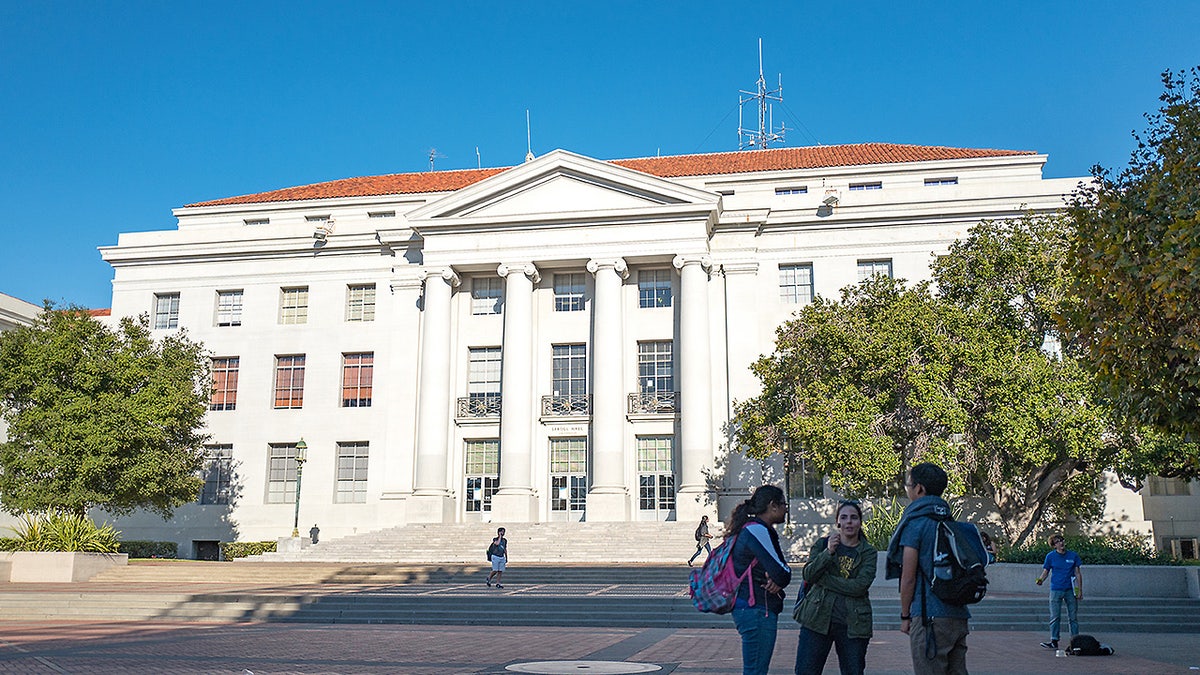
The disclosures, initially reported by CBS News and corroborated by government data, indicate that dozens of universities received a collective $27.6 million from foreign entities on at least one federal watchlist during the second half of 2025. This funding stream has drawn sharp criticism from federal officials, who emphasize the significant risks posed to national security and the intellectual property landscape of the United States. Among the prominent institutions identified in the reports are Northwestern University, the University of California, Irvine, the University of Connecticut, Bryant University, and the University of California, Berkeley.
An Education Department spokeswoman, speaking to Fox News Digital, underscored the gravity of the situation, stating, "American universities have received nearly $405 million from counterparties of concern – entities that pose a very real risk to our national security and that of our allies." The spokeswoman further elaborated on a shift in governmental transparency, noting, "While previous administrations often looked the other way or kept this data hidden, that policy changes now. Through our updated Section 117 Dashboard, the Trump Administration is bringing this cash out of the shadows so every student, family and taxpayer knows exactly who is signing the checks, while equipping the State Department to use that data to protect our nation." This statement highlights a deliberate effort by the Trump Administration to enhance scrutiny and transparency regarding foreign funding in higher education.
Unpacking the Federal Watchlists and Entities of Concern
The foreign entities implicated in these funding streams are not merely foreign organizations but have been specifically designated on various federal watchlists due to their activities or affiliations. These watchlists serve as critical tools for the U.S. government to identify and mitigate threats to national security, foreign policy, and economic interests.
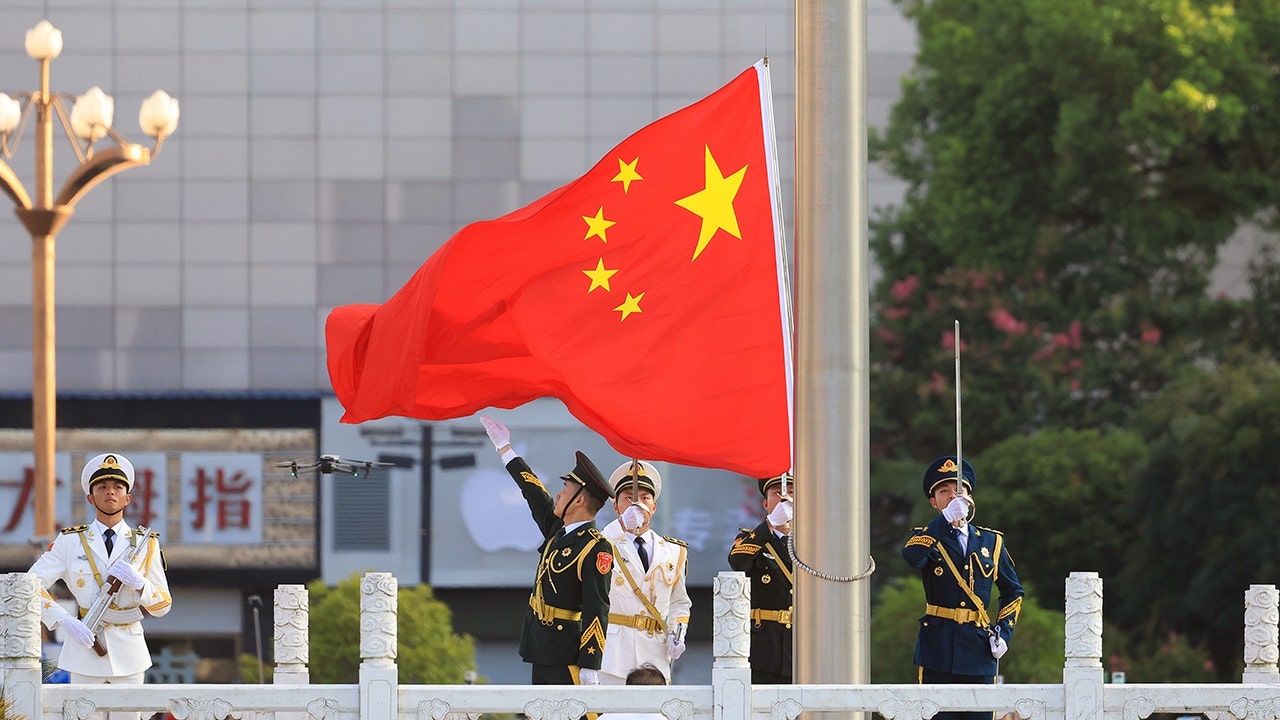
One of the primary entities highlighted in the reports is the Aero Engine Corporation of China (AECC). This state-owned aerospace manufacturer is a particularly sensitive case, as it is listed on the Treasury Department’s Foreign Assets Control List. This designation typically signifies involvement in activities that contravene U.S. foreign policy or national security interests, often linked to military or intelligence operations. Beyond the Treasury Department’s listing, AECC is also categorized as a "military end-user entity" by the Department of Commerce. This classification further solidifies its problematic status, indicating its direct involvement in developing advanced military technology. Specifically, AECC is known for designing and producing engines for fighter jets and attack helicopters utilized by China’s People’s Liberation Army (PLA). The fact that $7.8 million from AECC was distributed across Northwestern University, UC Irvine, and the University of Connecticut over several years raises profound questions about potential technology transfer risks and the inadvertent aiding of a strategic competitor’s military advancements.
Another significant entity is Sun Yat-sen University, which funneled a $7.6 million grant to UC Berkeley. Sun Yat-sen University hosts China’s National Supercomputing Center, a facility at the forefront of high-performance computing—a field where the United States and China are in direct technological competition. This institution is also featured on the Pentagon’s "1286 List," which identifies research institutions believed to be engaged in "problematic activities" that could compromise U.S. national security. These activities often include involvement in military-civil fusion strategies, intellectual property theft, or other endeavors deemed detrimental to U.S. interests.
Bryant University’s case involves a substantial $22.6 million contract with the Beijing Institute of Technology (BIT) for a "jointly operated academic program in China." The Beijing Institute of Technology is a prominent Chinese university with deep ties to the country’s defense industry and is known for its extensive research in areas critical to military modernization. BIT appears on two separate federal watchlists, underscoring its problematic nature in the eyes of U.S. authorities.
Chronology of Enhanced Scrutiny
The current revelations are not an isolated event but rather the culmination of a deliberate policy shift initiated by the U.S. government to address long-standing concerns about foreign influence in academia.
The foundation for these disclosures was laid by President Donald Trump, who, in April 2025 (as per the article’s stated timeline), issued an executive order aimed at compelling greater transparency from American universities regarding their foreign funding sources. Prior to this executive order, the reporting requirements under Section 117 of the Higher Education Act of 1965 were often criticized as insufficient. Universities were generally only required to report the country of origin for foreign funds, not the specific entities providing them, making it challenging for federal agencies to identify potential national security risks. The Trump administration’s directive explicitly sought to rectify this data gap, mandating universities to collect and submit more granular information about the specific sources of their foreign funding.
This enhanced data collection led directly to the findings released in the second half of 2025, revealing the extent of financial ties between American universities and watchlisted foreign entities. The subsequent action taken by the State Department, through Under Secretary of State for Public Diplomacy Sarah B. Rogers, materialized in a letter sent to the boards of these implicated institutions. This letter, issued last week, served as a stark warning: continued relationships with these watchlisted entities could lead to significant repercussions, specifically the restriction of access to federal grant funding. This escalation signals a firm commitment from the government to enforce these new transparency mandates and protect national security interests.
Statements and Institutional Responses
The implicated universities have begun to respond to the allegations, though with varying degrees of detail and acknowledgement.
UC Berkeley, a leading research institution in several technology-related areas where the U.S. and China are direct competitors, acknowledged the reports. A university spokesman told Fox News Digital, "We wish to state, unequivocally, that UC Berkeley complies with all of the statutes and regulations that apply to contracts and gifts from foreign sources." The spokesman also indicated that the university was "still in the process of analyzing and fact-checking the characterization of the government’s data and the referenced CBS reporting." Furthermore, UC Berkeley took issue with a specific detail in the CBS report, clarifying that while it is geographically located in Berkeley, it does not institutionally manage or oversee the Department of Energy’s primary high-performance computing facility at the Lawrence Berkeley National Laboratory, as erroneously claimed.
Bryant University provided a more detailed response concerning its ties to the Beijing Institute of Technology. A spokesman for the university explained that the payments reflected in the data were associated with "a now-terminated accounting program whose contract was originally established in 2014 with the independent Beijing Institute of Technology, Zhuhai and terminated ten years later in 2024." Critically, the spokesman emphasized, "The program was educational instruction only and never included research activities, federally funded research, defense-related work, technology transfer, or intellectual property development." The university stated that it initiated the termination of the relationship "After learning that Beijing Institute of Technology (BIT) had fully acquired the Zhuhai institution and following BIT’s addition to the Department of Defense’s 1286 list." Bryant University is currently in a "teach-out period for existing students in accordance with accreditation requirements, with completion on June 30, 2027," indicating a phased disengagement from the problematic entity.
Northwestern University, UC Berkeley (beyond the initial statement), UC Irvine, and the University of Connecticut did not provide immediate responses to requests for comment from Fox News Digital. The Department of Education also did not comment on Tuesday.

Broader Impact and Implications
The revelations underscore a growing concern within U.S. national security circles about the vulnerability of American academic institutions to foreign influence and potential exploitation. LJ Eads, the founder of Data Abyss and director of research intelligence at Parallax Advanced Research, articulated this sentiment, stating, "This has been a conversation going on for years now in research security circles. It’s been a huge policy fail in terms of implementing restrictions without follow-through over the years. I relate it to having kids and not parenting well. Or giving your teenager a cellphone and having no restrictions on cellphone use." Eads’ analogy highlights a perceived lack of consistent enforcement and oversight in previous years.
The implications of these findings are multifaceted and far-reaching:
- National Security: The most immediate concern is the potential for watchlisted entities, particularly those tied to foreign militaries like AECC, to gain access to sensitive research, intellectual property, or advanced technological know-how through academic collaborations. This could inadvertently bolster the military capabilities of strategic adversaries, undermining U.S. defense advantages. The lack of disclosure regarding "how the funding was used" further exacerbates these concerns, leaving critical gaps in understanding the true nature and intent of these collaborations.
- Academic Freedom vs. National Security: This situation forces a re-evaluation of the delicate balance between academic openness, international collaboration, and the imperative of national security. Universities traditionally thrive on the free exchange of ideas and global partnerships. However, when these partnerships involve entities identified as national security risks, the benefits of collaboration must be weighed against the potential for espionage, technology transfer, and undue influence.
- Funding and Compliance: The State Department’s warning about restricting federal grant funding represents a significant threat to universities heavily reliant on such funds for research and operations. This could compel institutions to conduct more rigorous due diligence on their foreign donors and partners, potentially leading to a decline in certain types of international collaborations. The complexity of identifying and vetting foreign entities, especially those operating under opaque state control, poses a substantial challenge for university compliance offices.
- Reputational Damage: For the universities named, there is a risk of reputational damage, potentially affecting their ability to attract top talent, secure future funding, and maintain public trust. This pressure may push institutions to proactively review and potentially sever problematic foreign ties.
- Geopolitical Landscape: The increased scrutiny of foreign funding in U.S. academia reflects the broader geopolitical tensions, particularly between the United States and China. As competition intensifies across technological, economic, and military domains, the U.S. government is increasingly focused on safeguarding its innovation ecosystem from foreign adversaries. This trend is likely to continue, leading to more stringent regulations and enforcement actions in the future.
- Transparency and Accountability: The establishment of the "Section 117 Dashboard" marks a significant step towards greater transparency. By making this data publicly accessible, the government aims to empower taxpayers and stakeholders to understand the financial relationships of universities, thereby fostering greater accountability within the higher education sector.
In conclusion, the revelations of millions in foreign funding from watchlisted entities to elite American universities signal a critical juncture in the ongoing effort to protect U.S. national security and intellectual property. The proactive stance of the Trump Administration, coupled with warnings from the State Department, indicates a sustained commitment to addressing these vulnerabilities. Universities now face the complex task of navigating these heightened expectations, balancing their traditional roles as centers of global knowledge exchange with the imperative to safeguard national interests in an increasingly competitive and scrutinized international environment.