Hasan Piker’s Remarks on Texas Senate Nominee James Talarico Spark Online Backlash and Political Scrutiny

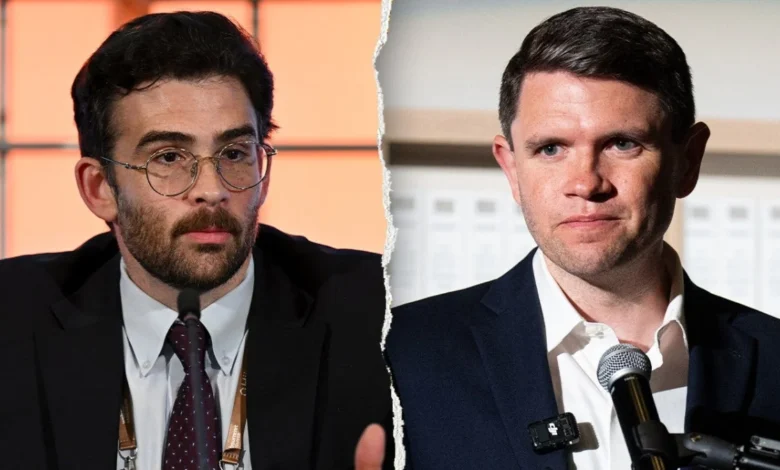
Controversy has erupted across social media and the broader political landscape following remarks made by prominent left-wing political commentator and Twitch streamer Hasan Piker regarding Texas Democratic U.S. Senate nominee James Talarico. Speaking during a campus event at the University of Texas at Austin, Piker publicly urged Talarico to "play ball" and govern as an unyielding progressive should he emerge victorious in the high-stakes November general election. The comments quickly drew intense condemnation from Republican opponents, reignited debates regarding internal ideological divisions within the Democratic Party, and placed Talarico’s carefully calibrated campaign platform under intense national scrutiny.
The unfolding controversy highlights the delicate balancing act faced by Democratic candidates running in historically conservative strongholds. As Talarico campaigns to become the first Democrat to secure a U.S. Senate seat in Texas in more than thirty years, his campaign has actively sought to project a pragmatic, broad-appeal image. However, unsolicited endorsements and strategic directives from high-profile, polarizing figures on the far-left spectrum—such as Piker—have provided conservative opponents with fertile ground to question the candidate’s core policy intentions.
Chronology of Events and the University of Texas Appearance
The controversy originated during an on-campus appearance by Hasan Piker at the University of Texas at Austin. Piker, who has built a massive digital audience through political commentary and has previously associated with socialist-aligned political figures such as Michigan Senate candidate Abdul El-Sayed, used the platform to address the trajectory of progressive politics in the American South.
During the event, Piker emphasized the importance of holding progressive candidates accountable after they achieve electoral victory. Addressing Talarico’s ongoing senatorial campaign against his Republican opponent, Texas Attorney General Ken Paxton, Piker explicitly stated that supporters would need to apply continuous political pressure to ensure the candidate did not fall into the patterns of conventional, moderate governance often criticized by the progressive base.
"Hopefully, after James Talarico wins, we’ve got to hold him to account," Piker told the audience. "We’ve got to make sure that he doesn’t become another ‘do nothing Democrat,’ ‘business as usual,’ and we’ve got to keep up that pressure."
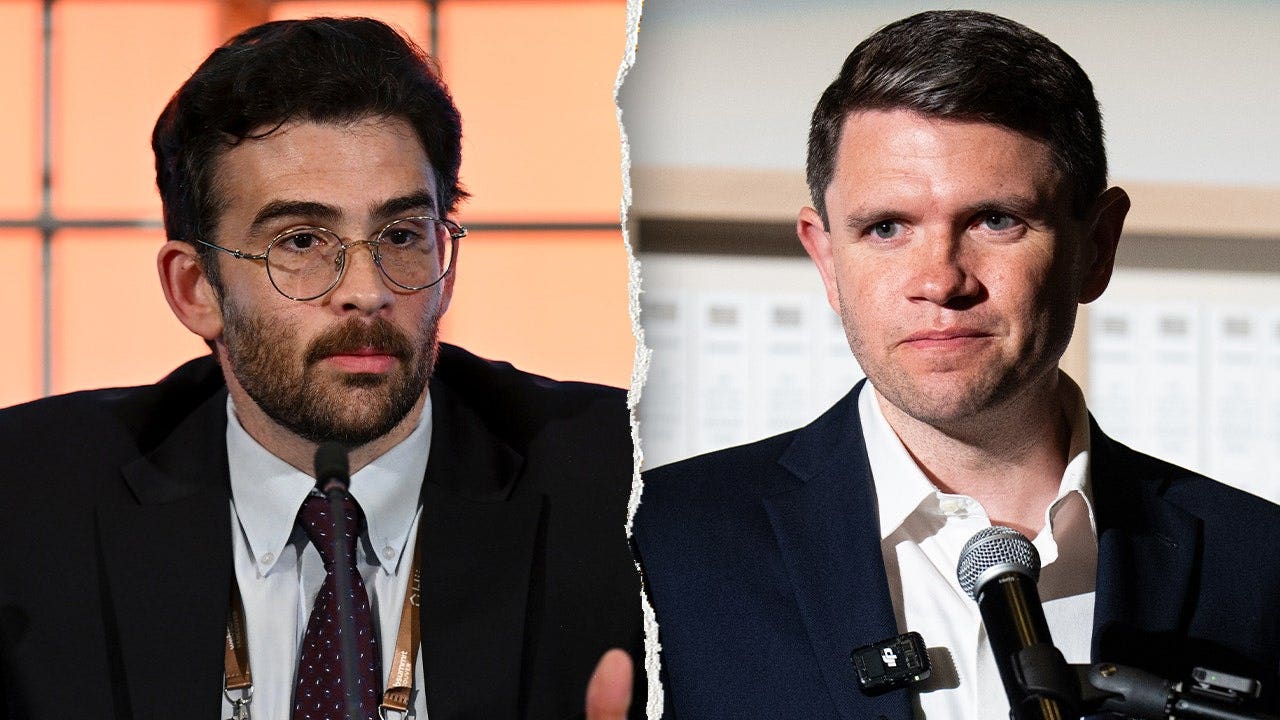
Within hours of the event, video clips of the remarks circulated widely across digital platforms, particularly on X (formerly Twitter), where political strategists, commentators, and elected officials dissected the implications of Piker’s statements.
Shifting Campaign Dynamics and Talarico’s Platform
James Talarico’s Senate campaign has been defined by a concerted effort to expand the Democratic coalition in Texas by appealing to moderate voters, independents, and disaffected Republicans, while maintaining core progressive values. Over the course of the primary and general election cycles, Talarico has recalibrated elements of his public rhetoric. Notably, he has walked back or clarified several past statements that drew heavy criticism from conservative adversaries—including a previous remark regarding theological concepts that opponents characterized as overly unconventional.
Despite these efforts to moderate his public presentation, Talarico has steadfastly maintained support for several cornerstone progressive policies, most notably universal healthcare. Rather than framing these proposals solely through a traditional partisan lens, Talarico has frequently defended his policy platform on moral and religious grounds, arguing that healthcare access and economic equity are rooted in biblical principles.
Political analysts note that this dual approach—combining traditional progressive policy goals with moderate rhetoric and cultural recalibration—is essential for any Democrat seeking statewide victory in Texas. However, the intervention of national figures like Piker complicates this strategy by injecting polarizing national ideological battles directly into the localized Lone Star State contest.
Sharp Rebuttals and Conservative Reactions
Republicans swiftly seized upon Piker’s remarks to portray Talarico as a captive of the far-left wing of the national Democratic Party. Prominent conservative figures and campaign officials argued that Piker’s comments revealed a hidden agenda, alleging that a Talarico victory would lead to sweeping progressive policies funded by increased taxation.

Texas Attorney General Ken Paxton, Talarico’s Republican opponent in the general election, took to social media to denounce the endorsement and frame the stakes for Texas voters. "James Talarico is bought and paid for by the Democratic Socialists," Paxton wrote. "And if he wins, they’ll cash in at YOUR expense: raising your taxes and making life more expensive to pay for their radical agenda. Texas can’t afford Talarico."
U.S. Senator Ted Cruz, R-Texas, echoed similar sentiments, posting a brief warning to voters regarding the ideological alignment of the broader progressive movement: "When they tell you who they are… believe them."
Additional conservative lawmakers, including freshman U.S. Representative Brandon Gill, R-Texas, characterized Talarico as a potential proxy for national leftist organizations. Meanwhile, conservative media personalities and commentators—such as Guy Benson and Dave Rubin—highlighted Piker’s past controversial statements on international affairs and domestic politics, attempting to tie his polarizing digital brand directly to Talarico’s electoral ambitions.
Internal Democratic Divisions and Grassroots Defense
The controversy has also reignited discussions regarding the relationship between mainstream Democratic candidates and the party’s more radical online or activist flanks. In recent months, establishment Democrats and progressive candidates—including Abdul El-Sayed in Michigan—have occasionally sought to distance themselves from Piker following historical controversies, such as past remarks concerning national security and foreign policy.
Conversely, supporters of Talarico’s campaign moved quickly to dismiss Piker’s remarks as irrelevant noise manufactured by opponents to distract from the candidate’s distinct local platform. Numerous grassroots organizers and digital commentators argued that Piker holds no formal affiliation with the Talarico campaign and does not speak for the candidate or his supporters.
"Hasan needs to shut the hell up," wrote political commentator Adam Cochran on X. "He has nothing to do with Talarico’s campaign. Talarico’s campaign is the success of Talarico’s morals, policies and his hard working team’s outreach to the people of Texas."
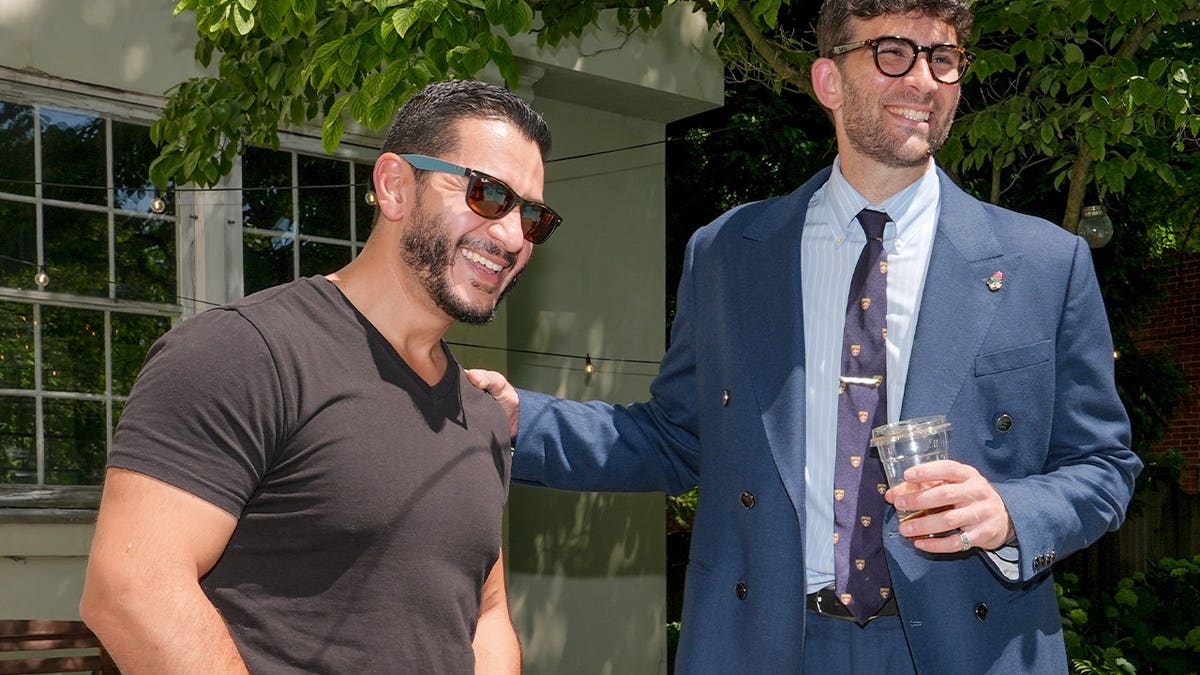
Another user emphasized the localized nature of the race, stating, "What is Hasan even talking about? Talarico isn’t DSA and doesn’t owe DSA anything. He will be a senator that represents Texans, not California Socialists like Hasan."
As of press time, representatives for James Talarico’s campaign have not issued an official response to requests for comment regarding Piker’s remarks.
Broader Implications for the Texas Midterm Elections
The clash over Hasan Piker’s commentary underscores the unique dynamics of the 2026 Texas U.S. Senate election, which remains one of the most closely watched and financially intensive legislative contests in the country. With control of the Senate hanging in the balance, both parties view Texas as a critical battleground where shifting demographic trends collide with deep-seated partisan traditions.
For the Republican camp, the incident provides a clear narrative framework: linking a competitive Democratic challenger to national polarizing figures in an effort to energize the conservative base and sway undecided suburban voters. For the Democratic campaign, the challenge lies in maintaining message discipline, focusing on pocketbook issues, healthcare, and state-specific governance, while preventing external political commentators from defining the parameters of the race.
As the general election approaches on November 3, analysts suggest that both campaigns will continue to spar over authenticity, ideological independence, and the true nature of representation in a rapidly evolving Texas political landscape.