Face the Nation 2026: The Intersection of Global Conflict, Economic Volatility, and the AI Arms Race

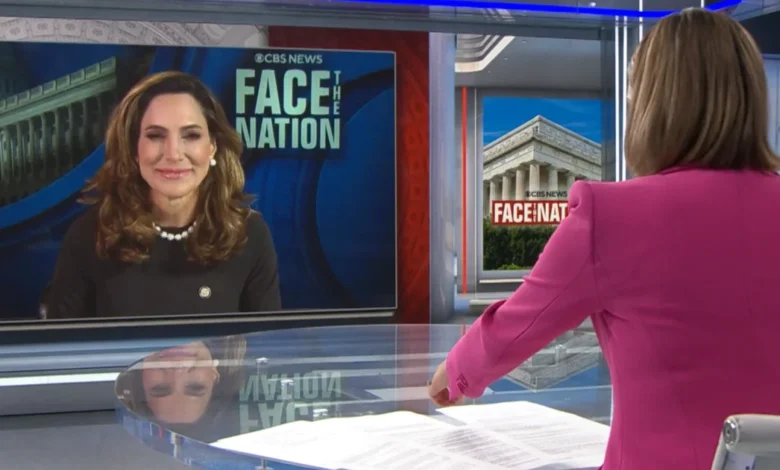
The United States stands at a precarious juncture as the 2026 midterm election cycle approaches, with domestic economic pressures colliding with an increasingly volatile international landscape. As the clock ticks down to the November 3 polls, the administration of President Donald Trump faces a confluence of crises, including high energy costs, a protracted conflict in Iran, and a high-stakes diplomatic summit with China. This week’s broadcast of Face the Nation, moderated by Margaret Brennan, examined these multifaceted challenges, ranging from the administration’s contentious relationship with the press to the strategic implications of the global artificial intelligence arms race.
The Economic Landscape: Energy Shocks and Inflationary Pressures
The American consumer is currently navigating a period of significant economic uncertainty, characterized by record-high diesel prices and persistent energy volatility. While administration officials point to low poverty rates and strong foreign demand for U.S. assets as indicators of structural health, the lived experience of the average citizen tells a different story. Diesel fuel, which acts as the primary logistical backbone for the domestic food supply chain—impacting everything from farm production to transportation—remains a major driver of inflation.
Gary Cohn, former director of the White House National Economic Council and current vice chairman at IBM, noted that while headline indicators like GDP and employment remain robust, the erosion of purchasing power due to wage growth lagging behind inflation has dampened consumer sentiment. The Federal Reserve’s recent unanimous decision to hike interest rates underscores the central bank’s commitment to fighting inflation, despite political friction from the White House. This move is designed to curb demand in an economy already constrained by supply-side energy shortages, creating a delicate balancing act for federal policymakers.
The Geopolitical Tightrope: Iran and China
Foreign policy will dominate the political agenda in the coming days as President Trump prepares for the United Nations General Assembly in New York, followed by a summit in Washington with Chinese President Xi Jinping. The administration’s approach to the ongoing war in Iran—now entering its 200th day—has become a point of contention within the Republican party. With gas prices remaining elevated and military operations appearing open-ended, some GOP lawmakers, particularly those representing agricultural districts in Iowa, have signaled their opposition to the current strategy, citing the economic and political costs of the conflict.
The upcoming summit with President Xi represents a critical moment for U.S.-China relations, particularly regarding the rapid development of artificial intelligence. Congressman Ro Khanna (D-California), ranking member of the Select Committee on the Chinese Communist Party, has warned that the AI competition between the two nations carries risks comparable to nuclear proliferation. Khanna advocates for an international framework to establish guardrails, including the prohibition of self-improving, recursive AI models and the implementation of verifiable monitoring protocols at data centers.
However, the path to cooperation remains fraught. The FBI, NSA, and CISA have repeatedly issued warnings regarding the industrial-scale theft of American AI technology by Chinese entities. Furthermore, the detention of American scholars in China, including scholar Min Zin—who has been held for 100 days without formal charges—adds a volatile human rights element to the diplomatic discussions.
The AI Debate: Innovation vs. Regulation
The rapid advancement of artificial intelligence has split public and political opinion. Recent CBS polling indicates that while 44% of Americans favor maintaining or accelerating the current pace of AI development, a significant 55% support slowing or stopping the rollout until safety guardrails are established. Nvidia CEO Jensen Huang, a central figure in the AI infrastructure revolution, argues that the "end-of-the-world" rhetoric surrounding the technology is scientifically unfounded and irresponsible.
Huang maintains that the industry is sufficiently incentivized by safety regulations and market pressures to develop responsible products. During his interview, he acknowledged the bipartisan backlash against the proliferation of data centers in local communities, admitting that tech companies failed to engage with the public early enough in the deployment process. Despite these tensions, Huang emphasized the need for closer collaboration between the U.S. and China to establish global standards for AI safety, framing the technology as a tool for prosperity rather than an existential threat.
Political Friction and the First Amendment
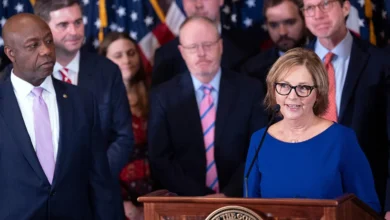
The administration’s domestic policy has also drawn scrutiny, particularly regarding its treatment of the media. President Trump’s recent decision to bar reporters from CNN, Politico, and MS NOW from White House grounds has sparked a debate over the role of the press and the spirit of the First Amendment. Congresswoman Maria Elvira Salazar (R-Florida) defended the President’s approach, characterizing it as a reflection of his unique style of engagement rather than an assault on press freedom.
Simultaneously, Salazar has emerged as a vocal critic of the administration’s current deportation policies. In a recent campaign advertisement, she argued that the President’s enforcement efforts are alienating the Hispanic voting bloc that proved pivotal to his 2024 victory. Salazar claims that many of those targeted for deportation lack criminal records, and she has urged the President to adopt a more nuanced approach—distinguishing between criminal elements and the essential workforce that supports the agricultural, hospitality, and construction sectors.
Public Health and the Vaccine Controversy
The intersection of politics and public health remains a significant source of tension within the Republican party. Senator Bill Cassidy (R-Louisiana), chairman of the Health Committee, has expressed deep concern over President Trump’s recent rhetoric regarding childhood vaccines. Trump’s proposal to alter the vaccine schedule and his characterization of certain immunizations as "lethal" have been met with swift rebuke from medical professionals.
Cassidy emphasized the necessity of "radical honesty," noting that current vaccine regimens are both safe and effective. He warned that the President’s rhetoric could lead to a decline in immunization rates, potentially triggering outbreaks of preventable diseases like measles, which have already impacted neonatal intensive care units. As the Senate prepares for the confirmation hearing of FDA commissioner nominee Dr. Heidi Overton, the debate over whether the administration will prioritize scientific consensus or political messaging remains a central concern for public health officials.
Implications for the Midterm Elections
As the nation approaches the November 3 midterm elections, where all 435 seats in the House of Representatives are at stake, the political landscape remains highly volatile. The combination of high energy prices, the debate over AI, and the handling of international conflicts has left the electorate deeply polarized. The decision by House Speaker Mike Johnson to recess the chamber until mid-November suggests a desire to avoid legislative complications in the immediate lead-up to the vote, yet it leaves several pressing issues—including national debt management and social security reform—unaddressed.
The administration’s recent announcement regarding the construction of a military-grade "Triumphal Arch" near Arlington National Cemetery—designed to house drones and sniper units—further illustrates the unconventional and often combative nature of current governance. As voters prepare to head to the polls, they are faced with a stark choice between the current administration’s aggressive, nationalist policies and a growing desire for stability and institutional, fact-based leadership. The coming weeks, marked by high-level diplomatic meetings and continued economic pressure, will likely determine the balance of power in Washington for the remainder of the presidential term.