MakeMyTrip Pivots Toward Non-Air Sectors Amid Domestic Aviation Headwinds to Capture India’s Expanding Travel Market

India’s travel landscape is undergoing a significant structural evolution, highlighted by strategic realignments among the nation’s dominant industry players. MakeMyTrip, the country’s largest online travel agency (OTA), is actively leveraging a softer domestic aviation environment to aggressively expand its footprint in non-air sectors. By pivoting deeper into hotels, holiday packages, intercity buses, and ride-hailing cabs, the company is targeting the segments it believes hold the most lucrative, long-term growth potential within the rapidly expanding South Asian tourism market.
This strategic recalibration comes at a time when the aviation sector—historically the primary driver of digital travel bookings in India—is facing temporary headwinds characterized by capacity constraints, declining departure volumes, and elevated airfares. Rather than scaling back operations, MakeMyTrip’s leadership is utilizing robust cash flows and a dominant market position to diversify revenue streams, reinforcing its business model against sector-specific volatility.
Financial Performance and Second-Quarter Results
The resilience of MakeMyTrip’s diversification strategy was underscored by the release of its financial results for the quarter ending September, which corresponds to the company’s second fiscal quarter. During this three-month period, MakeMyTrip reported staggering gross bookings of $2.7 billion. On a constant-currency basis, this figure represents a robust 21 percent increase compared to the same period in the previous fiscal year.
Concurrently, the company’s profitability metrics demonstrated healthy expansion. Adjusted operating profit for the quarter reached $46.2 million, validating the operational efficiency of the platform even as transactional mixes shifted. A closer examination of the gross bookings mix reveals the tangible success of the company’s pivot: non-air businesses accounted for 63.2 percent of total gross bookings, marking a notable increase from the 61.5 percent recorded during the corresponding quarter of the previous year.
Conversely, the air travel segment—traditionally the bedrock of the OTA’s transaction volume—emerged as a soft spot for the second consecutive quarter. Industry-wide domestic air departures in India contracted by 7 percent, while international departures experienced a 4 percent decline. Compounding these volume reductions were soaring ticket prices, with fares climbing by roughly 25 to 30 percent year-over-year. Despite the challenging macro-aviation environment, MakeMyTrip maintained its formidable market presence, retaining a commanding domestic air-ticketing market share of over 30 percent.
Chronology and Background of the Aviation Headwinds
To fully understand MakeMyTrip’s current strategic pivot, it is essential to examine the recent chronology of India’s aviation and travel sectors.
In the immediate aftermath of the global pandemic, India’s domestic travel market witnessed a historic surge, colloquially termed "revenge travel." During 2022 and early 2023, both business and leisure travelers flooded booking platforms, driving up demand for air travel at unprecedented rates. OTAs capitalized on this boom, with flight bookings serving as the primary acquisition funnel for new digital consumers.
However, the landscape began to shift in late 2023 and accelerated through 2024. Supply chain bottlenecks, engine recalls affecting major domestic carriers, and aircraft delivery delays constrained fleet expansions for several Indian airlines. This capacity crunch led to a severe supply-demand imbalance, resulting in the aforementioned 25 to 30 percent surge in airfares. By mid-2024, the combination of inflated ticket costs and reduced flight frequencies began to suppress domestic travel demand, culminating in the 7 percent drop in domestic departures observed in the second quarter.
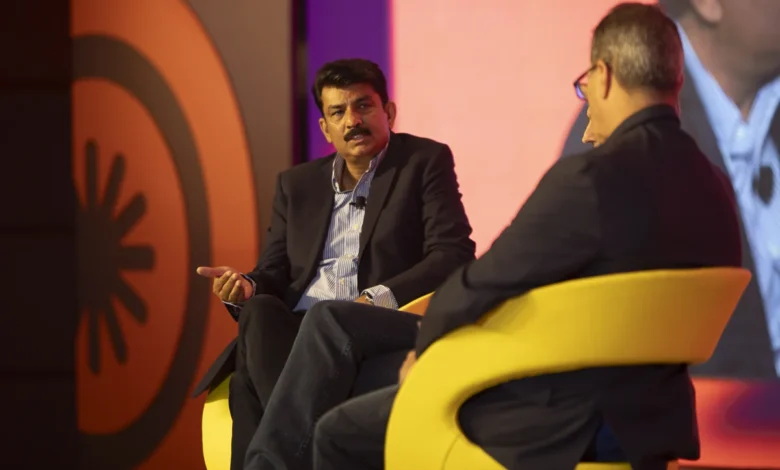
Recognizing these structural limitations in the aviation supply chain, MakeMyTrip’s executive leadership—including Group CEO Rajesh Magow—began signaling a deliberate shift in capital allocation and marketing focus. Speaking at major industry forums such as the Skift India Summit, leadership emphasized that while air ticketing remains a critical customer acquisition tool, the true margin expansion and long-term value creation lie in cross-selling high-value accommodation and ground transport products.
The Ascendancy of Hotels, Buses, and Cabs
Hotels and holiday packages have quickly become the fastest-growing revenue pillars for the platform. During the second fiscal quarter, hotels and packages accounted for approximately 40 percent of MakeMyTrip’s overall business. Stand-alone hotel room nights grew by an impressive 18.6 percent year-over-year, propelled primarily by a surge in domestic leisure and business travel, which saw domestic room night growth exceed 20 percent.
This growth is indicative of broader consumer trends within India’s middle and upper-middle classes, who are increasingly prioritizing domestic tourism, experiential getaways, and weekend stays at branded and unbranded properties alike. By investing heavily in supply-side technology for budget hotels, homestays, and luxury resorts, MakeMyTrip has successfully captured a larger share of the wallet from travelers who are opting for road trips and localized vacations in lieu of expensive long-haul flights.
In addition to hotels, the ground transport segment—comprising intercity bus ticketing and urban cab bookings—has performed remarkably well. The bus ticketing vertical, anchored by the company’s RedBus subsidiary, continues to dominate the organized intercity bus market in India. By integrating bus networks with hotel inventory, MakeMyTrip offers an end-to-end travel ecosystem that captures Tier-2 and Tier-3 city travelers who are increasingly coming online.
Official Responses and Industry Perspectives
While corporate strategy pivots are often greeted with skepticism by market analysts, MakeMyTrip’s aggressive stance into non-air verticals has earned broad endorsement from financial stakeholders and industry observers.
In public remarks and investor earnings calls, MakeMyTrip executives have framed the aviation slowdown not as a crisis, but as a natural market maturation phase that validates the company’s multi-product strategy. Company leadership has repeatedly stressed that India’s travel penetration remains low on a per-capita basis compared to Western markets, leaving massive headroom for growth across all segments.
Industry analysts note that MakeMyTrip’s ability to maintain a 30-plus percent market share in domestic flights while simultaneously expanding its non-air share to over 63 percent demonstrates exceptional operational agility. By using flight bookings as a high-frequency entry point, the platform successfully cross-sells higher-margin hotel stays and ground transport options, thereby improving customer lifetime value (LTV) and mitigating the risks associated with airfare volatility.
Broader Impact and Market Implications
The broader implications of MakeMyTrip’s strategic pivot extend far beyond the balance sheet of a single corporation, signaling several transformative trends for the Indian travel and technology ecosystem.
First, the shift accelerates the formalization and digitalization of India’s fragmented hospitality and ground transport sectors. While airlines and large hotel chains have long been digitized, a significant portion of India’s domestic hotel inventory—particularly budget properties, homestays, and regional bus operators—remains unorganized. MakeMyTrip’s aggressive push into these categories forces local suppliers to adopt digital inventory management systems, ultimately benefiting consumers through greater transparency, standardized pricing, and reliable service quality.
Second, the geographic center of gravity for travel demand in India is shifting. As major metropolitan routes face high airfares and congestion, travel growth is increasingly emanating from Tier-2, Tier-3, and Tier-4 cities. Consumers in these emerging urban centers frequently utilize buses, trains, and regional cabs rather than commercial flights for their travel needs. MakeMyTrip’s focus on non-air products positions the company perfectly to capture this demographic dividend.
Finally, the competitive dynamics among Indian OTAs are shifting. While rivals continue to battle for market share in the commoditized and low-margin flight-booking segment, MakeMyTrip is effectively redefining the competitive playing field around ecosystem stickiness and comprehensive travel services.
Looking Ahead
As India’s aviation sector works through its ongoing capacity and supply chain challenges, MakeMyTrip’s preemptive diversification serves as a textbook case of strategic corporate adaptability. By fortifying its hotel, bus, and cab verticals during a period of domestic air travel softness, the company has insulated its revenue streams while positioning itself to capture the next wave of multi-modal travel demand.
With gross bookings crossing the $2.7 billion threshold and non-air segments commanding nearly two-thirds of its business mix, MakeMyTrip enters the upcoming festive and winter travel seasons on solid footing. Whether the domestic aviation sector rebounds in the coming quarters or continues to experience structural constraints, MakeMyTrip has successfully diversified its operational dependencies, ensuring that its long-term growth trajectory remains resilient against macro-level market fluctuations.