Beyond the Wurst: A Comprehensive Guide to the Evolution and Diversity of German Gastronomy

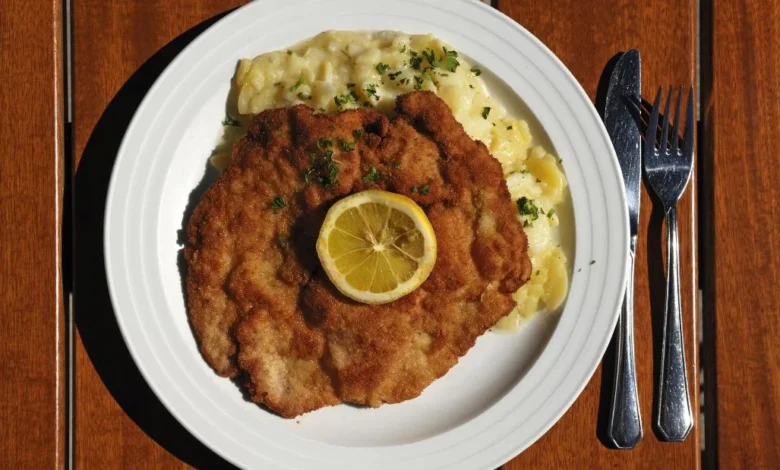
German culinary tradition is defined by a commitment to heartiness, regional provenance, and the skillful transformation of local agricultural staples. While international perceptions of the country’s food scene are often reduced to a triad of beer, sauerkraut, and sausage, a closer examination reveals a sophisticated landscape of cuisine shaped by centuries of migration, industrial development, and shifting social habits. Today, Germany represents a unique intersection of tradition and innovation, where the appreciation for high-quality, locally sourced ingredients is reflected in everything from the rustic charm of rural beer gardens to the refined output of Michelin-starred urban establishments.
Historical Context and the Influence of Migration
The evolution of German cuisine cannot be understood without recognizing the profound impact of immigration. Over the past several centuries, the movement of people across borders—from the displacement of populations during and after the World Wars to the labor migration waves of the 1960s and 70s—has irrevocably altered the German palate. Dishes that are now considered quintessentially German, such as the Döner kebab, were introduced by Turkish guest workers, eventually becoming the nation’s most popular street food. Similarly, the "Spaghettieis," an ice cream invention that visually mimics a plate of pasta, demonstrates the lasting influence of Italian culinary culture on German dessert habits.
This synthesis of cultures is mirrored in the country’s regional diversity. The culinary traditions of the North, heavily influenced by maritime access and trade, differ significantly from the agrarian, mountain-influenced dishes of the South.
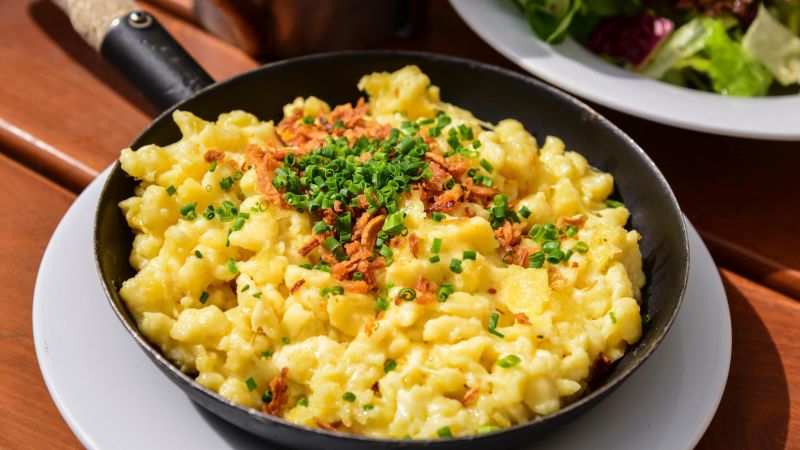
A Chronicle of Traditional Specialties
The following selection highlights the foundational dishes that characterize the German gastronomic identity, each serving as a testament to regional history and local resources.
Königsberger Klopse: Originating in the former East Prussian capital of Königsberg—now Kaliningrad, Russia—this dish consists of meatballs in a delicate white sauce seasoned with capers and lemon. During the Cold War, the dish faced an identity crisis within the German Democratic Republic (GDR); officials rebranded it as kochklopse (boiled meatballs) to avoid mentioning a city that had been annexed by the Soviet Union. Since reunification, the dish has reclaimed its original name and remains a staple, particularly in the Berlin and Brandenburg regions.
Maultaschen: Often described as a German take on ravioli, these palm-sized, square dough pockets are a cornerstone of Swabian cuisine. Traditionally filled with a mixture of minced meat, onions, spinach, and breadcrumbs, they represent the resourcefulness of the region. In 2009, the European Union granted Maultaschen protected regional status, recognizing them as a vital component of the cultural heritage of Baden-Württemberg.
Labskaus: This dish serves as a culinary relic of the 18th-century seafaring era. A mash of salted beef, potatoes, onions, and pickled beetroot, Labskaus was a practical solution for long-distance sailing when fresh food was scarce. Today, it remains a specialty in Northern German ports like Hamburg, Bremen, and Kiel, and is often cited for its purported efficacy as a hangover remedy.

The Ubiquity of Sausage and Street Food Culture
The German sausage—or Wurst—is perhaps the most recognizable symbol of the country’s food culture. With over 1,500 distinct varieties, the production and consumption of sausage are central to German economic and social life.
The Bratwurst remains the dominant street food category, with regional variations like the Nürnberger Rostbratwurst (small and grilled) and the Thüringer Rostbratwurst (spiced and substantial) dominating markets. The cultural significance of the bratwurst is such that Thuringia established the world’s first bratwurst museum in 2006 to document the history and craftsmanship involved in its production.
Perhaps the most culturally significant evolution in the street food sector is the Currywurst. Attributed to Herta Heuwer in 1949, who reportedly sourced curry powder and ketchup from British occupation forces in Berlin, this simple combination of fried sausage and spiced sauce has become a national phenomenon. Market data indicates that approximately 800 million servings of currywurst are consumed annually across Germany, underscoring its status as an affordable, high-demand comfort food.
Seasonal Fixations and Regional Specialties
German culinary life is highly seasonal, with specific periods defined by the availability of fresh produce. One such phenomenon is Spargelzeit (asparagus time), which begins in mid-April and concludes on June 24th, St. John the Baptist Day. During this period, the nation consumes over 70,000 tons of white asparagus, a vegetable often referred to as "white gold." This obsession is reflected in dedicated festivals and specialized supply chains, illustrating the German consumer’s prioritization of seasonal, domestic produce.

Similarly, in early October, the Southern regions celebrate the arrival of Federweisser—a partially fermented, young white wine—paired with Zwiebelkuchen (onion tart). Because the wine is in a state of rapid fermentation and cannot be hermetically sealed for transport, it is a localized product that draws crowds to marketplaces and vineyards, reinforcing the connection between the consumer and the region of production.
The Evolution of Comfort and Celebration
Certain dishes are intrinsically linked to social gatherings and family tradition. Rouladen, thin slices of beef wrapped around bacon, onions, mustard, and pickles, serve as a staple for family dinners and celebratory occasions. The preparation of the accompanying red wine gravy is often considered a litmus test for home-cooking expertise.
In the Northwest, the Pinkel mit Grünkohl (kale with smoked sausage) tradition highlights the social nature of German eating. During winter, groups participate in "Grünkohlfahrten"—hikes through the countryside that conclude with a communal kale dinner at a local inn. This tradition illustrates how food is used to facilitate social cohesion during the colder months.
Pastry and the Coffee House Culture
The German tradition of Kaffee und Kuchen (coffee and cake) on Sunday afternoons is a cornerstone of the country’s social fabric. This culture is supported by a massive variety of baked goods, from the Schwarzwälder Kirschtorte (Black Forest gateau)—notably flavored with cherry schnapps from the Black Forest region—to the distinctively dense and fluffy German cheesecake.

Unlike North American variations, German cheesecake is typically made with low-fat quark, a fresh dairy product, rather than cream cheese. This results in a lighter texture that emphasizes the purity of ingredients. The proliferation of regional variations—Käsekuchen, Quarkkuchen, and Topfenkuchen—demonstrates the deep-rooted nature of these recipes in the domestic kitchen.
Implications of Modern Gastronomy
The contemporary German food scene is defined by a tension between the preservation of traditional, heavy comfort foods and the increasing demand for sustainable, diverse, and lighter options. The integration of international staples like the Döner kebab into the "traditional" canon serves as a clear indicator of a country that, while deeply proud of its history, is dynamic and responsive to demographic changes.
The economic implications are equally significant. The food and beverage industry remains a major pillar of the German economy, with small and medium-sized enterprises (the Mittelstand) playing a critical role in the production of regional specialties. Organizations such as the Institute for Bread reflect the institutional seriousness with which Germany treats its culinary foundations.
Ultimately, the German approach to food is characterized by a balance of pragmatism and passion. Whether it is the rapid, high-volume production of currywurst for the urban commuter or the slow, multi-day marination of a sauerbraten for a Sunday family meal, the common denominator is an insistence on quality and a respect for the cultural narratives embedded in every bite. As the country continues to evolve, its culinary landscape will likely remain a reflection of its broader social trajectory: rooted in historical tradition, yet continually enriched by the global influences that now define the modern German experience.