When Garbage Trucks Become Code Inspectors: The Rise of AI Blight-Scoring in American Cities

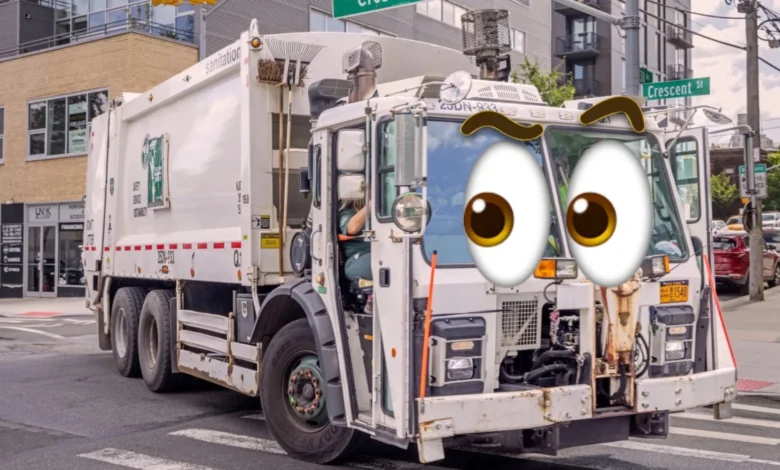
Across the United States, municipal sanitation fleets are undergoing a quiet technological transformation that turns everyday waste collection into automated neighborhood surveillance. In at least four states—California, Georgia, South Carolina, and Texas—city-run garbage trucks are increasingly being outfitted with specialized, artificial intelligence-equipped camera systems. Developed by a Tuscaloosa, Alabama-based firm called City Detect, these tools capture continuous photographic records of residential properties as municipal vehicles service standard public routes.
Once captured, these images are processed through proprietary software designed to flag visible neighborhood infractions, ranging from overgrown lawns and scattered debris to graffiti and severe structural damage like collapsing roofs. Properties identified by the algorithm are subsequently assigned a "Blight Score" ranging from one to four based on the severity of the detected infraction. While the software automates the detection phase, municipal staff ultimately evaluate the flagged data to determine whether to issue courtesy notices or formal code enforcement citations.
The expansion of City Detect’s technology reflects a broader national push toward smart-city automation. Yet, it also intersects with a growing wave of public pushback against automated municipal surveillance. As local governments increasingly lean on algorithmic infrastructure to streamline administrative duties, privacy advocates, local lawmakers, and residents are scrutinizing the socioeconomic and civil liberties implications of turning municipal service vehicles into automated inspectors.
The Mechanics of PASS AI and Municipal Integration
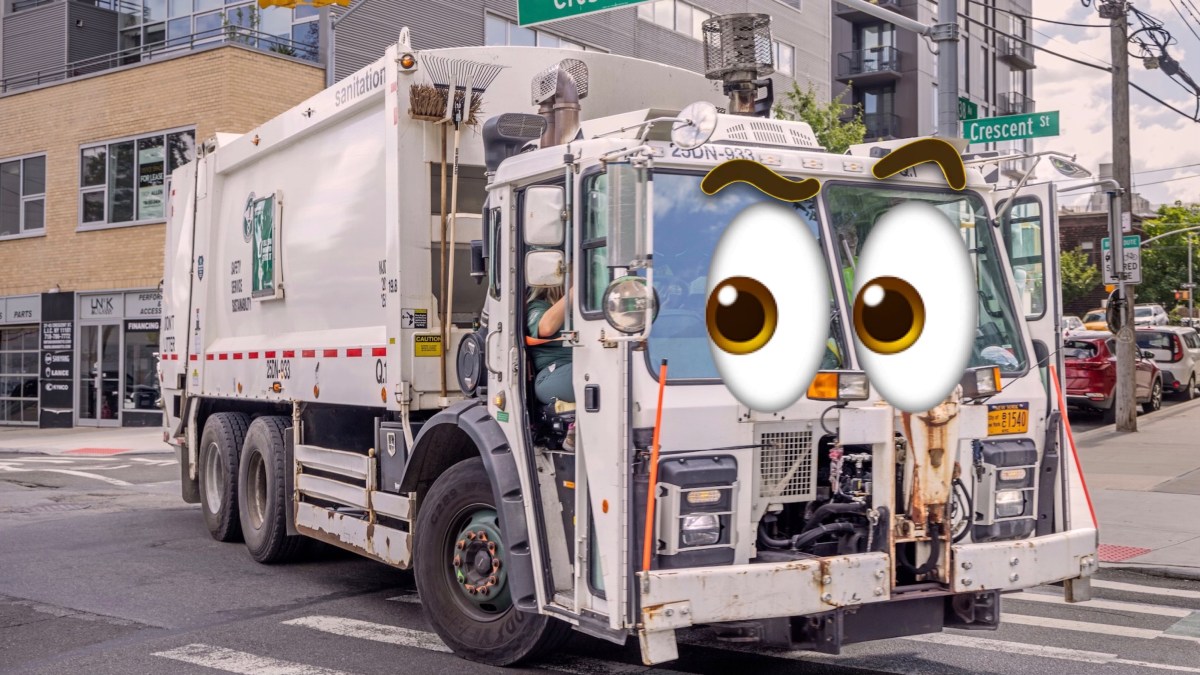
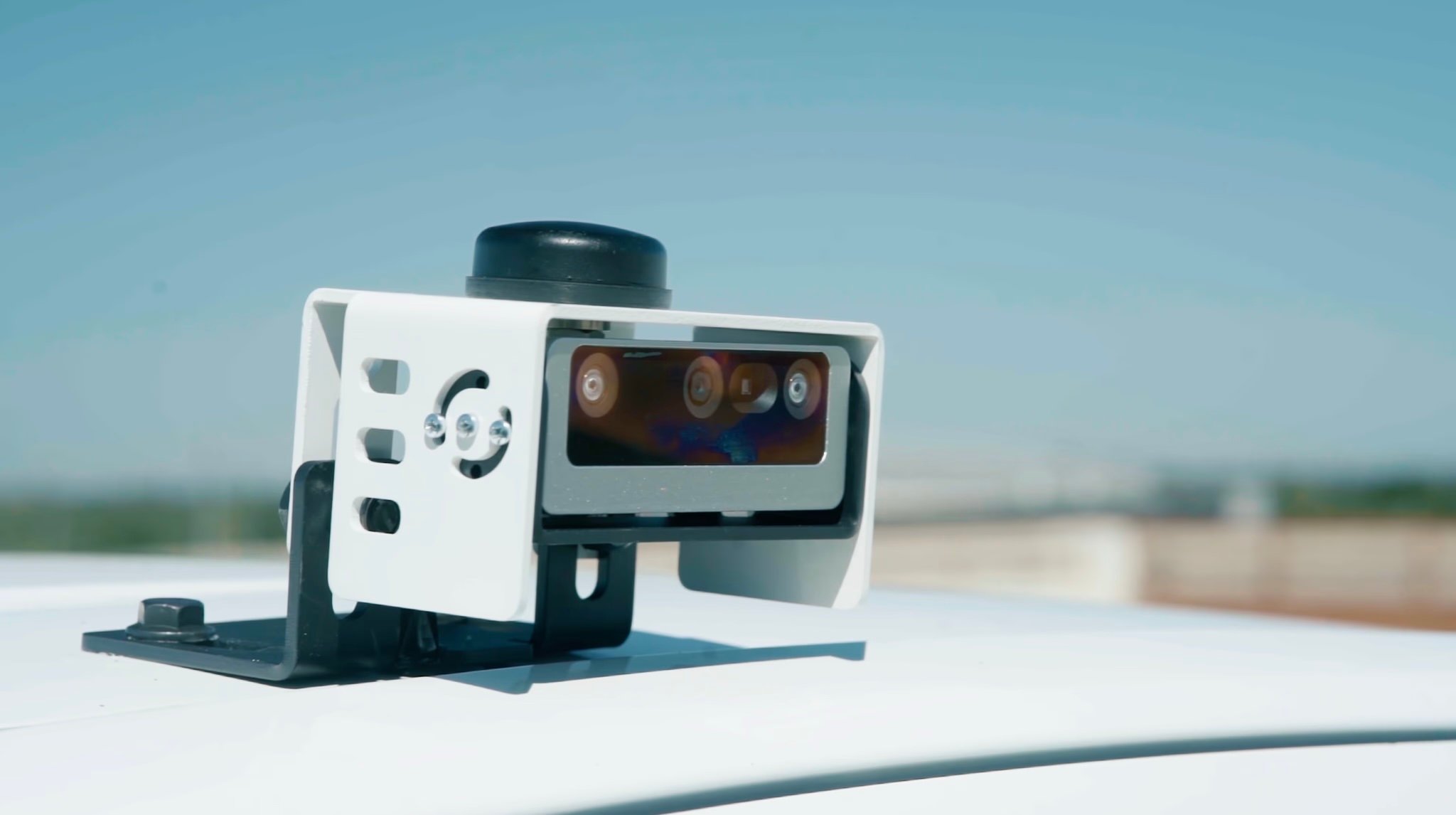
Founded in 2021, City Detect engineered its business model around a simple premise: transforming existing municipal assets into mobile inspection units without requiring dedicated fleets or supplementary personnel. By mounting high-definition cameras to the sides of standard sanitation vehicles, cities can survey entire neighborhoods organically during routine garbage collection runs.
The core operational engine behind the system is City Detect’s PASS AI software. As sanitation trucks traverse public streets, dual-mounted cameras photograph the frontages of residential properties. The AI framework then ingests these images, analyzing them against a library of municipal code infractions.
According to public records and municipal testing disclosures, the software evaluates parameters such as grass height, lawn clutter, fallen branches, and general litter, translating these observations into quantifiable severity metrics. Properties exceeding designated thresholds receive a blight classification. This information is funneled into a centralized dashboard accessible to local code enforcement officers.
Proponents of the technology argue that automated detection addresses long-standing inefficiencies in municipal governance. Traditional code enforcement has historically relied on reactive models, depending heavily on manual inspections by overextended staff or subjective, sometimes politically motivated complaints filed through municipal 311 systems. City Detect asserts that its platform shifts code enforcement from reactive to proactive, enabling cities to target distressed properties rapidly, optimize staff resource allocation, and address systemic urban blight before structural degradation worsens.
Data, Testing, and Geographic Disparities
The scale of this automated oversight is substantial. City Detect claims its technology has already identified millions of potential code violations nationwide. In Dallas, Texas, where the city initiated a testing phase in April, public records requests analyzed by local news outlet NBC 5 revealed that the system flagged potential infractions at more than 21,000 properties.
An examination of Dallas municipal data by NBC 5 mapped these automated detections, revealing notable patterns in how blight scores are distributed across urban environments. A heat map generated from the city’s data indicated that flagged properties were disproportionately concentrated in lower-income neighborhoods.
This geographic distribution has fueled concerns regarding equity and the socioeconomic impact of automated enforcement. Critics note that lower-income households may face systemic disadvantages when attempting to maintain properties to municipal standards, often lacking the disposable income, physical health resources, or leisure time required for rapid remediation. For residents in economically distressed areas, an influx of automated warnings and potential fines can exacerbate financial vulnerability rather than foster neighborhood revitalization.
Political Backlash and Local Resistance
The deployment of automated code enforcement has faced swift political pushback in several municipalities. The tension between municipal efficiency and community concerns regarding surveillance and economic fairness has led to legislative battles and policy rollbacks.
In Huntsville, Alabama, city officials temporarily shelved a proposed contract with City Detect following a significant community outcry. Residents voiced intense apprehension regarding continuous photographic surveillance and the regressive economic impact of automated citations on financially vulnerable populations.
Similar debates have played out in Texas. In Dallas, City Council member Chad West proposed a municipal budget amendment designed to defund the city’s trial of the sanitation truck cameras. West cited explicit concerns over citizen privacy and the potential for unintended financial burdens on low-income residents who cannot readily afford costly property repairs, such as fixing peeling paint or replacing damaged roofs. Although West ultimately withdrew the amendment, he maintained that the underlying systemic issues demand rigorous oversight.
"I have serious concerns about the Code AI cameras on City sanitation trucks, due to privacy issues and the unintentional burden this might place on our most vulnerable residents," West noted in a statement to mainstream media. "I support technology, but we need to ensure that the benefits outweigh concerns."
Company Safeguards and Privacy Protocols
In response to growing public scrutiny, City Detect and partner municipalities have emphasized that the technology incorporates several privacy-preserving safeguards. Company documentation stresses that the software automatically blurs human faces and vehicle license plates captured in street-level imagery.
Furthermore, City Detect maintains that its platform functions strictly as an informational aid rather than an automated ticketing machine. The company emphasizes that the software does not possess direct enforcement authority, does not interface with law enforcement or federal databases, and operates independently of financial incentives—meaning the firm does not collect revenue based on the volume of citations issued by a municipality. Human oversight remains a mandatory component of the workflow, as municipal employees must manually review AI-flagged imagery before any formal notice or fine is issued.

The Broader Landscape of Smart-City Surveillance
Camera-equipped garbage trucks do not exist in a vacuum; they represent a single facet of a nationwide surge in automated municipal enforcement. Across the United States, local governments are increasingly deploying artificial intelligence to monitor public spaces and enforce civil codes.
In Los Angeles, automated cameras installed on public transit buses capture motorists illegally parked in designated bus lanes, issuing citations by mail. Austin, Texas, implemented AI-enabled cameras on school buses to automatically document motorists and autonomous vehicles that fail to stop for extended school bus stop arms. Meanwhile, Albuquerque, New Mexico, deployed solar-powered "SafetySticks" to automatically ticket drivers blocking crosswalks, bike lanes, and transit corridors.
These initiatives share a common objective: maximizing enforcement reach and generating municipal revenue through automation. However, this rapid technological expansion has collided with a powerful counter-movement against perceived overreach and digital surveillance.
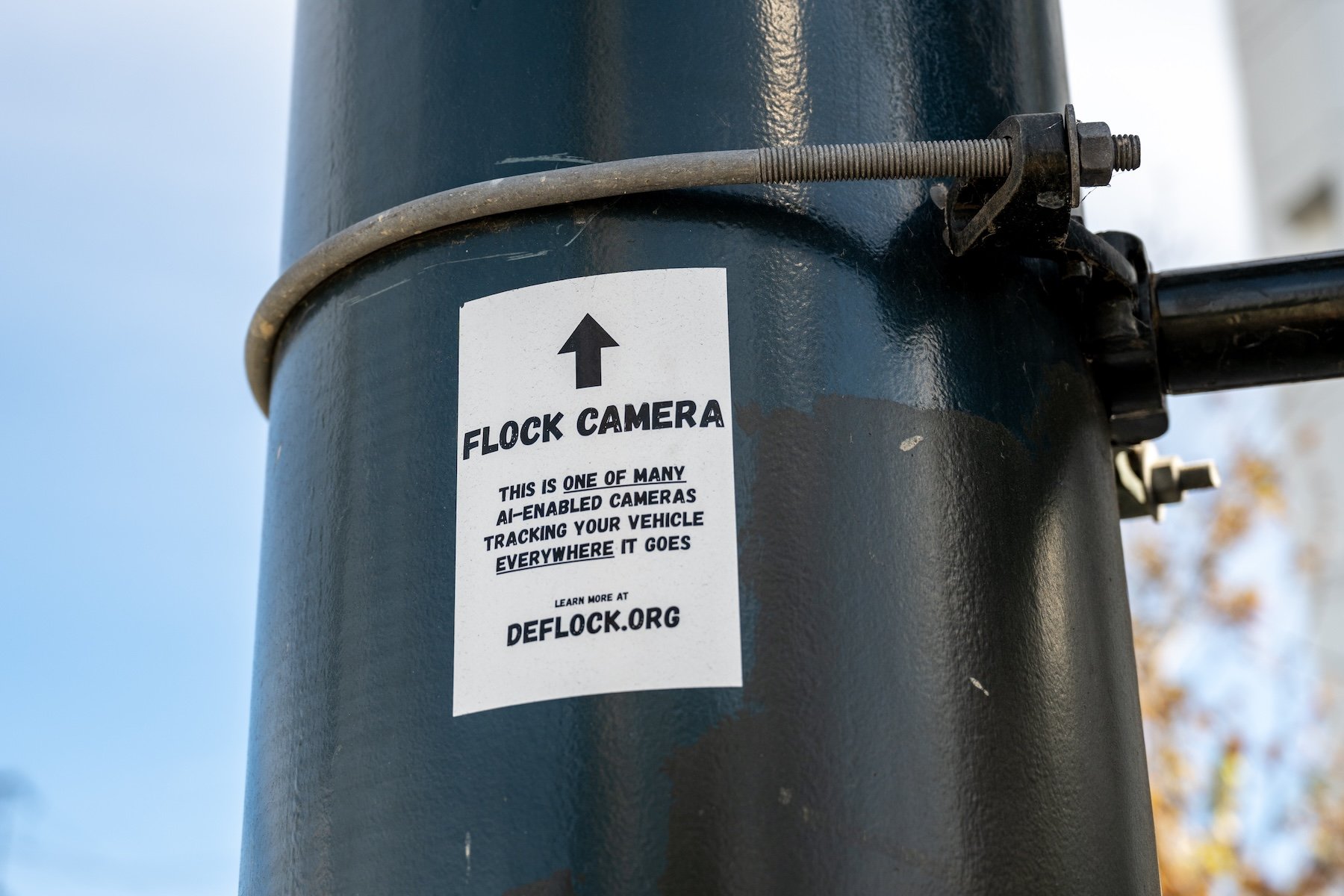
According to data compiled by advocacy organizations such as the Oakland-based Secure Justice, public pushback has led at least 214 cities and counties nationwide to terminate contracts with automated license plate reader firms like Flock Safety since 2021. The momentum behind these cancellations accelerated following high-profile security controversies, data misuse incidents, and heightened public anxiety regarding data privacy.
Public skepticism toward artificial intelligence is also reflected in broader demographic polling. A recent Pew Research Center survey indicated that 40 percent of U.S. adults believe the overall societal impact of AI will be more negative than positive, compared to just 16 percent who view its trajectory optimistically. This cultural skepticism has manifested locally in legislative moratoriums on AI data centers and heightened resistance to municipal surveillance hardware.
Implications for the Future of Urban Governance
As municipalities grapple with aging infrastructure, budget constraints, and the constant demand for efficient public services, the temptation to adopt algorithmic solutions remains strong. Technologies like City Detect offer the allure of data-driven governance, promising cleaner streets and better-maintained neighborhoods through the seamless integration of artificial intelligence and municipal fleets.
However, the friction between automated efficiency and civil liberties highlights a fundamental question for modern urban planners: Where is the boundary between proactive public administration and intrusive surveillance?
As long as cities continue balancing stretched municipal workforces against the capabilities of private tech firms, the garbage truck equipped with an AI camera will remain a potent symbol of the changing contract between the citizen and the state. Whether these systems ultimately foster safer, more equitable communities or alienate vulnerable populations through automated policing will depend largely on the guardrails, transparency, and democratic oversight local governments choose to implement in the years ahead.