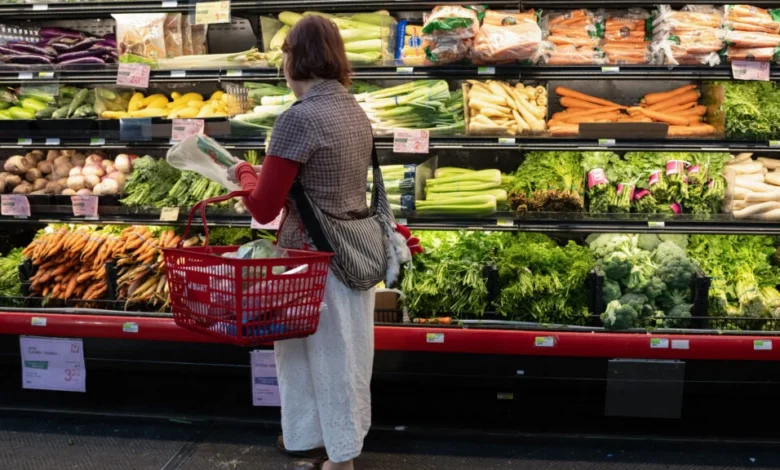
The current surge in cyclosporiasis cases serves as a stark reminder that food safety and nutrition are inextricably linked, a reality underscored by my nearly decade-long tenure as director of the Food and Drug Administration’s (FDA) Center for Food Safety and Applied Nutrition (CFSAN) from 2015 to 2023. This period solidified my conviction that to foster a healthier populace, we must robustly support both the safety and nutritional value of our food supply. The recent widespread public awareness, amplified by a record number of cyclosporiasis infections, has brought this critical interdependence into sharp focus, even reaching consumers directly. The FDA is presently engaged in investigating six distinct cyclospora outbreaks, with only one currently attributed to shredded iceberg lettuce, highlighting the diverse potential sources of contamination.
The Cyclospora Crisis: A Public Health Challenge
Cyclosporiasis, a diarrheal illness caused by the parasite Cyclospora cayetanensis, is typically contracted by consuming food or water contaminated with the parasite’s oocysts. The incubation period can range from a few days to over a week, with symptoms including watery diarrhea, loss of appetite, weight loss, cramping, bloating, gas, nausea, fatigue, and sometimes vomiting and low fever. While often self-limiting, symptoms can persist for weeks or even months if left untreated, leading to potential complications and significant public health concern, particularly during periods of widespread transmission.
The current outbreak has prompted widespread public health advisories, urging caution regarding the consumption of fresh fruits and vegetables, foods long championed by nutritionists for their vital role in a healthy diet. This advisory has, unfortunately, triggered a visceral reaction on social media platforms, with comments ranging from fervent endorsements of less nutritious options like pizza and Oreos to dismissive remarks about the perceived risks of salads. This sentiment echoes concerns voiced during previous foodborne illness outbreaks, such as those involving E. coli and romaine lettuce, where individuals expressed a preference for processed snacks over fresh produce. Such reactions underscore a growing disconnect between the public’s understanding of food safety risks and the nutritional benefits of whole foods.
Identifying High-Risk Foods: The FDA’s Food Traceability List
The FDA has long engaged in evaluating foods that pose the highest risk for microbial contamination. This effort is a cornerstone of its implementation of the Food Safety Modernization Act (FSMA), a landmark piece of legislation enacted by Congress. A critical component of this work is the establishment of the "Food Traceability List." This list identifies commodities that, due to their inherent characteristics and susceptibility to contamination, require enhanced traceability measures. These measures are designed to expedite foodborne outbreak investigations by allowing for rapid identification of the source and scope of contamination.
The current Food Traceability List includes a range of produce items frequently recommended for their nutritional value, such as cucumbers, herbs, leafy greens, melons, peppers, sprouts, tomatoes, other vegetables, and fresh-cut fruits. The list also encompasses other commodities like certain cheeses. It is important to note that while meat and poultry are recognized as high-risk for pathogens such as E. coli and Salmonella, they are regulated by the U.S. Department of Agriculture (USDA) and therefore are not included on the FDA’s list.
The Unfortunate Intersection of Nutrition and Contamination
What unites the majority of the foods on the FDA’s Food Traceability List? They are, by and large, the very items recommended as integral components of a healthy dietary pattern. These are the "real foods" that the current administration, among others, has actively promoted for their role in improving nutrition and reducing the risk of chronic diseases. This presents a complex and deeply concerning challenge: the very foods that are essential for public health are also, in some instances, more vulnerable to microbial contamination.
The current administration, while actively addressing the immediate crisis of the cyclospora outbreak, has in the preceding 18 months demonstrated a notable focus on chemical contaminants in food, often at the expense of microbial safety concerns. This shift in emphasis, coupled with specific policy decisions, may have inadvertently undermined the robustness of the nation’s microbial food safety system. Understanding the cumulative impact of these various actions is crucial, as it is rarely a single policy but rather the confluence of multiple changes that can lead to a diminished overall food safety landscape.
Broader Environmental Factors and Their Food Safety Implications
Compounding these concerns are broader environmental issues, notably climate change. The administration’s past stance, characterizing climate change as a "hoax" and supporting policies that accelerate it, carries significant implications for food safety. Warming environments and an increase in extreme weather events, such as heavy rainfall and flooding, are scientifically documented to elevate food safety risks. These events can directly contaminate produce and create conditions conducive to pathogen proliferation. Furthermore, the destruction of agricultural products due to climate-related events leads to increased food waste.
Food waste itself is a well-established contributor to global warming, creating a feedback loop of environmental degradation. The destruction of large quantities of produce, such as lettuce from Mexico, exemplifies this issue. This loss not only represents wasted resources in production, processing, and international distribution but also incurs energy costs associated with the disposal of contaminated products. This cycle highlights the interconnectedness of environmental health, food security, and public health.
A Call to Action: Rebalancing Food Safety Priorities
The current cyclospora outbreak should serve as a critical wake-up call for all stakeholders, particularly our federal leaders tasked with safeguarding and promoting public health. Consumers should not be compelled to choose between the nutritional benefits of fresh produce and the assurance of food safety. True public health is achieved when a robust food safety system instills consumer confidence in the foods that are vital for their well-being. The principle that "real foods" are indeed vulnerable to "real pathogens" must guide our policy and public health strategies.
Moving forward, a comprehensive and balanced approach is essential. This involves not only a renewed focus on microbial food safety but also a strategic integration of food safety considerations into broader public health and environmental policies. The FDA’s ongoing work on traceability and its commitment to implementing FSMA remain vital. However, these efforts must be supported by adequate resources, robust surveillance, and a proactive regulatory framework that anticipates emerging threats.
Lessons from Past Outbreaks and Future Preparedness
The history of foodborne illness outbreaks offers valuable lessons. The E. coli O157:H7 outbreaks linked to romaine lettuce in 2017 and 2018, for instance, led to significant public apprehension and economic losses for the agricultural sector. These events underscored the challenges of preventing contamination in leafy greens, which are often grown in open fields susceptible to environmental factors. Investigations at the time pointed to potential contamination sources such as animal grazing lands, irrigation water, and wildlife. The subsequent FSMA Produce Safety Rule, aimed at establishing science-based minimum standards for the growing, harvesting, packing, and holding of produce, was a direct response to such incidents, seeking to mitigate these risks.
Similarly, the recurring outbreaks of cyclosporiasis, often linked to imported produce such as berries, herbs, and various vegetables, highlight the complexities of the global food supply chain. Traceback investigations for these outbreaks can be lengthy and challenging, requiring international cooperation and robust record-keeping from farm to fork. The FDA’s efforts to enhance traceability, as outlined in the Food Traceability List, are critical in addressing these challenges. The ability to quickly identify the origin of contaminated food is paramount to containing outbreaks and preventing further illnesses.
The current outbreak’s investigation is ongoing, and the specific sources are still being identified. However, the pattern of Cyclospora outbreaks often implicating fresh produce underscores the need for continuous vigilance and improvement in agricultural practices, post-harvest handling, and international supply chain oversight.
Official Responses and Industry Perspectives
While the provided text does not include direct quotes from current FDA officials or industry representatives regarding this specific outbreak, it is reasonable to infer the likely tenor of their responses. The FDA, as an investigative agency, would be focused on data collection, laboratory analysis, and collaboration with state and international partners to identify the source and scope of the outbreaks. Public statements would likely emphasize the ongoing investigation, reiterate public health advisances, and encourage adherence to safe food handling practices.
Industry stakeholders, particularly those involved in the production and distribution of fresh produce, would likely express their commitment to food safety and cooperation with the FDA’s investigation. They would also likely highlight their adherence to existing food safety regulations and their ongoing efforts to implement best practices to minimize contamination risks. The economic impact of such outbreaks can be substantial, affecting consumer confidence and market demand, making a swift and effective resolution a priority for the industry.
The Path Forward: Integrating Safety and Nutrition
The current situation presents a critical juncture for public health policy. The notion that consumers must choose between nutritious food and food safety is unacceptable. The FDA’s mission, and indeed the broader mandate of public health agencies, is to ensure that both are readily available and accessible. This requires a sustained and coordinated effort involving government, industry, and consumers.
Key areas for continued focus include:
- Enhanced Surveillance and Data Analysis: Strengthening systems for monitoring foodborne illnesses and analyzing outbreak data to identify emerging trends and vulnerable commodities.
- Investment in Food Safety Research: Supporting research into pathogen behavior, detection methods, and effective control strategies for produce.
- Strengthening the Global Food Supply Chain: Promoting international collaboration and harmonizing food safety standards to ensure the safety of imported foods.
- Public Education and Consumer Engagement: Empowering consumers with accurate information about food safety risks and best practices for handling and preparing fresh produce.
- Policy Integration: Ensuring that food safety considerations are integrated into broader policy decisions related to agriculture, environment, and public health, recognizing the interconnectedness of these domains.
The cyclospora outbreak, while a cause for concern, also presents an opportunity to re-evaluate and reinforce our commitment to a food system that is both safe and nutritious. By learning from past experiences, embracing scientific advancements, and fostering collaboration, we can work towards a future where consumers can confidently enjoy the abundance of healthy, real foods that our planet offers.
Susan Mayne, Ph.D., served as director of the FDA’s Center for Food Safety and Applied Nutrition from 2015 to 2023. She is an adjunct professor at the Yale School of Public Health. This essay first appeared on her Substack.