Justice Department Moves Forward With Controversial Colony Ridge Settlement Despite Judicial Concerns Over Lack of Victim Compensation

The United States Department of Justice has signaled its intent to proceed with a $68 million settlement involving Colony Ridge, a massive residential development north of Houston, despite sharp criticism from a federal judge regarding the agreement’s failure to provide direct financial restitution to affected residents. The settlement concludes a protracted legal battle in which federal authorities accused the developer of engaging in predatory lending practices that specifically targeted Hispanic consumers. However, the resolution has sparked intense debate among legal experts and housing advocates, as it shifts a significant portion of the settlement funds toward law enforcement and immigration-related initiatives rather than the individuals allegedly defrauded by the company.
The Core Allegations: A Pattern of Predatory Lending
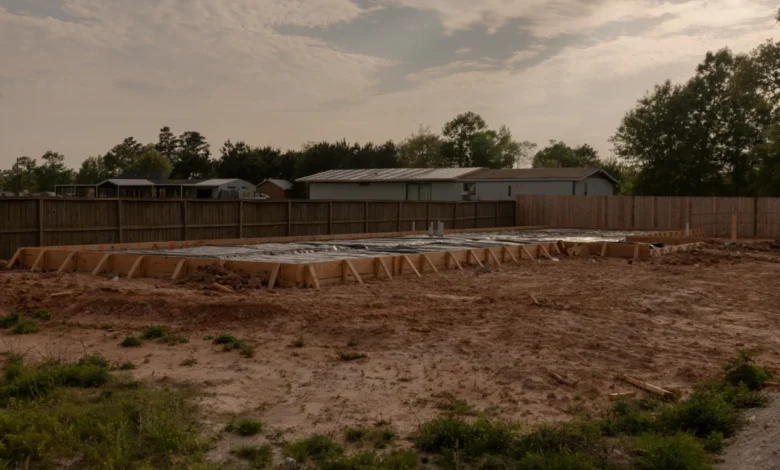
The legal dispute began in earnest in 2023 when the Department of Justice (DOJ) and the Consumer Financial Protection Bureau (CFPB) filed a joint lawsuit against Colony Ridge. The development, located in Liberty County, Texas, is one of the largest of its kind in the United States, housing an estimated 30,000 to 40,000 residents across more than 33,000 acres. The lawsuit alleged that the developer utilized deceptive marketing tactics to lure tens of thousands of Hispanic buyers into high-interest land loans.
According to the original complaint, Colony Ridge marketed "the American Dream" to a vulnerable demographic, often those with limited access to traditional banking or those seeking to build homes in a community where Spanish was the primary language. Prosecutors alleged that the developer sold land with interest rates significantly higher than market averages and failed to disclose the full costs of infrastructure, such as water and sewage systems.
Furthermore, the government accused Colony Ridge of a "churning" scheme. In this model, the developer would allegedly sell land to residents who could not afford the long-term payments, wait for them to fall behind, and then move quickly to foreclose. Once the property was seized, the developer would reportedly resell the same plot at a higher price, profiting multiple times off the same piece of land while the original buyers lost their down payments and any equity they had attempted to build.
Judicial Resistance and the $20 Million Law Enforcement Clause
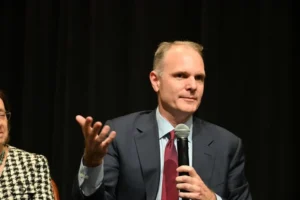
The settlement reached between the DOJ and Colony Ridge was intended to put these allegations to rest. However, during a recent hearing, U.S. District Judge Alfred H. Bennett expressed profound skepticism regarding the terms of the deal. The judge’s primary concern centered on the lack of any designated funds for the victims of the alleged fraud.
In a notable courtroom moment, Judge Bennett held the original lawsuit in one hand and the proposed settlement in the other, highlighting the stark disconnect between the two documents. He questioned why a lawsuit focused on predatory lending and improper foreclosures resulted in a settlement that allocated $20 million to police and immigration enforcement—areas that were never mentioned in the initial legal filing.
"I thought I was dealing with folks who had been defrauded," Bennett remarked during the hearing. "Now, all of the sudden, I’m being asked to OK increased law enforcement? Who in the settlement room said it would be a good idea to give $20 million to law enforcement? Where did that come from?"
Varda Hussain, a senior prosecutor with the Justice Department, informed the court that the impetus for the law enforcement funding came from the office of Texas Attorney General Ken Paxton. Paxton’s office had filed a parallel state-level lawsuit against the developer, and the $20 million provision was included as a way to resolve both federal and state claims simultaneously. While the DOJ initially had no concerns regarding crime or immigration in its filing, Hussain stated that investigators had heard concerns from residents about public safety in the sprawling development after the litigation began.
A Departure from DOJ Precedent
The structure of the Colony Ridge settlement represents a significant departure from historical Department of Justice practices in civil rights and housing cases. An analysis of 183 housing and civil enforcement settlements reached by the DOJ since 2018 revealed that only 6% lacked financial compensation for victims. More strikingly, none of those previous settlements included funding for police or immigration enforcement.
Legal analysts point out that settlements under the Fair Housing Act and the Equal Credit Opportunity Act are traditionally designed to make the victims whole. This usually involves "restitution funds" or "claims processes" where harmed individuals can apply for a portion of the settlement to recover lost down payments or interest overcharges. By omitting these mechanisms, the Colony Ridge agreement has been described by some former officials as an anomaly that fails to fulfill the core mission of consumer protection.
Judge Bennett attempted to broker a compromise, asking both the DOJ and Colony Ridge if they would be willing to revise the settlement to include victim compensation. While the attorney for Colony Ridge, Jason Ray, indicated a willingness to discuss revisions, the Justice Department declined the offer.
Bypassing the Court: The "Get Out of Jail Free Card"
In a tactical move that has drawn further criticism, the Justice Department announced it would move forward with the settlement without seeking formal judicial approval. This is possible under specific provisions of federal law that allow the government to voluntarily dismiss a case if a settlement is reached out of court.
The decision to bypass the judge’s "OK" has significant long-term implications. Johnathan Smith, a former deputy assistant attorney general for civil rights during the Biden administration, noted that without a court-approved consent decree, there is no judicial oversight to ensure Colony Ridge adheres to the new lending standards or other terms of the agreement.
"By having settlements that are public and that are court-enforced, it sends a clear message to other potential bad actors that there could be real consequences for their actions," Smith stated. He characterized the DOJ’s decision as a "get out of jail free card," arguing that the department is essentially turning its back on the victims by leaving them with no legal recourse and no guarantee of future compliance.
Furthermore, because the DOJ is dismissing the claims as part of the settlement, it cannot sue Colony Ridge based on these specific historical allegations in the future. This "finality" benefits the developer but leaves the previously harmed residents in a legal vacuum.
Resident Reactions and the Human Toll
For the residents of Colony Ridge, the legal maneuvering feels like a betrayal of the promises made when the federal government first intervened. Keilah Sanchez, a former landowner who became an advocate for residents, spent years collecting complaints and documenting the mistreatment of her neighbors. She expressed a sense of profound disappointment at the outcome.
"It’s crushing to see the settlement be implemented without helping past victims," Sanchez said. "It’s unbelievable, but at this point, I don’t expect much from these agencies."
The development itself remains a focal point of political and social tension in Texas. While the developer has denied all allegations of wrongdoing and maintains that it provides affordable housing opportunities to those who would otherwise be shut out of the market, the lack of infrastructure and the high foreclosure rates continue to be points of contention. In court filings, Colony Ridge stated it has already begun implementing stricter lending standards and improving its internal processes, but for those who have already lost their homes, these changes come too late.
Chronology of the Colony Ridge Dispute
- 2011–2020: Colony Ridge expands rapidly in Liberty County, Texas, becoming a major destination for Hispanic families seeking land ownership.
- 2021–2022: Local and national media outlets begin investigating high foreclosure rates and predatory lending allegations within the development.
- December 2023: The DOJ and CFPB file a landmark lawsuit alleging that Colony Ridge targeted Hispanic consumers with deceptive financing and "churning" practices.
- Early 2024: Texas Attorney General Ken Paxton files a state-level lawsuit against the developer, echoing many of the federal concerns but also emphasizing public safety and "colonia-like" conditions.
- Late 2024: The DOJ and Colony Ridge announce a $68 million settlement. The deal includes $20 million for law enforcement but zero dollars for direct victim restitution.
- Hearing Phase: Judge Alfred H. Bennett questions the settlement’s priorities and the inclusion of immigration enforcement funds.
- Final Resolution: The DOJ elects to finalize the settlement through a voluntary dismissal, bypassing the need for Judge Bennett’s approval and ending judicial oversight of the case.
Implications for Future Civil Rights Enforcement
The resolution of the Colony Ridge case may set a concerning precedent for how the federal government handles large-scale predatory lending cases. By prioritizing state-requested law enforcement funding over victim restitution, the settlement signals a shift in focus that could influence future negotiations with corporate entities accused of civil rights violations.
Critics argue that if the DOJ continues to bypass judicial scrutiny to push through controversial settlements, the deterrent effect of federal lawsuits will be significantly diminished. Without the threat of court-monitored compliance and substantial payouts to victims, developers and lenders may view such settlements as merely the "cost of doing business."
As Colony Ridge continues to grow, the eyes of the nation remain on Liberty County. The settlement may have ended the legal battle between the government and the developer, but for the thousands of residents who claim they were exploited, the quest for justice remains unfulfilled. The $20 million slated for law enforcement will likely fund increased patrols and immigration checks in the area, a move that some residents fear will only lead to further marginalization of the very community the original lawsuit sought to protect.