State-Level Variations Threaten Medicaid Protections for Native Americans as Work Requirement Deadlines Loom

With just two months remaining before the mandatory nationwide implementation of federal Medicaid work requirements, state agencies are scrambling to establish protocols for exempting Native Americans from the rules. Because federal health officials declined to issue a standardized framework, a patchwork of verification processes has emerged, threatening vulnerable enrollees with the loss of critical health insurance coverage.
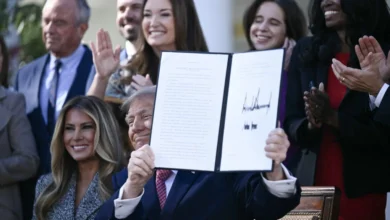
The policy stems from the One Big Beautiful Bill Act, signed by President Donald Trump, which explicitly exempts Native Americans from mandatory community engagement and employment hours to maintain their Medicaid eligibility. However, subsequent rules published by the Centers for Medicare & Medicaid Services (CMS) failed to provide a uniform, centralized mechanism for states to identify qualified American Indians and Alaska Natives (AI/AN). Consequently, more than 30 states are independently redesigning their administrative machinery, creating a fragmented landscape that healthcare advocates warn could lead to widespread coverage disruptions.
A Precarious Precedent: The Lessons of the Medicaid Unwinding
The anxiety gripping tribal communities is rooted in recent history. During the massive "unwinding" of Medicaid following the expiration of the COVID-19 public health emergency in 2
023, states rapidly resumed routine eligibility checks. Administrative hurdles, outdated contact information, and bureaucratic backlogs resulted in roughly 850,000 Native Americans losing their health coverage by May 2024—disproportionately due to paperwork failures rather than actual ineligibility.
Tribal leaders fear a repeat of this crisis. Under the current federal directive, CMS instructed states in June to rely on existing administrative data before demanding additional paperwork from Native enrollees. Yet, the rule stopped short of establishing a standard burden of proof, permitting states to impose evidentiary standards that far exceed basic federal requirements. Furthermore, the framework omitted mandates requiring states to share eligibility data with tribal governments, coordinate with Indigenous health providers, or integrate with managed-care entities.
Exacerbating these concerns is the narrow definition of the carve-out. While the exemption applies broadly to federally recognized American Indians and Alaska Natives, it explicitly excludes other indigenous groups, such as Native Hawaiians, leaving significant populations exposed to the new work mandates.
Voices from the Ground: Fear of Unintended Consequences
For tribal healthcare administrators operating on the front lines, the lack of centralized federal coordination represents an alarming systemic risk.
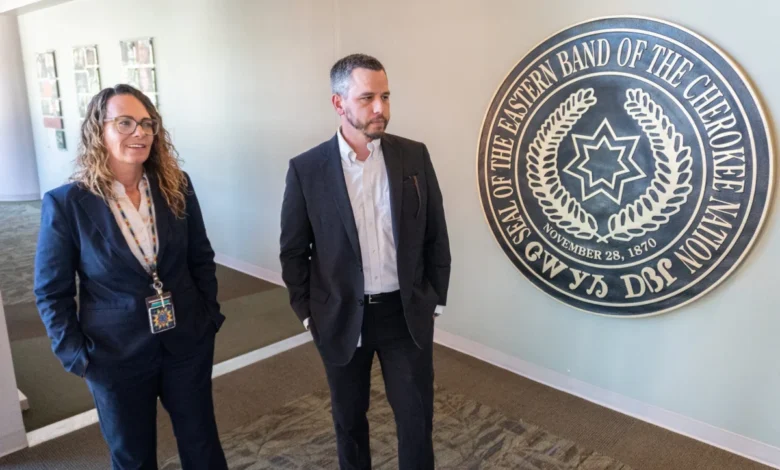
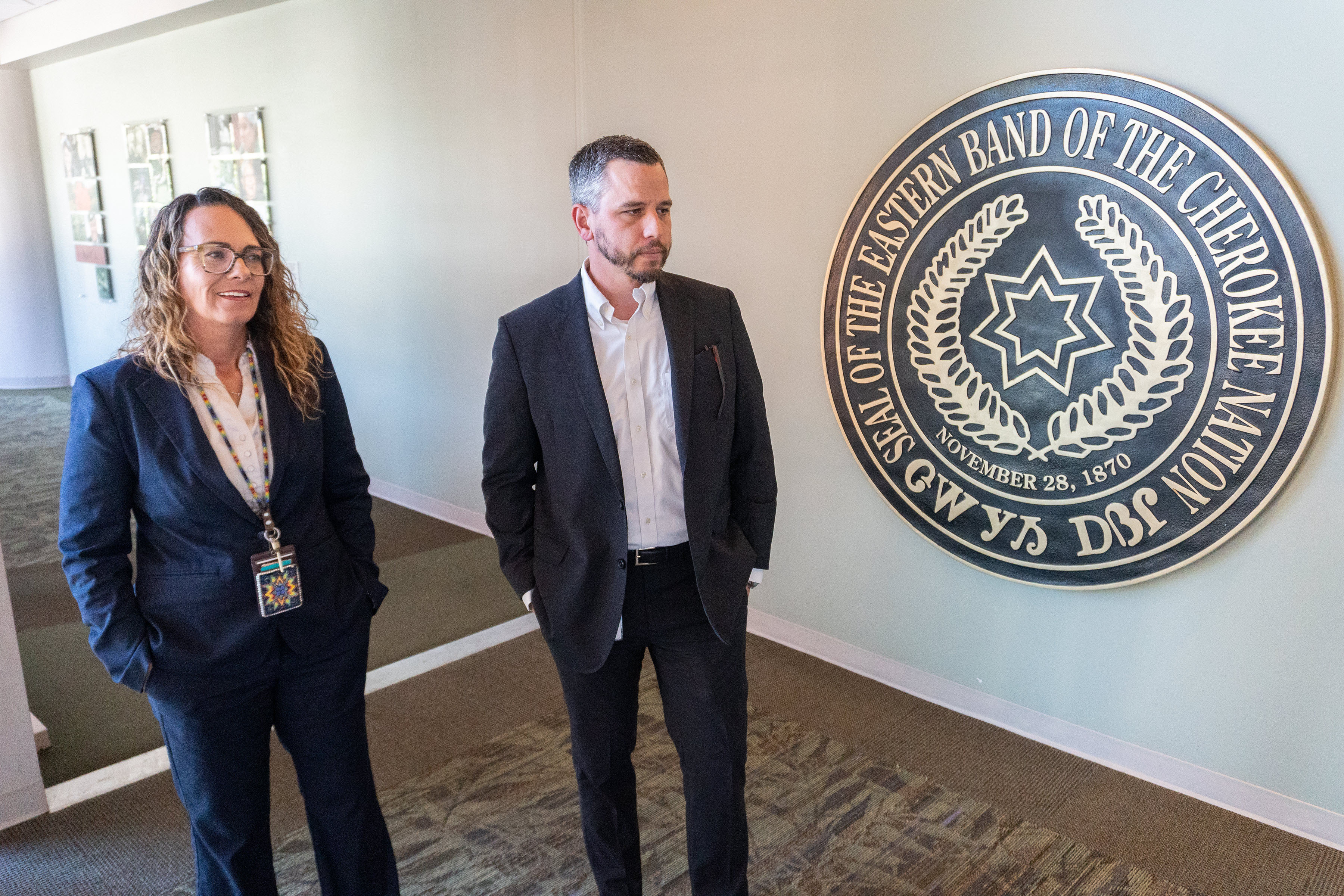
"I’m nervous. I’m extremely nervous," said James Burns, who oversees the Eastern Band of Cherokee Indians’ Medicaid managed-care program on the sovereign Qualla Boundary in western North Carolina. "When you look at any state that’s rolled out Medicaid work requirements, the unintended consequences have been vast, and that’s what we don’t want to happen."
In July, the CMS Tribal Advisory Group formally recommended that the agency mandate self-attestation as the baseline standard of proof for Native enrollees, alongside mandatory data-sharing agreements with tribal health systems to preempt administrative drop-offs. Similar recommendations were submitted by the National Council of Urban Indian Health. Despite these appeals, CMS has not clarified whether additional prescriptive guidance will be issued before the final deadline.
A.C. Locklear, chief executive officer of the National Indian Health Board (NIHB), criticized the siloed approach adopted by state administrations. "There’s 30-plus states who are independently repurposing their administrative processes for this, and they really all happen in a vacuum," Locklear noted. "That’s why it’s really important for CMS to provide guidance."
A Divergent State-by-State Landscape
An analysis of state implementation plans reveals wide discrepancies in how the exemption is being operationalized. While some states have established streamlined verification pathways, others rely on documentation hurdles that risk alienating eligible beneficiaries.
- Streamlined Self-Identification: States including Arizona, Colorado, Montana, Nevada, New Mexico, and Washington allow enrollees to self-identify their tribal status directly on standard Medicaid application forms. Arizona’s healthcare agency cross-references this self-attestation with historical data from the Indian Health Service (IHS) or tribally operated health facilities.
- Automated Claims and Data Linkages: South Dakota utilizes integrated claims systems linked directly to IHS service records. Oklahoma relies on a robust bilateral data-sharing agreement established with regional tribes in 2022.
- Document-Heavy Verification: Conversely, North Carolina demands explicit physical proof, requiring enrollees to present a tribal enrollment card, official census records, or direct validation from the Eastern Band of Cherokee Indians’ localized managed-care program.
This fragmented environment creates acute vulnerabilities for the roughly 87% of Native Americans who reside outside federally designated tribal statistical areas, such as reservations, according to 2020 U.S. Census Bureau data. For instance, a citizen of the Navajo Nation living in Connecticut faces considerable administrative hurdles in verifying their identity to a state agency that maintains no institutional relationship with southwestern tribes, according to Liz Malerba, policy director for the United South and Eastern Tribes.
Adding to the opacity, many states do not actively track tribal affiliation, as standard demographic inquiries regarding race and ethnicity on application forms are voluntary. Consequently, state health departments frequently possess no baseline data to estimate the true volume of exempt enrollees within their borders.
Early Adopters and Operational Strain
As the federal deadline approaches, a handful of jurisdictions have accelerated their timelines. Montana, Nebraska, Arkansas, and Georgia initiated work requirement scans ahead of the January target, with Iowa following suit on December 1.
Montana, which features one of the highest per-capita AI/AN populations in the nation, permitted residents to self-declare tribal status to bypass work mandates. However, tribal leaders reported severe communication gaps during the rollout. Jason Smith, a citizen of the Confederated Salish and Kootenai Tribes and leader of the Montana Consortium for Urban Indian Health, noted that local clinics are still actively attempting to reenroll members who lost coverage during the 2023 unwinding.
Furthermore, administrative readiness remains a pressing concern in early-adopting states. As of September, Montana had failed to recruit its projected complement of caseworkers required to manage the surge in verification duties, resulting in sustained call center wait times and heightened anxiety among enrollees attempting to navigate the system.
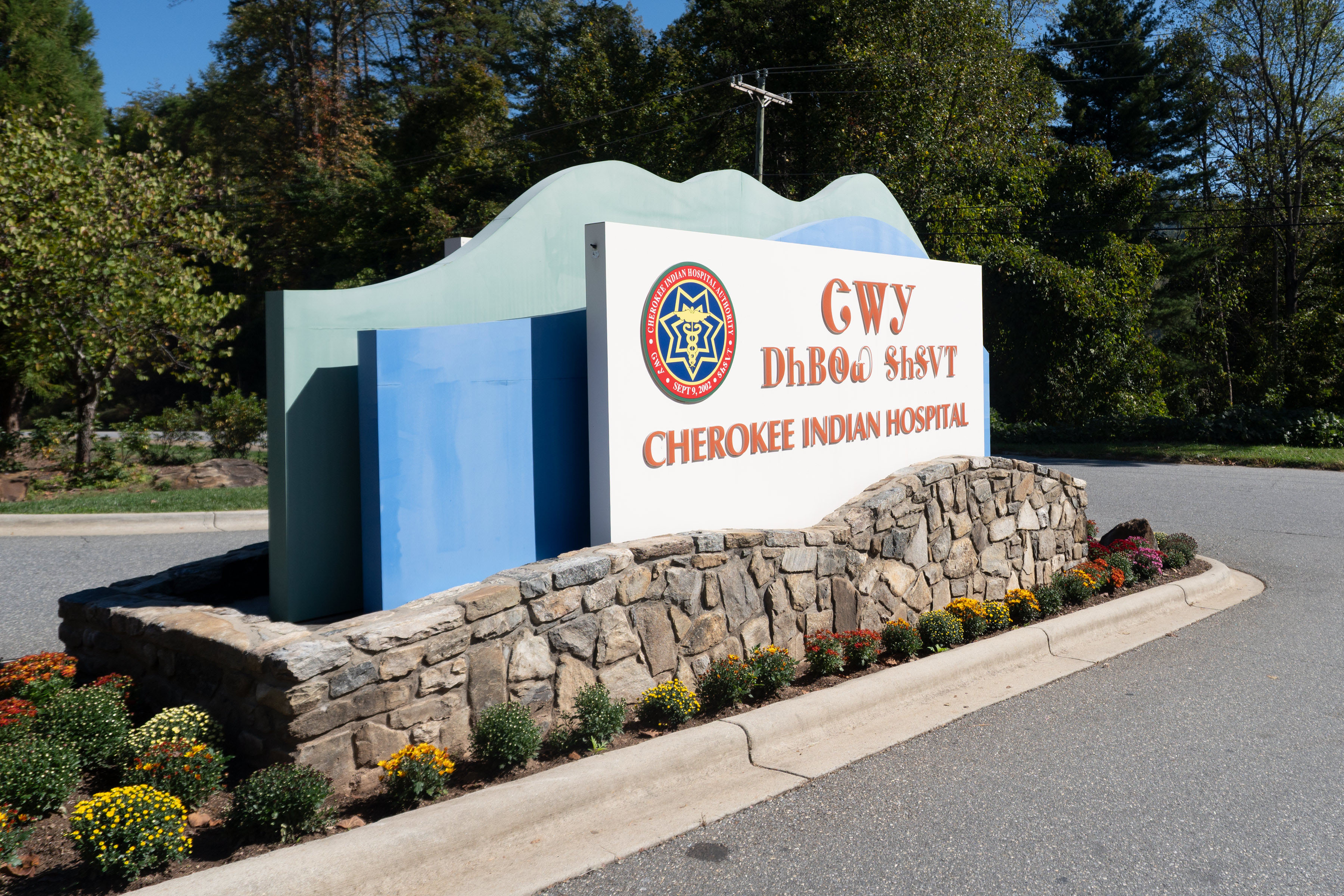
Conversely, integrated models demonstrate the efficacy of close administrative partnerships. Gwynneth Wildcatt, a director with the Cherokee Indian Hospital Authority in North Carolina, emphasized that years of institutional collaboration allowed the Eastern Band of Cherokee Indians to successfully secure exemptions for all qualifying tribal members within their managed-care network.
Broader Implications and Outlook
The implementation of Medicaid work requirements against the backdrop of an incomplete federal exemption framework highlights systemic vulnerabilities in the administration of public health safety nets for minority populations. Without standardized federal mandates enforcing data interoperability and self-attestation, the burden of proof falls disproportionately on individual enrollees—many of whom face literacy, technological, or geographic barriers.
As December approaches, advocacy organizations continue to pressure federal regulators for definitive corrective guidance. In the absence of a unified intervention, the success of the Native American exemption will depend almost entirely on the administrative goodwill and resource allocation of individual state governments, leaving tens of thousands of Indigenous beneficiaries to navigate a high-stakes administrative maze to preserve their healthcare.