Republican Representative Eli Crane Wins Tight Re-Election Victory in Arizona After High-Stakes Rematch Against Democratic Challenger Jonathan Nez


Representative Eli Crane, a Republican combat veteran representing Arizona, has narrowly secured re-election to a second term in the United States House of Representatives following a fiercely contested, high-stakes rematch against Democratic challenger Jonathan Nez. The Associated Press officially projected the victory on Monday, concluding a race that highlighted deep-seated political divisions within the Grand Canyon State and underscored the broader electoral challenges faced by both political parties in pivotal swing districts.
The race in Arizona’s closely watched district culminated in a razor-thin margin of just 3,834 votes separating Crane and Nez at the time of the race call. Despite entering Election Day favored by predictive models—such as the Fox News Power Rankings, which had rated the seat as Likely R—the incumbent Republican found himself locked in an unexpectedly intense battle. As mail-in and provisional ballots continued to be processed across the geographically expansive district, Nez withheld an immediate concession, pointing to the logistical complexities of tabulating votes across vast rural and tribal lands. His campaign noted via social media that ensuring every ballot is accurately counted simply requires time in such a large constituency.
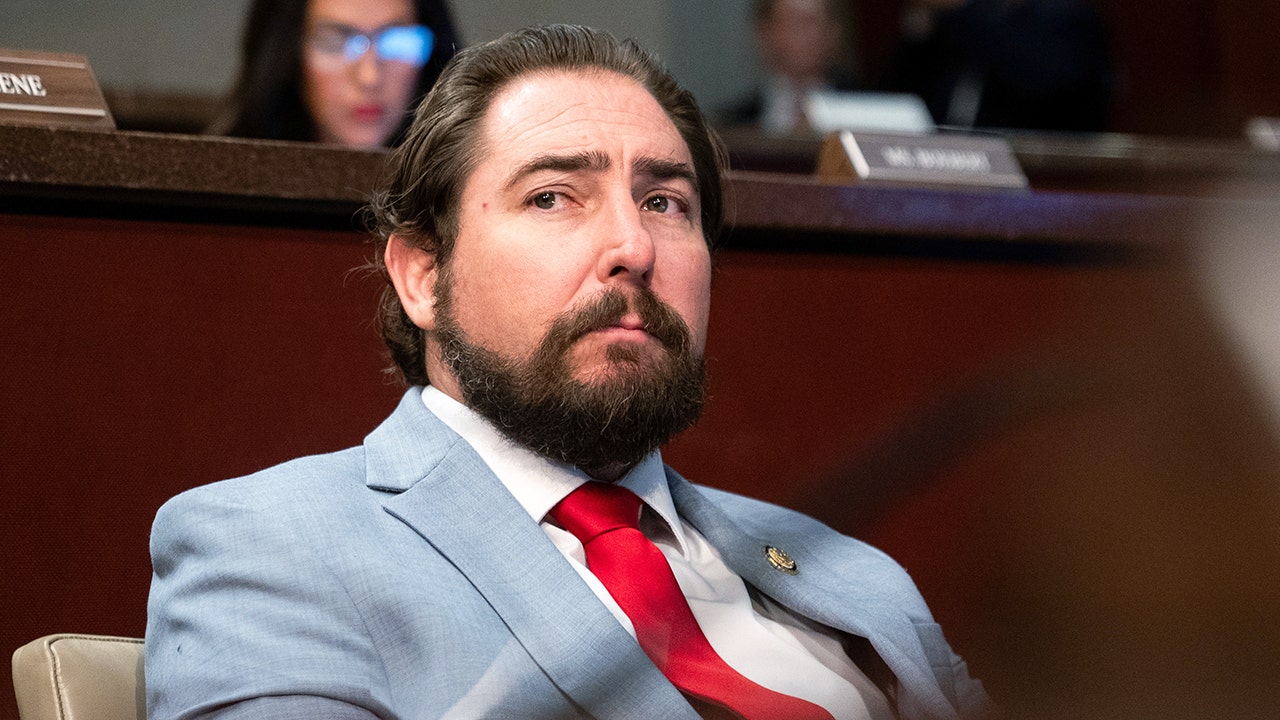
A Chronology of the 2024 and 2026 Rematch
The political rivalry between Crane and Nez is well-established within Arizona politics. The two candidates first faced off in the 2024 general election, where Crane, a former Navy SEAL combat veteran, successfully captured the seat. Nez, a prominent figure in regional politics who previously served as the president of the Navajo Nation, sought redemption in the subsequent cycle, mounting a vigorous challenge that galvanized Democratic voters and positioned the district as a battleground.
Leading up to the final projection, the campaign was characterized by intense mobilization efforts from both camps. Rural Arizonans played a decisive role in the outcome, serving as a core constituency for Crane, who has consistently campaigned on a platform challenging the established political apparatus in Washington, D.C. Following the AP’s race call, Crane took to social media to express gratitude to his supporters and campaign staff, while also acknowledging his opponent’s tenacity in returning to the political arena for a demanding rematch.
"I’m going to keep fighting against the status quo in Congress," Crane wrote in a public statement on X. "Both parties have been driving this country into the ground for decades, and the American people are sick of it."

High-Profile Endorsements and National Resonance
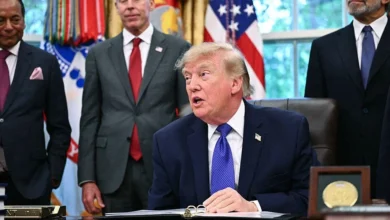
The contest in Arizona’s congressional district attracted significant national attention, drawing direct involvement from high-profile political figures. President Donald Trump threw his weight behind Crane, endorsing the incumbent lawmaker as an "America First Patriot" and praising his military background and legislative record. Trump’s endorsement underscored the alignment between Crane’s legislative priorities—such as government accountability, economic nationalism, and border security—and the core platform of the modern Republican base.
Conversely, President Trump launched sharp criticisms against Nez, labeling him a "Radical Left Democrat" and attacking his policy positions on taxation, energy, and social issues. In statements released during the campaign trail, Trump targeted Nez over federal tax policies, arguing that his platform stood in opposition to proposals aimed at eliminating taxes on tips, overtime wages, and Social Security benefits. Furthermore, the national debate surrounding cultural policies, economic stewardship, and border security heavily influenced the local discourse, transforming a localized congressional race into a proxy battle for broader ideological conflicts playing out nationwide.
Despite the nationalized rhetoric, local issues remained paramount for voters in the district. Throughout their respective campaigns, both candidates addressed critical concerns affecting everyday Arizonans, including the stability of the agricultural economy, water rights in the arid West, healthcare accessibility, and the economic vitality of rural and tribal communities.

Broader Implications and Legislative Outlook
The narrow outcome of Crane’s re-election victory reflects a broader electoral trend observed across the United States, where even traditionally conservative regions have experienced tightening margins and competitive challenges. Political analysts point out that the data from various districts nationwide reveal how shifting demographic patterns and localized voter mobilization can compress historical partisan advantages, creating high-stress environments for incumbents of both parties.
As Crane prepares to assume office for his second term, the legislative landscape on Capitol Hill presents both opportunities and obstacles. New members of Congress arriving in Washington have articulated a wide range of priorities, from re-evaluating federal agricultural policies to enacting stringent measures against political corruption. Crane’s stated commitment to challenging congressional norms suggests he will continue to operate as a vocal conservative voice willing to break with party leadership when he believes the established status quo fails to serve his constituents.
With the electoral chapter now closed, the focus shifts to governance and legislative execution. Crane has vowed to remain a steadfast barrier against policies he argues would steer the nation in the wrong direction, promising his supporters that his second term will be defined by persistent advocacy for fiscal responsibility, national security, and the interests of the working-class families of Arizona. Meanwhile, Nez and his supporters leave behind a formidable campaign footprint that demonstrates the changing political dynamics of the region, ensuring that the district will remain a focal point of strategic interest in future electoral cycles.