High Stakes in the Final Nine Days: Trump, Obama, and Party Heavyweights Make Their Closing Arguments in the 2026 Midterm Elections

With just nine days remaining until the pivotal 2026 midterm elections, the political landscape across the United States has reached a fever pitch. Both major political parties are executing aggressive, high-stakes final pushes to shape the ultimate battle for control of Congress. The outcome of these elections will fundamentally dictate the legislative trajectory of President Donald Trump’s administration during the final two years of his term, setting up a fierce legislative chess match in Washington.
At the center of this electoral whirlwind are the nation’s most recognizable political surrogates. President Donald Trump and Vice President JD Vance are crisscrossing the country to rally the Republican base, focusing heavily on economic grievances and national security. Meanwhile, Democrats are deploying their own formidable heavyweights, including former President Barack Obama and former Vice President Kamala Harris, who are campaigning tirelessly in competitive districts and critical Senate battlegrounds to safeguard their party’s legislative standing.
The Campaign Map and Strategic Footprint
An analysis of campaign travel maps this October highlights the distinct strategies employed by both parties as they narrow their focus down to the wire. The geographic footprints of these high-profile visits reveal where both campaigns believe the margin of victory lies, illuminating a mix of deep-red strongholds and fiercely contested purple states.
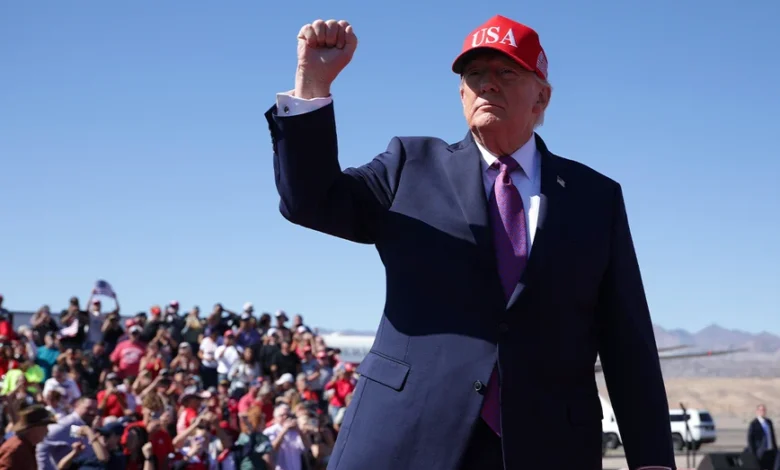
President Trump’s itinerary spans coast-to-coast, touching down in states as diverse as Texas, Oklahoma, Ohio, Georgia, Florida, and Michigan. True to his aggressive declaration in early October that he planned to hold between five and seven rallies a week, the president’s weekend schedule was packed. He campaigned in Florida on Friday, transitioned to Georgia on Saturday, and rallied thousands in Michigan by Sunday.
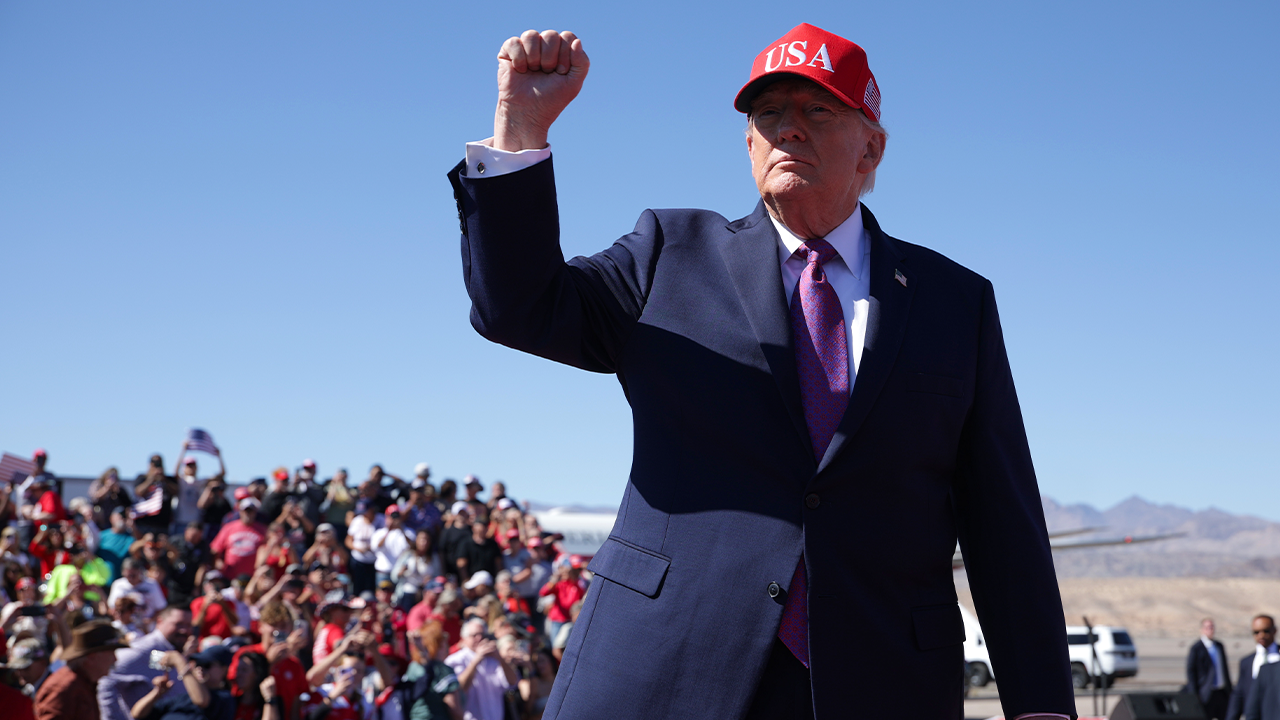
These stops serve a dual purpose. In reliably Republican states like Oklahoma and Alabama, rallies are designed to maximize voter turnout and energize the core GOP base, ensuring robust participation in down-ballot races. Conversely, in competitive arenas like Ohio, Texas, and Iowa—where recent Cook Political Report polling has indicated that Democratic candidates are maintaining narrow leads in high-stakes Senate contests—Trump’s presence is intended to galvanize conservative momentum and shift late-deciding voters into the Republican column.
On the opposing side, the Democratic strategy mirrors this intense focus on high-stakes geographical sectors. Former President Barack Obama has concentrated his recent efforts on pivotal industrial Midwestern states like Ohio and Michigan, aiming to mobilize working-class voters and urban coalitions. Meanwhile, former Vice President Kamala Harris has maintained a rigorous schedule, anchoring her recent appearances in western and southern battlegrounds such as Nevada, Mississippi, and New Hampshire. While campaign travel maps do not represent a formal ranking of battlegrounds, they offer an undeniable snapshot of where both political machines are expending their final resources to motivate the electorate before polls close on November 3.
Economic Anxieties Take Center Stage
Underpinning the final week of campaigning is a relentless national focus on the economy. High consumer prices and persistent inflationary pressures have thrust the administration’s economic policies into the fierce national spotlight. For Republicans, the messaging centers squarely on the cost of living, framing the upcoming midterms as a referendum on household financial burdens. GOP leadership argues that voters are feeling the pinch of rising expenses at the grocery store and the gas pump, using these economic headwinds to build a powerful narrative for congressional change.
Republicans have recently rolled out a comprehensive new legislative playbook aimed at addressing these exact concerns. The strategy highlights supply-chain resilience, targeted tax relief, and deregulation as primary tools to foster job growth and stabilize consumer costs. By tying local congressional races directly to national economic performance, the GOP hopes to convince voters that divided government is the necessary remedy to curb federal spending and lower everyday expenses.
Conversely, Democrats are countering this narrative by emphasizing investments in domestic manufacturing, healthcare protections, and infrastructure development. Democratic surrogates like Obama and Harris have traveled the country arguing that Republican policies would dismantle social safety nets and benefit corporate interests at the expense of middle-class families. This ideological clash over the direction of the American economy has created a polarized environment where independent and undecided voters hold the ultimate balance of power.
A Chronology of the 2026 Midterm Cycle
The road to the 2026 midterms has been characterized by shifting momentum, legislative stalemates in Washington, and an extraordinarily expensive media cycle.
- Early 2026: As the legislative year commenced, both parties recognized that the midterm elections would serve as a crucial referendum on the first two years of President Trump’s second term. Control of the House of Representatives and a narrow Senate majority hung in a delicate balance.
- Spring and Summer 2026: Primary elections across the country finalized the candidate slates, frequently elevating populist conservative challengers on the right and energized progressive or establishment Democrats on the left. Legislative battles over federal spending bills and tax policy dominated the headlines in Washington.
- Early September 2026: Labor Day traditionally marks the unofficial kickoff of the general election sprint. Polling at this stage indicated a highly competitive generic ballot, with both parties possessing viable paths to capturing majorities in Congress.
- Early October 2026: President Trump signaled the intensification of his campaign schedule, committing to a relentless pace of five to seven rallies per week. Concurrently, national economic indicators kept cost-of-living concerns at the forefront of voter consciousness, prompting an influx of independent political expenditures.
- The Final Fortnight (Late October): High-profile surrogates stepped up their travel schedules. Former President Obama, former Vice President Harris, and Vice President JD Vance saturated media markets and swing states. Polling showed razor-thin margins in critical Senate races across Ohio, Texas, Iowa, and Michigan.
- Present Day (Nine Days Out): Campaigns have transitioned into a hyper-focused Ground Game phase. Door-to-door canvassing, digital ad blitzes, and early voting turnouts are being meticulously analyzed by party data teams as the clock ticks down to November 3.
Broader Impact and Systemic Implications
The ramifications of the 2026 midterm elections extend far beyond the arithmetic of congressional seat counts. For the executive branch, a loss of either the House or the Senate would drastically alter the legislative landscape for the remainder of President Trump’s term. A shift in congressional control would empower opposition lawmakers to launch aggressive oversight investigations, stall judicial and administrative nominations, and stymie the White House’s domestic policy agenda. Conversely, a successful defense or expansion of Republican majorities would validate the administration’s current trajectory, clearing a legislative runway for further tax cuts, immigration enforcement measures, and regulatory overhauls.
Political analysts note that midterm elections historically favor the party out of power, making the current resilience of the GOP’s campaign efforts particularly notable. However, unprecedented levels of early voting, dynamic demographic shifts in suburban and rural districts, and localized issues—such as reproductive rights, energy policy, and local economic disparities—introduce a high degree of volatility into predictive models.
As the calendar pages turn toward November 3, the final nine days will be defined by ground-level execution. Millions of dollars in campaign war chests are being deployed for last-minute television ads, digital campaigns, and targeted voter turnout operations. With the political future of Capitol Hill hanging in the balance, both parties recognize that every single vote will matter in determining which vision of governance will prevail for the remainder of the decade.