The Battle for Senate Control: Key Races and Shifting Dynamics Ahead of the 2026 Midterms

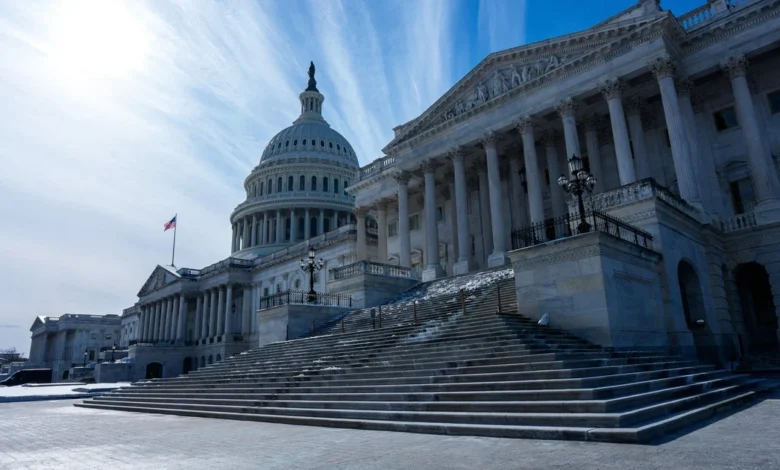
Washington – With over a third of the Senate’s seats slated for election in 2026, the political landscape is experiencing a significant shift, challenging earlier Republican confidence regarding their prospects of retaining control of the upper chamber. While the GOP currently holds a 53-seat majority and faces the task of defending more seats, many of these are situated in states where former President Trump secured comfortable victories in the 2024 election. This demographic reality initially presented a formidable challenge for Democrats, who had fewer obvious opportunities for pickups and a handful of open seats to defend. However, evolving national sentiment, particularly concerning an unpopular war with Iran and persistent domestic affordability issues, has injected a renewed sense of optimism into Democratic aspirations, fueling hopes of flipping key seats and potentially seizing control of the Senate. This evolving sentiment is underscored by recent CBS polling, which indicated a preference among more voters for Democratic control of Congress.
Conventional political wisdom often dictates that the party occupying the White House tends to lose seats in the House during midterm elections. In this context, Republicans are intensely focused on preserving their Senate majority to avert the possibility of Democrats achieving majorities in both houses of Congress. For Democrats to claim the majority, they must achieve a net gain of four seats, a challenging but increasingly plausible scenario given the current political currents. The 2026 cycle is shaping up to be a high-stakes contest, with both parties pouring resources into critical battleground states.
National Political Climate and Strategic Imperatives
The 2026 midterm elections are set against a backdrop of significant national and international challenges. The ongoing conflict with Iran, perceived by a considerable segment of the electorate as unpopular, has begun to erode public trust and approval for the incumbent administration, traditionally impacting the party in power. Simultaneously, persistent economic pressures, particularly stubborn inflation and affordability concerns impacting everyday Americans, are central to voter anxieties. Democratic strategists are keen to capitalize on these issues, framing them as failures of Republican governance or highlighting their own proposed solutions. Republican campaigns, conversely, are expected to pivot towards issues of national security, fiscal responsibility, and local concerns, while also emphasizing the records of their incumbents or the conservative bona fides of their challengers. The Senate Leadership Fund, a prominent GOP super PAC, has already announced substantial advertising investments across key races, signaling the party’s commitment to defending its majority. Similarly, the Democratic Senatorial Campaign Committee (DSCC) and allied groups are expected to launch aggressive counter-campaigns, leveraging the national mood and highlighting perceived vulnerabilities of Republican candidates.
Key Battleground Races Defining the Path to Senate Control
The control of the Senate will ultimately be decided by a handful of fiercely contested races across the nation. Each state presents a unique blend of demographic trends, local issues, and candidate dynamics that will shape the outcome.
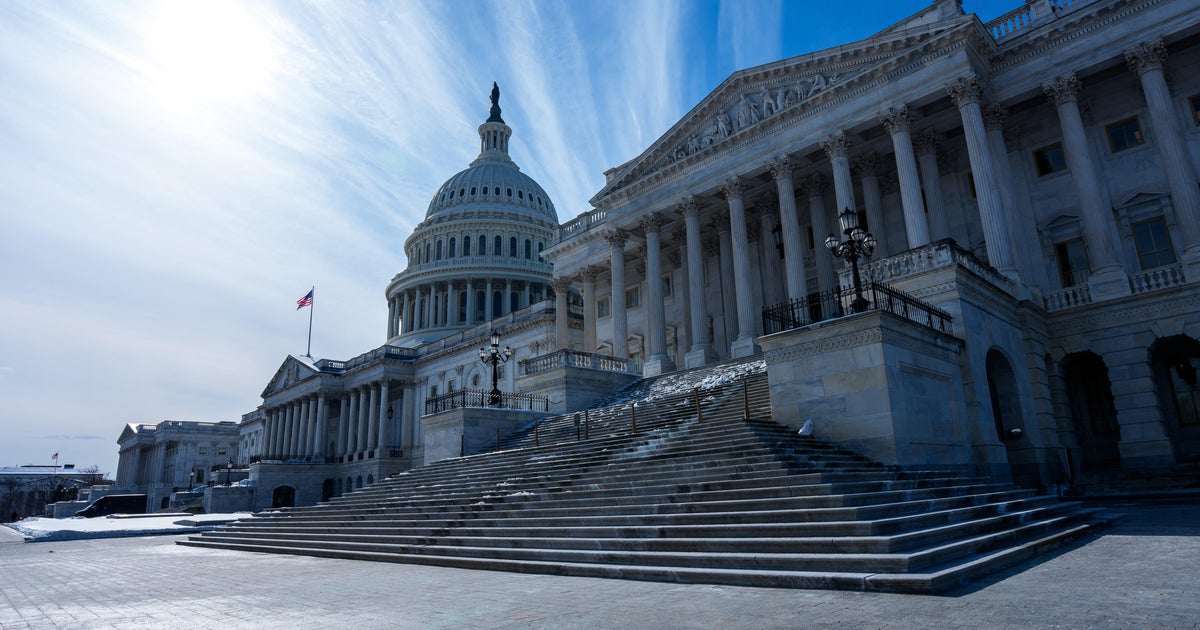
Maine: A Progressive Challenge to an Independent Republican Icon
In Maine, five-term Republican Senator Susan Collins faces what is arguably her toughest reelection battle yet. Known for her independent streak and often crossing party lines, Collins has successfully navigated previous challenges in a state that has become increasingly Democratic in presidential elections. The fact that Kamala Harris carried Maine by nearly seven points in 2024 underscores the uphill climb for any Republican in a statewide contest. Collins, a formidable figure who chairs the powerful Senate Appropriations Committee, commands respect across the aisle, yet her moderate stance has also drawn criticism from elements within her own party, including former President Trump. Despite this, Senate GOP leaders and the Senate Leadership Fund have unequivocally backed her, with the latter committing a significant $42 million in advertising reservations to bolster her campaign.
The Democratic primary, scheduled for June 9, features a compelling intra-party contest. Governor Janet Mills, 78, a seasoned political veteran, entered the race at the strong urging of Democratic Party leadership, offering an experienced, establishment-backed option. Opposing her is Graham Platner, a 41-year-old veteran and oyster farmer who has positioned himself as an anti-establishment progressive. Platner has garnered high-profile endorsements from progressive stalwarts like Senators Bernie Sanders and Elizabeth Warren, energizing a segment of the Democratic base. Recent polls from Emerson College and the University of New Hampshire have shown Platner leading Mills by significant margins, indicating a strong appetite for his progressive message. This primary outcome will largely dictate the general election dynamics, with Platner potentially mobilizing a more energized progressive base but facing questions about broader appeal, while Mills would offer a more traditional, centrist Democratic challenge. The Cook Political Report currently rates this race as a toss-up, highlighting its critical importance.
Michigan: Open Seat Ignites Intense Primary Over Geopolitical Divides
The decision by Senator Gary Peters not to seek re-election has opened up a highly competitive Democratic primary in Michigan, a perennial swing state. The August 4 primary has become particularly contentious, marked by intense intra-party fighting. Representative Haley Stevens, State Senator Mallory McMorrow, and former Michigan health official Abdul El-Sayed are vying for the nomination. A defining feature of this primary is the U.S. relationship with Israel and the war in Gaza, an issue resonating profoundly in Michigan due to its substantial Arab American population, the largest concentration in the nation. Candidates are carefully navigating this sensitive topic, with their stances potentially swaying large blocs of voters.
On the Republican side, former GOP Representative Mike Rogers is launching his second bid for a Michigan Senate seat, having previously lost to Senator Elissa Slotkin. Rogers, a well-known figure in state politics, aims to leverage his prior experience and national security background. The Senate Leadership Fund has announced a substantial $45 million investment in this race, recognizing Michigan’s crucial role in the national calculus. Without the advantage of an incumbent, and given the state’s recent history of flipping between Democratic and Republican presidential support, Michigan remains one of the most vulnerable seats for Democrats. The Cook Political Report also rates this race as a toss-up, underscoring its unpredictability and high stakes.
Ohio: Sherrod Brown’s Comeback Bid in a Shifting Buckeye State
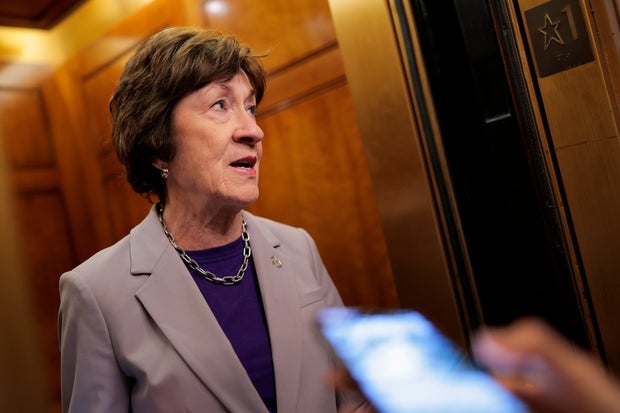
Former Democratic Senator Sherrod Brown’s determined comeback bid has transformed the Ohio Senate race into a highly competitive contest, despite the Buckeye State’s pronounced rightward shift in recent years. Brown, who represented Ohio for three terms, narrowly lost his seat to GOP Senator Bernie Moreno in 2024 by less than four points, even as former President Trump carried the state by over 10 percentage points. This demonstrated Brown’s unique ability to outperform national trends, largely attributed to his strong working-class brand and consistent focus on economic populism. Democrats view his candidacy as a prime opportunity for a pickup, especially given the anticipated midterm dynamics that often favor the party out of power in the White House.
Defending the seat is Senator John Husted, who was appointed to fill the vacancy created when Vice President J.D. Vance ascended to the executive branch last year. Husted, a former Ohio Lieutenant Governor, brings a strong conservative record and extensive statewide political experience. Ohio’s 2024 Senate race was among the most expensive of that cycle, and the 2026 contest is shaping up to be equally, if not more, costly. The Senate Leadership Fund has made its largest ad reservation here, committing a staggering $79 million, signaling the GOP’s resolve to hold this seat. The Cook Political Report recognized the tightening nature of the race by shifting its rating from leaning Republican to a toss-up in April, reflecting the renewed Democratic optimism surrounding Brown’s candidacy.
Alaska: Sullivan Defends Against a Resurgent Peltola
In Alaska, Republican Senator Dan Sullivan is defending his seat against a formidable challenge from former Representative Mary Peltola. Peltola made history in 2022 as the first Democrat in 50 years and the first Alaska Native to represent the state in the House. Although she ultimately lost her reelection bid for Alaska’s sole House seat in 2024, her performance was noteworthy; she lost by less than three points in a state that former President Trump won by 13 points. This ability to significantly outperform the presidential ticket has buoyed Democratic hopes, who believe that midterm dynamics, traditionally favoring the party opposing the White House, could help her flip the Senate seat.
Senator Sullivan, a two-term Republican, won his last reelection by a comfortable margin, underscoring his incumbency advantage and deep ties to the state. The Senate Leadership Fund has announced a $15 million investment in advertising to support Sullivan, recognizing the potential threat posed by Peltola. Despite Democratic optimism, flipping a Senate seat in solidly red Alaska remains an uphill battle. The Cook Political Report currently rates this race as leaning Republican, indicating that while it’s competitive, Sullivan retains an advantage.
Georgia: Ossoff’s Reelection Bid Amidst a Shifting Political Landscape
Democratic Senator Jon Ossoff is uniquely positioned as the only Democrat seeking reelection in a state that former President Trump won in 2024, making his race a prime target for Republicans eager to reclaim the chamber. Ossoff, 39, rose to national prominence in early 2021, securing one of two pivotal runoff victories in Georgia that handed Democrats control of the Senate. However, the state’s political pendulum swung back in 2024, backing Trump after having supported Joe Biden in 2020. This dynamic initially placed Ossoff as the most vulnerable Democratic incumbent heading into the midterm year.
However, recent developments have seemingly improved Ossoff’s outlook. The results of a special election in Georgia in April, which saw a Democratic victory in a competitive district, alongside what promises to be a prolonged and potentially bruising GOP primary, have given Democrats cause for cautious optimism. The Cook Political Report notably shifted its rating for the race from a toss-up to leaning Democrat in April, reflecting this improved picture. The Republican primary, set for May 19, features Representatives Mike Collins and Buddy Carter, along with former college football coach Derek Dooley. Dooley has secured the endorsement of Georgia Governor Brian Kemp, but former President Trump has yet to weigh in, leaving the primary a wide-open contest. If no candidate reaches 50%, the primary will proceed to a runoff in June, further delaying the eventual Republican nominee’s pivot to the general election. The Senate Leadership Fund has already announced a significant $44 million advertising investment in the race, underscoring its importance to the GOP.
New Hampshire: Open Seat Sparks Comeback Bids
Another Democratic retirement, this time by Senator Jeanne Shaheen in New Hampshire, has created a highly competitive open-seat race. Shaheen has endorsed Representative Chris Pappas, who has represented New Hampshire in the House since 2019, as her successor. Pappas brings a record of congressional experience and a moderate appeal that could resonate with New Hampshire’s independent-minded voters.
On the Republican side, the race features two former senators attempting political comebacks. John Sununu, who was previously ousted by Shaheen, is mounting a bid to reclaim his former seat. Joining him is Scott Brown, who represented Massachusetts in the Senate from 2010 to 2013 before moving to New Hampshire and falling short in a 2014 Senate bid against Shaheen. The September 8 primary promises to be a compelling contest between these two experienced Republicans. The Senate Leadership Fund has announced a $17 million investment in the race and has notably backed Sununu. Despite Republicans controlling the governor’s mansion since 2017, New Hampshire has not elected a Republican to Congress since 2015, and the state has not supported a Republican presidential candidate since 2000. These historical trends provide a challenging backdrop for the GOP. The Cook Political Report rates this race as leaning Democrat, reflecting the state’s recent electoral history.
North Carolina: Democrats Eye a High-Profile Pickup
Senator Thom Tillis’s retirement has teed up a major contest in North Carolina, where Democrats see one of their most promising opportunities to flip a Senate seat this cycle. North Carolina has not elected a Democratic senator since 2008, making this a long-sought prize for the party. Democrats are pinning their hopes on former Governor Roy Cooper, a highly popular figure with a strong record as a two-term governor and the longest-serving state attorney general in North Carolina’s history. Cooper’s proven statewide appeal and fundraising prowess make him a top-tier recruit. The Cook Political Report recognized the strength of Cooper’s candidacy by moving its rating for the race from a toss-up to leaning Democrat in April.
Challenging Cooper is former Republican National Committee Chairman Michael Whatley. While Whatley has never run for public office before, he played a key role in former President Trump’s reelection efforts and has secured the former president’s endorsement. Republicans are planning to spend heavily to defend this seat, with the Senate Leadership Fund announcing a substantial $71 million advertising investment. This race is expected to be one of the most expensive and closely watched contests of the 2026 cycle, with both parties recognizing its critical importance to Senate control.
Iowa: A Longshot Democratic Bid Amidst Farm Belt Politics
In Iowa, Republicans are defending an open seat following Senator Joni Ernst’s decision not to seek reelection. The GOP quickly consolidated behind Representative Ashley Hinson, who has represented Iowa in the House since 2021. Hinson, a rising star in the party, is expected to be a strong candidate. The Senate Leadership Fund has announced a $29 million investment in advertising reservations for this race, demonstrating the party’s commitment to holding it.
On the Democratic side, State Senator Zach Wahls and State Representative Josh Turek are vying for the nomination in the June 2 primary. However, the Democratic nominee faces a steep uphill battle in a state that has not elected a Democrat to the Senate since 2008 and which former President Trump carried by more than 13 points in 2024. Despite these challenging demographics, Democrats see a potential opening. Opposition to Trump’s tariff policies in the agriculture-heavy state could play in their favor, as could the momentum of figures like Auditor Rob Sand, who has shown strong appeal in statewide races. While considered a longshot, the Cook Political Report rates this race as likely Republican, indicating a Republican advantage but acknowledging some potential for a competitive contest.
Nebraska: An Independent Challenge to a Republican Incumbent
Nebraska, a solidly red state, is witnessing a second attempt by independent candidate Dan Osborn to unseat a Republican incumbent. Osborn’s long-shot bid in 2024 against GOP Senator Deb Fischer ended in a closer-than-expected race, where he lost by seven points. This year, the union leader is challenging GOP Senator Pete Ricketts. Ricketts, the former Nebraska Governor, was appointed to the Senate in 2023 to fill the vacancy left by retiring Senator Ben Sasse. Ricketts, one of the wealthiest members of Congress, easily won his special election bid last year to serve out the remainder of Sasse’s term.
While Nebraska remains a reliably Republican state, it also boasts a significant proportion of nonpartisan voters. If a strong Democratic candidate does not draw votes away from Osborn, his independent appeal could potentially put the race within striking distance. This dynamic of a strong independent candidate in a deep-red state is a unique feature of the 2026 cycle. The Cook Political Report acknowledged this unusual competitiveness by shifting its rating in April from solid Republican to likely Republican.
Texas: A Bitter GOP Primary and Enduring Democratic Aspirations
The Texas Senate race has been thrust into the national spotlight by a bitter Republican primary that has yet to be resolved. Four-term Senator John Cornyn is fighting to retain his seat and is headed for a May 26 runoff against Texas Attorney General Ken Paxton, after neither candidate secured 50% of the vote in the March 3 primary. The protracted primary battle, marked by intense infighting, has been further complicated by former President Trump’s surprising decision to refrain from endorsing a candidate, despite earlier commitments to weigh in and resolve the GOP’s internal divisions.
This runoff delays the eventual Republican nominee from fully focusing on the general election, where they will face Texas State Representative James Talarico. Talarico, a moderate Democratic nominee, represents his party’s long-standing dream of flipping a Senate seat in Texas, a goal that has remained elusive since 1988. While Senate GOP leaders have consistently backed Cornyn, the Senate Leadership Fund has yet to announce an advertising investment in the state, potentially waiting for the primary outcome. The Cook Political Report rates this race as likely Republican, indicating that while Democrats face an uphill battle, the internal GOP strife could provide a narrow window of opportunity.
Minnesota: Immigration Crackdown Looms Over Democratic Primary
In Minnesota, Senator Tina Smith’s decision not to seek reelection has opened up a competitive Democratic primary. Representative Angie Craig and Minnesota Lieutenant Governor Peggy Flanagan are vying for the nomination in the August 11 primary. While party leaders have largely coalesced behind Craig, prominent progressive voices have endorsed Flanagan, setting up a contest between the party’s moderate and progressive wings.
On the Republican side, a diverse field of candidates is competing for the nomination, including Michele Tafoya, a former sports broadcaster; former Minnesota State Senator David Hann; former NBA player Royce White; and Adam Schwarze, a retired Navy SEAL. Minnesota has not elected a Republican to the Senate since 2002, nor has the GOP carried the state in a presidential election since the 1970s, making it a challenging state for Republican aspirations. A critical local issue that will almost certainly be front of mind for voters heading into the midterms is the deadly shootings of Renee Good and Alex Pretti by federal agents in Minneapolis during an immigration crackdown in January. This incident is expected to fuel discussions around immigration policy, law enforcement, and federal overreach, potentially impacting voter sentiment. The Cook Political Report rates this race as likely Democrat, reflecting the state’s strong Democratic leanings.
Conclusion: A High-Stakes Cycle with Shifting Fortunes
The 2026 Senate elections are poised to be a pivotal moment in American politics. The initial Republican confidence has been tempered by national political currents, including public fatigue with the war in Iran and ongoing economic anxieties. Democrats, once facing an uphill battle, now see a clearer path to challenging the GOP’s majority, needing a net gain of four seats. The intense primary battles, massive super PAC investments, and the unique political dynamics within each battleground state underscore the high stakes involved. As campaigns intensify and national issues continue to evolve, the races in Maine, Michigan, Ohio, Alaska, Georgia, New Hampshire, North Carolina, Iowa, Nebraska, Minnesota, and Texas will undoubtedly determine the balance of power in the U.S. Senate and significantly shape the legislative agenda for the latter half of the decade.