The 17th Epson International Pano Awards Announce Winners and Showcases Breathtaking Panoramic Photography From Around the Globe

When standard photographic framing is restricted to a traditional 3:2 or 4:3 aspect ratio, capturing the true magnitude of expansive natural landscapes, towering urban environments, and sweeping night skies can become an exercise in compromise. Panoramic photography bridges this gap, allowing artists to preserve the vast scope of human and natural geography in a single frame. To honor this unique discipline, the Epson International Pano Awards—widely recognized as the world’s largest competition dedicated to panoramic photography—has officially announced the stunning winners of its 17th annual cycle, drawing thousands of submissions from every corner of the planet.
This year’s edition of the prestigious international competition received an overwhelming response, collecting a staggering 4,084 entries submitted by 934 professional and amateur photographers hailing from 93 different countries. From the glacial expanses of Antarctica and the remote, snow-draped volcanic peaks of South America to the neon-drenched arteries of modern megacities, the winning images underscore both technical mastery and a profound artistic appreciation for scale.
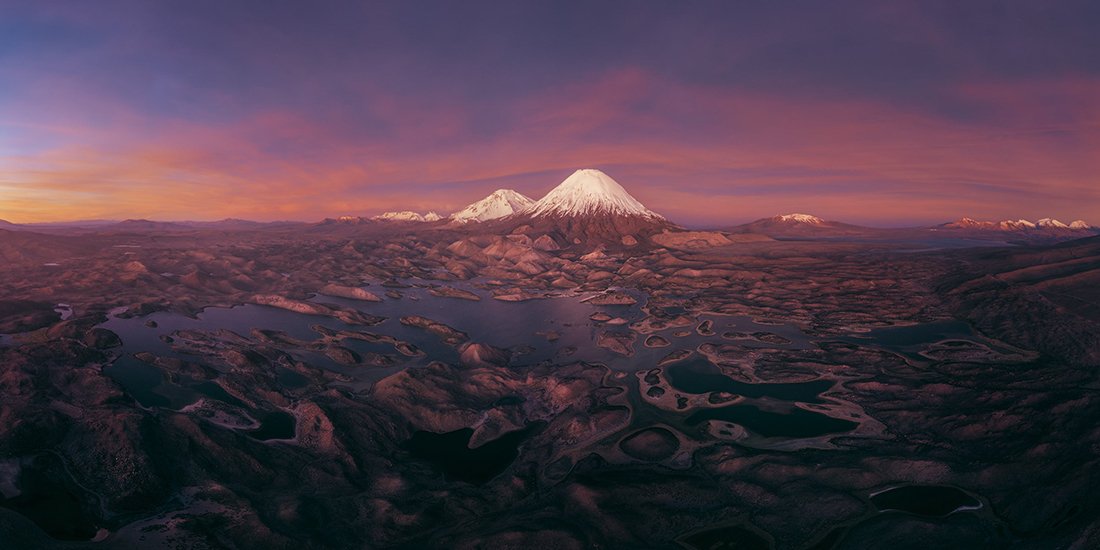
Taking home the highest accolade of the competition—Open Photographer of the Year—was Spanish landscape and aerial photographer Daniel Viñé Garcia. His winning portfolio, anchored by a breathtaking 360-degree aerial panorama titled The Sleeping Giant, captured the majestic Parinacota Volcano in northern Chile.
The Genesis and Rigors of Capturing The Sleeping Giant
The journey to producing an award-winning panoramic image requires far more than simply pressing a shutter button; it demands physical endurance, precise planning, and deep technical execution. For Daniel Viñé Garcia, capturing the essence of Parinacota was the culmination of meticulous logistical preparation in one of the harshest environments on Earth.
Rising more than 6,300 meters above sea level in the high-altitude Andean plateau, the Parinacota Volcano features a near-perfect symmetry that immediately evokes comparisons to Japan’s iconic Mount Fuji. Standing directly beside its neighbor, the Pomerape stratovolcano, the twin peaks form one of the most visually formidable landscapes in South America.
To secure the ideal atmospheric conditions, Garcia committed to an intense acclimatization regimen before ascending. He ultimately spent three grueling days and nights camped at approximately 4,500 meters above sea level.
The final image, which also clinched the Open Aerial category and the RAW Planet Award, was not a single exposure, but a complex composite. The original capture relied on a 360-degree aerial panorama meticulously stitched together from 33 individual high-resolution exposures. Garcia explained that the decisive moment occurred during the final stages of a high-altitude sunset. As the last direct rays of daylight faded, the landscape was enveloped in a rare and ethereal wash of magenta tones, casting a specialized atmospheric glow across the dormant volcanic cones and the mineral-rich high-altitude lakes below. Post-production involved refining the framing from the expansive 360-degree base to concentrate the viewer’s focus directly on the monumental scale of the volcanoes, the shifting light, and the organic contours of the Altiplano.
Global Triumphs Across Open Categories
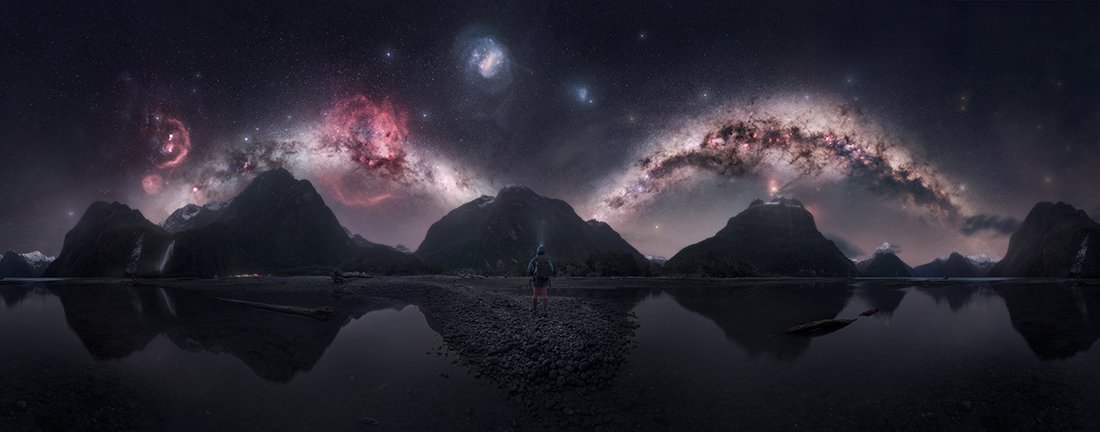
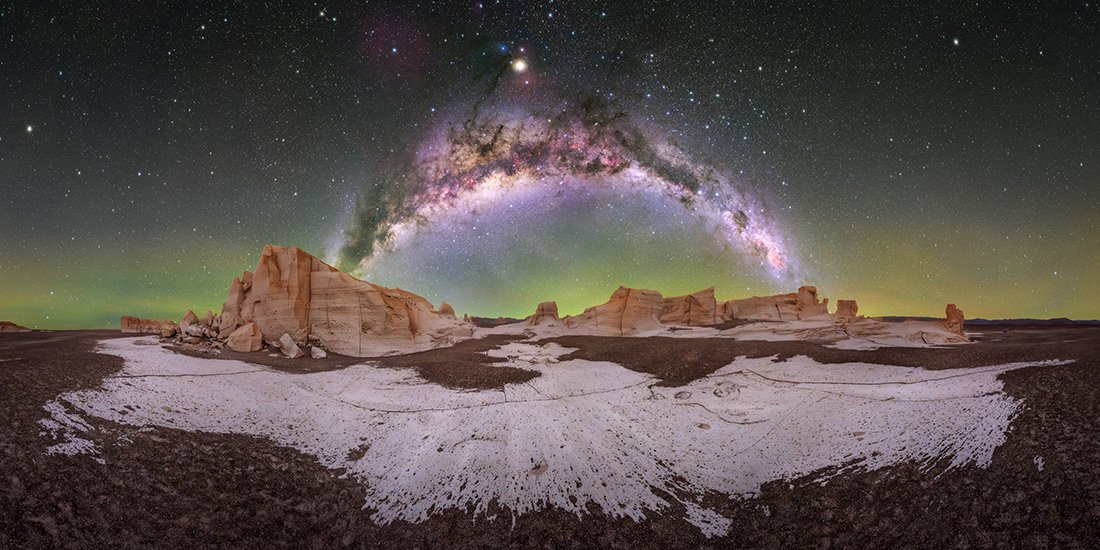
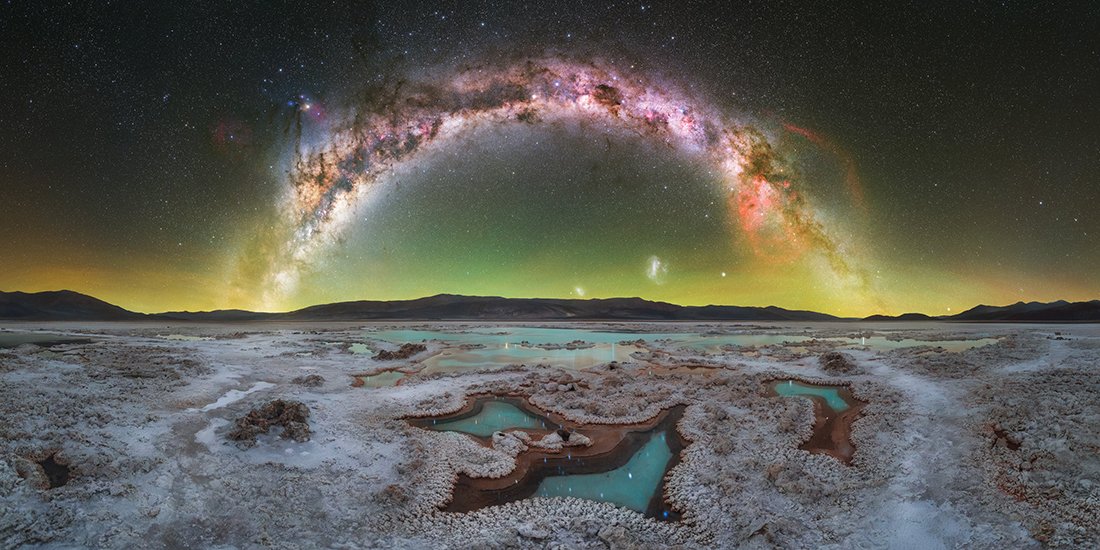
While Garcia dominated the overall competition, other category winners demonstrated the diverse artistic expressions made possible through panoramic techniques. In the Open Nature and Landscape category, New Zealand-based photographer Mikel Iraeta captured top honors with Double Arch Over Milford Sound, showcasing the brilliant arch of the Milky Way stretching dynamically above the dramatic, fiord-carved topography of New Zealand’s South Island.
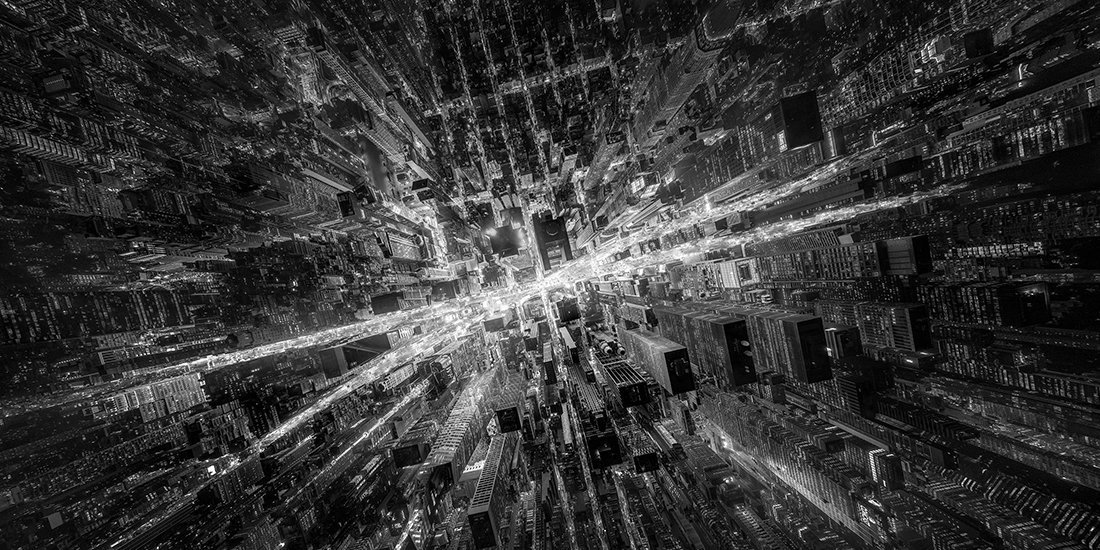
In the urban sector, the Open Built Environment category was conquered by Xuecheng Liu with an entrancing, high-angle architectural composition titled Center of the Cosmos, captured in the densely packed grid system of New York City. Liu’s work highlighted how panoramic verticality can transform familiar urban landscapes into abstract geometries of light, concrete, and human infrastructure.
Amateur Excellence and International Distinction
The Epson International Pano Awards place an equal emphasis on emerging talent, providing amateur photographers a global platform to showcase their dedication to the craft. This year, the title of Amateur Photographer of the Year was awarded to Tomás Sánchez Ruiz, whose portfolio demonstrated exceptional technical competence in both natural and architectural settings.
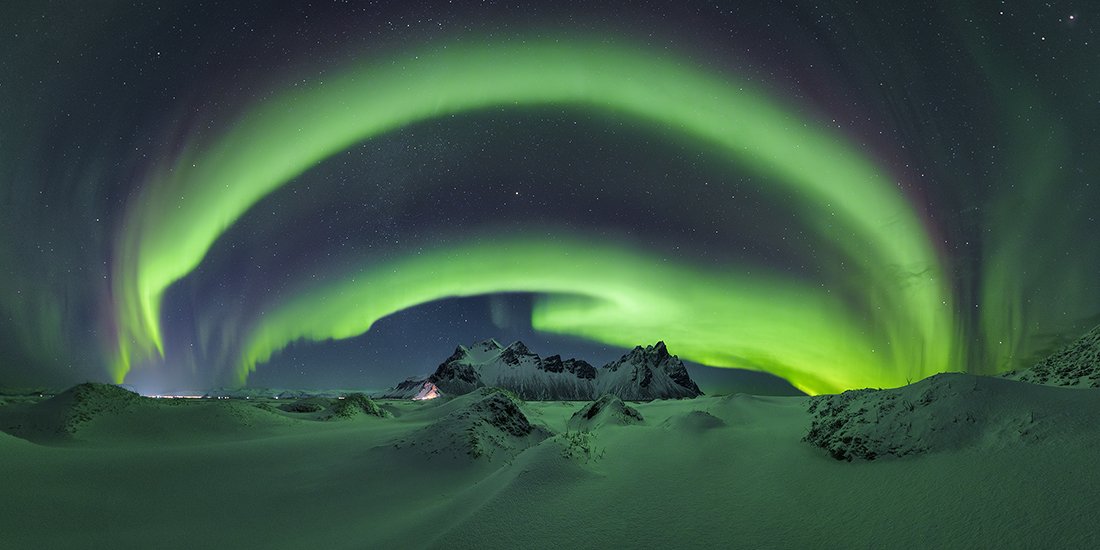
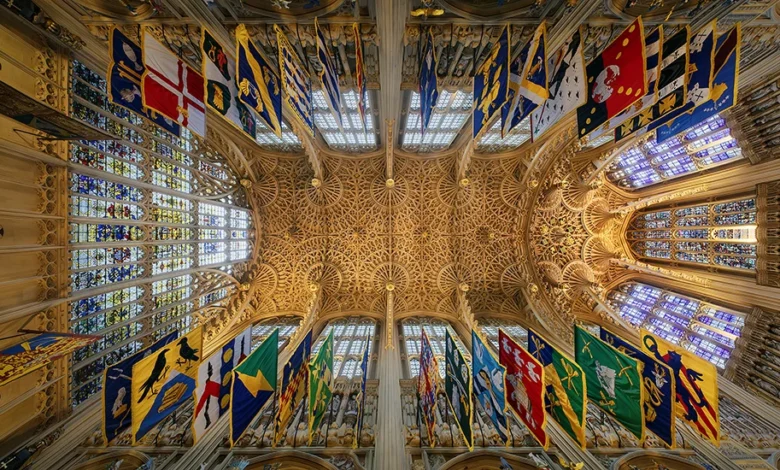
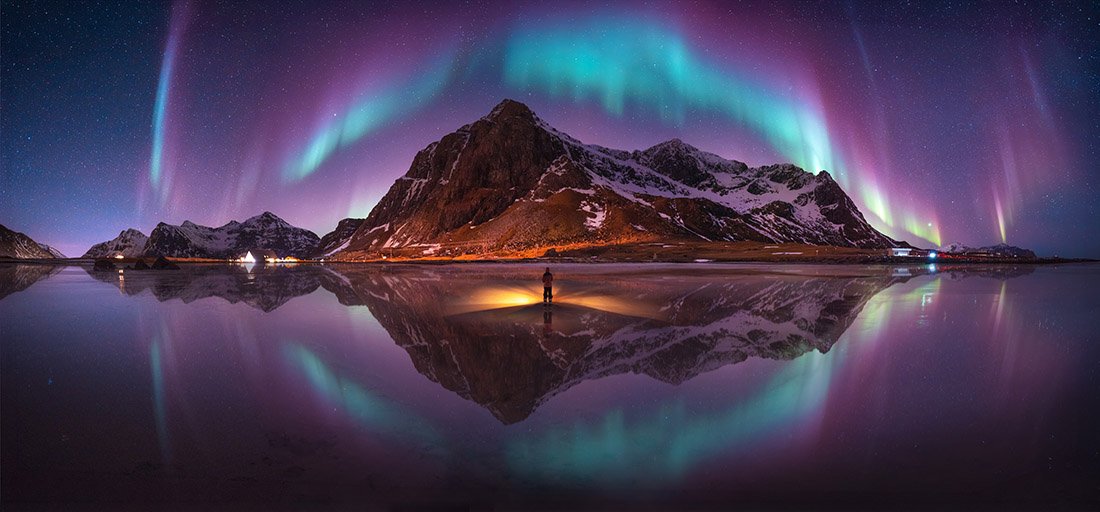
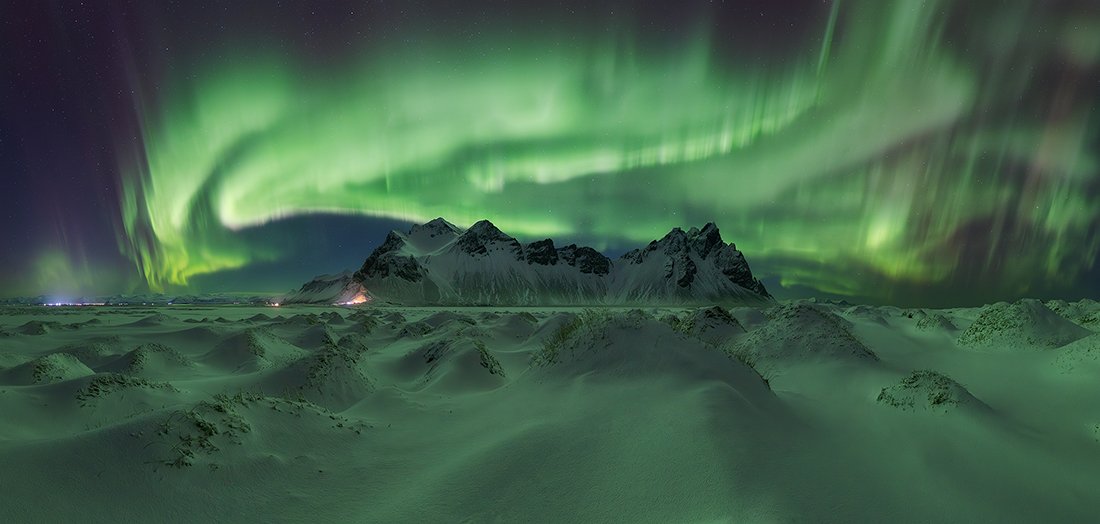
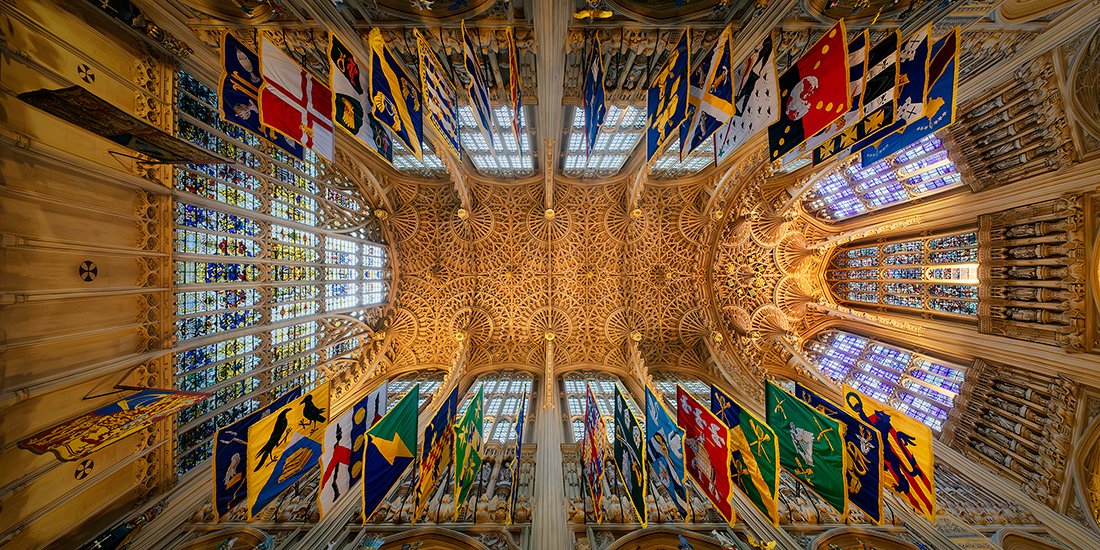
Sánchez Ruiz secured the Amateur Nature and Landscape victory with Double Arch Over Stokksnes, a mesmerizing composition captured at Vestrahorn Beach in Iceland. The image features a vibrant, swirling green aurora borealis looping across the night sky, its celestial light mirrored perfectly in the wet, black-sand shallows below the jagged mountain backdrop. Demonstrating his versatility, Sánchez Ruiz also claimed top marks in the Amateur Built Environment category with a striking, symmetrical interior panorama of London’s historic Westminster Abbey.
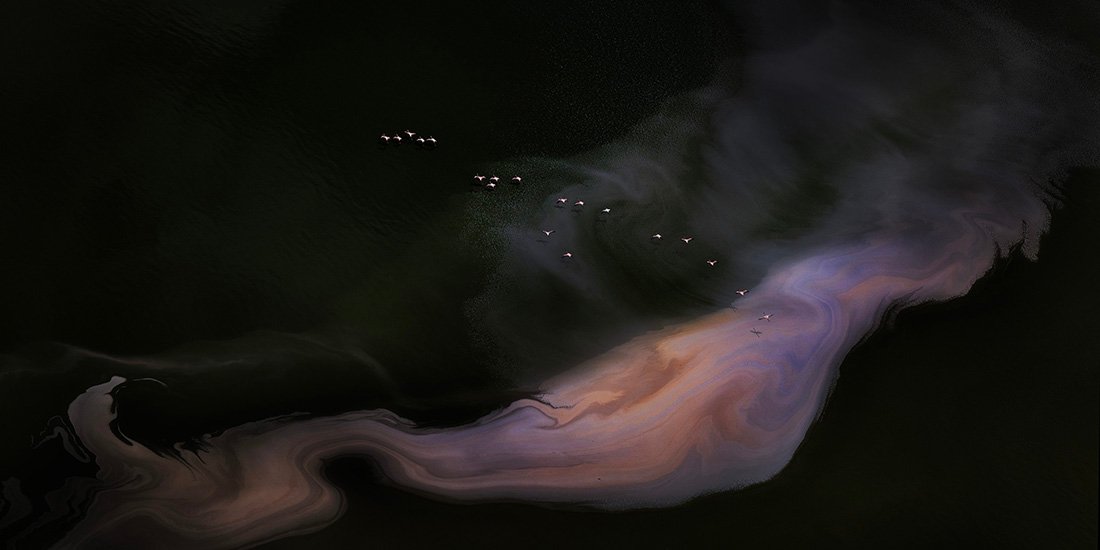
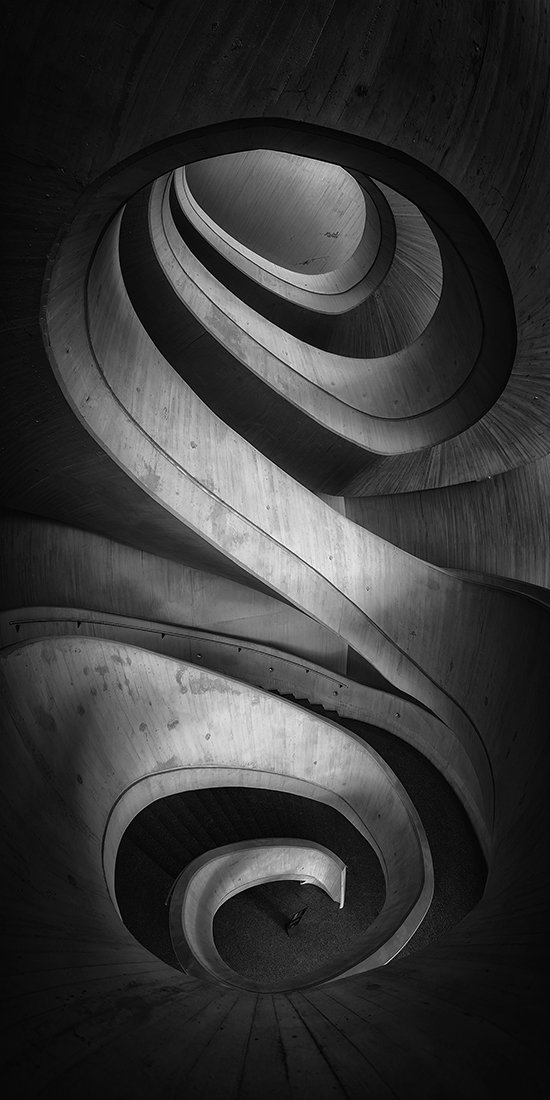
Additional category winners highlighted the astonishing range of subjects explored by the global community of panoramic photographers. In the Amateur Aerial division, Xuejun Long claimed first place with Journey of Life, a striking photograph documenting flocks of birds navigating the vibrant, pink-hued mineral waters of Lake Kenya’s Lake Magadi. Meanwhile, Sebastián Cantos Navalon captured the Amateur Built Environment top spot with Stairs from Earth to Heaven, a dizzying vertical panorama of a sprawling modern spiral staircase in Valencia, Spain.
Special Awards and Technical Innovation
Beyond the primary open and amateur divisions, the 17th competition featured several specialized awards designed to recognize technical breakthroughs, digital artistry, and curatorial vision.
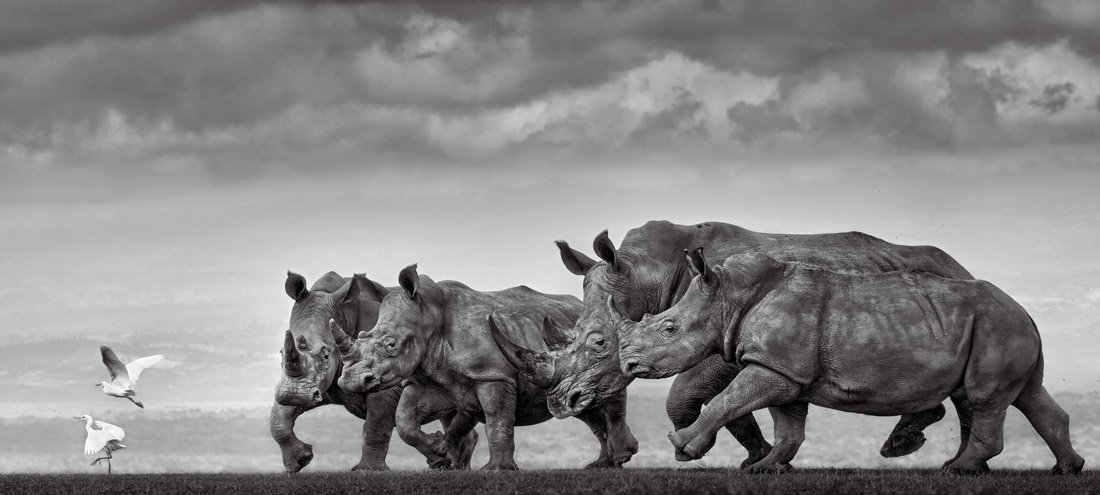
The Epson Digital Art Prize was awarded to Preeti and Prashant Chacko for The Rugby Players, an evocative wildlife capture from Nyeri, Kenya, depicting a dramatic encounter between rhinos and birds. In the underwater category, Szabi Nemeth claimed the prize for the Highest Scoring Vertical Image with Between Giants, a remarkable capture from the Indian Ocean in Mauritius that places the viewer directly amid a pod of swimming whales alongside a lone human diver.
The Highest Scoring Gigapixel Image award went to Vitaly Golovatyuk for X marks the spot in Shanghai, an intensely detailed, high-resolution urban panorama mapping the intricate cloverleaf interchanges and towering skyscrapers of China’s largest financial hub. Finally, Max Terwindt received The Curator’s Award for Antarctic Nights, a moody, atmospheric study of twilight settling over the frozen wilderness of the southernmost continent.
The Evolution and Implications of Panoramic Photography
The continuous growth of the Epson International Pano Awards—now in its seventeenth consecutive year—reflects a broader technological and artistic shift within modern photography. As camera sensors become increasingly sophisticated, drone technology matures, and stitching software grows more seamless, the barrier to entry for high-end panoramic photography has lowered significantly. However, organizers and judges emphasize that technology alone does not produce a winning image.
The success of entrants like Daniel Viñé Garcia and Tomás Sánchez Ruiz underscores the irreplaceable role of human vision, ecological patience, and environmental dedication. Capturing these sweeping vistas often requires photographers to brave extreme environments—from the oxygen-deprived volcanic plateaus of Chile and the sub-zero coastal winds of Iceland to the remote, shifting ice sheets of Greenland and Antarctica.
Furthermore, competitions of this scale play an important documentary role in contemporary culture. By preserving expansive views of rapidly changing natural ecosystems, vanishing glacial landscapes, and densely transforming urban sprawls, panoramic photography serves as both an aesthetic triumph and a historical archive of our planet in the 21st century.
The complete gallery of winning photographs, runners-up, and high-resolution finalists for the 17th Epson International Pano Awards is currently available for public viewing on the official competition website, offering audiences an immersive visual journey across land, sea, sky, and cityscapes worldwide.