The Rise of the Super El Niño: How an Unprecedented Pacific Warming Event is Accelerating Global Climate Crises

The global scientific community and emergency management agencies worldwide are on high alert as an exceptionally powerful El Niño weather pattern shatters historical temperature records and triggers cascading environmental disruptions. Characterized by a radical shift in Pacific Ocean trade winds, this climate phenomenon has surpassed even the most severe projections, pushing sea surface temperatures to unprecedented heights. With international studies warning of catastrophic public health consequences and local governments enacting emergency measures, this generation-defining event offers a stark, undeniable preview of a rapidly warming future driven by unabated fossil fuel emissions.
Chronology and the Mechanics of Pacific Warming
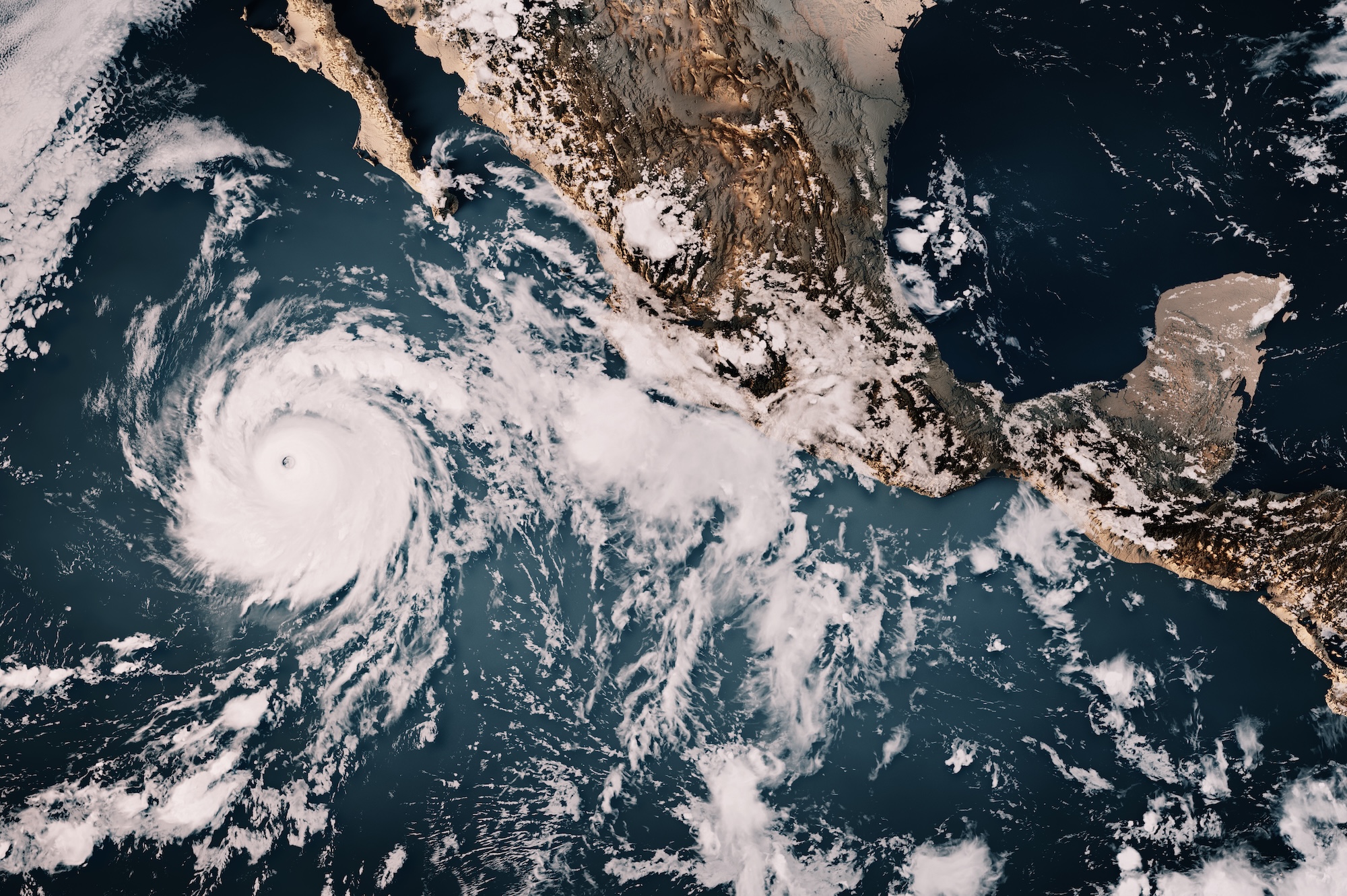
The development of the current El Niño began quietly months ago as sea surface temperatures in the central and eastern tropical Pacific Ocean steadily climbed above historical averages. Typically operating on a two-to-seven-year cycle, El Niño events occur when the standard trade winds—which normally blow from east to west and push warm equatorial water toward East Asia—weaken or occasionally reverse direction. This atmospheric and oceanic shift allows vast reserves of warm water to surge back toward the western coasts of the Americas, fundamentally altering global atmospheric circulation.
By mid-summer, monitoring agencies observed sea surface temperatures in key tracking zones reaching historic highs. By September, data analyzed by climate research organizations confirmed that warming in the Niño 3.4 region—the primary benchmark used by meteorologists—had breached 3.11 degrees Celsius above normal. This staggering figure eclipsed the previous modern record set during the monumental 2015-2016 El Niño event. Forecast models now indicate a greater than 90 percent probability that these extreme anomalies will persist through the winter months, defying early hopes that the system might peak and dissipate early.
Defining the "Super" Phenomenon: Data and Metrics
The terminology used to describe climate anomalies has evolved alongside the severity of the events themselves. Within the scientific framework maintained by agencies such as the National Oceanic and Atmospheric Administration (NOAA) and the World Meteorological Organization (WMO), classifications for El Niño are tied directly to the Niño 3.4 temperature anomaly. A departure of 0.5 degrees Celsius above baseline establishes an El Niño; 1 degree denotes a moderate event; 1.5 degrees represents a strong event; and 2 degrees historically marked the upper threshold of very strong occurrences.
The colloquial label "super El Niño," while not an official designation utilized in institutional bulletins, has been widely adopted by researchers and international media to communicate the sheer magnitude of anomalies exceeding 2 degrees Celsius—and particularly, in the current instance, surpassing 3 degrees. Ecolinguistic studies indicate that the term originated not in media newsrooms, but within a 2003 meteorological paper examining the cyclical transition between strong El Niño phases and their cooler counterparts, La Niña. Today, the phrase has crossed linguistic barriers, appearing in German, French, Italian, Spanish, and Serbian climate reporting as nations prepare for wide-ranging disruptions.
Global Impacts: From Agricultural Devastation to Urban Emergencies
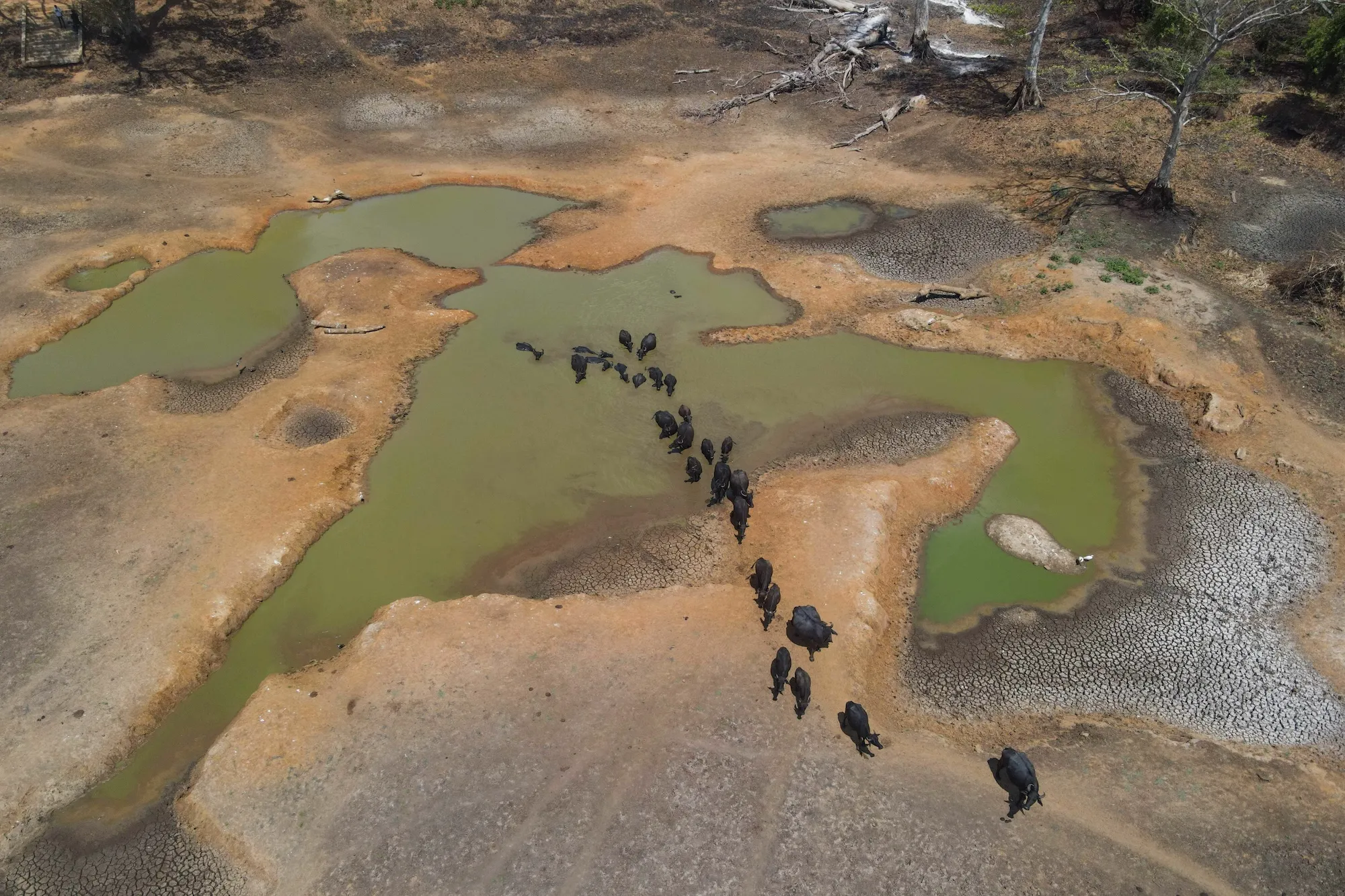
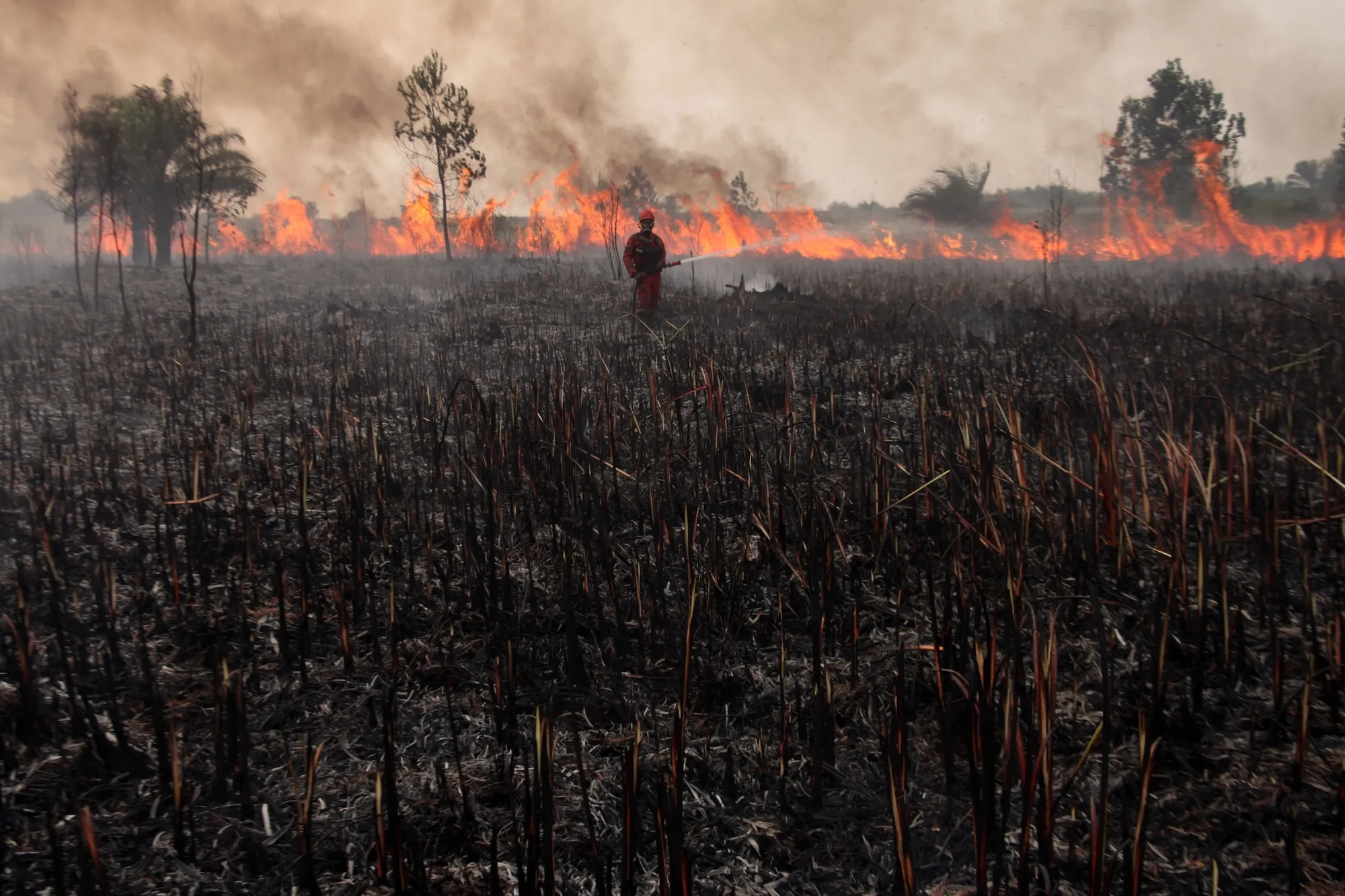
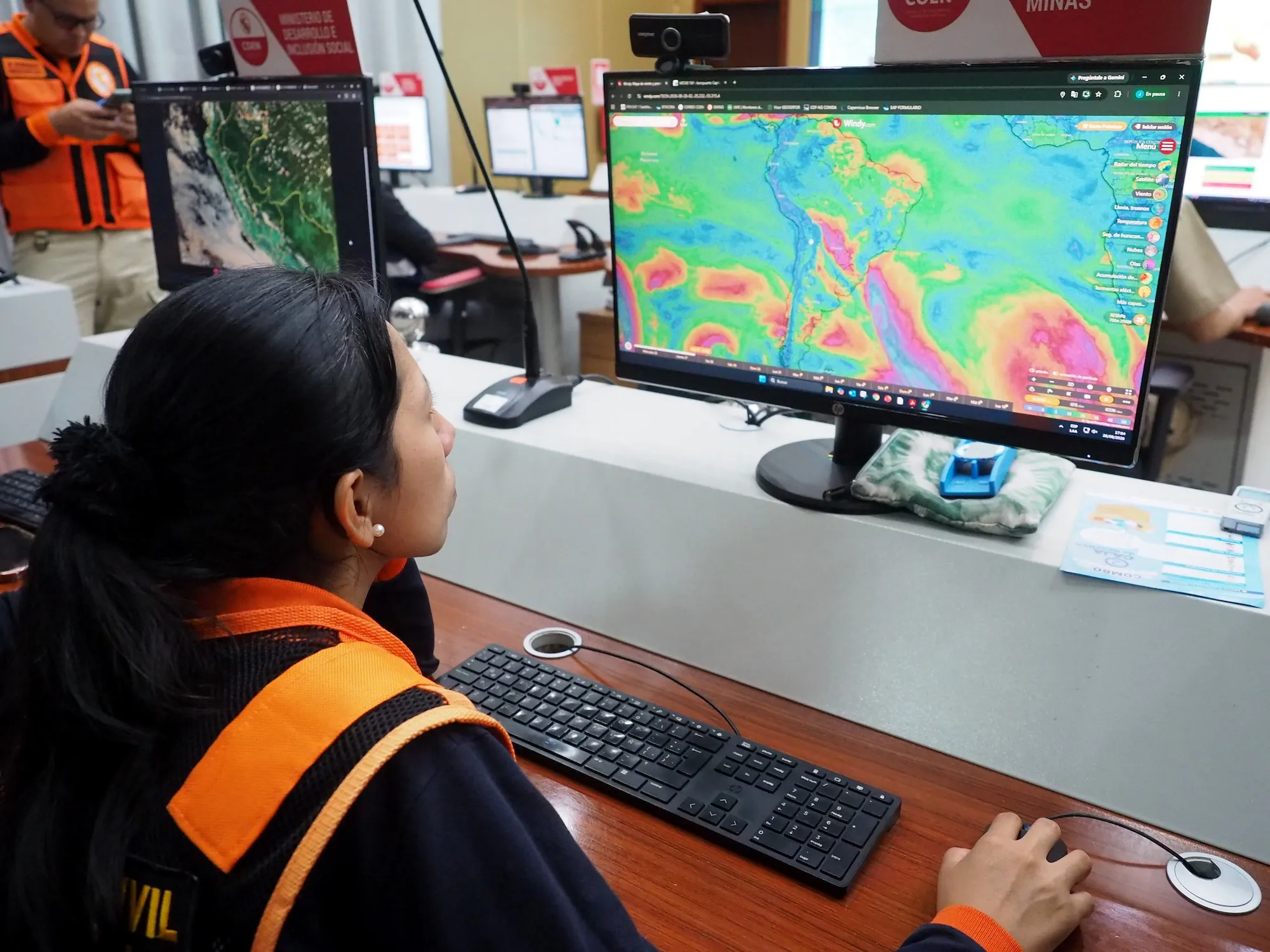
The ramifications of a super El Niño extend far beyond the tropical Pacific, initiating extreme weather anomalies across multiple continents. In Southeast Asia, prolonged dry conditions linked to the weather pattern have fueled severe agricultural stress and uncontrollable wildfires, requiring intensive firefighting interventions in regions like Indonesia. Simultaneously, South American nations have initiated comprehensive national multi-hazard drills, establishing emergency operations centers to monitor wind speeds, oceanic currents, and potential inland flooding.
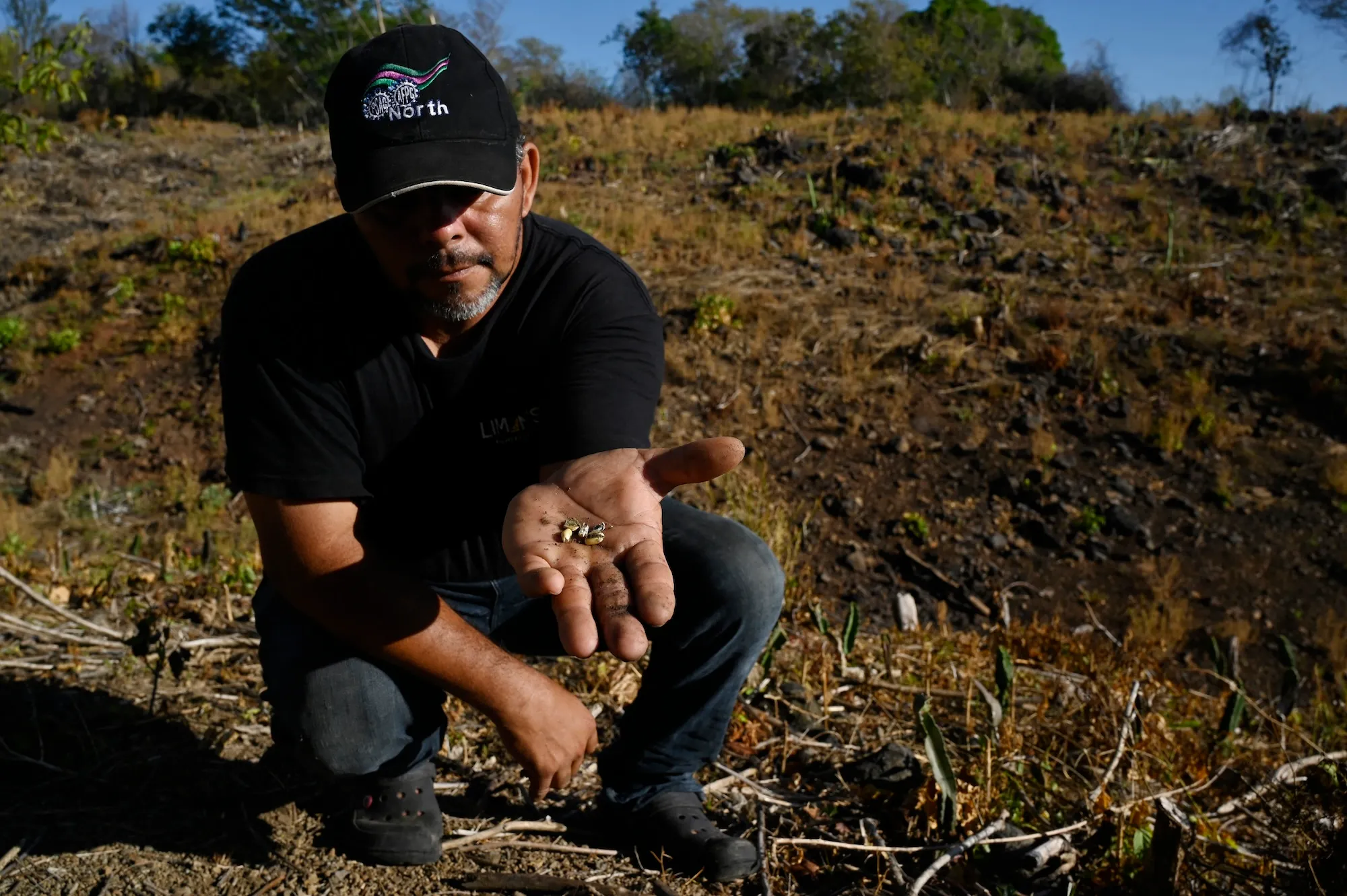
In Central America, subsistence farmers report some of the worst droughts in living memory, with staple crops such as corn failing to germinate in parched soils. Conversely, coastal regions face heightened risks of severe erosion and destructive storm surges. The economic toll is already materializing in vital global transit hubs; the Panama Canal authority, facing diminishing water levels in its watershed system, has implemented strict transit reductions for container ships, creating bottlenecks in international supply chains.
Domestically, the impacts have prompted decisive political action. California Governor Gavin Newsom formally proclaimed a statewide state of emergency to bolster preparedness and infrastructure protection against impending torrential rains, mudslides, and coastal battering. This proactive mobilization mirrors actions taken by municipalities worldwide as they scramble to fortify vulnerable communities against compound climate threats.
Public Health Consequences and Societal Risks
Beyond property damage and agricultural loss, the convergence of a super El Niño with background global heating poses profound risks to human health. A landmark epidemiological study published ahead of the winter season projects that extreme heat stress driven by these combined climatic forces could result in upwards of 451,000 excess heat-related deaths globally by February. Vulnerable populations, including outdoor laborers, the elderly, and urban residents lacking adequate cooling infrastructure, face the most acute dangers.
Public health officials are increasingly concerned about vector-borne diseases, as shifting rainfall patterns expand the viable habitats for disease-carrying mosquitoes. Furthermore, disruptions to agricultural yields threaten food security and price stability across developing and developed nations alike, compounding economic pressures already strained by geopolitical conflicts and inflation.
Fact-Based Analysis and the Road Ahead
The intersection of a natural cyclical anomaly like El Niño with long-term anthropogenic climate change presents a complex analytical challenge for climatologists. While it remains difficult to definitively parse the exact temperature contributions of greenhouse gas accumulation versus oceanic heat release, the combined outcome is indisputable: the world is experiencing record-shattering global mean surface temperatures. Climate scientists suggest that the thermal profile of the current year—and potentially the years immediately following—may serve as a compressed timeline, offering a frighteningly accurate preview of the baseline global temperatures expected by the year 2040 under current emission trajectories.
This reality has forced a reevaluation of meteorological vocabulary. As climate anomalies routinely outpace historical baselines, researchers argue that existing descriptors fail to capture the severity of modern crises. Terms such as "super El Niño," while effective for public communication today, may soon prove inadequate if multi-degree oceanic anomalies become the norm.
Ultimately, experts emphasize that nomenclature is secondary to preparation. Whether characterized as a super El Niño, a "Godzilla" event, or by quantitative anomalies alone, the phenomenon demands urgent cross-sector adaptation. Safeguarding global food production, securing critical infrastructure, fortifying public health systems, and transitioning rapidly away from fossil fuel dependency remain the definitive imperatives as the international community navigates an increasingly volatile climate future.
Related posts: