James O’Keefe and Cam Higby face felony charges in Minnesota for identity theft and unlawful voting after August primary stunt

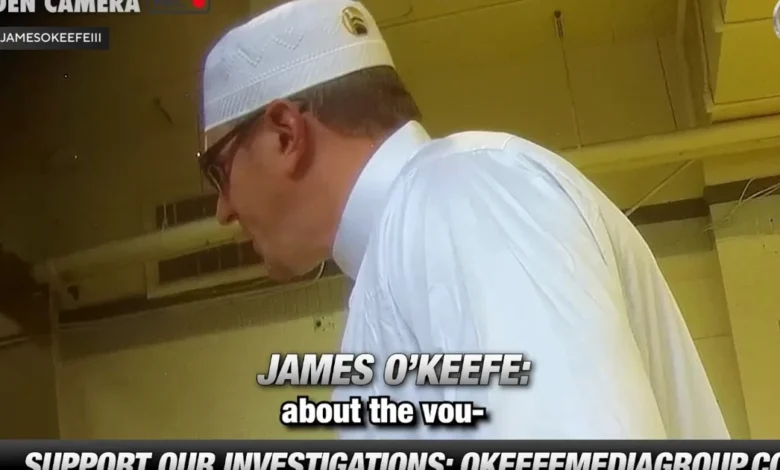
Hennepin County prosecutors have formally charged James O’Keefe, 42, and Cam Higby, 26, with multiple felony counts, including unlawful voting and identity theft, following an investigation into their conduct during Minnesota’s August 11 primary election. The charges, filed on Wednesday, stem from a series of videos produced by the activists—who operate under the banner of the Citizen Justice League—in which they visited several polling locations and misrepresented their identities to election judges. While neither individual successfully cast a ballot, their actions have ignited a significant legal debate regarding the boundaries of investigative journalism and the integrity of state election procedures.
According to the criminal complaint filed by the Hennepin County Attorney’s Office, O’Keefe and Higby targeted three separate polling precincts. In each instance, the men allegedly presented the names of registered voters to election officials, effectively attempting to impersonate real citizens to test the security of the voting process. Prosecutors maintain that while the defendants did not sign the final voter oath or deposit a ballot, the act of applying for a ballot using another person’s identity constitutes a serious violation of state law.
A Chronology of the August Stunt
The events leading to these charges began in the lead-up to the August 11 primary. O’Keefe, the former founder of Project Veritas who now leads the O’Keefe Media Group, orchestrated a series of "undercover" operations that were ultimately documented in videos viewed more than 7 million times online.
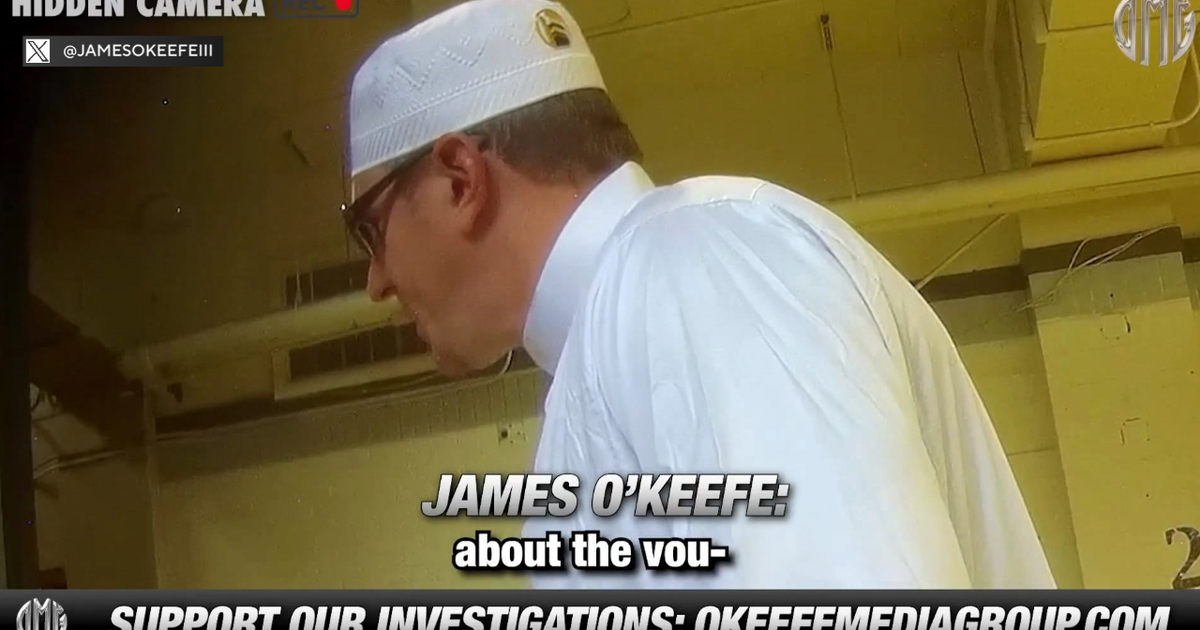
The activists claimed their objective was to expose loopholes in Minnesota’s 53-year-old voter voucher law. This law, designed to facilitate voter participation for residents who may lack traditional documentation, allows a registered voter to "vouch" for an individual’s residency. In the videos, the activists were depicted wearing disguises—which they described as "Muslim costumes"—and utilizing exaggerated accents. They claimed to be independent journalists demonstrating that the voucher system could be exploited by bad actors.
By mid-August, the videos had drawn intense scrutiny from local officials and legal experts. The footage specifically showed O’Keefe providing the name of William Pomeranz, a real Minnesota resident, to election officials. Mr. Pomeranz, who was unaware his identity had been co-opted, later described the experience as a "shock," noting that he only discovered the ruse when a student contacted him to show him the viral footage. Despite the breach of his personal information, Pomeranz successfully cast his own ballot on Election Day without incident, underscoring that the system’s internal fail-safes successfully mitigated the disruption.
Legal Implications and Statutory Violations
The charges against O’Keefe and Higby highlight the strict interpretation of Minnesota Statutes regarding election integrity. State law explicitly prohibits the intentional misrepresentation of one’s identity when applying for a ballot, depositing a ballot, or attempting to use a voting machine. Hennepin County Attorney Mary Moriarty emphasized that the legal system is not concerned with the "intent" of the activists, but rather the prohibited act itself.
"You cannot go into a polling place and misidentify yourself and use other people’s identities to our election judges as you apply for a ballot, whether or not you intend to vote," Moriarty stated in a press briefing following the announcement of the charges. She clarified that the office’s decision to prosecute is not a "message" to any specific political group, but rather a standard enforcement of state law intended to protect the rights of voters whose identities could be compromised by such stunts.
David Schultz, a professor of constitutional law at Hamline University, noted in August that the activists appeared to have filmed themselves committing a crime. Under Minnesota law, the threshold for election-related identity theft is met the moment an individual provides false information to an election judge with the intent of obtaining a ballot. The fact that the activists did not complete the process by signing an affidavit is unlikely to serve as a sufficient legal defense, as the act of applying for the ballot itself triggers the statutory violation.
Official Responses and the Integrity of the System
The Minnesota Secretary of State’s office, led by Steve Simon, has been vocal in its defense of the state’s election infrastructure. Following the incident, Simon asserted that the system functioned as intended because the poll workers were able to identify and flag the suspicious activity.
"Any attempt to disrupt or deceive election workers will not be tolerated," Simon stated in an official release. The narrative provided by the Secretary of State’s office suggests that the "vouching" law, while a target for these activists, is supported by a robust network of election judges who are trained to detect anomalies in voter applications.
Conversely, Cam Higby provided a brief statement to local media, maintaining his innocence. "I never voted, I never signed an affidavit, and I never violated a law," Higby claimed. This defense will likely be the cornerstone of their legal strategy: arguing that the preliminary steps taken at the check-in desk do not constitute a completed act of "voting" or "fraud."
Broader Impact on Election Security Discourse
The case of O’Keefe and Higby sits at the intersection of First Amendment protections for journalists and the state’s compelling interest in maintaining secure elections. Historically, O’Keefe’s organizations have faced numerous legal challenges. In 2024, Project Veritas settled a defamation lawsuit involving a postmaster in Erie, Pennsylvania, after the group failed to provide evidence of election fraud in their 2020 reporting.
The Minnesota incident serves as a case study for how election security is perceived by the public versus how it is enforced in practice. By attempting to "stress test" the voucher law, the activists inadvertently provided evidence that local election officials are capable of identifying unauthorized individuals. However, the costs of such tests—including the invasion of privacy for citizens like William Pomeranz and the allocation of state resources to investigate the resulting fraud—have prompted a stern response from the judiciary.
As the state prepares for the upcoming general election, the prosecution of these individuals sends a clear signal that the threshold for "journalistic investigation" does not extend to impersonating voters. The case remains ongoing, with no official court date set for O’Keefe or Higby at this time.
The incident also highlights the evolving nature of election interference in the digital age. With social media platforms serving as conduits for viral, often misleading, content regarding election integrity, the responsibility of officials to respond to these provocations has become increasingly complex. The Hennepin County Attorney’s Office has made it clear that while public debate on election laws is protected, actions that undermine the physical security of the polling place will be handled as criminal matters.
For the voters of Minnesota, the episode has served as a practical demonstration of the state’s security protocols. Despite the attempt to bypass identification requirements, the integrity of the ballot box remained uncompromised. As the case moves toward trial, the legal community will be watching closely to see how the courts define the boundary between protected speech and the unlawful impersonation of voters—a distinction that will have lasting implications for future election-related activism in the state.
Related posts: