Native Plants Once Dismissed as Weeds Are Now Flying Off the Shelves as Climate Concerns Drive a Gardening Revolution

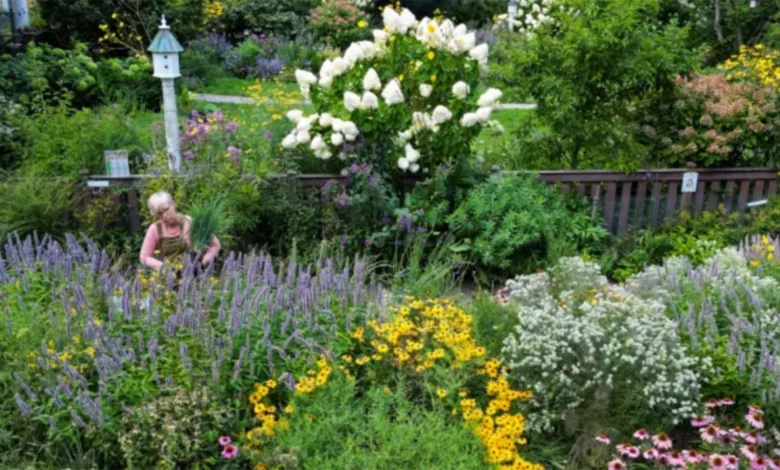
The rhythmic creak of a rusty pulley echoed through the Kilbourn Park greenhouse on Chicago’s north side as Renee Costanzo opened the roof to let in the spring air. Below, more than 12,000 seedlings sat in neat plastic trays, the result of months of meticulous care. Costanzo, the Chicago Park District’s sole full-time employee at this facility, has spent the early months of the year "coddling and loving" a diverse array of flora, from traditional vegetables to vibrant annuals. However, the most significant shift in her work reflects a broader national trend: the explosive demand for native plant species.
The annual Kilbourn Park plant sale has long been a staple for local gardeners, typically attracting around 1,100 attendees. This year, however, the event shattered previous records, drawing more than 2,300 shoppers who lined up around the park to purchase plants at $4 a piece. While tomatoes and marigolds remain popular, nearly 20 percent of the inventory this year consisted of native species—plants that have evolved over millennia to thrive in the specific climate and soil conditions of the Upper Midwest. This shift from "weed" to "must-have" represents a fundamental change in how Americans view their outdoor spaces, moving away from high-maintenance ornamental lawns toward functional, ecologically resilient landscapes.
The Economic Surge of the Native Plant Industry
The surge in interest at local park sales is mirrored by a booming commercial industry. Neil Diboll, president of the Wisconsin-based Prairie Nursery, has witnessed this evolution firsthand over four decades. When Diboll began selling native plants in 1982, the concept was largely fringe; his company’s gross revenue that year was a modest $13,000. Today, the business has grown exponentially, adding "several zeros" to those early figures. Last year alone, Prairie Nursery saw a 7 percent increase in sales, and this season, they are shipping approximately 500,000 plants alongside vast quantities of seeds to customers across the country.
"It’s not a fad," Diboll noted, characterizing the movement as a "long, steady climb" rather than a fleeting trend. This sentiment is echoed by Becky Klukas-Brewer, co-owner and head of marketing at Prairie Moon Nursery in Minnesota. Over the last seven years, Prairie Moon has reported a staggering 350 percent increase in sales, with their total order volume tripling in the same period.
The growth of these nurseries indicates a structural shift in the "green industry." Historically, the multi-billion-dollar landscaping sector was dominated by non-native turfgrass and exotic ornamentals. However, as consumers become more educated about the environmental costs of traditional landscaping—including high water usage, chemical fertilizers, and the loss of biodiversity—the market for "wild-type" plants has moved into the mainstream.
Ecological Drivers: Biodiversity Loss and Climate Resilience
The primary catalysts for this gardening revolution are twofold: a growing alarm over the decline of essential insect and bird populations, and the increasing frequency of climate-change-induced weather extremes.
One of the most visible "ambassadors" for the native plant movement is the Monarch butterfly. The Eastern Monarch population has seen a dramatic decline of approximately 80 percent over the last two decades, largely due to the loss of habitat and the eradication of milkweed—the only plant upon which Monarch caterpillars feed. As land use patterns have shifted toward industrial agriculture and manicured suburban lawns, native milkweed species were frequently targeted with herbicides. By reintroducing milkweed and other nectar-rich native flowers, home gardeners are creating "pollinator corridors" that allow these species to survive and migrate.
Beyond supporting specific species, native plants offer a level of resilience that exotic species cannot match. Tiffany Jones, who leads habitat education for the National Wildlife Federation in the Great Lakes region, emphasizes that these plants are uniquely adapted to the local environment. "Native plants have been adapting to change for thousands of years," Jones said. "They need less water, less maintenance, and they’re incredibly resilient."
Crucially, native plants are becoming an essential tool in urban stormwater management. Unlike traditional turfgrass, which has shallow roots often only a few inches deep, many native prairie plants possess massive root systems that can extend 10 to 15 feet underground. These deep roots act as biological pumps, increasing the soil’s capacity to absorb heavy rainfall and reducing the "runoff" that leads to urban flooding and sewer overflows. In a city like Chicago, which is increasingly grappling with "rain bombs"—sudden, intense downpours—native gardens serve as a vital piece of green infrastructure.
The Role of Grassroots Organizations and Education
The transition toward native landscaping has been fueled by a robust network of non-profit organizations and volunteer groups. Wild Ones, a national non-profit dedicated to promoting native plants, has grown from a small gardening club in Milwaukee into a nationwide powerhouse with over 14,000 members.
Last year, Wild Ones facilitated 107 plant sales across the country, moving over 110,000 native plants into private and public gardens. According to Josh Nelson, the organization’s development director, another 40,000 plants were distributed through various educational programs. These grassroots efforts provide more than just inventory; they provide the technical knowledge necessary for gardeners to transition away from traditional "mow-and-blow" landscaping.
At Kilbourn Park, the success of the sale is largely due to the "Friends of Kilbourn Park Greenhouse," a volunteer group that assists with everything from potting seedlings to fundraising. This year, the group aimed to raise $25,000 to help fund a new outdoor learning center. The record-breaking turnout far exceeded expectations, with the Chicago Park District confirming the sale generated approximately $48,000.
Lourdes Valenzuela, a retired schoolteacher and long-time volunteer, noted that the sale’s success reflects a new philosophy among Chicagoans. "We’re not fighting against the climate here," she said. "We’re working with it because it’s what’s native to this area."
Chronology of a Shifting Landscape
To understand the current boom, it is necessary to look at the timeline of the native plant movement in the United States:
- 1970s – Early 1980s: The movement begins in small pockets, primarily among ecologists and specialized nurseries. The focus is on prairie restoration and academic research rather than residential gardening.
- 1990s: Environmental awareness grows, and the first major "butterfly gardens" gain popularity. However, native plants are still often restricted by municipal "weed ordinances" that fine homeowners for growing tall, non-traditional vegetation.
- 2000s – 2010s: The "Colony Collapse Disorder" affecting honeybees and the listing of the Monarch butterfly as an endangered species (in some jurisdictions) create a sense of urgency. Books like Doug Tallamy’s Bringing Nature Home (2007) provide a scientific framework for why residential yards must become functional ecosystems.
- 2020 – Present: The COVID-19 pandemic leads to a surge in home gardening, while record-breaking heatwaves and floods highlight the fragility of non-native landscapes. Legislative shifts, such as Minnesota’s "Lawns to Legumes" program, begin providing financial incentives for homeowners to replace grass with native habitat.
Implications for Urban Planning and Policy
The "native plant craze" is beginning to influence public policy and urban design. Cities are increasingly re-evaluating their landscaping ordinances to protect homeowners who choose native meadows over manicured lawns. In many regions, "Right to Garden" laws are being enacted to ensure that ecological landscaping is not penalized by overly restrictive aesthetic codes.
Furthermore, the demand for native plants is outstripping supply. Because native plants are often grown from local "ecotypes" (seeds collected from wild populations in a specific region), they cannot be easily mass-produced in the same way as generic petunias or hostas. This has created a new niche for local entrepreneurs and small-scale nurseries that specialize in regional genotypes.
The broader implication is a shift in the American aesthetic. The "industrial lawn"—a monoculture of green grass that requires constant inputs of water, chemicals, and fossil-fuel-powered mowing—is slowly being replaced by a more dynamic, seasonal, and "messy" beauty. This new aesthetic values the sight of a goldfinch on a dried sunflower head or the movement of a Monarch butterfly over a patch of milkweed as much as it once valued a perfectly leveled carpet of Kentucky Bluegrass.
As the Kilbourn Park sale demonstrated, the public is ready for this change. By selling out of every available plant and compost bag, the community signaled that they no longer view their yards as mere ornaments, but as vital participants in the fight against climate change and biodiversity loss. What was once dismissed as a weed has become a symbol of resilience, and as more gardeners trade their mowers for trowels, the American landscape is being transformed—one native seedling at a time.