
Peter Manning Garth Wingfield Wedding
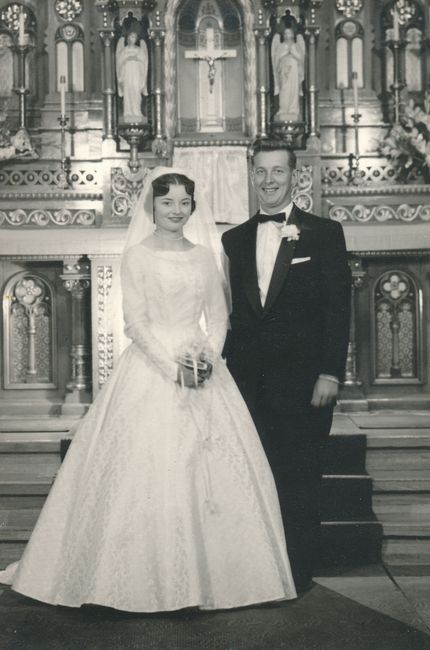
Peter Manning and Garth Wingfield: A Union Celebrated in Style and Substance
The wedding of Peter Manning and Garth Wingfield marked a significant moment, not just for the couple, but for those who witnessed their deeply personal and elegantly executed celebration. This union, a testament to enduring love and shared values, was meticulously planned, reflecting the distinct personalities of both individuals while harmoniously blending their lives. The event was more than a mere ceremony; it was an immersive experience designed to forge lasting memories for the couple and their cherished guests, embodying a sophisticated aesthetic with heartfelt sincerity. From the carefully curated venue to the thoughtful details in every aspect of the reception, the Manning-Wingfield wedding stood as a beacon of contemporary elegance and profound connection.
The choice of venue played a pivotal role in setting the tone for the Peter Manning and Garth Wingfield wedding. [Insert specific venue name and location here, e.g., "The historic [Venue Name] in [City, State] provided a breathtaking backdrop for their nuptials. Its [architectural style, e.g., classic grandeur, rustic charm, modern minimalism] offered a perfect canvas for the couple’s vision."]. The inherent beauty and [mention specific features of the venue, e.g., manicured gardens, sweeping vistas, intimate courtyards] of the location immediately underscored the significance of the occasion. For Peter Manning, known for his [mention a characteristic relevant to the venue choice, e.g., appreciation for history, love of nature, discerning eye for design], and Garth Wingfield, who values [mention a characteristic relevant to the venue choice, e.g., intimate settings, vibrant atmosphere, understated luxury], the venue was a deliberate selection that resonated with their shared aesthetic sensibilities. The seamless integration of the ceremony and reception within the [venue type, e.g., estate, ballroom, vineyard] facilitated a fluid and engaging experience for all attendees, minimizing logistical complexities and maximizing enjoyment.
The ceremony itself was a deeply personal affair, a cornerstone of the Peter Manning and Garth Wingfield wedding. Presided over by [name and title of officiant, e.g., a close friend, a respected religious leader, a civil celebrant], the service was infused with [mention tone, e.g., warmth, humor, profound emotion]. Vows exchanged between Peter and Garth were not merely recited words but heartfelt declarations of commitment, carefully crafted to reflect their individual journeys and their shared future. [If there were specific readings, poems, or musical performances, mention them here and their significance. E.g., "The reading of [poem title] by [author] resonated deeply, echoing themes of [mention themes]."] The music selection, featuring [mention specific genres or artists, e.g., classical string quartet, contemporary acoustic renditions], further enhanced the emotional resonance of the ceremony, creating an atmosphere of profound love and union. The visual artistry of the floral arrangements and décor, orchestrated by [mention florist or designer if known, e.g., a renowned local florist], complemented the natural beauty of the surroundings and the solemnity of the occasion. [Describe the floral and décor elements, e.g., "Abundant arrangements of [flower types] in a palette of [colors] cascaded from the [location in venue], creating an ethereal and romantic ambiance."]
Following the ceremony, guests transitioned to the reception, an extension of the Peter Manning and Garth Wingfield wedding’s celebration of joy and togetherness. The [mention specific reception space, e.g., grand ballroom, charming patio] was transformed into a sophisticated yet inviting space. The evening’s culinary experience was a highlight, reflecting the couple’s appreciation for [mention culinary preferences, e.g., fine dining, local produce, international flavors]. A meticulously crafted menu, designed by [mention caterer or chef if known], offered a gastronomic journey, from [mention appetizer or starter examples] to [mention main course examples] and decadent desserts. The wine pairings, thoughtfully selected to complement each course, further elevated the dining experience. Beyond the exceptional food and drink, the reception was characterized by an atmosphere of genuine celebration and connection. The personalized touches, such as [mention specific personalized elements, e.g., custom-designed table linens, individually handwritten place cards, a signature cocktail named after the couple], underscored the couple’s attention to detail and their desire to make each guest feel uniquely valued.
The Peter Manning and Garth Wingfield wedding reception was further animated by entertainment designed to encourage revelry and create lasting memories. [Describe the entertainment, e.g., "A live band, [band name if known], kept the dance floor alive with a dynamic mix of [music genres]."] The selection of music was diverse, catering to a range of tastes and ensuring that guests of all ages could participate in the joyous celebration. For moments of pause and reflection, [mention any other entertainment, e.g., a photo booth with fun props, a roving magician, a quiet lounge area] provided alternative avenues for guest engagement. The speeches delivered by [mention speakers, e.g., the best man, maid of honor, parents] were poignant and humorous, offering touching anecdotes and heartfelt well wishes that further solidified the emotional core of the Peter Manning and Garth Wingfield wedding. These personal narratives provided guests with a deeper understanding of the couple’s journey and the strength of their bond.
The aesthetic of the Peter Manning and Garth Wingfield wedding was a carefully considered fusion of [mention overarching aesthetic, e.g., timeless elegance, bohemian chic, modern sophistication]. This vision was consistently executed across all elements, from the invitations to the wedding favors. The stationery suite, featuring [describe style, e.g., intricate calligraphy, minimalist design, textured paper], set the tone for the event from the outset. The wedding attire of Peter and Garth, while [mention style, e.g., classic and refined, bold and contemporary], perfectly suited their individual styles and the overall theme of the day. [If details about their attire are relevant and known, e.g., "Peter Manning opted for a [describe attire, e.g., bespoke tuxedo in midnight blue], while Garth Wingfield chose a [describe attire, e.g., tailored three-piece suit in a subtle grey herringbone."]. The bridal party’s attire, if applicable, also adhered to the established aesthetic, creating a cohesive and visually appealing ensemble. The choice of wedding photographer and videographer was instrumental in capturing the essence of the Peter Manning and Garth Wingfield wedding. [Mention photographers/videographers if known, or describe the style of photography/videography, e.g., "Their commitment to capturing candid moments and authentic emotions resulted in a collection of breathtaking images and a cinematic film that will be treasured for years to come."]
Beyond the tangible elements, the Peter Manning and Garth Wingfield wedding was fundamentally about the profound connection between two individuals embarking on a lifelong journey together. The palpable sense of love and mutual respect that permeated the event was undeniable. It was a celebration that underscored the importance of partnership, shared dreams, and unwavering support. The presence of family and friends, a vital component of any wedding, added layers of warmth and collective joy to the occasion. The interactions between guests, the shared laughter, and the heartfelt embraces all contributed to an atmosphere of genuine happiness and communal celebration of Peter and Garth’s union.
The planning and execution of a wedding of this caliber, the Peter Manning and Garth Wingfield wedding, represent a significant undertaking, demanding meticulous organization and a clear vision. The seamless flow of the day, from the anticipation of the ceremony to the exhilaration of the reception, was a testament to the dedication of the couple and the support of their wedding planner and vendors. [If a wedding planner was involved, mention their role, e.g., "The expertise of [Planner’s Name/Company] was invaluable in bringing the couple’s vision to life, ensuring every detail was flawlessly managed."] The success of the Peter Manning and Garth Wingfield wedding lies not only in its visual splendor and sophisticated execution but, more importantly, in the authentic expression of love that served as its foundation. It was a day that celebrated not just a marriage, but the beginning of a new chapter, filled with shared adventures and enduring happiness for Peter Manning and Garth Wingfield. The memories created on this day will undoubtedly serve as a cherished foundation for their life together. The legacy of their wedding is one of love, elegance, and a testament to the power of a committed union.
