
Tag Metropolitan Museum Of Art
The Metropolitan Museum of Art: A Comprehensive Guide to Navigating Art History’s Pinnacle
The Metropolitan Museum of Art, often abbreviated as The Met, stands as a colossal repository of human creativity, its vast collections spanning over 5,000 years of art and culture from around the globe. Located on the eastern edge of Central Park in New York City, it is one of the largest and finest art museums in the world, attracting millions of visitors annually. Its mission extends beyond mere preservation; The Met actively engages with its collections to foster understanding, appreciation, and dialogue about art and its role in shaping human experience. This article aims to provide a comprehensive and SEO-friendly overview, delving into its historical significance, architectural grandeur, and the unparalleled breadth and depth of its holdings, making it an invaluable resource for anyone seeking to understand or plan a visit to this iconic institution.
The Met’s origins trace back to 1866 with the founding of the Metropolitan Museum of Art Association by a group of American citizens living in Paris. Their vision was to create a national museum and art school to advance and advance the study of the fine arts and the application of art to manufacture and the decorative arts in the United States. This initial impetus laid the groundwork for what would become a cornerstone of American cultural life. The museum officially opened its doors to the public on April 13, 1872, in a building on Fifth Avenue that now houses the National Academy of Design. However, the current iconic Fifth Avenue building, designed by Calvert Vaux and Jacob W. Mould, was inaugurated in 1870, and its expansion has been a continuous process, evolving into the monumental structure that graces Central Park today. Over the decades, The Met has undergone significant transformations, both architecturally and in its curatorial scope, reflecting changing artistic tastes, academic scholarship, and societal priorities. Its growth has been fueled by generous donations, bequests, and a commitment to acquiring seminal works that represent the highest achievements of human artistic endeavor across diverse cultures and historical periods.
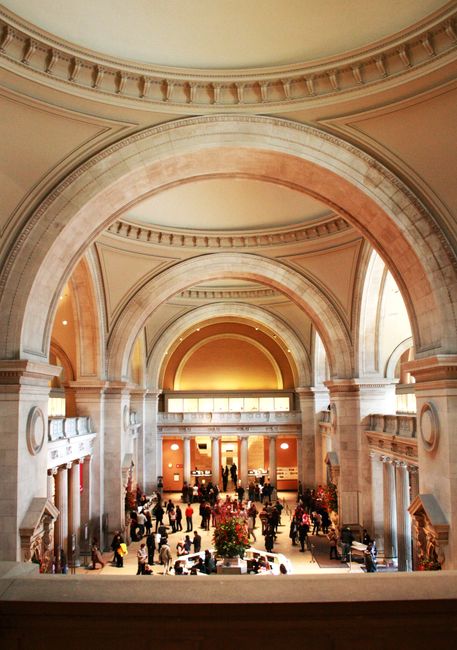
Architecturally, The Metropolitan Museum of Art is a masterpiece in itself. The original Beaux-Arts facade, designed by Richard Morris Hunt, provides a distinguished and stately entrance. Subsequent expansions, most notably the Great Hall by McKim, Mead & White, and the modern additions by Kevin Roche John Dinkeloo and Associates, have seamlessly integrated new spaces while respecting the museum’s historical character. The museum’s layout is a labyrinth of galleries, each meticulously designed to showcase its specific collections. From the imposing Greek and Roman galleries with their classical sculptures and architectural fragments to the atmospheric Egyptian Temple of Dendur, a full-scale ancient Egyptian monument gifted by Egypt, the architectural experience is as captivating as the art it houses. The European paintings galleries, with their soaring ceilings and natural light, evoke the grandeur of traditional museums, while contemporary spaces are designed for flexibility and impact. Navigating The Met is an immersive experience, with the very structure of the building contributing to the understanding and appreciation of the art within.
The breadth of The Met’s collections is staggering, categorized into nineteen curatorial departments, each representing a distinct area of art history and visual culture. These departments are the pillars of the museum’s encyclopedic mission, ensuring comprehensive coverage of global artistic output. The Department of Egyptian Art boasts one of the most extensive collections outside of Egypt, featuring masterpieces like the intact tomb of Perneb and the aforementioned Temple of Dendur. The Greek and Roman Art department offers a journey through the foundations of Western art, with iconic sculptures, intricate pottery, and exquisite jewelry. For those interested in the medieval world, the Department of Medieval Art and The Cloisters, a separate branch museum located in Fort Tryon Park, presents a remarkable collection of European medieval art and architecture, including illuminated manuscripts, tapestries, and architectural elements from Romanesque and Gothic cloisters.
The Department of European Paintings is a cornerstone of The Met’s holdings, featuring an unparalleled collection of masterpieces by virtually every major European artist from the 13th to the early 20th century. Visitors can admire works by Rembrandt, Vermeer, Monet, Renoir, Degas, Van Gogh, and Picasso, among countless others. This department provides an indispensable overview of the evolution of Western painting, showcasing stylistic innovations, thematic developments, and the diverse cultural contexts that shaped artistic production. Similarly, the Department of Modern and Contemporary Art is at the forefront of collecting and exhibiting art from the late 19th century to the present day. Its galleries feature significant works by artists such as Matisse, Picasso, Warhol, and Pollock, offering a critical perspective on the artistic movements and ideas that have defined the modern and contemporary eras.
The Met’s commitment to global art is evident in its extensive collections from Asia, Africa, Oceania, and the Americas. The Department of Asian Art houses an impressive array of Chinese paintings and calligraphy, Japanese prints and ceramics, Indian sculptures and textiles, and Korean art. The Department of Islamic Art presents a rich tapestry of artistic traditions from Spain to India, encompassing intricate ceramics, metalwork, textiles, and architectural elements. The Arts of Africa, Oceania, and the Americas department showcases the vibrant artistic heritage of these diverse regions, featuring sculptures, masks, textiles, and other ritualistic and everyday objects that offer profound insights into their cultural beliefs and practices. This global perspective is crucial for understanding the interconnectedness of human cultures and the universal impulse to create and express.
Beyond these major collecting areas, The Met also excels in specialized departments such as Drawings and Prints, which holds a vast collection of works on paper, offering an intimate glimpse into the creative process of artists. The Costume Institute, renowned for its lavish exhibitions and its iconic annual Gala, showcases the evolution of fashion as an art form. The Department of Arms and Armor is a treasure trove of beautifully crafted weapons and armor from around the world, reflecting both martial prowess and exquisite craftsmanship. The Photography Department, established in 1992, has rapidly built a significant collection, representing the medium’s diverse history and artistic impact.
For those planning a visit, strategic navigation is key to maximizing the experience. The Met’s sheer scale can be overwhelming, and prioritizing specific departments or exhibitions based on personal interests is highly recommended. The museum offers various resources, including maps, audio guides, and guided tours, to assist visitors in exploring its vast offerings. The Great Hall serves as a central hub, providing access to key areas like the European Paintings, Greek and Roman Art, and Egyptian Art. The Temple of Dendur, a must-see, is located in a dedicated wing and offers a dramatic and immersive experience. Many visitors opt to dedicate an entire day, or even multiple days, to fully appreciate even a fraction of the museum’s treasures.
The Metropolitan Museum of Art is not just a static repository of art; it is a dynamic institution that actively engages with its collections through a robust program of exhibitions, public programs, and educational initiatives. Special exhibitions, often spanning several months, bring together significant loans from other institutions or focus on specific artists, themes, or historical periods, offering fresh perspectives and deeper dives into particular areas of art history. The museum’s commitment to education is paramount, with extensive programs for schools, families, and adults, fostering a deeper understanding and appreciation of art across all ages. Lectures, workshops, films, and performances are regularly scheduled, making The Met a vibrant cultural center.
The Met’s impact extends far beyond its physical walls. Its digital initiatives, including its comprehensive website with online collections, virtual tours, and educational resources, have made its treasures accessible to a global audience. This digital presence is crucial for SEO, ensuring that individuals searching for art historical information, museum collections, or travel planning information for New York City can easily find and engage with The Met’s offerings. The museum’s active social media presence further amplifies its reach, sharing highlights from its collections, promoting upcoming events, and fostering a sense of community among art enthusiasts worldwide.
In conclusion, The Metropolitan Museum of Art represents the zenith of art collection and presentation. Its encyclopedic scope, architectural magnificence, and unwavering commitment to scholarship and public engagement solidify its position as a paramount cultural institution. For anyone interested in the history of human artistic expression, from ancient civilizations to contemporary creations, The Met offers an unparalleled journey of discovery and enlightenment, a testament to the enduring power of art to inspire, provoke, and connect us across time and cultures. The search term "Metropolitan Museum of Art" and its variations are consistently high in search volume for individuals interested in art, culture, and travel to New York City, underscoring the importance of this comprehensive overview for both potential visitors and those seeking in-depth information about this iconic museum.
