
Category Disasters And Accidents
Category Disasters and Accidents: Understanding, Prevention, and Response
Category disasters and accidents represent events that inflict widespread damage, loss of life, and significant disruption to human societies and natural environments. These occurrences can range from natural phenomena like earthquakes, hurricanes, and volcanic eruptions to human-induced failures such as industrial explosions, infrastructure collapses, and transportation accidents. Understanding the categorization of these events is crucial for effective preparedness, mitigation, and response strategies. Disaster classification often relies on factors like the source (natural vs. human-made), scale of impact (local, regional, global), speed of onset (sudden vs. slow-developing), and the primary type of damage (e.g., geological, meteorological, technological). Recognizing these categories allows for tailored approaches to risk assessment, resource allocation, and the development of resilient infrastructure and communities. The economic consequences are profound, encompassing direct costs of damage and rebuilding, alongside indirect costs like lost productivity, business interruption, and the long-term burden on healthcare systems and social services. Addressing these multifaceted challenges requires a holistic approach that integrates scientific understanding, policy development, community engagement, and technological innovation.
Natural Disasters: Geological and Meteorological Threats
Natural disasters, stemming from Earth’s dynamic processes, pose a continuous threat to human populations and infrastructure. Geological disasters, such as earthquakes, volcanic eruptions, and tsunamis, are driven by forces within the Earth’s crust and mantle. Earthquakes, characterized by the sudden release of energy in the Earth’s crust, can trigger widespread ground shaking, liquefaction, landslides, and devastating tsunamis. The magnitude of an earthquake, measured on the Richter or Moment Magnitude scales, directly correlates with the energy released and the potential for destruction. Volcanic eruptions, while less frequent, can unleash pyroclastic flows, ashfall, lava flows, and volcanic gases, posing immediate and long-term threats to surrounding areas. Tectonic plate movements are the primary drivers of these events. Tsunamis, massive ocean waves typically generated by underwater earthquakes, volcanic eruptions, or landslides, can travel vast distances and inundate coastal regions with immense destructive force. Understanding fault lines, seismic activity zones, and volcanic monitoring systems are critical for mitigating the impact of these geological hazards.
Meteorological disasters, on the other hand, are driven by atmospheric conditions. Hurricanes (also known as typhoons or cyclones in different regions), are powerful tropical storms characterized by high winds, heavy rainfall, and storm surges. Their formation is dependent on warm ocean waters, atmospheric instability, and specific wind patterns. The Saffir-Simpson Hurricane Wind Scale categorizes these storms based on their wind speed, with higher categories indicating greater destructive potential. Tornadoes, violent rotating columns of air that extend from a thunderstorm to the ground, are characterized by extreme wind speeds and localized, intense damage. The Enhanced Fujita Scale rates tornado intensity based on the damage observed. Floods, a common and widespread meteorological disaster, occur when water overflows its usual boundaries, inundating land. They can be caused by heavy rainfall, rapid snowmelt, dam failures, or storm surges. Flood risk assessment involves analyzing rainfall patterns, river systems, topography, and land use. Droughts, prolonged periods of abnormally low rainfall, can lead to water scarcity, crop failure, wildfires, and ecosystem degradation, with significant economic and social consequences. Climate change is increasingly influencing the frequency and intensity of many meteorological disasters, demanding greater attention to adaptation and mitigation strategies.
Human-Induced Disasters: Technological Failures and Environmental Degradation
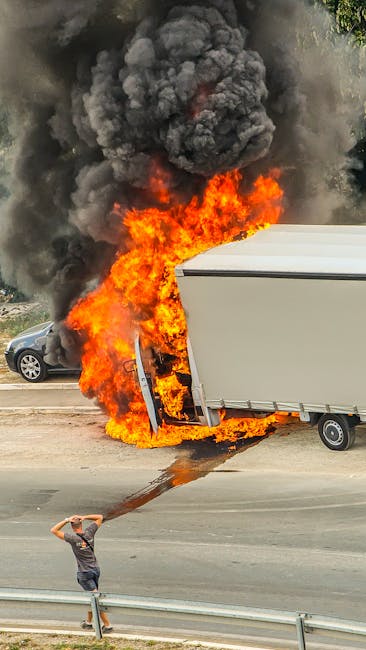
Human-induced disasters, often referred to as technological or anthropogenic disasters, result from human actions, errors, or negligence, or the unintended consequences of technological advancements. Industrial accidents, such as chemical spills, explosions, and nuclear meltdowns, can release hazardous materials into the environment, posing immediate threats to human health and long-term contamination risks. The Chernobyl and Fukushima nuclear disasters serve as stark reminders of the catastrophic potential of failures in nuclear power facilities. Transportation accidents, including plane crashes, train derailments, and major road collisions, can result in significant loss of life and property damage. These events often stem from mechanical failures, human error, or inadequate safety protocols. Infrastructure failures, such as bridge collapses, dam breaches, and power grid failures, can have cascading effects, disrupting essential services and leading to further accidents and economic losses. The design, construction, and maintenance of critical infrastructure are paramount for preventing such failures.
Environmental degradation, driven by human activities, can exacerbate the impacts of natural disasters and create new disaster scenarios. Deforestation, for instance, increases the risk of landslides and floods by reducing soil stability and water absorption. Urbanization in vulnerable areas, such as floodplains or seismic zones, amplifies the potential for disaster impact. Pollution of air, water, and soil can lead to chronic health problems and contribute to climate change, indirectly increasing the frequency and intensity of meteorological disasters. The depletion of natural resources and the loss of biodiversity also weaken ecosystem resilience, making them more susceptible to environmental shocks. Addressing human-induced disasters requires a strong regulatory framework, rigorous safety standards, responsible technological development, and a commitment to sustainable environmental practices.
Preparedness, Mitigation, and Response Strategies
Effective management of category disasters and accidents hinges on a multi-pronged approach encompassing preparedness, mitigation, and response. Preparedness involves activities undertaken before a disaster strikes to minimize its impact. This includes developing comprehensive emergency management plans at individual, community, and governmental levels. Risk assessments, identifying potential hazards and vulnerabilities, are foundational to preparedness. Public education campaigns are crucial for raising awareness about risks and promoting individual and family preparedness, such as having emergency kits and evacuation plans. Early warning systems, utilizing scientific monitoring and communication technologies, are vital for providing timely alerts for impending disasters like hurricanes, tsunamis, and floods. Training of emergency responders, including firefighters, paramedics, law enforcement, and specialized disaster relief teams, ensures a skilled workforce capable of managing complex scenarios.
Mitigation, conversely, focuses on reducing the likelihood or severity of disasters. Structural mitigation measures involve constructing or retrofitting infrastructure to withstand anticipated hazards, such as building earthquake-resistant structures, reinforcing flood defenses, or implementing stringent building codes. Non-structural mitigation encompasses land-use planning to avoid development in high-risk areas, implementing sustainable forestry practices to prevent landslides, and managing water resources to reduce flood and drought risks. Policy interventions, such as enforcing environmental regulations, promoting disaster-resilient urban planning, and investing in climate change adaptation measures, are also critical components of mitigation.
Response refers to the actions taken during and immediately after a disaster to save lives, reduce suffering, and protect property. This includes search and rescue operations, providing emergency medical care, establishing temporary shelters, and distributing essential supplies like food, water, and medicine. Damage assessment and reconnaissance are critical for understanding the scale of the disaster and directing resources effectively. Communication systems, both internal among response agencies and external to the public, are paramount for coordinating efforts and disseminating vital information. Debris removal and the restoration of essential services, such as power, water, and transportation, are immediate priorities following a disaster.
Recovery and Resilience: Rebuilding and Adapting
Recovery is the phase following the immediate response, focused on restoring damaged communities and systems. This includes the provision of long-term housing, financial assistance for rebuilding, and support for economic recovery. Mental health services are crucial to address the psychological trauma experienced by survivors and responders. The process of recovery is often lengthy and complex, requiring sustained effort and resources.
Resilience, however, goes beyond mere recovery; it is the capacity of individuals, communities, and systems to withstand, adapt to, and recover from shocks and stresses, and to transform in ways that reduce future vulnerabilities. Building resilience involves integrating lessons learned from past disasters into future planning and development. It necessitates fostering strong social networks, promoting community engagement, and empowering local populations to participate in disaster risk reduction efforts. Investing in sustainable development practices, promoting ecological restoration, and diversifying local economies can enhance resilience. Furthermore, fostering innovation in disaster preparedness and response technologies, such as advanced sensing and data analytics for risk assessment and real-time monitoring, contributes to a more adaptive and robust approach to managing category disasters and accidents. A focus on equity and inclusion in all phases of disaster management ensures that the needs of the most vulnerable populations are addressed, strengthening the collective resilience of society.
