Bipartisan Quiet Skies Act Aims to Finalize Federal Ban on Inflight Voice Communications

The United States Congress is moving to close a long-standing regulatory loophole regarding the use of mobile devices for voice communications during commercial flights. A bipartisan group of lawmakers recently introduced the Quiet Skies Act, a piece of legislation designed to compel the Department of Transportation (DOT) to finalize and enforce a ban on inflight phone calls—a mandate that has remained in a state of administrative limbo for more than six years. The bill, sponsored by Representatives Hillary Scholten (D-MI), Rick Crawford (R-AR), Greg Stanton (D-AZ), and Rob Bresnahan (R-PA), seeks to address growing concerns over passenger comfort, cabin safety, and the evolving technological landscape of inflight connectivity.
While many travelers assume that making phone calls on a plane is already strictly prohibited by federal law, the current legal framework is more complex. In 2018, Congress passed the FAA Reauthorization Act, which included 49 U.S.C. §41725. This statute directed the DOT to promulgate regulations prohibiting passengers from using mobile devices for voice communications during scheduled passenger flights. However, the DOT never issued the final implementing regulations required to turn the statutory language into an enforceable federal rule. As a result, while most U.S. airlines voluntarily prohibit voice calls as a matter of company policy, there is no formal federal regulation currently being enforced by the DOT to back these bans. The Quiet Skies Act would mandate that the DOT issue these final regulations within 180 days of the bill’s passage.
The Legislative Foundation and the 2018 Mandate
The push to ban inflight voice calls is not a new phenomenon in Washington D.C. The debate began in earnest over a decade ago as cellular technology and inflight Wi-Fi became more robust. In 2014, the DOT issued a Notice of Proposed Rulemaking (NPRM) that explored whether to ban voice calls, citing the potential for "significant passenger discomfort" and the possibility of increased cabin friction.
By 2018, the sentiment against inflight calling had solidified enough for Congress to include a formal ban in the FAA Reauthorization Act of that year. The law was specific: it prohibited voice communications using a mobile communications device during scheduled passenger flights. The statute defined a "mobile communications device" as portable wireless equipment used to transmit or receive voice data. This definition was intentionally broad, covering not only traditional cellular networks but also Voice over Internet Protocol (VoIP) services delivered via Wi-Fi.
Despite this clear directive, the DOT’s failure to finalize the rule has left the industry in a gray area. Currently, the ban excludes crew members and federal law enforcement officers performing official duties. It also allows for the use of phones permanently installed on the aircraft—a vestige of the "Airfone" era that has largely become obsolete. The Quiet Skies Act is designed to remove any remaining ambiguity and force the executive branch to complete the task assigned to it six years ago.
Technological Advancements and the Rise of Starlink
One of the primary drivers behind the renewed urgency of the Quiet Skies Act is the rapid advancement in satellite internet technology. For years, inflight Wi-Fi was often too slow or suffered from too much latency to support high-quality voice or video calls. However, the entry of Low Earth Orbit (LEO) satellite providers, most notably SpaceX’s Starlink, has revolutionized the industry.
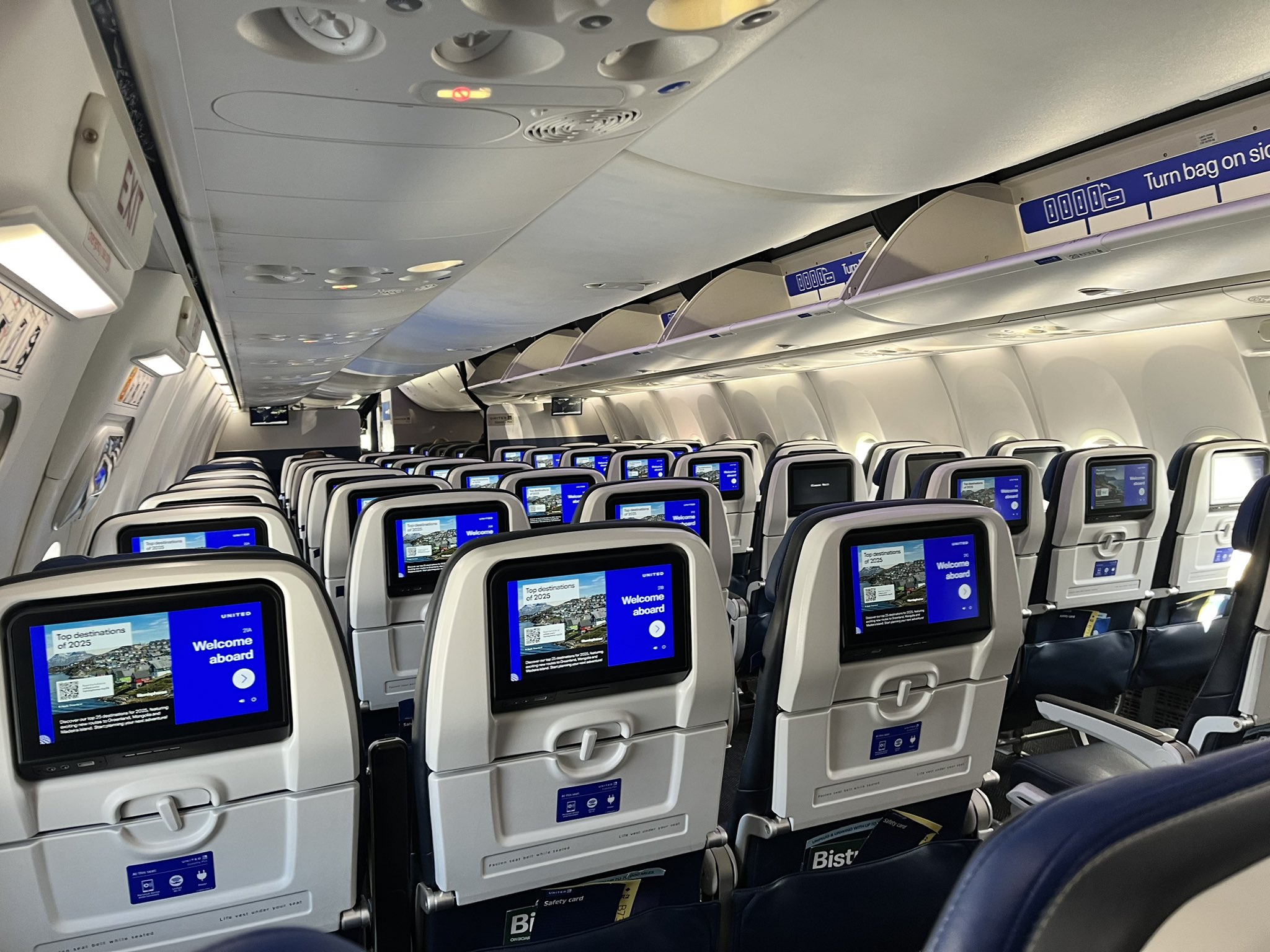
Starlink and other next-generation providers offer high-speed, low-latency internet that makes VoIP calls through platforms like WhatsApp, Zoom, and Microsoft Teams virtually indistinguishable from ground-based calls. As airlines like United, Hawaiian, and JSX roll out Starlink across their fleets, the technical barriers to inflight calling are vanishing. Lawmakers argue that without a federal ban, the sheer ease of making calls will lead to a surge in voice communications, potentially transforming the aircraft cabin into a noisy and chaotic environment.
Defining "Voice Communications" in the Digital Age
A significant point of contention in the proposed regulation involves the precise definition of "engaging in voice communications." The 2018 law and the subsequent Quiet Skies Act target the transmission and reception of voice data. This raises questions about modern workplace habits, specifically regarding "listen-only" participation in digital meetings.
Under the strictest interpretation of the 2014 DOT proposal, even receiving a call or listening to a meeting without speaking could be prohibited. The DOT previously suggested that the ban should include calls "made or received," implying that the mere act of being on a live audio stream could be a violation. If the new regulations follow this logic, passengers would be barred from joining Zoom or Teams calls even if they remain on mute and use noise-canceling headphones.
Conversely, video-only streams without audio or text-based communication remain permitted. The legal distinction hinges on whether the communication is "voice-based." Critics of a broad ban argue that listening to a conference call is no different from listening to a podcast or watching a movie, provided the passenger does not speak and disturb others. However, the DOT has historically leaned toward a broader ban to prevent the "slippage" that occurs when a "listen-only" participant decides to un-mute themselves to offer a brief comment.
Arguments for the Ban: Safety, Security, and Etiquette
Proponents of the Quiet Skies Act, including various flight attendant unions and consumer advocacy groups, argue that a federal ban is essential for maintaining order in the cabin. The Association of Flight Attendants (AFA) has long maintained that inflight voice calls could lead to increased instances of "air rage."
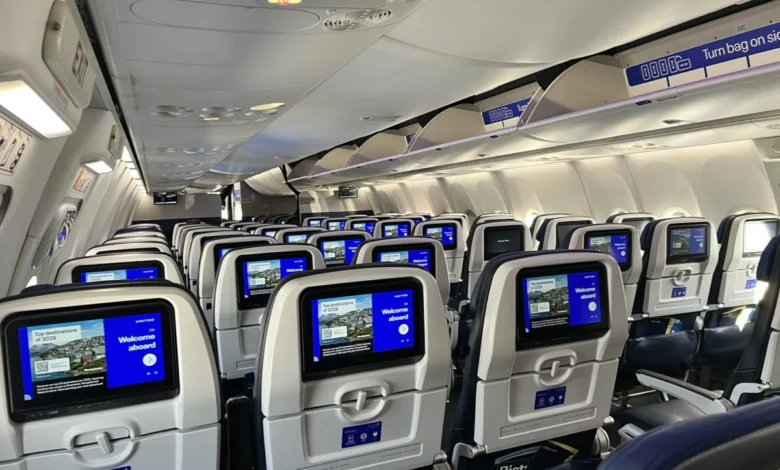
- Cabin Safety and Instructions: Flight attendants argue that passengers engaged in phone conversations are less likely to hear safety briefings or emergency instructions. In a high-stress environment where every second counts, a cabin full of distracted, talking passengers could hinder evacuations or safety protocols.
- Conflict De-escalation: Cabin crews are already tasked with managing passenger disputes over seat reclining, overhead bin space, and mask mandates. Adding the irritation of a loud seatmate on a phone call is viewed by many in the industry as a "breaking point" for passenger relations.
- Security Risks: Some security experts have raised concerns that voice calls could be used to coordinate illicit activities or disrupt the crew’s ability to monitor the cabin for suspicious behavior.
The Quiet Skies Act is framed by its sponsors as a "consumer protection" measure rather than a purely technical safety regulation. Representative Greg Stanton, one of the bill’s co-sponsors, stated that the goal is to ensure that the "flying experience remains as peaceful and safe as possible" for all passengers.
The Counter-Argument: Personal Freedom and Critical Communications
Despite the popularity of a ban among the general public, there is a vocal minority of travelers and civil liberties advocates who view a federal mandate as government overreach. This perspective suggests that airlines should be allowed to set their own policies based on market demand rather than being forced into a one-size-fits-all federal rule.
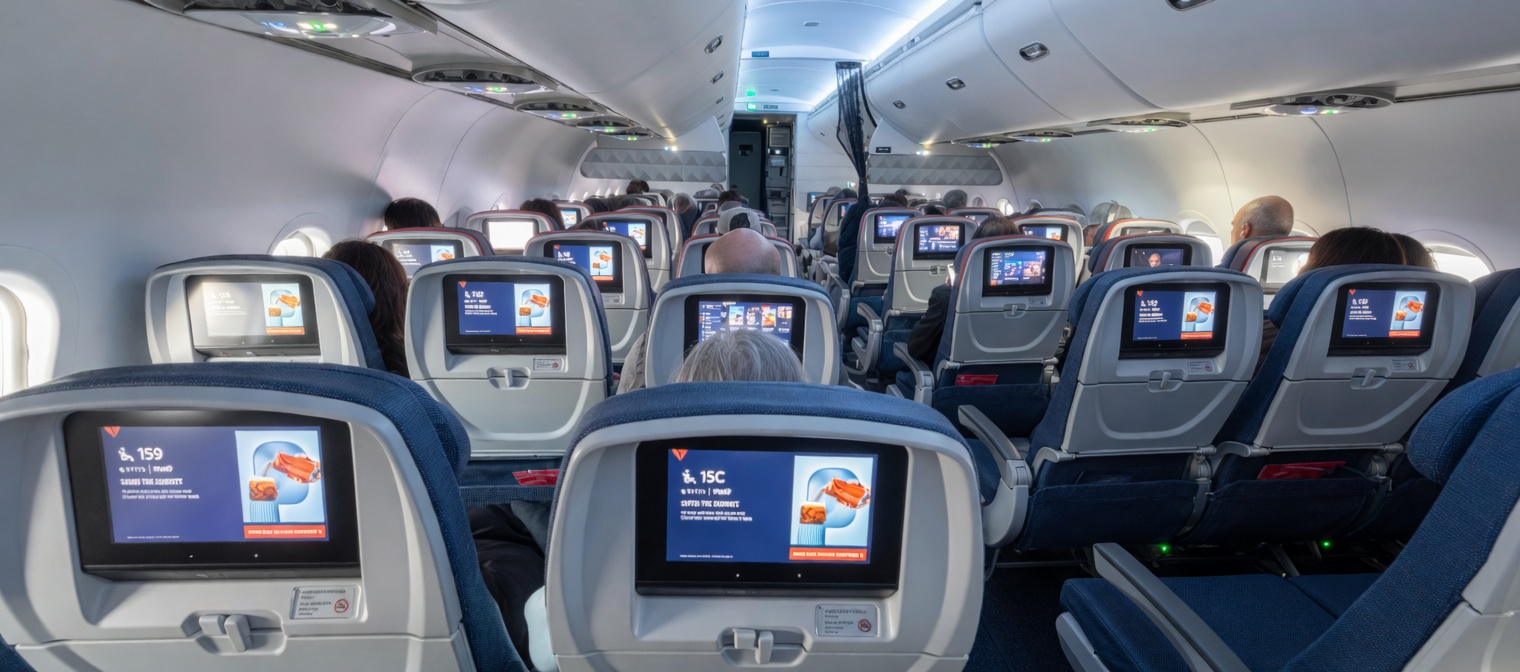
Critics of the ban point to other modes of transportation, such as Amtrak, where phone calls are permitted in most cars except for designated "Quiet Cars." They argue that the vast majority of passengers are capable of self-regulating and using technology respectfully. Furthermore, they note that international carriers, particularly those based in the Middle East and parts of Europe, have allowed inflight calling for years without the "parade of horribles" predicted by U.S. regulators.
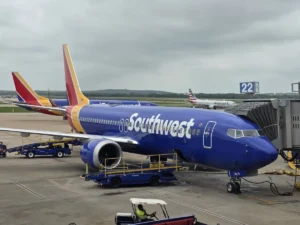
Perhaps the most poignant argument against a total ban involves emergency situations. A documented incident involving a Southwest Airlines passenger highlights the potential stakes. The passenger received a text message from her husband indicating he intended to commit suicide. When she attempted to call him, she was reportedly ordered by a flight attendant to put her phone in airplane mode immediately as the plane pushed back. The husband ended his life while the aircraft was in the air. Advocates for a more flexible policy argue that while routine business calls may be an annoyance, the ability to communicate in a life-or-death emergency is a fundamental necessity that a blanket federal ban might ignore.
Economic and Industry Implications
For airlines, a federal ban provides a level of protection against passenger complaints, but it also removes a potential competitive advantage. If the DOT finalized a rule that allowed for "listen-only" calls or permitted calls in specific sections of the plane (similar to a quiet car on a train), airlines could market those features to business travelers.
Moreover, the ban could affect the ROI for airlines investing heavily in high-speed Wi-Fi. If a significant portion of business utility (such as attending live meetings) is legislated away, the value proposition for expensive inflight internet packages may diminish. However, most industry analysts believe that the demand for high-speed data for streaming, messaging, and web browsing is high enough that a voice call ban will have a negligible impact on Wi-Fi adoption rates.
Chronology of Inflight Calling Regulation
- December 2013: The FCC considers lifting the ban on using cellular frequencies inflight, sparking a massive public outcry.
- February 2014: The DOT issues an NPRM proposing a ban on voice calls on aircraft, citing the public interest in a "quiet" environment.
- 2017: The FCC officially drops its proposal to allow cellular calls on planes, but the issue of Wi-Fi-based VoIP calls remains open.
- October 2018: The FAA Reauthorization Act of 2018 is signed into law, including Section 41725, which mandates a DOT ban on inflight voice calls.
- 2019–2024: The DOT fails to issue the final implementing regulations, leaving the 2018 law effectively toothless at the federal enforcement level.
- July 2026: The Quiet Skies Act is introduced in the House of Representatives to force the DOT to act within a 180-day window.
Current Status and Future Outlook
The Quiet Skies Act has been referred to the House Committee on Transportation and Infrastructure. As a bipartisan bill, it has a higher likelihood of moving through the legislative process than more partisan measures. However, the congressional calendar and shifting political priorities will determine how quickly it reaches a floor vote.
If passed, the bill will represent a definitive end to the decade-long debate over inflight calling in the United States. By moving the issue from an airline-by-airline policy to a federal mandate, the government would be setting a permanent standard for the American "passenger experience." While the ban is likely to be welcomed by those who value the relative silence of the skies, it will continue to face scrutiny from those who believe that in an increasingly connected world, the airplane cabin should not be a "black hole" for voice communication.
The Department of Transportation has not yet issued an official statement regarding the new bill, but the mandate of the Quiet Skies Act would leave the Secretary of Transportation with little choice but to move forward with a rulemaking process that has been stalled for the better part of a decade. For now, the "quiet skies" remain a matter of airline policy, but they may soon be a matter of federal law.