Senator Josh Hawley Demands Federal Criminal Probe into Plan C for Alleged Illegal Abortion Pill Distribution in Ban States

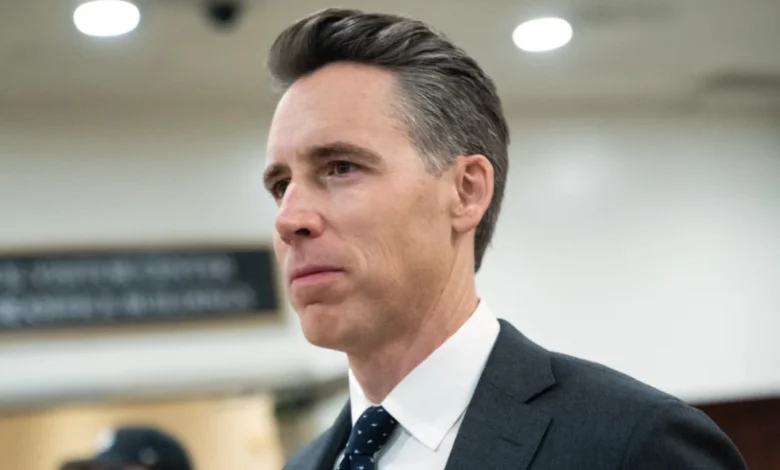
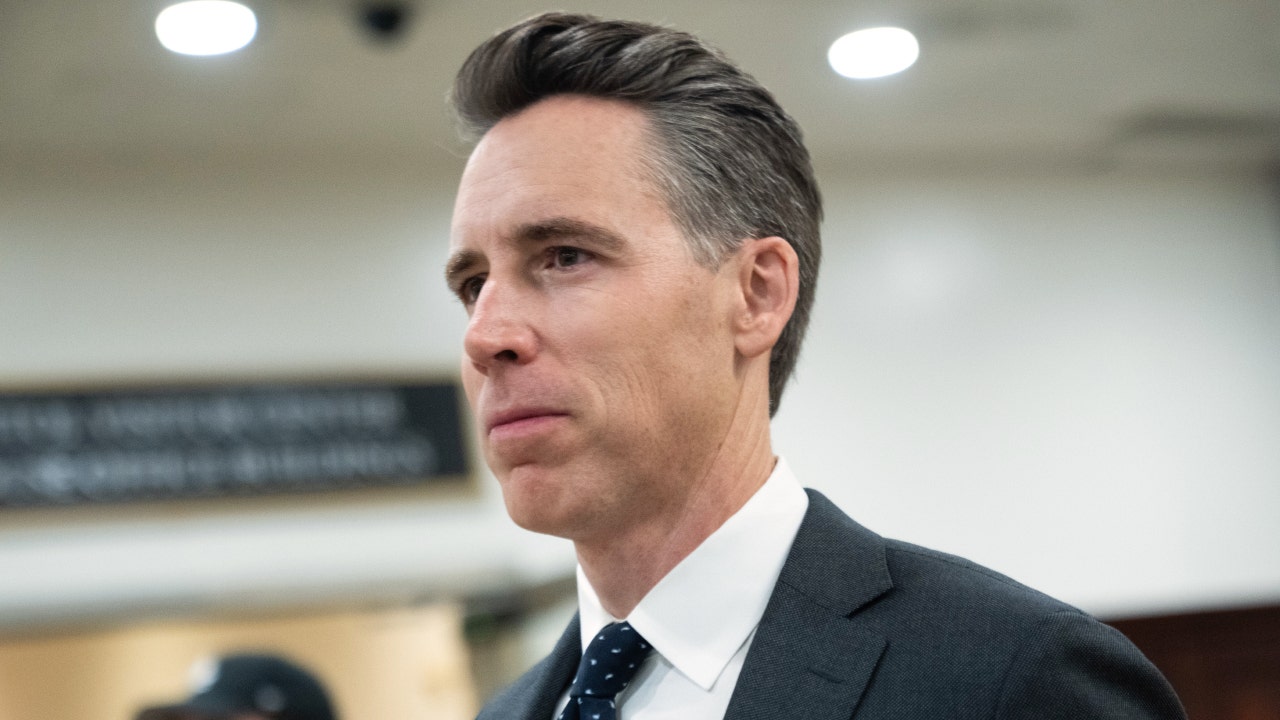
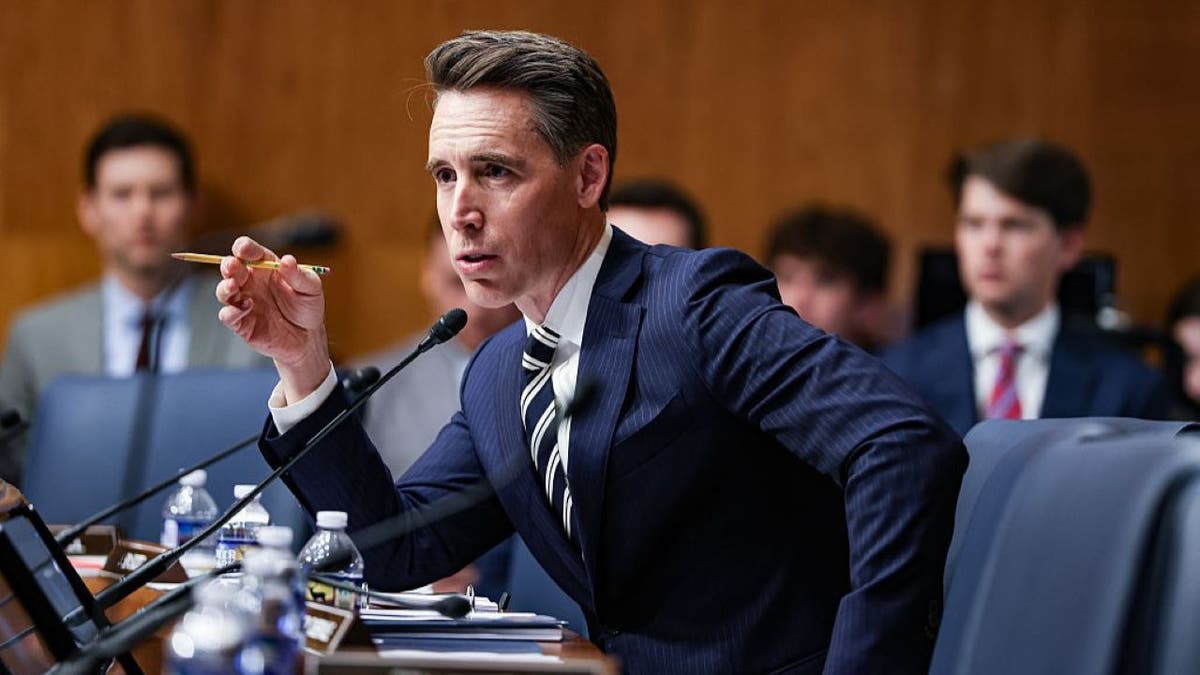
In a significant development first reported by Fox News Digital, Senator Josh Hawley (R-MO) has initiated a federal criminal referral, urging the Justice Department to launch an investigation into Plan C, an organization he alleges is operating as a central referral and logistics hub for illegally distributing abortion pills into states where the procedure is banned. The referral, contained within a letter sent Thursday to Acting Attorney General Todd Blanche, contends that Plan C, despite presenting itself as a "public health information campaign," is actively circumventing state laws designed to restrict or prohibit abortion access following the Supreme Court’s decision in Dobbs v. Jackson Women’s Health Organization.
Hawley’s letter details a series of accusations, asserting that Plan C connects women in states with strict abortion bans, such as Florida, Oklahoma, and Texas, with foreign clinics and online vendors willing to mail abortion medications into the United States. These transactions, he claims, often occur without the requisite prescriptions, identification, or medical consultations, directly contravening both state regulations and potentially federal statutes governing pharmaceutical distribution. The senator characterized Plan C as a "left-wing dark-money operation," whose activities, in his view, necessitate a robust federal criminal investigation to uphold the rule of law and protect public health.
The Evolving Landscape of Abortion Access Post-Dobbs
The Supreme Court’s landmark decision in Dobbs v. Jackson Women’s Health Organization in June 2022 fundamentally altered the legal landscape of abortion in the United States. By overturning Roe v. Wade and Planned Parenthood v. Casey, the Court eliminated the constitutional right to abortion, returning the authority to regulate or ban the procedure to individual states. This ruling triggered a cascade of legislative actions, with many states swiftly enacting new restrictions or outright bans on abortion, while others moved to codify and protect abortion access.
In this bifurcated legal environment, medication abortion has emerged as a central point of contention. Consisting primarily of two drugs, mifepristone and misoprostol, medication abortion accounts for more than half of all abortions in the U.S. Its relatively private nature and potential for telemedicine-based provision have made it a critical pathway for individuals in states with restrictive laws to access abortion services. The Food and Drug Administration (FDA) initially approved mifepristone in 2000, and over the years, has eased some restrictions on its distribution, including allowing certified pharmacies to dispense it and permitting prescribing via telehealth. However, these federal allowances often clash directly with state-level prohibitions on abortion or specific regulations on medication abortion.
The legal and political battle over mifepristone continues to unfold, exemplified by cases like Alliance for Hippocratic Medicine v. FDA, which sought to revoke the drug’s FDA approval entirely or reinstate stricter access protocols. While the Supreme Court has maintained mifepristone’s availability for now, the ongoing legal challenges underscore the volatile nature of abortion access and the increasing focus on the mechanisms of medication abortion delivery. Against this backdrop, organizations like Plan C have gained prominence, seeking to provide information and resources for individuals navigating these complex legal waters.
Detailed Allegations: Plan C’s Alleged Role in Circumvention
Senator Hawley’s criminal referral meticulously outlines several alleged activities by Plan C that he believes cross the line from informational service to active participation in illegal drug distribution and conspiracy.
1. Referral and Logistics Hub: Hawley asserts that Plan C functions as more than just an information aggregator; it is, in his words, a "referral and logistics hub." The organization allegedly guides women in states where abortion is banned to specific foreign clinics and online vendors that are willing to ship abortion pills directly to addresses within the United States. This direct connection, Hawley argues, facilitates the importation of drugs not approved or regulated for distribution within these states, bypassing established legal and medical channels. The states specifically mentioned – Florida, Oklahoma, and Texas – represent jurisdictions with some of the most stringent abortion laws in the nation, making any facilitation of abortion access there particularly contentious.
2. Unregulated Online Vendors and Safety Concerns: A core concern raised by Hawley pertains to the nature of the online vendors Plan C reportedly promotes. He claims these vendors sell abortion drugs without requiring prescriptions, identification, or prior medical consultations. Compounding this, Hawley points out that Plan C itself acknowledges on its website that pills obtained through some of these recommended sites are "not regulated or inspected by the US government." This admission, according to the senator, highlights a significant public health risk, as it suggests the drugs’ safety, efficacy, and authenticity cannot be guaranteed, potentially exposing users to substandard or counterfeit medications. The absence of medical oversight also raises concerns about proper diagnosis, management of potential complications, and contraindications.
3. Advising on Digital Evasion: The referral also highlights Plan C’s guidance on how users can "limit their digital footprint." Hawley notes that the organization recommends the use of privacy-focused browsers, virtual private networks (VPNs), and encrypted email services. While these tools can be used for legitimate privacy concerns, Hawley implies that in the context of facilitating access to potentially illegal abortion pills, such advice serves to help individuals evade detection by law enforcement. This aspect of the guidance suggests a deliberate attempt to obscure the trail of communication and transactions, further supporting the senator’s claim of a coordinated effort to circumvent state laws.
4. Exceeding FDA and State Gestational Limits: Hawley’s referral takes issue with Plan C allegedly directing women to providers who are willing to prescribe abortion pills through 14 weeks of pregnancy. This timeframe, he argues, extends "beyond the Food and Drug Administration’s approved labeling for mifepristone" and "beyond the limits set by several states." The FDA’s approved protocol for mifepristone is generally for use up to 10 or 11 weeks of gestation, depending on the specific regimen. Directing individuals to providers offering services beyond these limits not only raises questions about adherence to federal drug regulations but also potentially exposes individuals to higher medical risks associated with later-term medication abortions, which are often more complex.
5. Acknowledged Legal Risks: Finally, Hawley points to Plan C’s own website, which reportedly warns users about potential legal consequences for obtaining abortion pills through the services it recommends. The site, according to Hawley, states that it is "up to every individual to decide what level of legal risk they are willing to take." For Hawley, this acknowledgment by Plan C itself further reinforces the notion that the organization is fully aware of the potentially illicit nature of the activities it facilitates, yet continues to promote them.
Legal Framework and Potential Federal Violations
Senator Hawley’s criminal referral posits that Plan C’s alleged conduct could violate multiple federal laws, placing the organization’s activities squarely within the jurisdiction of the Department of Justice.
1. Federal Food, Drug and Cosmetic Act (FDCA): Central to Hawley’s argument are provisions of the FDCA. This comprehensive law grants the FDA authority to oversee the safety and efficacy of drugs, medical devices, and other products. Violations cited could include:
- Introduction of Unapproved Drugs into Interstate Commerce: The FDCA prohibits the introduction or delivery for introduction into interstate commerce of any new drug for which an application is not effective. If foreign clinics or online vendors are shipping abortion pills into the U.S. without proper FDA approval for their specific use and distribution, this could constitute a violation.
- Misbranding: Drugs are considered "misbranded" under the FDCA if their labeling is false or misleading, if they are offered for sale under the name of another drug, or if they are not in conformity with recognized pharmacopeia standards. Pills sourced from unregulated online vendors, lacking proper labeling or instructions, could fall under this category.
- Illegal Importation of Prescription Drugs: The FDCA regulates the importation of drugs, generally requiring them to meet U.S. standards. The direct shipment of prescription drugs from foreign entities into the U.S. without proper authorization and oversight is often illegal.
2. Federal Conspiracy Statutes: Hawley suggests that Plan C’s activities could also trigger federal conspiracy laws. A federal conspiracy typically involves two or more persons agreeing to commit an unlawful act and taking an overt step in furtherance of that agreement. If Plan C, foreign clinics, and online vendors are acting in concert to circumvent state and federal drug laws, a conspiracy charge could be applicable.
3. Aiding and Abetting Statutes: Federal law also provides for criminal liability for those who "aid and abet" the commission of a federal offense. If the direct suppliers of the abortion pills are found to be violating federal laws (e.g., FDCA violations), Plan C, by actively connecting users to these suppliers and providing guidance, could potentially be charged with aiding and abetting those violations.
The invocation of these federal statutes underscores a potential strategy by anti-abortion advocates to leverage federal power to enforce abortion restrictions, even as the Dobbs decision ostensibly pushed abortion policy to the state level. The Justice Department, under Acting Attorney General Todd Blanche, would face the complex task of navigating these overlapping jurisdictions and the highly politicized nature of abortion law.
Chronology of Escalating Tensions and Previous Actions
The current criminal referral from Senator Hawley is not an isolated event but rather a continuation of escalating tensions and legislative efforts surrounding abortion access, particularly medication abortion, since the Dobbs decision.

- June 2022: Dobbs v. Jackson Women’s Health Organization – The Supreme Court overturns Roe v. Wade, eliminating the constitutional right to abortion and empowering states to ban or restrict the procedure. This immediately led to numerous state-level abortion bans and trigger laws taking effect.
- Post-Dobbs Era: Rise in Medication Abortion Seeking – In the wake of state bans, there was a noticeable surge in demand for medication abortion, often sought through telehealth providers or organizations that could facilitate access across state lines or via mail.
- Early 2023: State-Level Restrictions on Abortion Pills – Many states with abortion bans began enacting specific laws targeting the distribution and use of abortion pills, including prohibitions on telehealth prescriptions and mail delivery.
- March 2023: Alliance for Hippocratic Medicine v. FDA – A federal lawsuit is filed challenging the FDA’s approval of mifepristone, seeking to reverse its approval or impose severe restrictions. This case highlights the ongoing national legal battle over medication abortion.
- May 2023: Hawley’s Previous DOJ Probe Urging – Senator Hawley previously urged the DOJ to investigate abortion pill manufacturers over safety concerns, indicating a consistent focus on this issue. This earlier action signals his long-standing concerns about the regulation and distribution of these drugs.
- November 2023: "Blue State Shield Laws" Report – A Fox News Digital report, linked in the original article, highlighted findings from a pro-life group indicating that "blue state shield laws allowed 330K abortion pills to be sent to abortion ban states." These "shield laws," enacted by states protecting abortion access, aim to prevent their residents or providers from being prosecuted by states with bans. This report contextualizes the scale of interstate medication abortion movement that Hawley’s referral now seeks to target, suggesting that Plan C may be a facilitator within this broader network.
This timeline illustrates a consistent effort by anti-abortion advocates and lawmakers to find legal avenues, both at the state and federal level, to restrict abortion access, with medication abortion and its distribution network increasingly becoming a primary target.
Anticipated Reactions and Broader Implications
Senator Hawley’s criminal referral to the Justice Department is poised to elicit strong reactions from various stakeholders and carries significant implications for the future of abortion access and legal enforcement.
Reactions:
- Senator Hawley and Pro-Life Advocates: They will likely emphasize the importance of upholding state sovereignty and enforcing laws that reflect the will of the people in states with abortion bans. Their arguments will center on the alleged illegality of Plan C’s operations, the public health risks associated with unregulated drugs, and the perceived circumvention of legitimate legislative processes. They will view a DOJ investigation as a necessary step to ensure accountability and deter similar activities.
- Plan C and Pro-Choice Advocates: While Fox News Digital reached out to Plan C for comment in the original report, their likely defense would be rooted in the principles of reproductive freedom and the right to access essential healthcare, especially in states where such access is severely limited. They would likely argue that Plan C operates as an information provider, protected by free speech, and does not directly dispense medication. They might assert that their guidance helps individuals make informed decisions about their health and safety in a challenging legal environment. They could also criticize the referral as a politically motivated attack aimed at further restricting abortion access.
- The Justice Department: Acting Attorney General Todd Blanche and the DOJ will be in a sensitive position. They are likely to acknowledge receipt of the referral, stating that such requests are reviewed carefully according to standard departmental procedures. Given the highly politicized nature of abortion, any decision to open an investigation would be met with intense scrutiny from both sides of the debate. The DOJ will need to weigh the legal merits of Hawley’s claims against potential First Amendment arguments and the complexities of enforcing federal drug laws in the context of state-level abortion bans.
- Medical and Public Health Communities: Experts might express concerns about the implications for patient safety if individuals are forced to seek unregulated sources for medication due to legal restrictions. They might also highlight the importance of medical oversight in any abortion process, regardless of method.
Broader Implications:
- Legal Precedent: A federal criminal investigation or prosecution of Plan C could set a significant legal precedent. It could establish how the Justice Department interprets and enforces federal drug laws in relation to organizations facilitating abortion access in post-Dobbs America. This could have a chilling effect on other similar organizations or, conversely, galvanize pro-choice groups to seek further protections.
- Federal vs. State Power: The referral further intensifies the clash between federal and state authority over abortion. While Dobbs delegated abortion regulation to states, federal laws regarding drug distribution and conspiracy remain. The DOJ’s response will indicate the extent to which the federal government is willing to intervene in state-level abortion enforcement through federal criminal statutes.
- Access to Abortion: If Hawley’s referral leads to successful enforcement actions, it could significantly curtail the pathways for individuals in restrictive states to access medication abortion. This would further deepen the existing disparities in abortion access across the country.
- Political Ramifications: The issue is guaranteed to remain a prominent talking point in national political discourse, especially leading into future elections. It highlights the ongoing struggle over reproductive rights and the creative ways both sides are attempting to achieve their objectives within the current legal framework.
- Role of Digital Platforms and Information Dissemination: The case also raises questions about the responsibility of online platforms and information providers in a legally complex and politically charged area. It could lead to debates about censorship, freedom of information, and the boundaries of legal liability for facilitating access to controversial services.
In conclusion, Senator Josh Hawley’s criminal referral against Plan C represents a pivotal moment in the post-Dobbs landscape. It underscores the multifaceted legal and political battle surrounding abortion access in the United States, particularly concerning medication abortion. The Justice Department’s response will not only determine the immediate fate of Plan C but also cast a long shadow over the future of reproductive healthcare access and the intricate balance of federal and state powers in America.