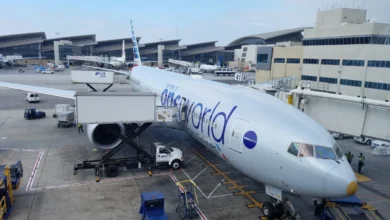
Scoop: American Airlines Is Reopening Its Exclusive LAX Dining Room Next Week After 6 Years—Here’s How To Get In

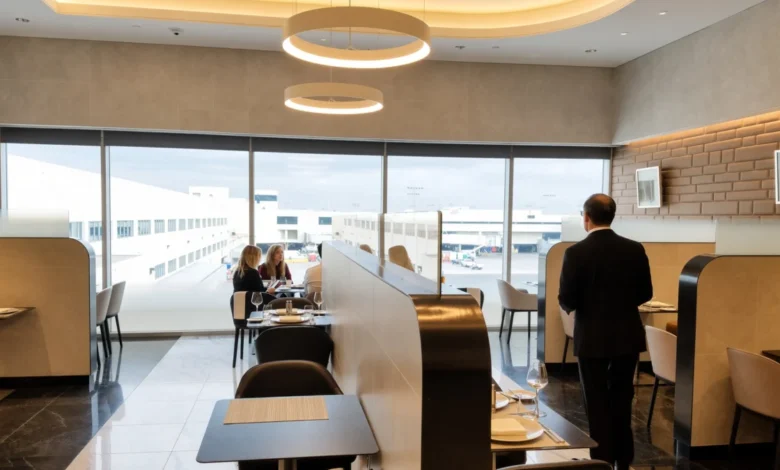
A Strategic Pivot in Premium Dining
The Flagship Dining facility at LAX has been shuttered since March 2020, a victim of the widespread operational contraction necessitated by the global pandemic. In its previous iteration, the dining room served as an ultra-exclusive sanctuary reserved strictly for international first-class ticket holders. However, American Airlines has since rebranded the concept, dropping the "First" moniker to reflect a modernized approach to its premium cabin offerings.

This shift aligns with the carrier’s broader fleet modifications, specifically the decision to phase out traditional international first-class cabins on its Boeing 777-300ER aircraft and the replacement of the premium-heavy Airbus A321T transcontinental fleet. By opening the dining rooms to qualifying business class passengers, American is effectively democratizing the experience while maintaining a point of differentiation in a highly competitive transcontinental and international market.
Chronology of the Flagship Dining Rollout
The reopening at LAX is the third major milestone in this rollout. American Airlines began the transition on September 15, when it successfully integrated Flagship Dining into the Flagship Business and Flagship Business Plus passenger experience at its hubs in Dallas/Fort Worth (DFW) and Miami (MIA).

The historical timeline of the facility is defined by three distinct phases:
- The Pre-2020 Exclusive Era: A period characterized by low occupancy, highly personalized service, and a distinct separation from the standard lounge population.
- The Pandemic Hiatus (2020–2025): A five-year closure during which the airline recalibrated its ground product strategy.
- The Post-2025 Reintegration: The current phase, where the dining rooms are being repositioned as a tiered amenity for business class travelers, aiming to add value to premium fares in the face of stiff competition from Delta Air Lines and United Airlines.
Access Criteria and Passenger Eligibility
The eligibility requirements for the LAX facility are precise. Access is granted to passengers on qualifying long-haul international, premium transcontinental, and Flagship Hawaii itineraries. Notably, this includes specific domestic routes, such as the Los Angeles to New York (JFK) corridor, provided the passenger is ticketed in the appropriate business class cabin. Standard domestic first-class tickets do not confer access, nor does the possession of Oneworld or AAdvantage elite status if the passenger is traveling in a lower cabin class.

For frequent flyers who do not meet these specific cabin criteria, American maintains a legacy pathway through the AAdvantage program. Platinum Pro members may redeem 25,000 miles, while Executive Platinum members may redeem 20,000 miles for a Flagship Dining pass. This pass serves as an inclusive benefit, covering the member and their immediate family—or up to two guests—regardless of their ticketed cabin class, provided they are traveling on an American or Oneworld flight.
Culinary Upgrades and Strategic Partnerships
To distinguish the relaunched experience, American has revamped its culinary and beverage offerings. The airline has debuted a curated wine and chocolate pairing program, featuring the KHK Hillside Cabernet Sauvignon, a label that retails for approximately $125 per bottle. This is paired with artisan chocolates from K+M, a brand co-founded by celebrity chef Thomas Keller.

Furthermore, the DFW location has introduced high-end labels like Bollinger La Grande Année, which carries a retail value of roughly $200 per bottle. While some industry analysts have noted the unconventional use of such high-value vintages in mixed cocktails—such as the airline’s cranberry orange spritz—the inclusion of these products represents a concerted effort to elevate the perception of the airline’s ground hospitality.
Comparative Analysis: The Competitive Landscape
The aviation industry is currently embroiled in a "lounge war," with major carriers investing heavily in ground infrastructure to capture the high-yield business traveler. Delta Air Lines has aggressively expanded its footprint at LAX with the introduction of dedicated Delta One lounges, which offer comprehensive table service across the entire facility. Similarly, United Airlines continues to leverage its Polaris Lounge network, which features a sit-down dining component as a cornerstone of its business-class experience.
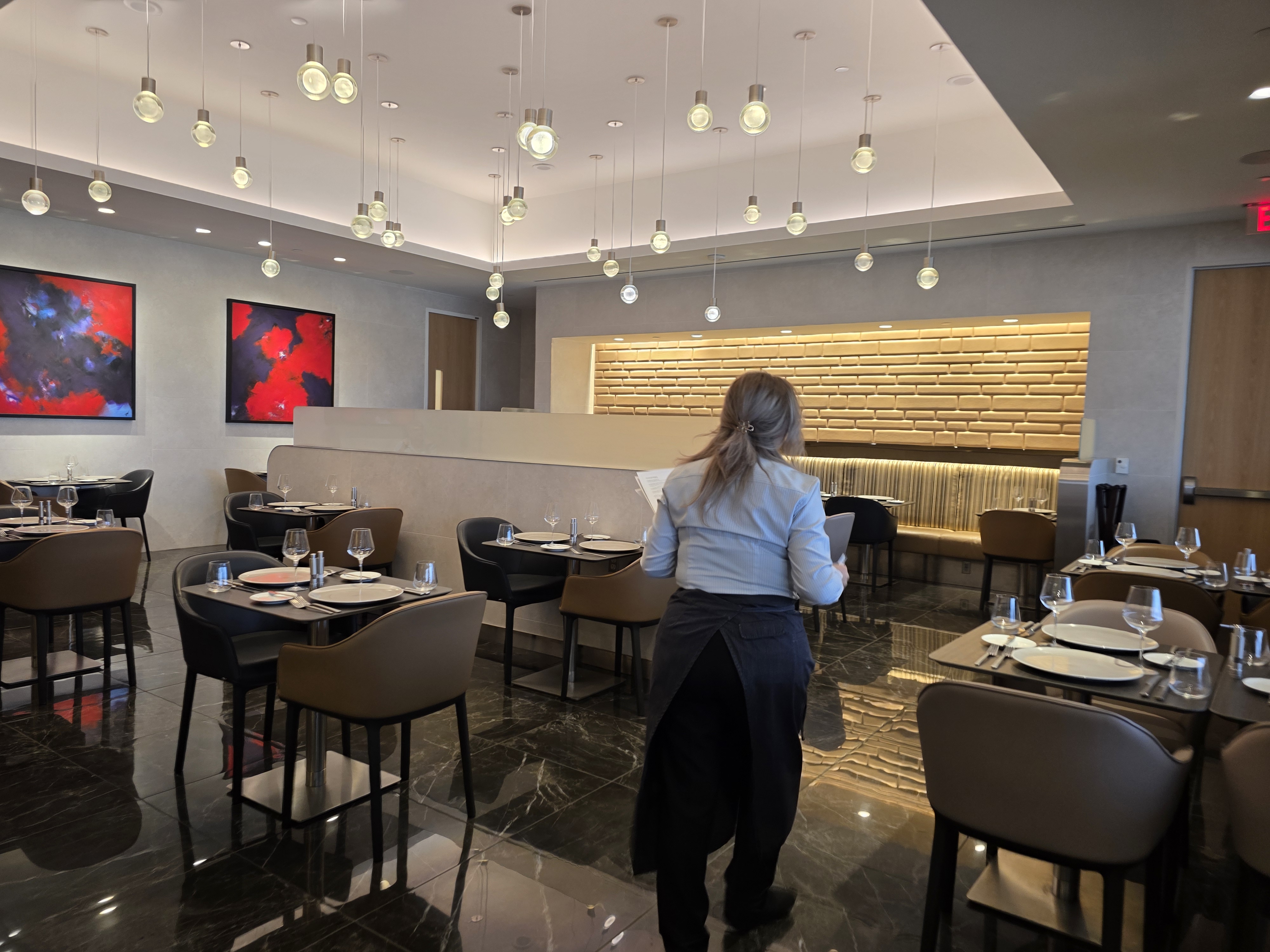
American Airlines faces a unique challenge: balancing the capacity of its lounges with the demand for personalized service. While the Flagship Lounge itself has seen improvements—such as a more robust buffet, a staffed charcuterie station, and a QR-code-based ordering system that delivers made-to-order meals in under five minutes—it remains distinct from the specialized dining room.
From a market standpoint, American’s strategy offers a distinct value proposition. While United Airlines restricts Polaris Lounge access based on fare class and Delta is set to implement new restrictions on "Basic Business" fares starting January 19, 2027, American’s broader access model may appeal to travelers seeking consistent amenities across various fare types. However, this accessibility introduces a potential friction point: volume.

Operational Challenges and Future Implications
The inherent tradeoff of expanding access to the dining room is the potential for overcrowding. The Flagship Dining room at LAX is a finite space, featuring roughly 59 seats. During its previous iteration, the room rarely saw more than a handful of guests at any given time. As the population of eligible business class travelers is significantly larger than the population of first-class travelers, American has implemented an electronic waitlist system to manage demand.
Travelers are advised that during peak departure periods, the dining room may reach capacity quickly. The airline recommends that passengers check in with the lounge host upon arrival to secure a place on the waitlist.

Looking forward, the success of the LAX reopening will serve as a bellwether for the remaining Flagship lounges in the network. If the dining experience can maintain its quality while accommodating a higher volume of guests, it could provide American with a vital competitive edge. Conversely, if wait times become excessive, the airline may face pressure to further adjust its access criteria or expand the footprint of its premium dining spaces.
As American Airlines continues to navigate the complexities of post-pandemic travel, the Flagship Dining program stands as a clear indicator of the carrier’s intent to prioritize the premium passenger experience. By integrating high-end culinary options with a more accessible entry model, the airline is attempting to define a new standard for domestic premium travel, placing the burden of proof on the operational execution of the service itself. Whether this model proves sustainable in the long term remains to be seen, but for now, it represents a significant upgrade for travelers transiting through Los Angeles.