The Culinary Evolution of Ina Garten: An In-Depth Look at Simply Ina and the Changing Landscape of Home Cooking

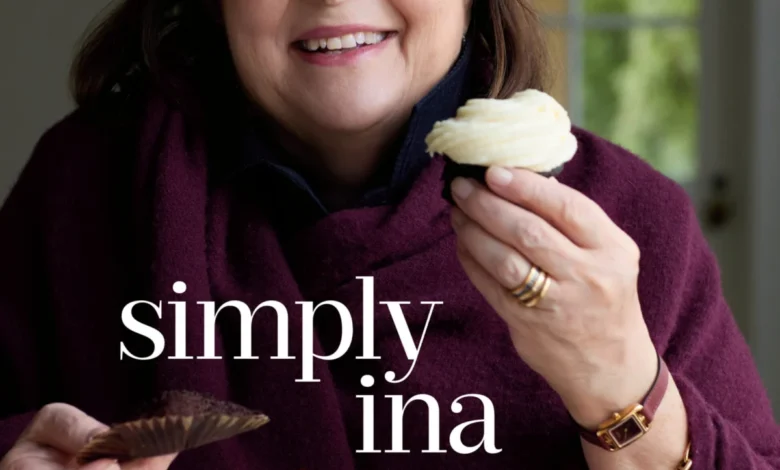
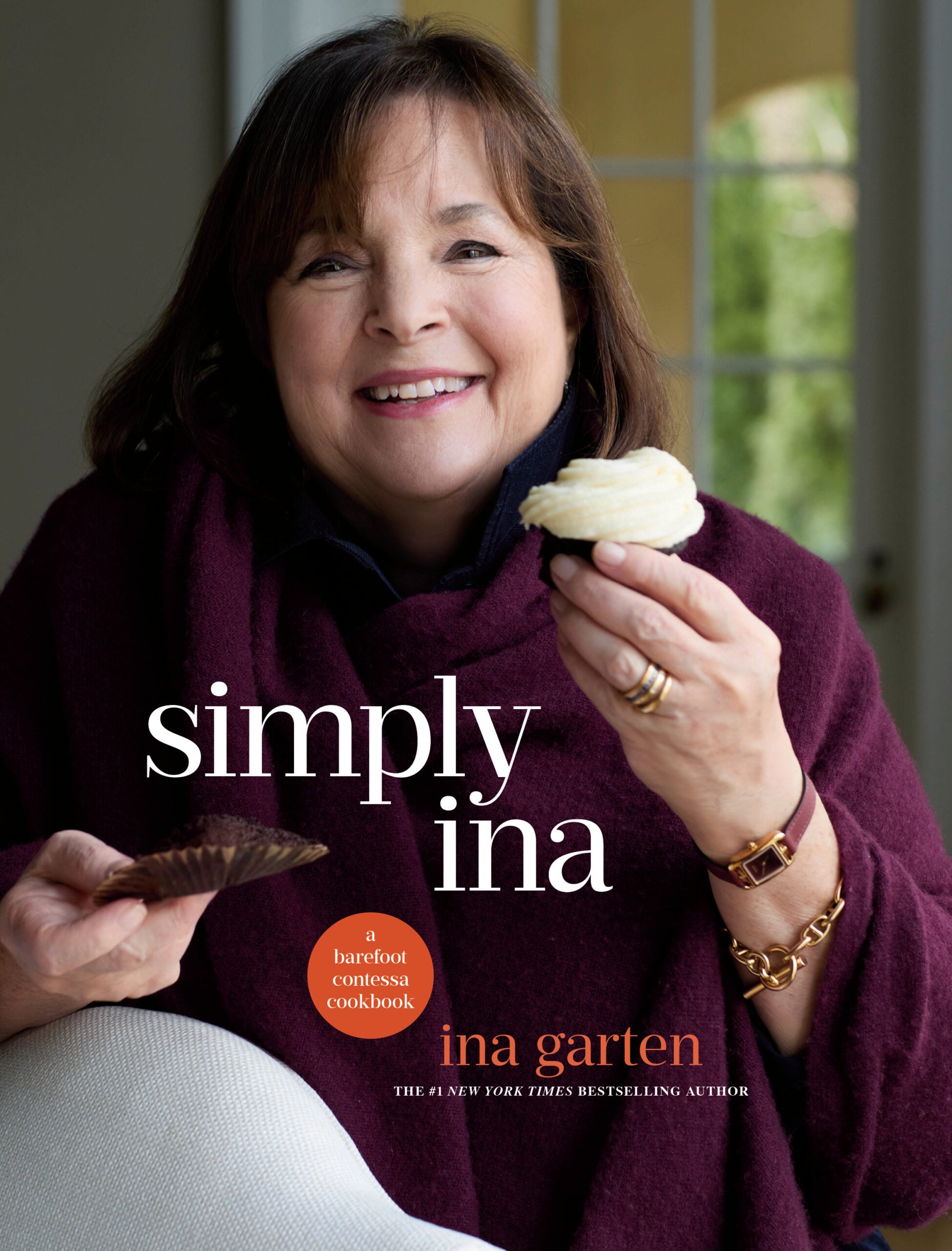
Ina Garten’s latest literary endeavor, Simply Ina, marks the 14th installment in a storied career that has spanned over two decades, redefining the relationship between high-end culinary standards and home-kitchen accessibility. The release of this cookbook arrives at a pivotal moment in the culinary industry, as consumers increasingly prioritize efficiency, ingredient quality, and the reduction of unnecessary complexity in their daily meal preparation. Garten’s methodology, which emphasizes the strategic use of high-quality shortcuts and a rigorous commitment to ingredient integrity, continues to serve as a bellwether for home cooking trends in the United States.

The Philosophy of Simply Ina
The core premise of Simply Ina is a distillation of years of culinary refinement. Garten suggests that the contemporary home cook is not necessarily looking to abandon scratch cooking, but rather to optimize the process. By integrating professional-grade pre-prepared items—such as high-quality jarred sauces or specialty grocery store components—Garten argues that cooks can achieve sophisticated results without the prohibitive time investment that previously characterized traditional home cooking.
This approach reflects a broader shift in domestic habits. Data from the Bureau of Labor Statistics on time-use in households suggests that while interest in home cooking remains high, the time allocated to active food preparation has decreased as convenience-oriented, high-quality products have proliferated in the marketplace. Garten’s validation of these products—specifically citing brands like Rao’s and Trader Joe’s—serves to bridge the gap between artisanal cooking and modern time-constrained lifestyles.

A Chronology of Culinary Influence
Ina Garten’s ascent to becoming a household name began with the launch of the Barefoot Contessa store in Westhampton, New York, in 1978. Her transition from a specialty food shop owner to a global media brand is marked by a series of strategic expansions:
- 1999: Publication of her first cookbook, The Barefoot Contessa Cookbook, which established her reputation for accessible luxury.
- 2002: The premiere of her television series, Barefoot Contessa, on the Food Network, which brought her signature aesthetic and teaching style to a mass audience.
- 2010–2020: A decade of significant diversification, including the expansion of her product line and a shift toward digital engagement through social media platforms.
- 2024: The release of her memoir, which provided deeper insight into her personal and professional journey, further solidifying her status as a cultural icon.
- 2026: The launch of her podcast, Happy Hour, and the publication of Simply Ina, indicating a strategic pivot toward audio storytelling and simplified, modern recipe development.
The Role of Ingredients and Refinement
A central theme in Garten’s recent work is the rigorous testing process required for each recipe. According to Garten, every recipe in her new collection undergoes roughly 20 iterations before publication. This process is driven by a specific metric: whether an ingredient is essential enough to justify its presence on a home cook’s shelf.
This analytical approach to recipe development contrasts with the "maximalist" cooking trends often seen on social media, which frequently prioritize aesthetics over the utility of the ingredients. Garten’s emphasis on "unctuous" textures and flavor balance—often achieved through the judicious use of fats like high-quality butter—suggests a return to foundational culinary principles, even as she adopts modern efficiency standards.
Industry Implications: The "Ina Effect"
The impact of Garten’s endorsements and techniques, often referred to as the "Ina Effect," remains a significant force in the food industry. When Garten highlights a specific product or ingredient, it often experiences an immediate uptick in consumer demand. Her vocal support for specific pantry staples, such as premium butter and specific marinara brands, provides a powerful case study in the influence of established culinary experts on market trends.
Furthermore, her recent entry into the podcasting space with Happy Hour highlights the importance of the "human element" in culinary media. By focusing on interviews that prioritize vulnerability and connection, Garten is adapting to a media landscape that favors intimate, long-form conversation over traditional, instructional video content. This shift suggests that the future of culinary expertise lies in community-building and personal storytelling rather than merely providing technical instruction.
Perspectives on Modern Hosting
Garten’s philosophy on hosting—which she describes as a means of fostering community—remains consistent despite the evolving nature of social interaction. In the post-pandemic era, the return to home entertaining has seen a resurgence in interest, yet the barriers to entry remain high for those who feel intimidated by the pressure of perfection.
Garten’s advice for alleviating host anxiety is grounded in practical, low-stakes strategies. By encouraging hosts to focus on simple, high-quality dishes and creating an environment where guests feel immediately welcomed, she aims to lower the psychological barrier to social gathering. Her insistence on the "big hug" as an icebreaker is emblematic of her broader goal: to make professional-level hosting feel attainable for the average home cook.
Critical Analysis: Evolution vs. Consistency
A critical question in examining Garten’s career is how she maintains a singular point of view while the food industry undergoes rapid, sometimes volatile, changes. While many chefs have pivoted to reflect global trends or plant-based movements, Garten has remained largely committed to a classic, albeit refined, style of American-French cuisine.

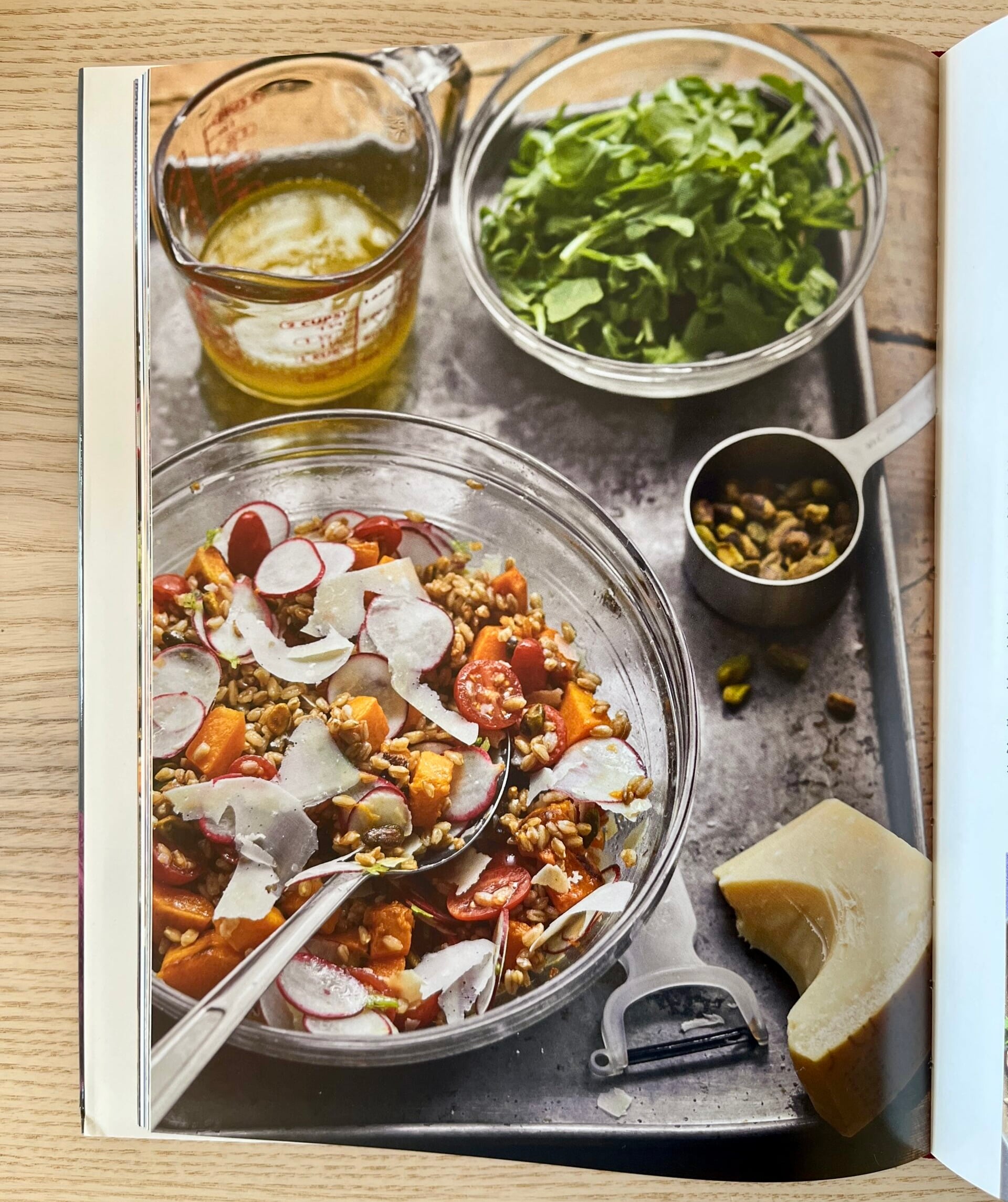
Industry analysts suggest that this consistency is her primary competitive advantage. In a market saturated with culinary trends that fluctuate on a monthly basis, Garten’s brand offers stability and predictability. Her ability to selectively incorporate modern elements—such as the inclusion of truffle butter or contemporary vegetable-forward salads—allows her to remain relevant without compromising the core identity of her brand.
Looking Forward
As Garten moves into this next chapter, the emphasis remains on the democratization of high-quality dining. By bridging the gap between convenience and craftsmanship, she is setting a blueprint for future cookbook authors and media personalities. The release of Simply Ina is not merely a commercial event; it is a reflection of a broader, ongoing transition in how society views the intersection of labor, time, and quality in the kitchen.
Ultimately, Garten’s career serves as a roadmap for sustained success in a digital-first environment. By leveraging her established credibility, embracing new media formats, and remaining steadfast in her core culinary philosophy, she continues to exert significant influence over the domestic landscape. For the home cook, the message is clear: sophisticated, community-oriented dining does not require an abundance of time or complex technique—it requires only the right ingredients and the willingness to simplify the process.