Citi adds $200 in annual inKind dining credits to the American Airlines AAdvantage Executive card to bolster value proposition

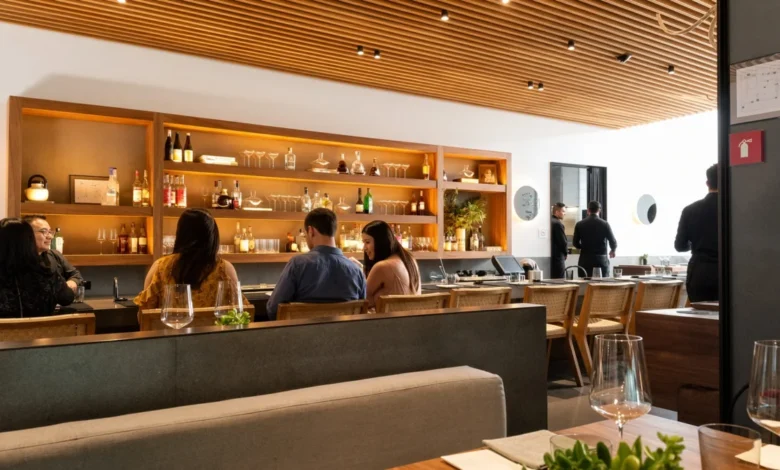
The financial services landscape for premium travel credit cards is undergoing a significant shift as issuers move to justify rising annual fees with lifestyle-integrated benefits. Citigroup has officially confirmed the integration of a $200 annual dining credit via the inKind platform for holders of the Citi / AAdvantage Executive World Elite Mastercard. This update, effective immediately, marks a strategic expansion of the card’s non-travel perks, aiming to provide tangible value that offsets the product’s $695 annual fee.
The implementation of this benefit follows a period of speculation after the credit briefly appeared and subsequently vanished from the benefits dashboard within the Citi mobile application. A spokesperson for the bank has since verified that the program is active, providing eligible cardholders with $100 in dining credits for the first half of the calendar year (January through June) and an additional $100 for the second half (July through December).
Mechanics of the inKind Partnership
The inKind platform operates on a unique fintech model that serves both as a dining application for consumers and a capital-provision service for the restaurant industry. By providing upfront liquidity to restaurants in exchange for future food and beverage credits, inKind creates a digital marketplace where these credits can be sold or gifted to diners.

For Citi / AAdvantage Executive cardholders, the process of accessing the credit is streamlined. Users must download the inKind mobile application and link their eligible credit card to their profile. When dining at a participating establishment, the user selects the restaurant within the application, inputs their check number, and applies the available credit toward the final bill.
It is important to note that this credit applies specifically to food and beverage charges. Tips and gratuities remain the responsibility of the cardholder and must be paid separately through the linked payment method. Because the benefit is issued in two semi-annual installments, unused credits do not roll over. For the current calendar year, cardholders have until December 31 to utilize the second $100 allocation.
Contextualizing the AAdvantage Executive Card Refresh
This announcement arrives as part of a broader, long-term strategy by American Airlines and Citi to re-position the AAdvantage Executive card as a comprehensive lifestyle tool rather than a purely aviation-focused instrument. In August, the card underwent a structural update that saw the annual fee increase from $595 to $695.
At the time of that fee adjustment, the issuers introduced several enhancements, including increased Loyalty Point earning potential, which serves as the primary currency for achieving elite status within the American Airlines AAdvantage program. The inclusion of the inKind credit functions as a direct response to market feedback regarding the increased cost of entry. By diversifying the rewards portfolio to include everyday expenditures like dining, Citi is attempting to maintain retention rates among high-net-worth individuals who may not be traveling as frequently as they were in previous years.
The Evolution of the Admirals Club Network
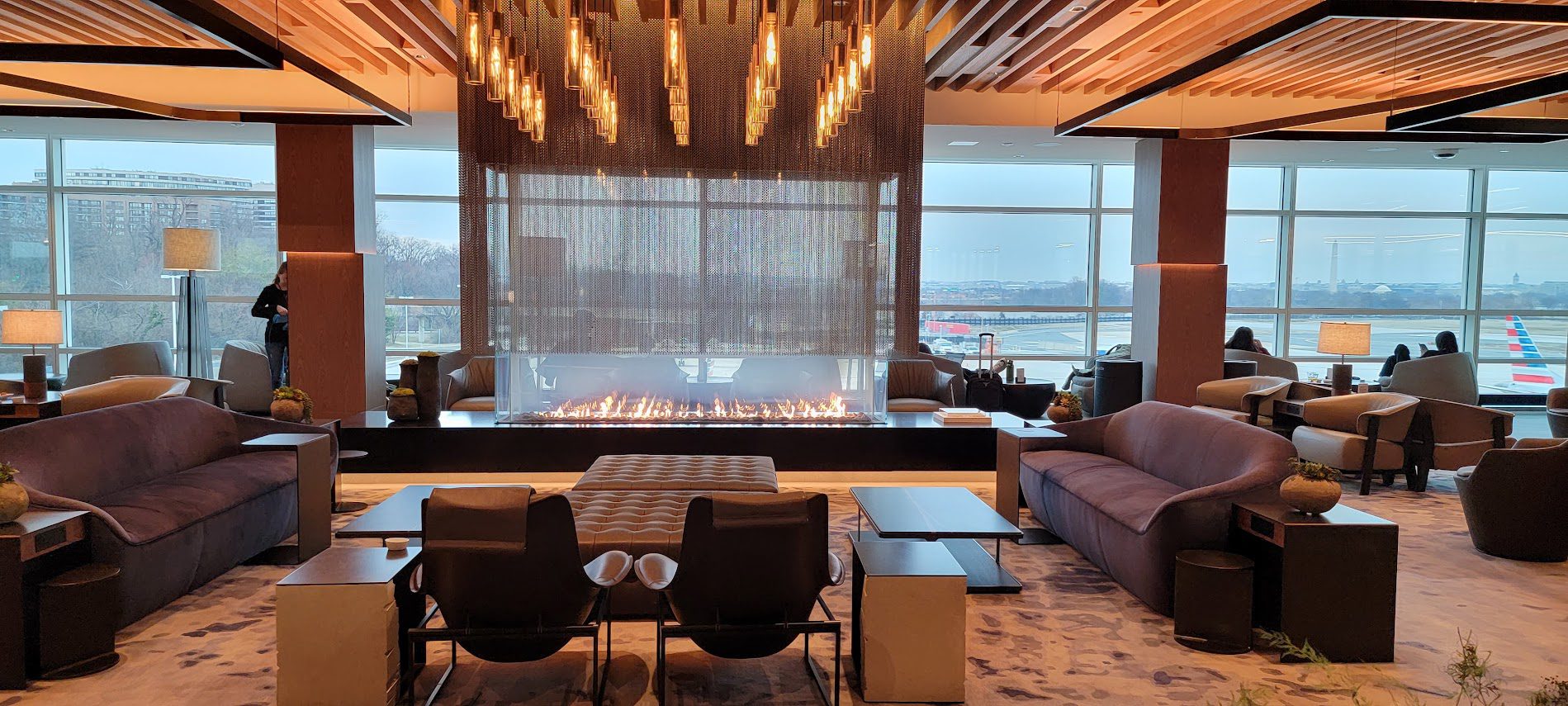
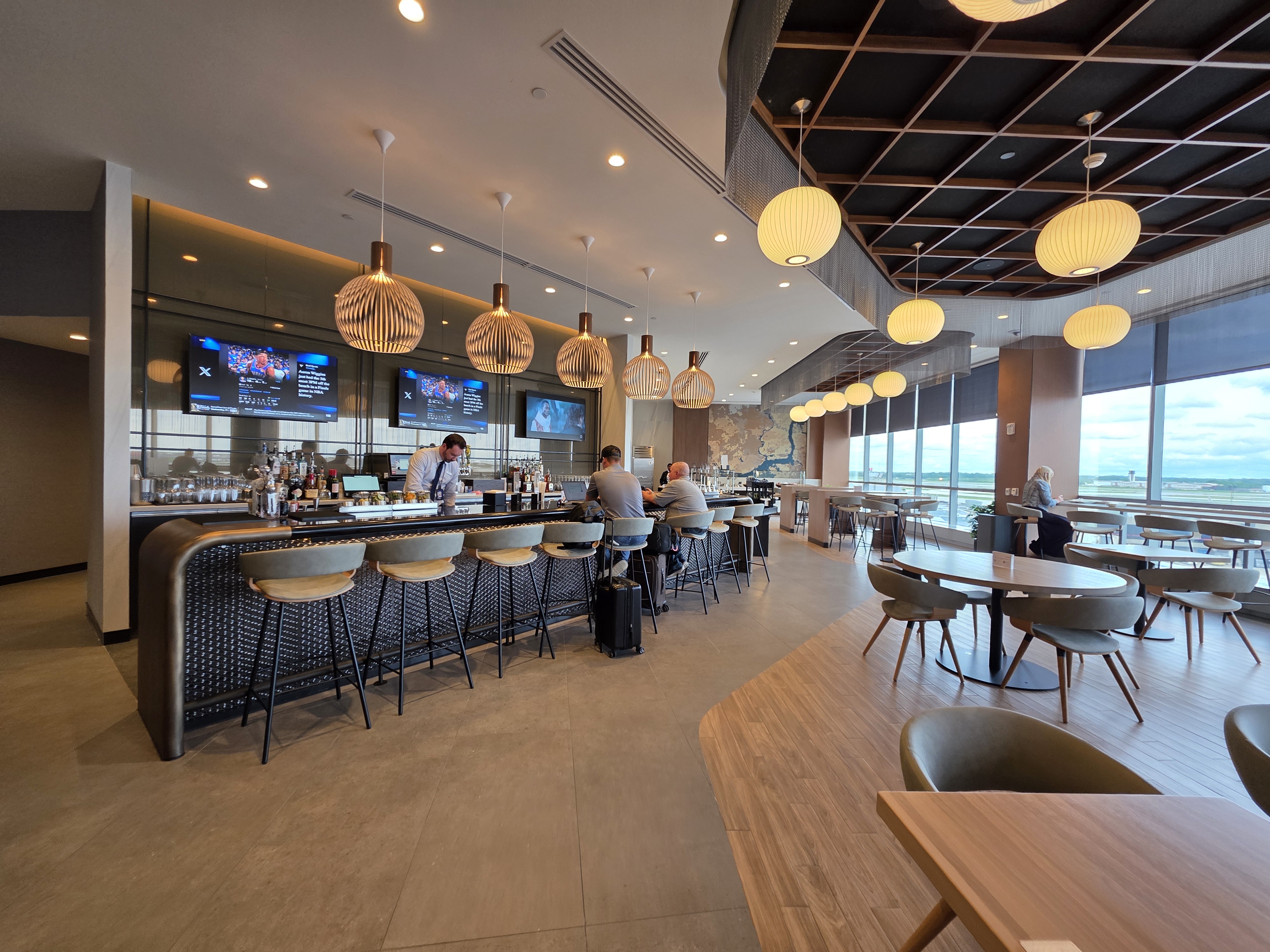
Beyond the addition of third-party dining credits, the value proposition of the AAdvantage Executive card is heavily tethered to the physical infrastructure of American Airlines’ lounge network. Historically, the Admirals Club network faced criticism for aging facilities and inconsistent service standards. Over the last 24 months, however, a massive capital investment project has been underway to modernize these spaces.
The current renovation cycle includes major airports such as Washington National (DCA), Denver (DEN), Newark (EWR), and Philadelphia (PHL). These locations have been redesigned to move away from older, utilitarian aesthetics toward more contemporary, comfortable environments. Furthermore, the airline has announced plans for significant capacity expansions, including a 40,000-square-foot facility in Charlotte (CLT) and a new 12,000-square-foot lounge in Austin (AUS) that will feature an outdoor terrace. These infrastructure improvements are intended to provide the "experience-based" value that premium cardholders increasingly demand.
Market Implications and Competitive Analysis
The partnership with inKind is indicative of a wider trend among credit card issuers to outsource "lifestyle perks" to specialized fintech platforms. This approach allows banks to provide high-value, niche benefits without building the underlying software or restaurant relationships from scratch.
For the restaurant industry, the integration of such benefits provides a reliable stream of high-intent diners. As inKind continues to onboard more restaurants, the utility of the Citi credit increases. However, the limitation of the benefit lies in geographic coverage. While urban centers often have high concentrations of participating inKind restaurants, rural or suburban areas may have limited access to the network, which could lead to an uneven distribution of value among the cardholder base.
Financial analysts note that this strategy is highly effective for customer acquisition and retention. By offering $200 in "real" spending power rather than points, which can be subject to devaluation, issuers can make a more compelling case for the $695 annual fee. If a cardholder uses the full $200 credit at restaurants they would have frequented regardless, the effective annual cost of the card is reduced to $495, bringing it closer to the price points of competing premium travel cards.
Maximizing Benefits: Referral Programs and Strategy
In addition to the standard credit, inKind frequently utilizes promotional referral structures to expand its user base. Through October 31, the platform has reinstated a $50 referral bonus, which is double the standard incentive. New users who sign up through a referral link typically receive $25 off their first $50 bill.
For households with multiple cardholders or shared financial goals, the combination of the Citi-provided credit and the inKind referral program can create significant short-term savings. For example, a cardholder can refer a spouse or partner, allowing both individuals to capture the initial $25 sign-up bonus while the primary account holder earns the $50 referral credit. When these are layered on top of the $200 annual credit provided by the AAdvantage Executive card, the total "lifestyle" value derived from the account in the first year can exceed the cost of the annual fee.
Future Outlook for Premium Card Benefits
As the travel and credit card sectors continue to mature, the focus is shifting from simple point-earning ratios to ecosystem integration. The decision by Citi to incorporate inKind suggests that the bank is looking for ways to engage customers on a weekly, rather than seasonal, basis.
The success of this benefit will likely be measured by the engagement metrics within the inKind app. If adoption rates are high, it is probable that Citi will look to expand similar partnerships in other lifestyle categories, such as grocery, retail, or entertainment. For now, the integration serves as a bridge between the exclusive world of airport lounge access and the practical, daily needs of the modern consumer.
Ultimately, the utility of the AAdvantage Executive card’s new dining credit is contingent upon the user’s proximity to the inKind network. As the network grows, the perceived value of the card will continue to climb, provided that American Airlines and Citi maintain their pace of investment in both their physical lounge infrastructure and their digital benefit ecosystem. Consumers are encouraged to review the participating restaurant list within the inKind app to determine if the benefit aligns with their local dining habits before relying on it as a primary justification for the card’s annual fee.