The Culinary Map of Italy A Guide to the Restaurants Visited in Season Two of Stanley Tucci Searching for Italy

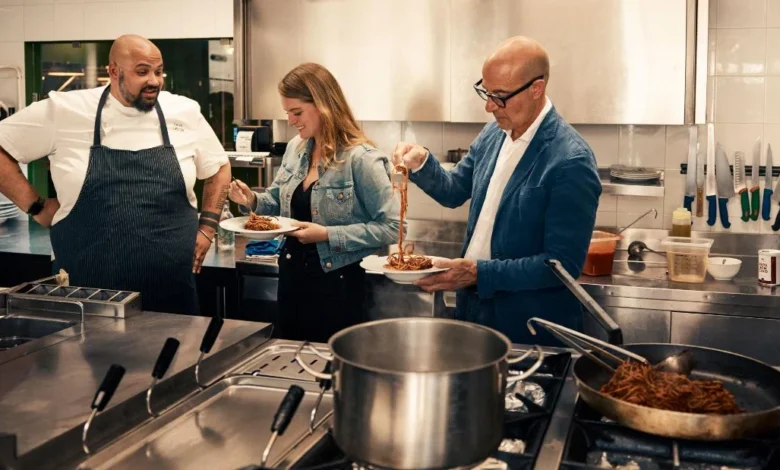
For culinary enthusiasts and armchair travelers alike, the second season of CNN’s acclaimed series, Stanley Tucci: Searching for Italy, serves as more than just a travelogue; it is a comprehensive, albeit romanticized, documentary of the profound regional diversity defining the Italian peninsula. Throughout the season, actor and host Stanley Tucci traverses the country, moving from the rugged, cliffside villages of Liguria to the sun-drenched, agrarian heart of Puglia and the mysterious, isolated landscapes of Sardinia, finally landing in his ancestral home of Calabria. This guide provides a detailed breakdown of the dining establishments and local food cultures that Tucci explored, offering a roadmap for those wishing to replicate his gastronomic journey.
Liguria: Innovation Amidst Dramatic Coastal Beauty
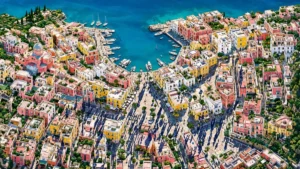
The Italian Riviera, renowned for its steep, dramatic cliffs and candy-colored seaside villages, is the birthplace of some of Italy’s most iconic flavors. The geography of Liguria, which forces inhabitants to farm on narrow, vertical terraces, has fostered a culture of extreme resourcefulness. It is here that Tucci explores the origins of pesto, perhaps the region’s most famous export.
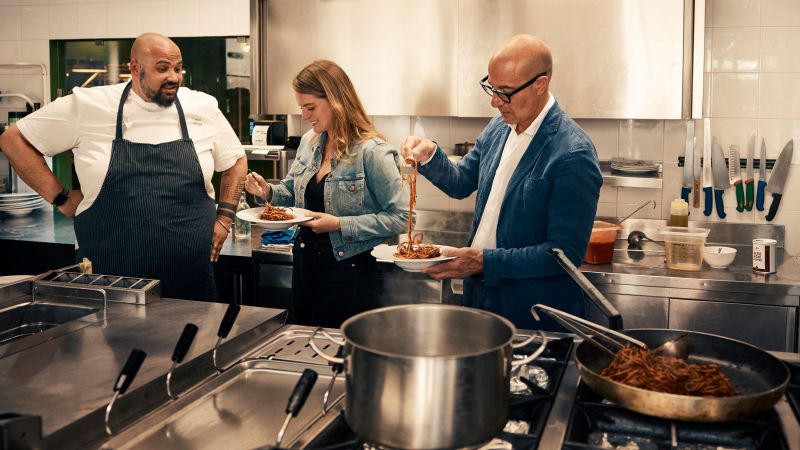
In Portofino, Tucci visits Cracco Portofino, helmed by the celebrated Michelin-starred chef Carlo Cracco. The menu at this establishment is deeply rooted in the local terroir. During his visit, Tucci was served a traditional dish of pansotti—a triangular, ravioli-like pasta—stuffed with a mixture of local wild greens and herbs known as preboggion, finished with a rich walnut sauce. The complexity of the dish highlighted the ingenuity required to transform foraged ingredients into high-end cuisine.
Further along the coast in Genoa, the historic capital of the region, Tucci visited Il Genovese, a restaurant revered for its adherence to traditional preparation methods. Chef Roberto Panizza, often cited as the King of Pesto and the architect behind the Pesto World Championship, demonstrated the necessity of using an ancient mortar and pestle to achieve the correct texture and emulsion. Panizza’s preparation, which incorporates green beans and potatoes to provide a creamy, balanced starch, remains the gold standard for authentic Genoese pesto.
In the same city, Tucci also visited the Antico Forno della Casana, a bakery specializing in traditional focaccia. Here, he learned the local custom of eating the bread upside down, a technique intended to ensure the salt crystals on the crust hit the palate first, amplifying the flavor profile. The establishment serves as a reminder that even the simplest of Italian street foods, such as focaccia, are deeply codified by regional tradition.

Finally, in the heart of Genoa, The Cook, a restaurant situated within a 14th-century palazzo, offered a glimpse into the creative evolution of Ligurian cuisine. Chef Ivano Ricchebono showcased the elaborate cappon magro, a traditional seafood and vegetable salad arranged in a decorative pyramid that serves as a visual testament to the region’s historical maritime wealth.
Puglia: The Humble Roots of the Italian Boot
Transitioning to the southern region of Puglia, the culinary landscape shifts from the maritime influence of the north to the fundamental, earth-driven traditions of the Italian boot. Known for its high-quality olive oil, durum wheat, and an abundance of fresh vegetables, Puglia represents a culinary tradition that is at once incredibly humble and sophisticated.
In the city of Bari, Tucci visited Urban Bistrot, where Chef Celso Laforgia introduced him to the divisive and intense spaghetti all’assassina, or "assassin’s pasta." The dish defies the conventional Italian approach to boiling pasta; instead, the dry noodles are placed directly into a pan with olive oil and a spicy tomato broth, allowing them to char and caramelize until crispy. The technique produces a smoky, explosive heat that has earned the dish its lethal moniker.

In the town of Montegrosso, Antichi Sapori stands as a bastion of traditional cooking. Chef Pietro Zito focuses on elevating humble ingredients, such as fava beans, which are transformed into a velvety cream to accompany orecchiette pasta, topped with burrata and charred black olives. The focus here is on the harmony of flavors, illustrating the region’s newfound pride in its peasant-based gastronomic heritage.
In the labyrinthine streets of Cisternino, Trattoria Bere Vecchie provides an authentic look at the region’s butcher-shop-turned-restaurant culture. Housed in a former pharmacy, the establishment offers spit-roasted meats, including bombette—pork rolls stuffed with cheese and herbs—and gnumareddi, a traditional preparation of lamb intestines. The visit to Caseificio Dicecca, a specialized cheese bar, further underscored the region’s mastery of dairy, where cheesemaker Vito Dicecca has pioneered 66 varieties of blue cheese, bridging the gap between ancient methods and contemporary culinary experimentation.
Sardinia: An Archaeological Dig of Taste
Sardinia, isolated from the mainland, offers a cuisine that functions as a historical record of the various civilizations that have occupied the island. The contrast between the Mediterranean seafood of the coast and the rugged, sheep-rearing culture of the interior creates a bifurcated culinary identity.
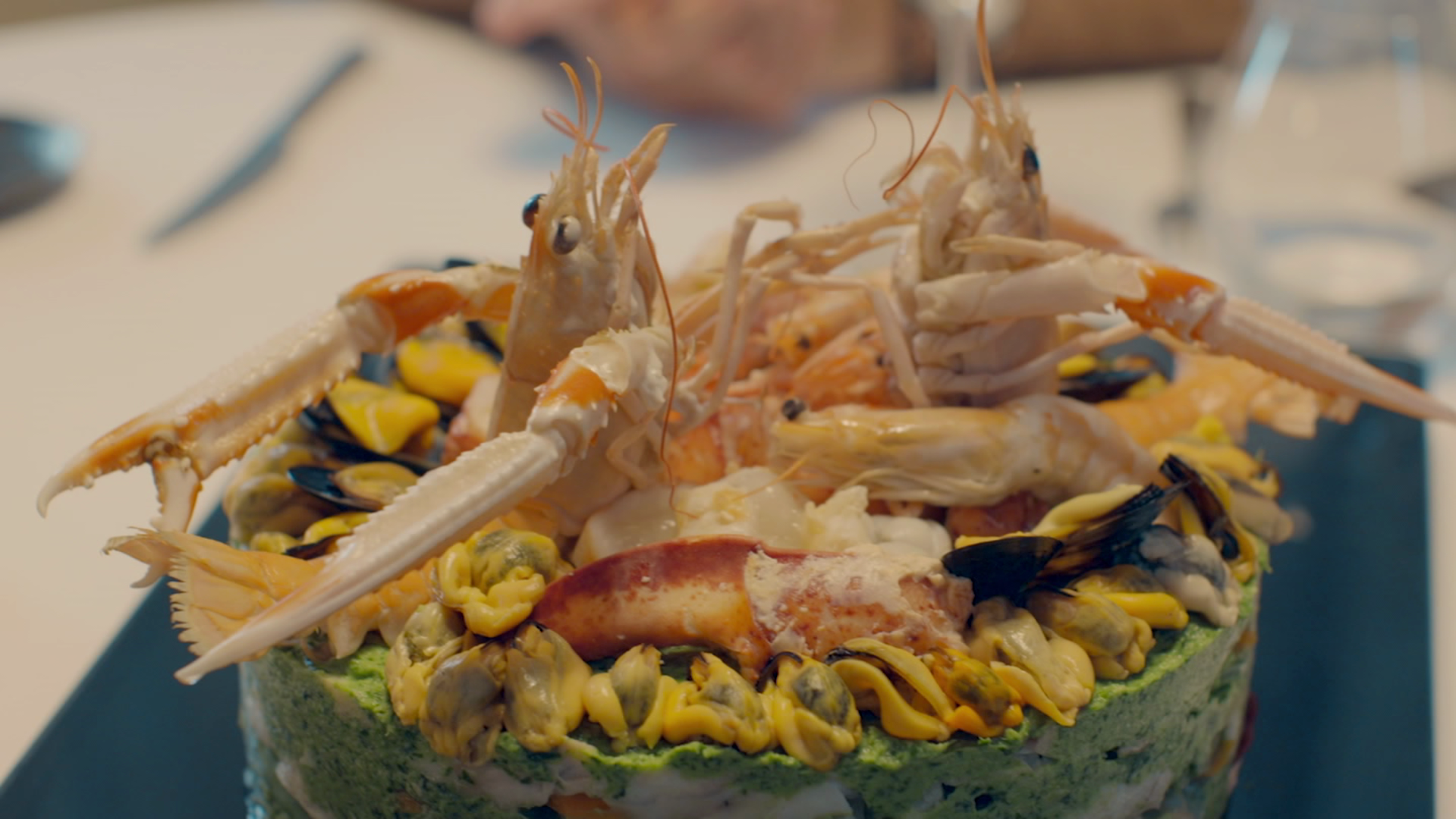
At Fradis Minoris, a restaurant recognized with a Michelin Green Star for its commitment to sustainability, Chef Francesco Stara prepares fregola ai frutti di mare. Fregola, a small, bead-like pasta inspired by North African couscous, is a cornerstone of the Sardinian diet. The dish emphasizes the importance of utilizing the fresh catch of the day, reflecting the island’s deep-seated reliance on the sea.
In Alghero, a city with strong historical ties to Spain, Tucci visited the bakery Al Forno to sample panada. The dish, a savory pie, is a direct culinary descendant of the Spanish empanada, illustrating the cultural exchange that has defined the region for centuries. Similarly, at Mabrouk, Chef Antonietta Salaris prepared lobster a la Catalana, utilizing lobster eggs in the sauce to create a complex, salty-sweet profile that highlights the island’s unique ability to integrate diverse influences into a cohesive regional style.
Calabria: The Ancestral Homecoming
The final region explored by Tucci, Calabria, carries the greatest personal weight, as it is his family’s place of origin. The region is defined by its rugged topography and a culture of resilience. In the town of Marzi, Panificio Cuti continues to produce pane de cuti, a sourdough bread following a century-old recipe. The bakery also produces morsello, a traditional meal of sausage and broccoli rabe served in a bread bowl, which was historically designed as a portable, energy-dense meal for laborers.

The city of Tropea, famous for its exceptionally sweet red onions, provided another highlight. At the Osteria della Cipolla Rossa, owners Michele Pugliese and Romana Schiariti demonstrated the versatility of the local cipolla rossa, which is so sweet it can be consumed raw or transformed into everything from pasta sauce to ice cream.
In Scilla, Il Principe di Scilla showcased the regional obsession with swordfish. The raw preparation served to Tucci demonstrated the high quality of the local catch, which is often compared to a hybrid of prosciutto and smoked salmon. Finally, at Qafiz, tucked in the Aspromonte mountains, Chef Nino Rossi’s use of fire—a dessert made of charcoal-infused meringue—offered a modern interpretation of the region’s relationship with its environment, specifically the 2021 wildfires that reshaped the local landscape.
Contextual Analysis and Broader Implications
The significance of Stanley Tucci’s journey lies in his documentation of the "slow food" movement in real-time. By visiting these specific, often family-run establishments, the series underscores the fragility of traditional culinary knowledge. In many of the regions visited, the reliance on seasonal, local ingredients is not merely a modern trend but a historical necessity that has preserved the cultural identity of these communities against the tide of globalization.

The success of the series has had tangible economic impacts on the locations featured, a phenomenon sometimes referred to as the "Tucci effect." Small, family-run restaurants, such as those in the mountains of Calabria or the cliffs of Sardinia, have seen significant increases in interest from international tourists. While this provides a vital economic boost to these regions, it also places pressure on these establishments to maintain the authenticity of their craft in the face of increased demand.
As viewers continue to look for ways to replicate these experiences, the series serves as a reminder that the essence of Italian cuisine is found in the intersection of geography, history, and the stubborn persistence of traditional techniques. Whether it is the labor-intensive preparation of clay-baked lamb in La Collinetta or the meticulous hand-rolling of pasta in a rural Sardinian kitchen, the series highlights that the value of these meals lies in the time and care invested in their creation. As Tucci prepares for future explorations, the current season stands as a definitive record of the regional diversity that continues to make Italian gastronomy one of the most studied and admired in the world.