Wyndham Hotels and Resorts Launches Dolce Nova to Conquer the Upper-Upscale Boutique Market

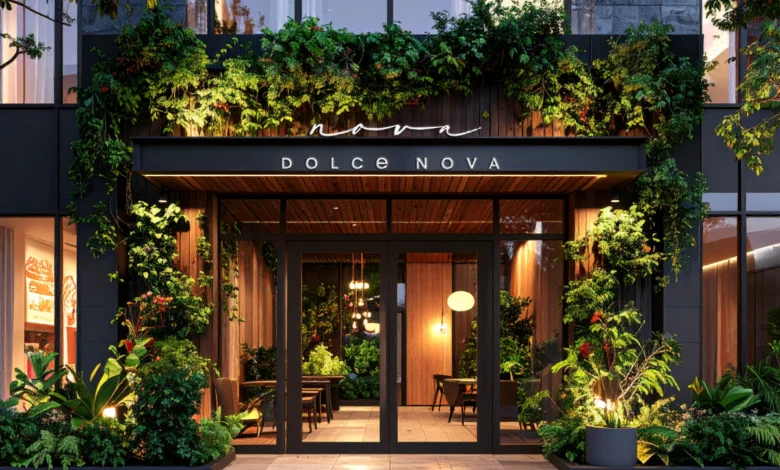
Wyndham Hotels & Resorts has officially entered a new strategic phase of brand development with the introduction of Dolce Nova, an upper-upscale boutique brand extension designed to bridge the gap between design-forward lifestyle lodging and the established meetings and events heritage of its parent Dolce portfolio. Unveiled on Monday at the Annual Hospitality Conference in Manchester, United Kingdom, Dolce Nova represents a departure from Wyndham’s traditional reliance on mergers and acquisitions to grow its upper-tier inventory. Instead, the global hospitality giant is leaning into internal incubation, tasking its Europe, the Middle East, Eurasia, and Africa (EMEA) division with creating a concept from the ground up to capture a demographic of travelers it has historically struggled to attract.
The launch underscores a broader structural shift within Wyndham as the company looks to diversify its global footprint beyond its powerhouse economy and midscale roots. While Wyndham remains the undisputed leader in scale and room count within the budget and midscale segments through brands like Super 8, Days Inn, and Ramada, the creation of Dolce Nova signals an aggressive push into lifestyle hospitality, an asset class defined by stringent design standards, intimate property scales, and heightened consumer expectations.
Genesis of the Brand and Strategic Inception
For decades, Wyndham’s expansion strategy has relied heavily on acquiring existing brands rather than engineering new concepts internally. Out of Wyndham’s portfolio of 25 distinct hotel brands, approximately 20 were added through corporate acquisitions. This roll-up strategy allowed the company to scale rapidly, achieving a global footprint spanning over 9,000 hotels across more than 95 countries.
However, the launch of Dolce Nova upends that historical playbook. According to Dimitris Manikis, President for Wyndham Hotels & Resorts in EMEA, the new brand is the first concept to originate entirely from the regional EMEA team. Speaking exclusively at the Manchester conference, Manikis emphasized the financial and strategic rationale behind building a brand organically rather than purchasing one on the open market.
"Why would we spend a lot of money to buy something when we actually can create an extension of the Dolce brand and introduce it to a new consumer base?" Manikis told industry analysts and media representatives.
The decision to incubate Dolce Nova within the EMEA division is no accident. Europe and the Mediterranean region have long served as hotbeds for boutique, lifestyle, and design-led hospitality concepts. By designing the brand in a market where guest expectations regarding aesthetic restraint, localized architecture, and experiential travel are particularly acute, Wyndham aims to craft a product that can eventually be exported to North America, Latin America, and Asia-Pacific.
From Corporate Conferences to Intimate Boutique Spaces
To understand the strategic pivot represented by Dolce Nova, industry observers must examine the evolution of its parent brand, Dolce Hotels & Resorts. Wyndham originally acquired Dolce in 2015 to bolster its capabilities in the lucrative meetings, incentives, conferences, and exhibitions (MICE) sector.
Traditional Dolce properties are characterized by sprawling footprints, typically featuring 200 to 400 guest rooms, extensive conference facilities, dedicated auditoriums, and business-centric amenities. While highly lucrative in the corporate events space, these large-scale properties cater primarily to business travelers, conference attendees, and corporate retreat groups. They are built for scale, functionality, and professional gatherings rather than intimate getaways or leisure-oriented boutique stays.
Dolce Nova, by contrast, requires a fundamentally different operational and architectural instinct. The new extension is engineered for restraint, curated design, and a consumer base that prioritizes aesthetic sophistication, hyper-local authenticity, and personalized service over large-scale convention facilities. While it retains the high-touch hospitality and service standards associated with the Dolce name, Dolce Nova targets properties with significantly smaller room counts, more intimate common areas, and integration into vibrant urban or picturesque resort destinations.
The target guest for Dolce Nova is the modern lifestyle traveler—a demographic that blends business with leisure (bleisure), values Instagram-ready interior design, seeks out boutique accommodations, and expects seamless digital integration alongside high-end physical comforts. By scaling down the property footprint, Wyndham can open the brand up to locations in prime city centers, historic neighborhoods, and emerging leisure markets where large tracts of land for traditional conference hotels are unavailable or cost-prohibitive.
Market Context and Competitive Landscape
Wyndham’s launch of Dolce Nova arrives at a time of intense competition within the upper-upscale and lifestyle hotel segments. Major global competitors have spent the past decade consolidating boutique and lifestyle brands through dedicated lifestyle divisions. Marriott International boasts brands like Autograph Collection and Tribute Portfolio; Hilton offers Canopy and Curio Collection; and Hyatt features the Unbound Collection and JdV by Hyatt.
Historically, Wyndham has been viewed by hotel owners and real estate developers primarily as a powerhouse for franchising economy and midscale properties. While the company has made significant inroads into the upscale and upper-midscale tiers through brands like Wyndham Garden and TRYP by Wyndham, its presence in the true upper-upscale boutique space has remained limited.
Industry analysts note that entering this segment requires a delicate balance. Boutique travelers are notoriously brand-agnostic, choosing hotels based on unique design narratives, local character, and distinct storytelling rather than corporate loyalty programs alone. However, independent boutique hotels often struggle with distribution, global marketing, and customer acquisition. By enveloping Dolce Nova in Wyndham’s colossal distribution ecosystem—which includes the Wyndham Rewards loyalty program boasting over 100 million enrolled members—developers gain the best of both worlds: the independent charm of a boutique property backed by the enterprise muscle of a global hospitality giant.
Financial Discipline and Franchisee Value Proposition
The launch also reflects a broader industry trend toward asset-light growth and capital efficiency. In an economic environment marked by elevated interest rates, tighter construction financing, and rising operational costs, hotel owners and developers are increasingly cautious about undertaking massive, capital-intensive new builds or expensive acquisitions.
By positioning Dolce Nova as a brand extension that can be deployed through conversions as well as targeted new builds, Wyndham is offering its developer network a flexible path to higher-margin asset classes. Conversions—transforming historic buildings, residential properties, or independent boutique hotels into franchised branded assets—have become a cornerstone of Wyndham’s development strategy. Converting existing properties not only accelerates time-to-market but also significantly reduces the capital expenditure required by owners, making franchise agreements far more attractive in fluctuating economic cycles.
Furthermore, leveraging the existing equity of the Dolce name provides an immediate shortcut to consumer recognition. While Dolce Nova targets a younger, more design-conscious demographic, it inherits the operational pedigree, culinary standards, and service excellence associated with the broader Dolce network. This reduces the marketing runway required to educate prospective guests and corporate bookers about the new brand’s quality benchmarks.
Broader Implications for Wyndham’s Global Strategy
The rollout of Dolce Nova serves as a litmus test for Wyndham’s future brand development strategy. If the EMEA-incubated concept successfully captures market share in Europe and expands globally, it could pave the way for additional internally developed brands tailored to niche consumer segments.
For years, critics argued that Wyndham’s growth was inextricably tied to acquisition spending. The successful organic launch of Dolce Nova challenges that narrative, demonstrating that the company’s regional teams possess the autonomy, market insight, and creative capital to innovate from within.
As Wyndham begins actively signing development deals and seeking conversion opportunities for Dolce Nova across Europe and beyond, the hospitality industry will be watching closely to see whether a company historically famous for budget scale can successfully master the nuanced art of boutique luxury. For Dimitris Manikis and the EMEA team, the goal is clear: prove that Wyndham can build a modern lifestyle brand that rivals the industry’s most established design portfolios, all while maintaining the disciplined, franchise-driven growth model that has defined the company’s enduring success.