American Airlines Navigates Financial Turbulence as Strategic Pivot Meets Analyst Skepticism and Economic Headwinds

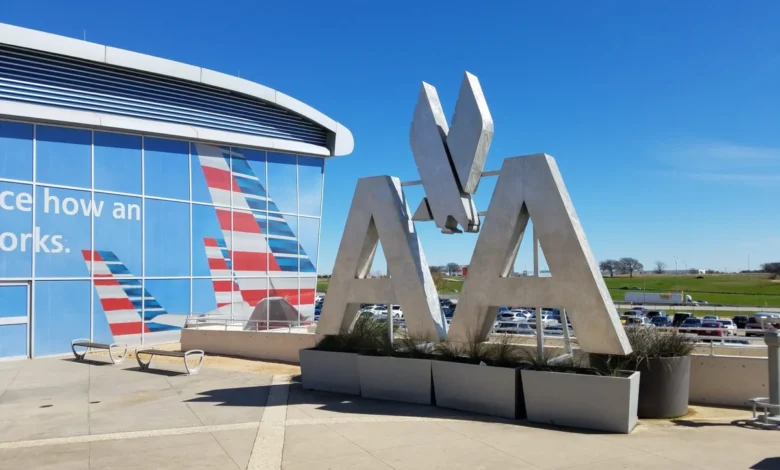
American Airlines reported a robust second-quarter revenue of $16.7 billion, representing a 16.3% increase year-over-year and outpacing the growth rates of its primary domestic rivals. Despite this significant top-line expansion, the Fort Worth-based carrier posted a modest profit of $71 million, a figure that, while exceeding the conservative expectations of Wall Street, underscores the thin margins currently defining the company’s recovery. As the airline navigates a complex post-pandemic landscape marked by volatile fuel prices and shifting consumer preferences, management faces a dual challenge: executing a long-term strategic pivot toward premium services while managing the mounting impatience of analysts who question the airline’s financial underperformance relative to peers like Delta Air Lines and United Airlines.
The second-quarter results highlight a pivotal moment for American Airlines. While the company is making measurable progress in operational efficiency and revenue generation, its guidance for the remainder of the year remains cautious. Management anticipates a financial loss in the third quarter, with an overall projection to break even for the full fiscal year at the midpoint of their current guidance. This outlook has triggered a wave of scrutiny from the investment community, suggesting that while the airline’s trajectory is improving, the "runway" for management to prove the efficacy of its current plan may be shortening.
Analyst Frustration and the Demand for Capacity Discipline
The recent earnings call served as a flashpoint for long-standing frustrations among market analysts. Given American’s financial track record over the past eight years—a period characterized by high debt loads and lagging margins—institutional investors are increasingly vocal about the need for a more aggressive course correction. The central theme of the inquiry was whether American Airlines should scale back its operations to prioritize profitability over market share.
Duane Pfennigwerth of Evercore ISI challenged the airline’s current volume-focused approach, asking point-blank why a "low-margin producer" was not cutting capacity to bolster its bottom line. This sentiment was echoed by David Vernon of Bernstein, who questioned the fundamental logic of American’s current network size. Vernon suggested that trimming the network and reducing growth could free up much-needed capital to accelerate balance sheet repair, a critical concern for an airline that has historically carried more debt than its competitors.
Further pressure came from Jamie Baker of J.P. Morgan, who raised concerns regarding the airline’s investment in premium capacity on widebody aircraft. Baker noted that American’s share of high-value international markets remains lighter than that of its rivals, questioning whether the airline is adding too much premium seating into markets that may not support the necessary yields.
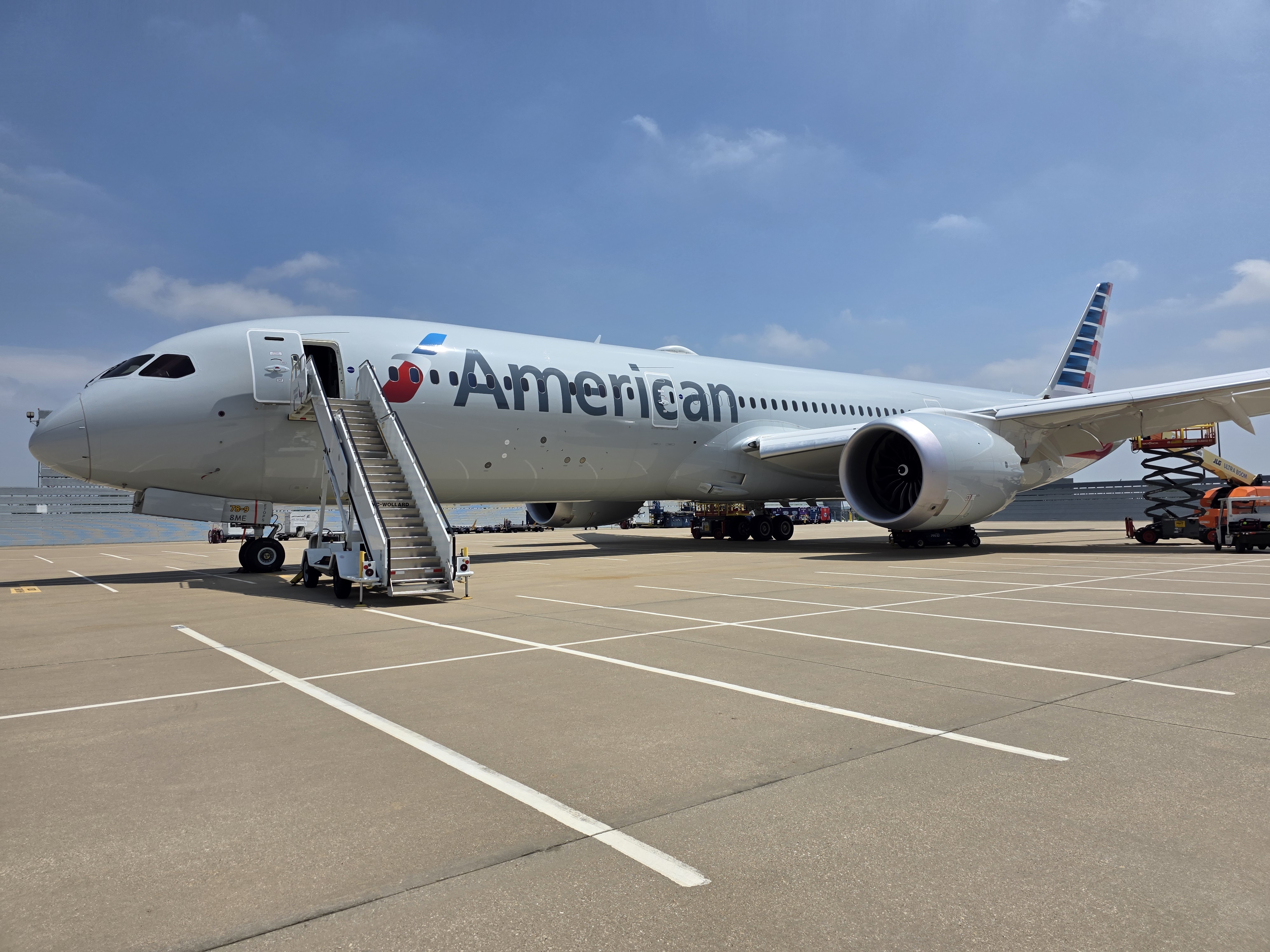
In response, CEO Robert Isom defended the current capacity levels, citing the lag between schedule planning and market shifts. He noted that while fuel prices moved rapidly against the airline, the schedules were published months in advance with the expectation of profitability. Chief Commercial Officer Nat Pieper added a layer of strategic defense, arguing that premium configurations are not only about capturing corporate travel share but are also vital for the health of the airline’s lucrative credit card partnership with Citi. Pieper’s tone was notably more confident than in previous quarters, suggesting that management believes the "catch-up growth" in the premium sector will eventually validate their investments.
The Strategic Pivot: A Timeline of Change
To understand the current tension, it is necessary to view American’s progress through a chronological lens. The airline is currently 18 months into a comprehensive strategic overhaul—a timeline that pales in comparison to its rivals. Delta Air Lines has been refining its premium-focused, hub-and-spoke model for nearly two decades, while United Airlines has been aggressively executing its "United Next" strategy for approximately eight years.
American’s current leadership is essentially tasked with reversing a decade of strategic decisions made under former CEO Doug Parker. During Parker’s tenure, the airline famously borrowed heavily to fund share buybacks and adopted a more "commodity-focused" approach to the passenger experience. When Robert Isom transitioned from President to CEO in early 2022, he inherited a sprawling organization of 130,000 employees and a balance sheet burdened by the costs of integration and pandemic-era survival.
The current strategy involves a multi-pronged approach:
- Rebanking Hubs: Centralizing flight banks at major hubs like Dallas-Fort Worth (DFW) to maximize connectivity.
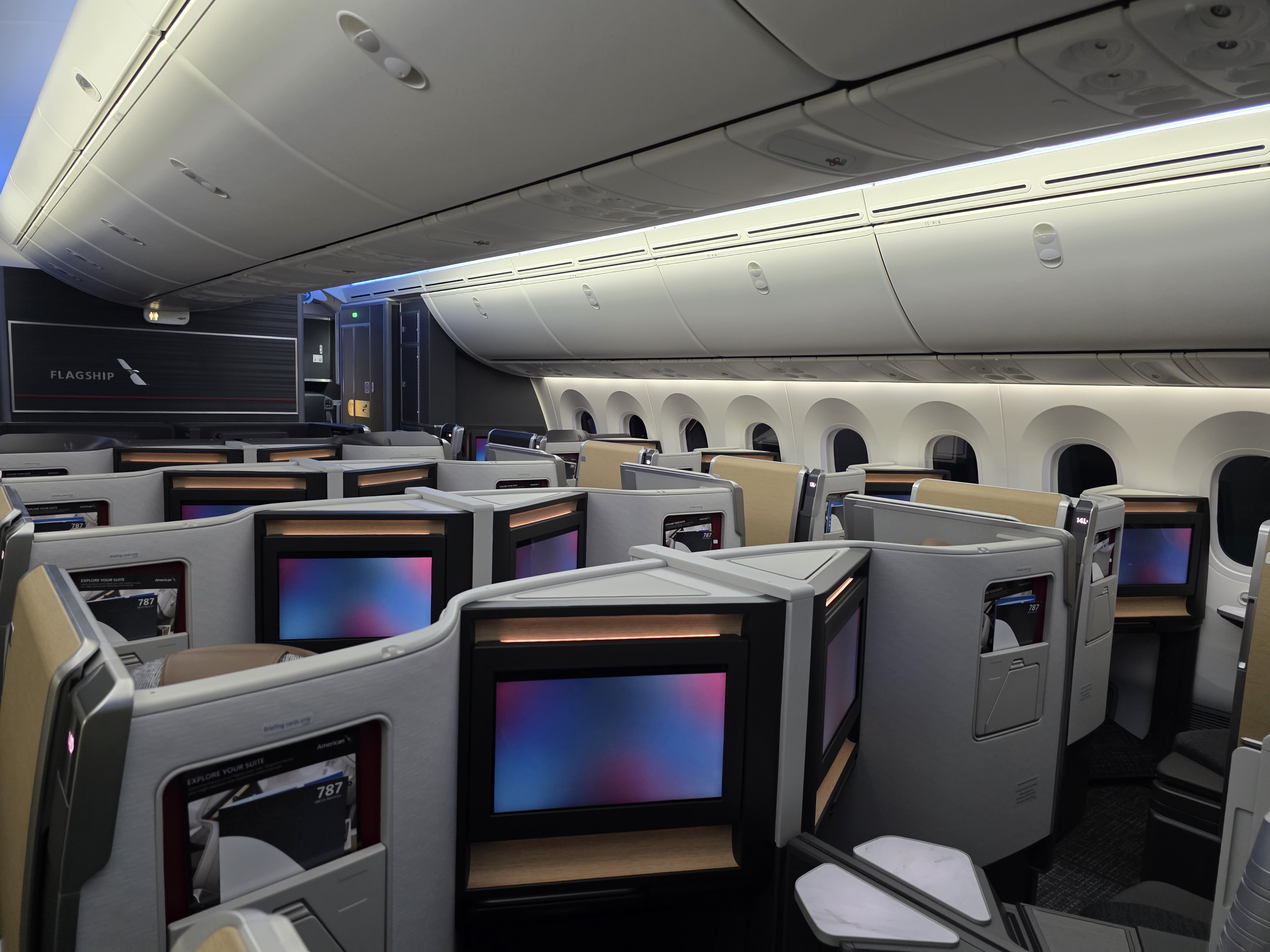
- Premium Realignment: Retrofitting aircraft with new business class suites and increasing first-class seating on narrowbody jets.
- Loyalty Integration: Leveraging the AAdvantage program and the Citi co-branded credit card as primary drivers of high-margin revenue.
- Operational Reliability: Investing in technology to reduce misconnections and improve the customer experience.
Operational Milestones: The DFW Success Story
One of the most tangible signs of progress cited during the second quarter was the "rebanking" of the Dallas-Fort Worth hub. By adjusting the timing of arrivals and departures to create more efficient connection windows, American has seen a nearly 25% reduction in misconnecting passengers across its entire system.
This operational shift has profound financial implications. Misconnects are notoriously expensive for airlines, involving rebooking costs, hotel vouchers, and baggage handling fees. Moreover, improving reliability is a key component of revenue growth; passengers are demonstrably more willing to pay a premium for an airline they trust to get them to their destination on time. Management argues that these "behind-the-scenes" improvements are the foundational work required before significant margin expansion can occur.
The Premium Paradox: Catch-up Growth vs. Market Reality
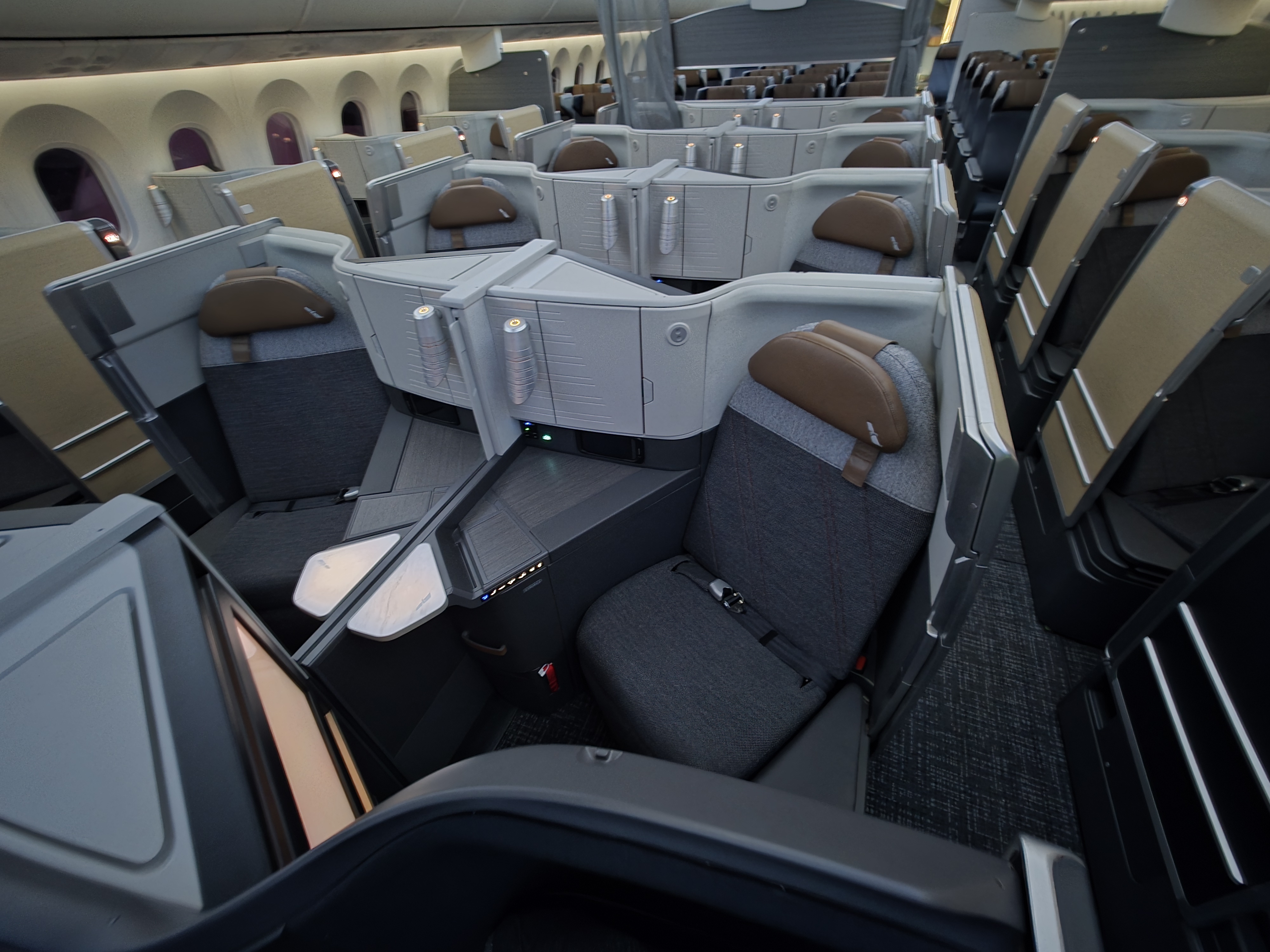
The most surprising data point from the second quarter was American’s premium cabin revenue growth, which actually outpaced both United and Delta. While this is partially a result of "catch-up growth"—American started from a lower baseline after years of under-investing in its premium product—it nonetheless signals that the market is responding to the airline’s new focus.
However, the airline still faces structural disadvantages in key markets. In the hyper-competitive "money markets" of New York, Los Angeles, and San Francisco, American remains in a weaker position than its peers. United dominates San Francisco, and both Delta and United have more established footprints in the New York corporate market. While American is slated to receive more gates at Los Angeles International Airport (LAX) in 2028, the interim remains a challenge.
Furthermore, many of the airline’s promised improvements remain in the "announced" phase. New business class suites, the rollout of Starlink high-speed Wi-Fi, and the construction of new flagship lounges are all capital-intensive projects that have yet to reach a critical mass across the fleet. Analysts argue that until these investments are fully realized and reflected in the passenger experience, American will struggle to close the margin gap with its rivals.

Macroeconomic Headwinds and Labor Costs
The broader economic environment continues to pose significant risks to American’s recovery. As a capital-intensive, heavily regulated, and unionized industry, airlines are uniquely vulnerable to external shocks. Rising fuel costs in the second quarter acted as a severe headwind, eroding much of the gains made through increased ticket sales.
Labor also remains a contentious and expensive issue. Jamie Baker of J.P. Morgan pointed out a flaw in management’s previous arguments regarding labor costs. CEO Robert Isom had suggested that competitors like United were benefiting from lower legacy labor costs, and that once new contracts were signed, the playing field would level. However, even as United’s labor costs have risen with new contracts, they continue to generate significantly higher profits than American. This suggests that American’s struggle is not merely a matter of labor expense, but of fundamental revenue generation and network efficiency.
Broader Implications: Will Management Get the Time They Need?
The central question for the remainder of 2024 and beyond is whether American’s board and its investors will provide management the time necessary for their long-term investments to bear fruit. The airline is currently refinancing significant debt payments due next year, indicating that the balance sheet, while strained, is being managed proactively.

However, the tolerance for "explanations" is clearly waning. Management’s argument that they were on the verge of financial proof before fuel prices spiked is being met with skepticism. Critics point out that revenue growth across the industry has largely tracked with overall demand, and that American’s growth is as much a reflection of a rising tide lifting all boats as it is a result of a specific internal strategy.
For American Airlines to truly turn the corner, it must bridge the gap between "making progress" and "making money." The airline has successfully stabilized its operations and identified a clear path forward through premium services and hub efficiency. Yet, in an industry where change takes years and capital is measured in billions, the pressure to produce immediate financial results has never been higher.
As the airline enters the third quarter, the focus will remain on whether it can maintain its revenue momentum while finally achieving the margin improvement that has eluded it for the better part of a decade. The strategy is in place, the investments are being made, and the operational metrics are improving; now, the financial results must follow if management hopes to keep the market’s confidence.