Wind, Wildlife, and Wonders: Yellowstone Rangers Recover Hundreds of Lost Hats and Oddities from Hydrothermal Vents

Yellowstone National Park welcomes more than 4.5 million international and domestic sightseers annually, drawing crowds eager to witness its celebrated geothermal landscapes, diverse wildlife, and iconic vistas. However, the park’s dramatic natural elements frequently collide with human error, resulting in a steady stream of lost personal property. Gusty winds, steep elevation changes, and accidental drops routinely send everyday items—ranging from headwear to electronics—plummeting into delicate and strictly protected hydrothermal zones.
Park operations crews, tasked with maintaining the cleanliness and ecological integrity of these fragile thermal basins, recently concluded their seasonal retrieval efforts. The resulting inventory offers a fascinating look at visitor behavior, environmental vulnerability, and the unusual objects that manage to find their way into some of the planet’s most volatile geological formations.
A Harvest of Headwear: Hats, Caps, and Casualties of the Wind
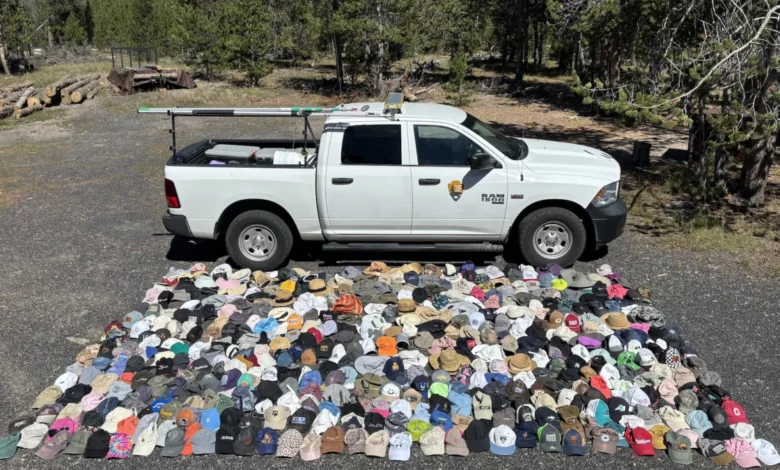
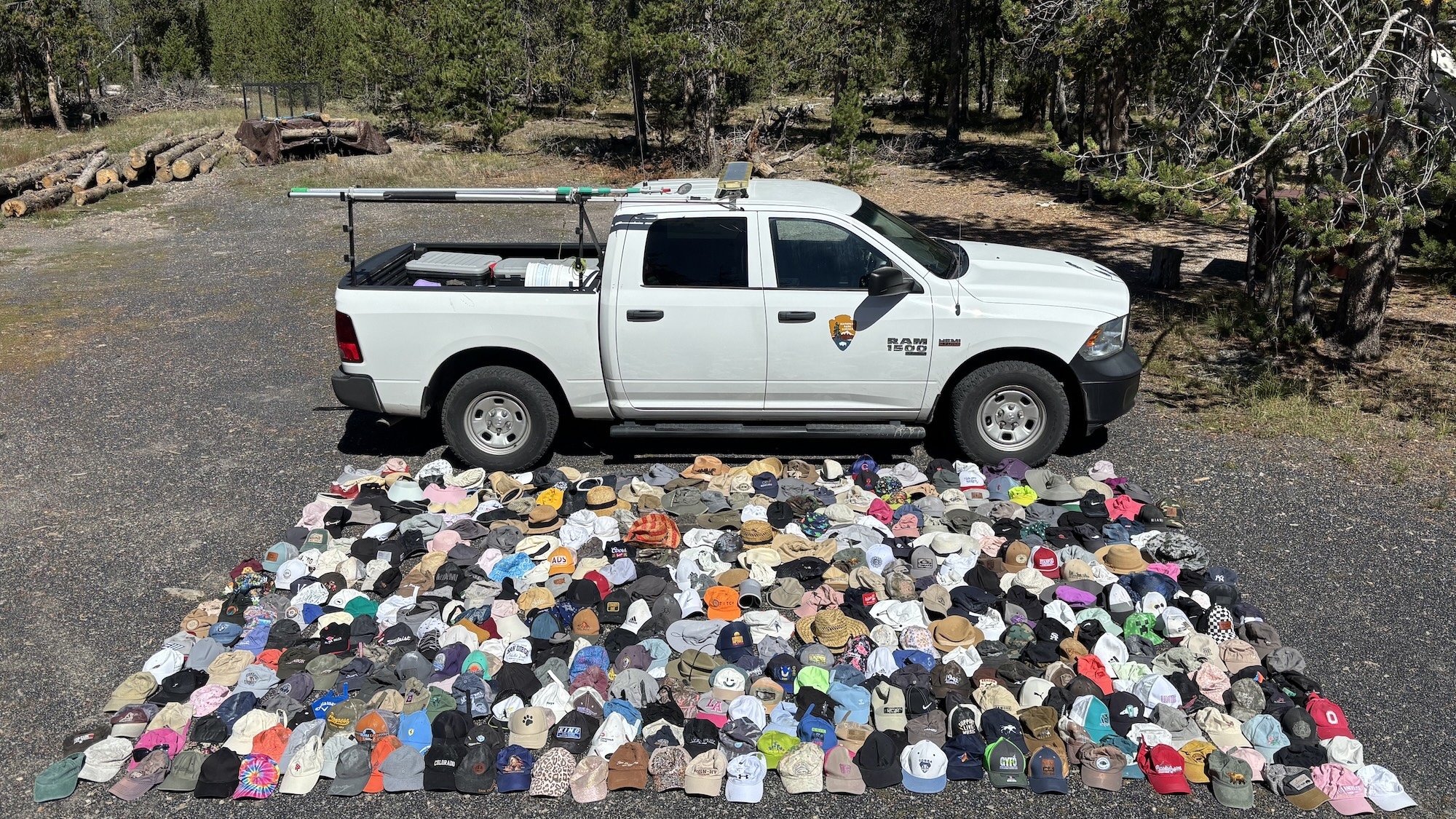
Among the most common casualties of Yellowstone’s unpredictable weather are hats and caps. During the recent sweep of the park’s hydrothermal areas, rangers and maintenance staff collected more than 280 hats that had blown off visitors’ heads or slipped from their hands.
The recovered items varied wildly in origin and style, reflecting the global demographic of the park’s tourism base. Notable finds documented by the United States Geological Survey (YVO) and park staff included a souvenir cap from the FIFA 2026 Men’s World Cup and a baseball hat ironically emblazoned with the words "Cowboy Hat." While these items were subjected to harsh environmental conditions near boiling springs and fumaroles, they will not be discarded. Park officials have confirmed that once the active tourist season draws to a close, all recovered and structurally sound headwear will be professionally cleaned and donated to local clothing charities and community organizations in the surrounding region.
Beyond Apparel: The Strange and Varied Inventory of Hydrothermal Rescues
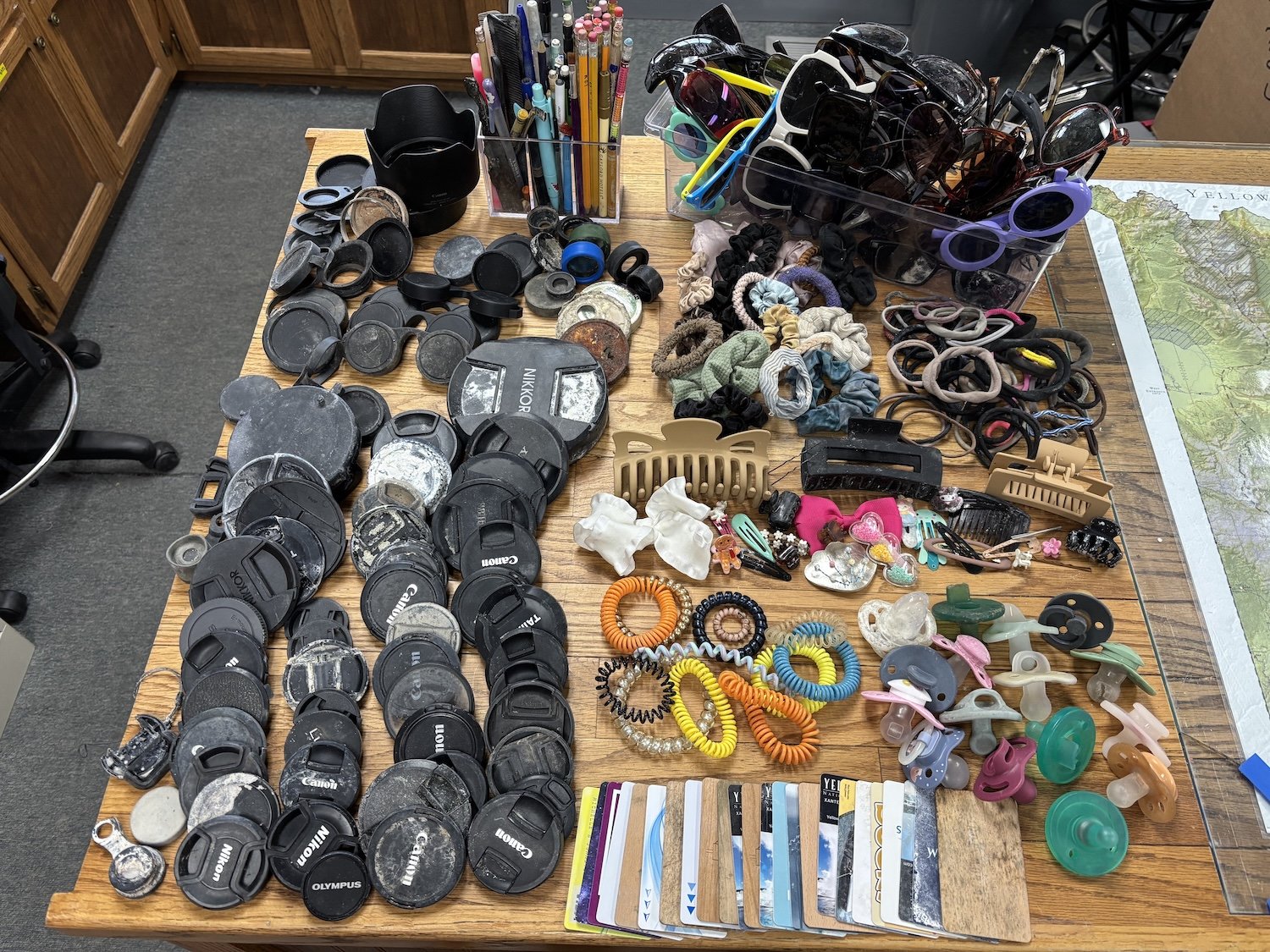
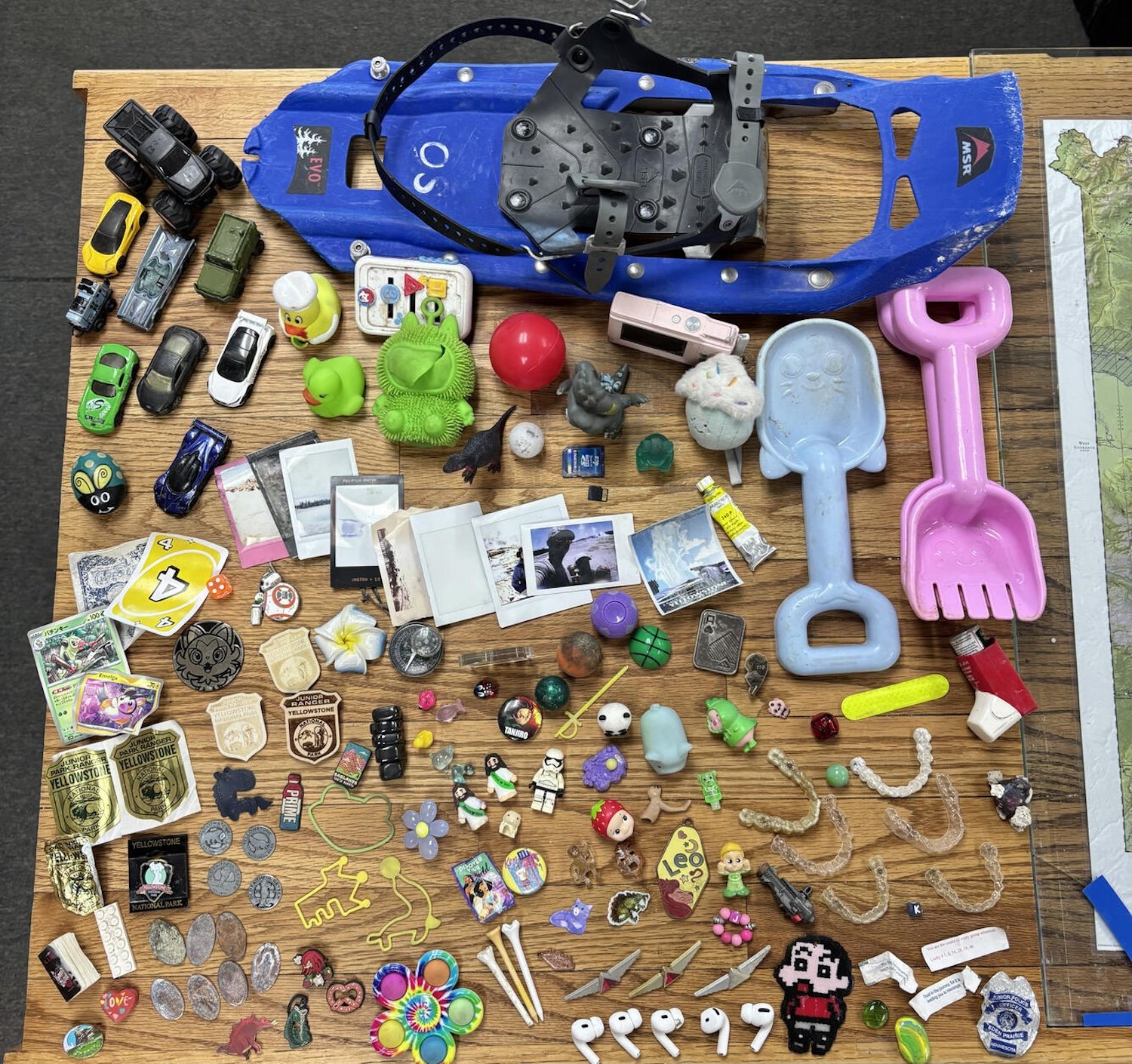
While hats represent the largest category of bulk recoveries, park staff routinely encounter a diverse array of lost and discarded items during their maintenance sweeps. The 2026 collection featured an eclectic assortment of modern technology, personal items, and peculiar oddities.
Among the technical devices retrieved were a pair of Apple AirPods, camera lens caps, and a medical inhaler. Personal care and everyday carry items included hair ties, hotel key cards, dental retainers, and eyewear. Perhaps most surprisingly, workers also recovered children’s toys, golf tees, trading cards, and even a single Uno card.
Park representatives emphasize that while many of these items are lost by accident—often swept away by sudden gusts of wind while visitors admire features like Biscuit Basin or the Grand Prismatic Spring—others are the result of careless handling or improper disposal.
The Hidden Impact of Wishing Wells: Foreign Currency and Ecological Risk
Another recurring challenge for park management is the presence of currency in thermal features. During the summer cleanup, workers scooped up more than 18 dollars in loose change from the edges and shallow waters of thermal pools and geysers.
The recovered coins were not limited to U.S. legal tender; Canadian dollars, European euros, Mexican pesos, and Japanese yen were all recovered from the sites. Many visitors appear to treat hydrothermal basins as impromptu wishing wells, tossing coins into the water for luck or tradition.
Yellowstone officials have repeatedly issued public reminders that throwing coins, rocks, or other foreign objects into geysers and hot springs is strictly prohibited. Beyond failing to grant any wishes, these metallic additions pose a direct threat to the park’s subterranean plumbing and unique microbiology. The introduction of foreign metals and alloys can leach chemicals into the water, while organic residues on coins and trash can foster the growth of destructive algae and non-native bacteria, disrupting delicate thermal ecosystems that have evolved over millennia.
Chronology of Conservation and Clean-Up Operations
The annual retrieval of lost items is not a novel undertaking for Yellowstone National Park. For decades, park rangers, geologists, and maintenance crews have conducted routine maintenance and environmental sweeps to remove debris from thermal areas.
Spring: As the park transitions from winter conditions to peak tourism, initial safety barriers and boardwalks are inspected, and residual debris from the prior year is cataloged.
Summer: Peak visitation months bring the highest volume of lost property. High winds, dense crowds, and fast-paced sightseeing contribute to an influx of items falling into restricted thermal zones.
Late Summer to Early Autumn: Park geological and maintenance teams execute targeted retrieval operations, utilizing specialized retrieval tools to extract items from hazardous areas without damaging the surrounding environment or endangering staff.
Post-Season Processing: Recovered items that can be sanitized and repurposed, such as clothing and durable goods, are processed for donation, while trash and hazardous materials are properly disposed of or recycled.
Official Responses and Safety Guidelines
Management and scientific agencies, including the Yellowstone Volcano Observatory, use these seasonal cleanups as educational opportunities. By showcasing the bizarre inventory of recovered items, park authorities aim to raise public awareness regarding park safety and environmental stewardship.
In official statements released alongside the 2026 findings, park representatives underscored the importance of proactive visitor habits. Officials strongly recommend that travelers store lightweight items, such as maps, tickets, and small electronics, deep within zipped pockets or secured bags rather than carrying them loosely in windy environments. Furthermore, visitors are urged to temporarily remove or secure hats when walking along exposed thermal boardwalks where sudden gusts are common.
Regarding waste management, the directive remains absolute: "Stash your trash." Visitors are expected to utilize the numerous waste and recycling receptacles placed throughout the park’s developed areas rather than leaving litter on the ground or allowing it to blow away.
Broader Environmental Implications and Future Outlook
The annual accumulation of lost goods in Yellowstone serves as a microcosm of the broader challenges facing heavily visited national parks worldwide. Balancing public access with resource preservation requires constant vigilance from park personnel and cooperation from the public.
As global tourism numbers continue to rise, national park systems are increasingly tasked with mitigating the environmental footprint of millions of annual visitors. In Yellowstone, the presence of everyday consumer goods in hydrothermal vents highlights the vulnerability of natural wonders to human activity.
By combining rigorous maintenance protocols with public education campaigns, park authorities strive to protect these irreplaceable geological treasures. The journey of a misplaced baseball cap—from a wind-swept boardwalk into a thermal basin, and finally to a regional charity—illustrates both the persistence of human oversight and the ongoing dedication required to preserve America’s first national park for future generations.