US official says JD Vance made ‘great progress’ in Iran talks, calls snub reports ‘foreign propaganda’

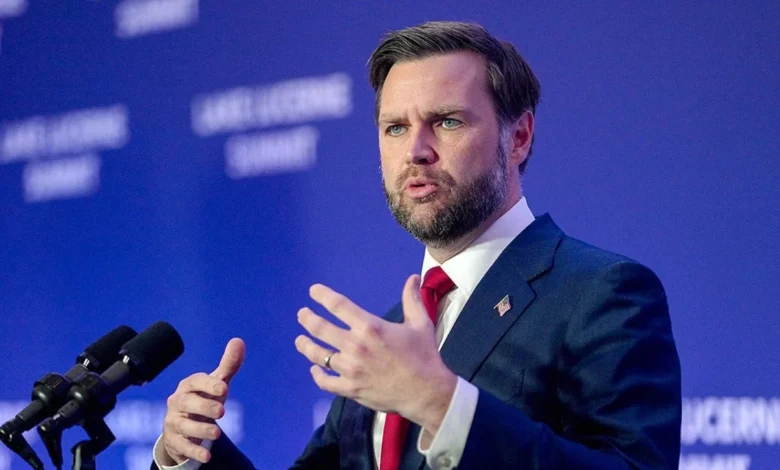
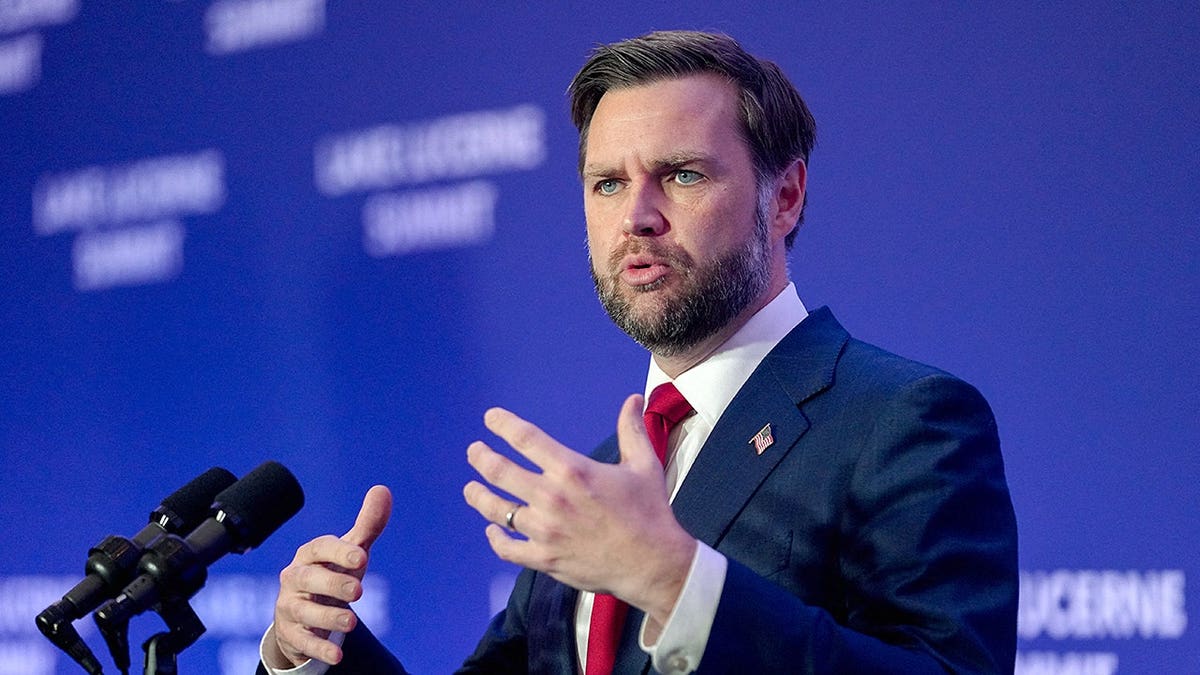
Vice President JD Vance announced significant breakthroughs this past weekend in high-stakes peace negotiations between the United States and Iran, held at the Bürgenstock resort on Lake Lucerne in Switzerland. The talks, described by a U.S. official involved in the negotiations as having made "great progress," reportedly secured Iran’s agreement to readmit International Atomic Energy Agency (IAEA) nuclear inspectors, a pivotal step toward de-escalation and transparency regarding Iran’s nuclear program. Furthermore, Vance proposed utilizing Iran’s unfrozen assets to procure U.S. agricultural products, an initiative aimed at fostering economic ties and providing humanitarian relief. A crucial deconfliction mechanism was also established, designed to bolster the stability of the ongoing ceasefire between U.S.-Israeli forces and Iranian forces, which has been in place for three months. Despite these advancements, the talks were not without their challenges, including managing external propaganda and addressing concerns from domestic critics regarding the enforceability and long-term regional impact of any agreements.
Key Agreements and Their Significance
The most prominent achievement announced by Vice President Vance is Iran’s commitment to allow IAEA nuclear inspectors back into the country. This development marks a critical juncture in international efforts to monitor and verify Iran’s nuclear activities. The IAEA, the global nuclear watchdog, plays an indispensable role in ensuring that nuclear energy is used for peaceful purposes and that nuclear materials are not diverted for weapons. Following the U.S. withdrawal from the Joint Comprehensive Plan of Action (JCPOA) in 2018, Iran gradually scaled back its commitments under the deal, including restricting IAEA access and increasing its uranium enrichment levels. The readmission of inspectors is thus seen as a foundational step towards rebuilding trust and providing the international community with crucial oversight, potentially paving the way for a more comprehensive return to nuclear non-proliferation agreements. Analysts suggest that renewed inspections could offer vital data on the current state of Iran’s nuclear infrastructure and material stockpiles, information deemed essential for any future diplomatic resolution.
Beyond nuclear inspections, Vance also highlighted a proposal to channel Iran’s unfrozen assets towards the purchase of American agricultural goods. This economic incentive could serve multiple purposes: it offers Iran access to funds previously blocked by international sanctions, provides a humanitarian benefit by addressing food security needs within Iran, and simultaneously boosts the U.S. agricultural sector. The specifics of which assets would be unfrozen and under what conditions remain subject to further negotiation, but the concept itself signals a willingness from the U.S. to offer economic relief in exchange for verifiable commitments from Tehran. Such an arrangement could mitigate the economic pressures on Iran, which some argue have contributed to regional instability, while simultaneously providing a tangible benefit to the American economy.
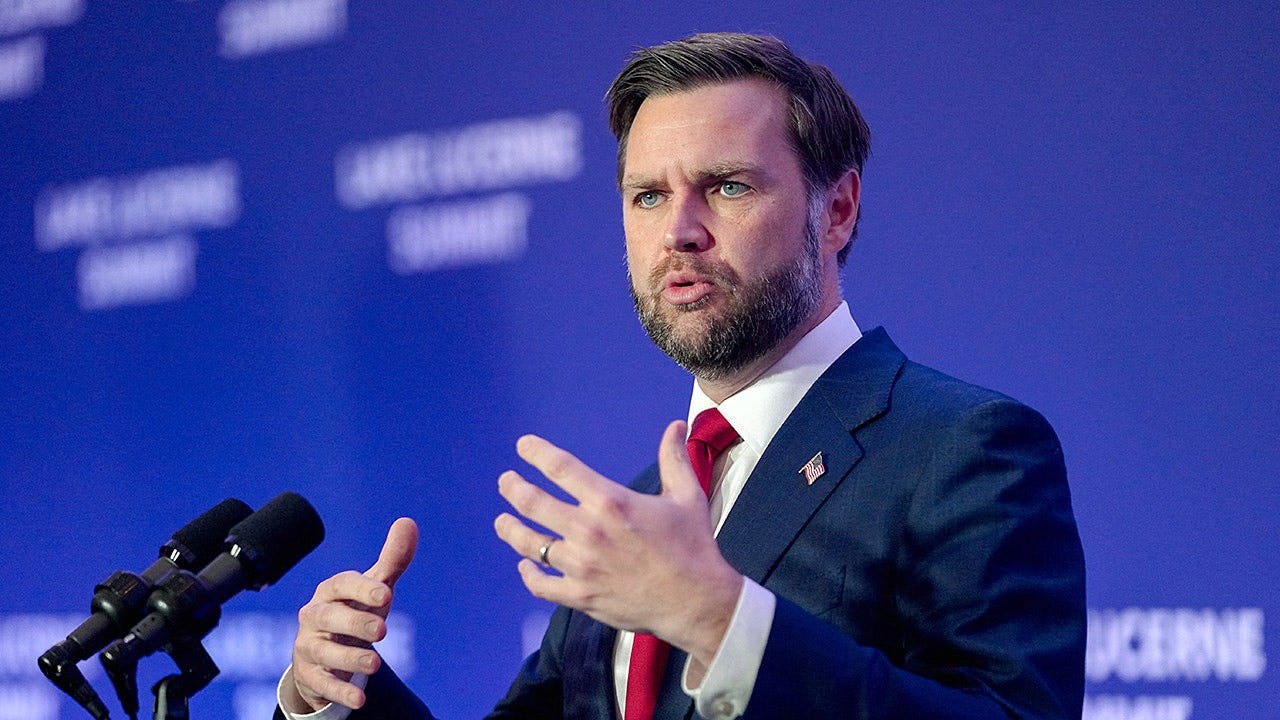
Another vital outcome of the Swiss talks was the establishment of a deconfliction mechanism. This operational framework is designed to prevent unintended clashes and maintain the fragile ceasefire that has been in place between U.S.-Israeli forces and Iranian forces for the past three months. The conflict, which has seen direct and indirect confrontations in various Middle Eastern theaters, underscores the urgent need for clear communication channels and agreed-upon protocols to manage potential flashpoints. Such mechanisms are crucial in high-tension environments to avoid miscalculations that could rapidly escalate into a broader regional war. Diplomatic observers note that while a ceasefire halts active hostilities, a deconfliction mechanism provides the technical and procedural architecture to ensure its durability and prevent future outbreaks of violence, laying groundwork for more sustained peace.
Finally, while not explicitly detailed in the main body of the original report, the video title associated with Vance’s announcement on Fox News indicated agreements on maintaining an open Hormuz Strait. The Strait of Hormuz is a strategically vital choke point connecting the Persian Gulf to the open ocean, through which a significant portion of the world’s oil supply passes. Threats to its closure or disruptions to shipping in the strait have historically led to spikes in global oil prices and heightened geopolitical tensions. Securing Iran’s commitment to keep the strait open would be a major win for global energy security and stability, reassuring international markets and reducing the risk of military confrontations over maritime passage.
A Chronology of Diplomatic Efforts and Regional Tensions
The recent Swiss talks are not an isolated event but rather the latest chapter in a protracted and often turbulent history of U.S.-Iran relations, marked by periods of confrontation and intermittent diplomatic engagement. The backdrop to these negotiations includes:
- 2015: The Joint Comprehensive Plan of Action (JCPOA), a landmark nuclear deal, is signed between Iran and the P5+1 group (China, France, Germany, Russia, United Kingdom, United States), along with the European Union. The deal aimed to prevent Iran from developing nuclear weapons in exchange for sanctions relief.
- 2018: The U.S. unilaterally withdraws from the JCPOA under the Trump administration, re-imposing stringent sanctions on Iran. This move leads to increased tensions and Iran gradually reducing its compliance with the deal’s provisions.
- Early 2026: Escalation of hostilities between U.S.-Israeli forces and Iranian forces in the Middle East, leading to a three-month period of active conflict. The precise triggers for this renewed conflict are complex, involving proxy battles, cyber warfare, and direct military encounters.
- April 2026: Vice President JD Vance embarks on his first major peace initiative, traveling to Islamabad, Pakistan, alongside Special Envoy Steve Witkoff and Special Peace Envoy Jared Kushner, to engage in high-stakes talks with Iranian officials. These initial efforts ultimately fail to secure a comprehensive deal, but lay the groundwork for continued engagement.
- June 2026: Vice President Vance leads the U.S. delegation to Switzerland for a second round of intensive negotiations at the Bürgenstock resort. These talks last "well into the late hours over the weekend," culminating in the announced breakthroughs.
- June 22, 2026: Vance addresses the media, confirming the agreements made and setting the framework for "continued talks."
This chronology underscores the persistent efforts to de-escalate a dangerous regional conflict and address the enduring challenge of Iran’s nuclear ambitions.
Countering Disinformation and Diplomatic Nuances
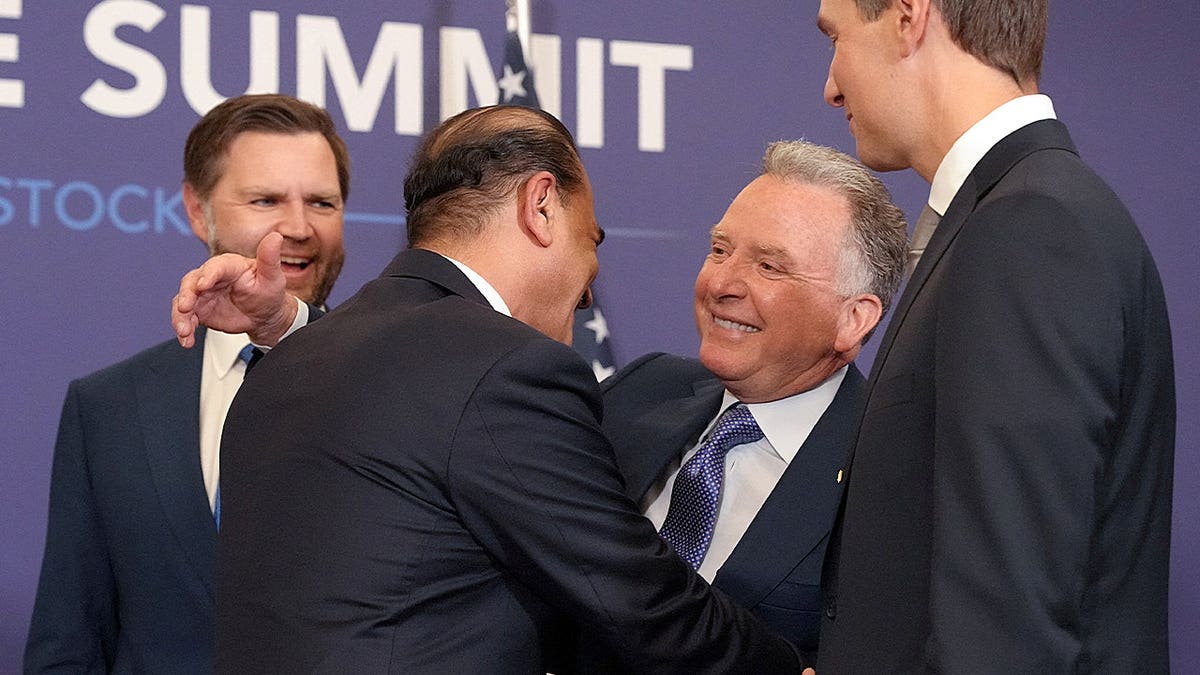
Amidst the complex negotiations, reports from Iranian state media circulated claims of a diplomatic "snub" involving Vice President Vance and Qatari Prime Minister Sheikh Mohammed bin Abdulrahman Al Thani, along with allegations that Iranian leadership threatened to abandon the negotiating table. These reports, described by a U.S. official as "foreign propaganda," suggested that the Qatari Prime Minister deliberately bypassed Vance to warmly greet Pakistani Prime Minister Shehbaz Sharif, implying a diplomatic slight or a breakdown in talks.
However, a U.S. official present at the talks swiftly refuted these claims, explaining that the U.S. delegation had "just spent hours with the Qataris," rendering a re-greeting unnecessary. The official further clarified that the decision to issue joint statements before the meeting was an impromptu arrangement, not a staged diplomatic protocol. This explanation was corroborated by Sheikh Mohammed bin Abdulrahman Al Thani himself, who, in an interview with Al Jazeera, explicitly denied snubbing Vance, stating he had spent hours with the U.S. Vice President prior to the widely circulated video clip. He attributed the controversy to media misrepresentation, noting, "And they just made the issue too big."
This episode highlights the delicate environment surrounding high-level international negotiations, where misinformation can easily be weaponized to sow discord or undermine diplomatic progress. The U.S. official’s strong condemnation of those "parroting foreign propaganda" underscores the administration’s concern that such narratives serve "bad faith actors that want to derail negotiations."
Domestic and International Reactions and Implications
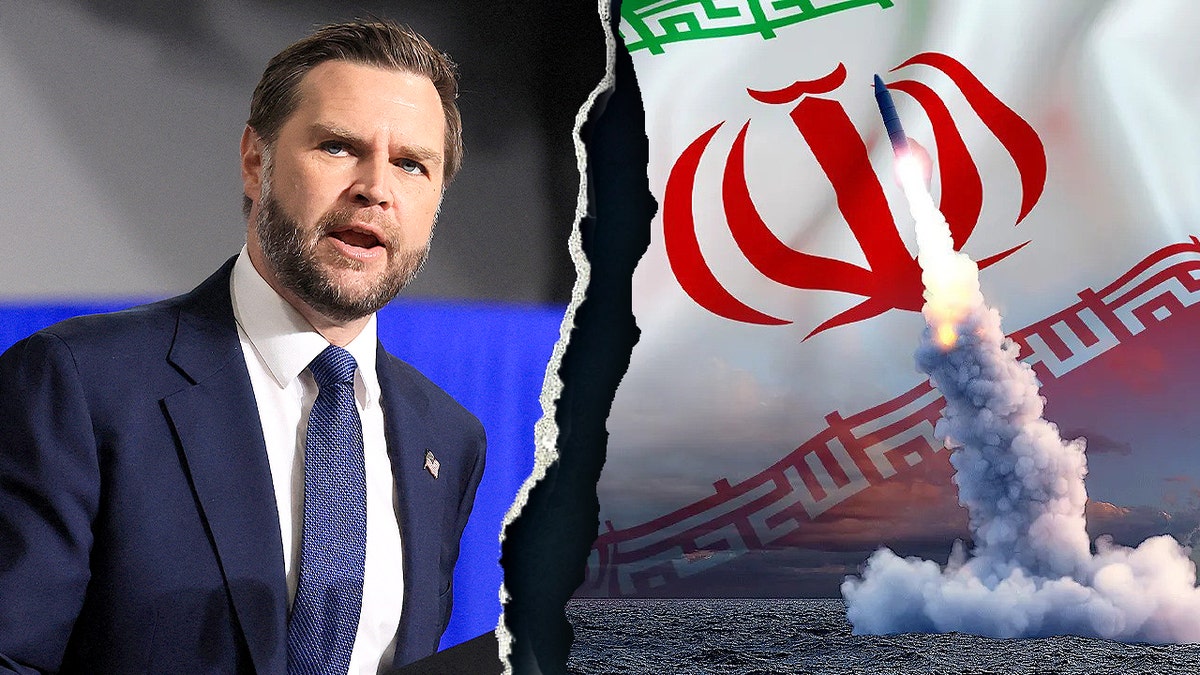
The news of potential breakthroughs has been met with a mix of cautious optimism and skepticism, both domestically and internationally.
Domestically, a CBS poll conducted on Sunday revealed overwhelming public sentiment, with 78% of Americans indicating that the conflict between the U.S. and Iran should come to an end. This public desire for peace provides a strong mandate for the administration’s diplomatic efforts, suggesting broad support for de-escalation even if the details of a deal remain controversial for some.
Economically, the prospects of a peace agreement have already begun to ripple through global markets. The New York Times reported a dip in oil prices on Monday, a direct response to market expectations that Vance would secure peace during the Switzerland talks. A stable Middle East and guaranteed open shipping lanes, particularly the Hormuz Strait, tend to reduce the geopolitical risk premium on oil, leading to lower prices. This immediate market reaction underscores the global economic impact of U.S.-Iran relations.
However, not all reactions have been positive. Panels like "Outnumbered" raised critical questions regarding the enforcement mechanisms of any agreements and their long-term regional impact. Critics of Vance have been vocal, alleging that the Vice President is "surrendering" to the Iranians and that Iran stands to gain more from the peace deal than the U.S. These criticisms often stem from a deep-seated distrust of the Iranian regime and concerns that any concessions could empower a state considered hostile to U.S. interests and regional allies.
Regional allies, particularly Israel and Gulf Arab states like Saudi Arabia and the UAE, are likely monitoring these developments with intense scrutiny. Historically, these nations have expressed profound skepticism about deals with Iran, fearing that sanctions relief could bolster Iran’s regional proxies and conventional military capabilities, while insufficient nuclear oversight could still lead to a nuclear-armed Iran. Their reactions, though not explicitly detailed in the provided content, would logically involve demands for robust verification mechanisms and assurances for their own security.
The Influence of External Actors and Organized Opposition
Adding another layer of complexity to the diplomatic landscape is the presence of organized opposition and propaganda networks. A Fox News Digital investigation unearthed a network of pro-communist groups, reportedly funded by Neville Roy Singham, an American-born tech tycoon residing in China. This network, allegedly supporting the Chinese Communist Party and its allies, including the Islamic Republic of Iran, has been identified as being behind many of the anti-American protests that have taken place.
Singham, who married CodePink co-founder Jodie Evans in 2017, has reportedly channeled a documented $278 million into this network. The groups, including the Party for Socialism and Liberation (a self-declared pro-China communist organization), have actively mobilized their followers through platforms like "Liberation News" to "keep up the pressure" against what they term "the war." In April, these nonprofits organized protests against then-President Donald Trump’s "criminal war," with demonstrators symbolically painting blood on their hands to protest "genocidal threats" against Iran.
This organized, foreign-funded opposition highlights the multifaceted challenges faced by U.S. negotiators. Beyond the direct diplomatic hurdles with Iran, the administration must contend with narratives propagated by groups that seek to undermine U.S. foreign policy and potentially influence public opinion against peace efforts, particularly if those efforts are perceived as concessions.
Political Implications for Vice President Vance

The high-stakes nature of the US-Iran peace talks also carries significant political implications for Vice President JD Vance. His prominent role in these negotiations has elevated his profile and reshaped perceptions of his political future.
In March, prior to these successful talks, betting markets like Kalshi showed Vance lagging behind potential 2028 presidential contenders such as Secretary of State Marco Rubio and California Governor Gavin Newsom. However, since his direct involvement in facilitating the peace deal this month, Vance has reportedly surged to the top spot for the next presidential election cycle. This shift underscores how foreign policy successes, particularly in resolving long-standing conflicts, can significantly boost a politician’s standing and public appeal. The ability to bring about a diplomatic resolution to a conflict that a significant majority of Americans wish to see end positions Vance as a capable and effective leader on the international stage.
Challenges and the Path Forward
Despite the announced breakthroughs, the path to a comprehensive and lasting peace agreement remains fraught with challenges. The current agreements primarily establish a framework for "continued talks," indicating that much work remains to be done.
- Enforcement and Verification: The effectiveness of the IAEA inspections will depend on the extent of access granted by Iran and the international community’s capacity to verify compliance rigorously. Trust deficits are deep, and any monitoring regime must be robust enough to address past concerns about covert nuclear activities.
- Long-Term Regional Stability: While the deconfliction mechanism is a positive step, achieving true regional stability requires addressing the underlying causes of tension, including Iran’s ballistic missile program, its support for various proxy groups, and broader geopolitical rivalries.
- Sanctions Relief vs. Compliance: The proposed use of unfrozen assets is a creative solution, but the broader issue of sanctions relief will remain a contentious point. Iran will likely seek more extensive economic benefits, while the U.S. and its allies will demand verifiable and irreversible concessions.
- Domestic Opposition: Both in the U.S. and Iran, hardliners and critics could seek to undermine the nascent peace process. The U.S. administration will need to manage domestic political blowback from those who perceive the deal as too lenient.
- Sustainability: Any agreement must be durable and capable of withstanding shifts in political leadership in both countries. Building broad consensus and international support will be crucial for its longevity.
Vice President Vance’s diplomatic efforts represent a critical juncture in US-Iran relations. The agreements on IAEA inspections, the Hormuz Strait, and the deconfliction mechanism offer tangible steps towards de-escalation and transparency. However, these are initial steps on a long and complex road towards a sustainable peace, requiring sustained diplomatic engagement, careful verification, and the ability to navigate a challenging geopolitical landscape marked by both cooperation and deep-seated animosities. The world watches closely as these "historic talks" continue to unfold, hoping that the framework established in Switzerland can indeed lead to a deal that serves the best interests of regional stability and global security.
Related posts: