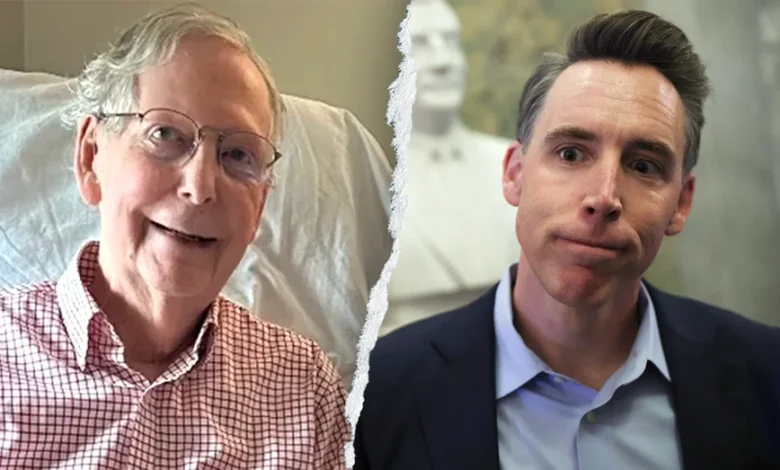
As the U.S. Senate navigates a precarious legislative landscape, a cloud of uncertainty continues to envelop the prolonged absence of Kentucky Republican Senator Mitch McConnell. His extended recovery from a severe fall has not only stalled crucial Republican legislative initiatives but has also ignited a fierce debate within his own party regarding the need for transparency in public officials’ health matters. Missouri Senator Josh Hawley has emerged as a prominent voice in this discussion, delivering a scathing critique of the communication surrounding McConnell’s condition and sternly reminding his team of their "obligation to your constituents."
Senator McConnell, a venerable figure in American politics who recently celebrated his 84th birthday, has been conspicuously absent from the upper chamber for over a month. His hospitalization followed a fall at his Washington, D.C. home, an incident compounded by a subsequent diagnosis of pneumonia during his recovery. This unexpected and lengthy hiatus has cast a long shadow over the Senate’s already delicate balance of power. The situation has been exacerbated by the sudden death of the late Senator Lindsey Graham, leaving Senate Republicans effectively down two critical votes at a pivotal moment. This reduction in their already slim majority poses a significant hurdle in their dead sprint to advance key components of President Donald Trump’s agenda, particularly as the legislative calendar presses on.
The Unfolding Crisis: A Timeline of Senator McConnell’s Health and Absence
Mitch McConnell’s distinguished career in the Senate spans nearly four decades, a testament to his political acumen and endurance. First elected in 1984, he has served seven terms, rising through the ranks to become one of the most influential Senate Majority Leaders in history, a position he held for an unprecedented duration. His tenure has been marked by strategic legislative maneuvering, fierce partisan leadership, and a profound impact on judicial appointments, shaping the federal judiciary for generations. Known for his disciplined approach and his deep understanding of Senate rules, McConnell has been a central figure in countless legislative battles, earning him both fervent admiration and sharp criticism.
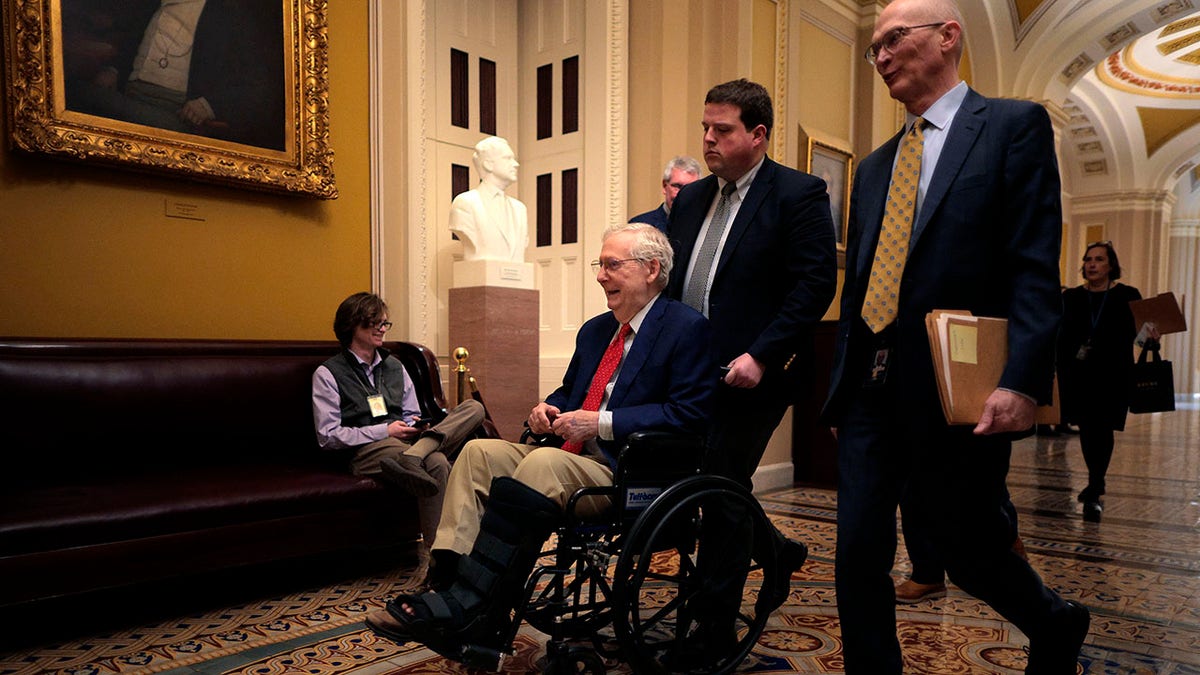
The current health crisis began in June, when the then-83-year-old senator sustained a fall at his residence. The incident led to immediate hospitalization, where he underwent treatment for his injuries. While the initial reports were sparse, it was later disclosed that he developed pneumonia during his hospital stay, further complicating his recovery and prolonging his absence from Capitol Hill. This was not the first time McConnell’s health had come under scrutiny. As he later revealed in an open letter to his constituents, his fall was linked to mobility issues stemming from his childhood battle with polio. This lifelong challenge, while managed, has periodically resurfaced as a factor in his physical well-being.
The lack of detailed updates following his initial hospitalization fueled growing concerns and speculation. For weeks, official communications remained minimal, leading to a void that was quickly filled by rumor and apprehension among his colleagues, the media, and the public. This period of silence culminated in an open letter addressed to the people of Kentucky, where McConnell directly acknowledged his prolonged absence. In this letter, he attributed his fall and subsequent challenges to the lingering effects of polio, explaining that "mobility issues" had made him more susceptible. He assured his constituents of his determination, stating his "every intention of finishing the job you elected me to do" and pledging to return to the Senate floor "as soon as possible," while committing to keeping them updated on his recovery progress. However, he also conceded that, on the advice of his doctors, he "won’t be able to return to the Senate floor to vote quite yet."
The Political Fallout: Hawley’s Blistering Rebuke and Calls for Transparency
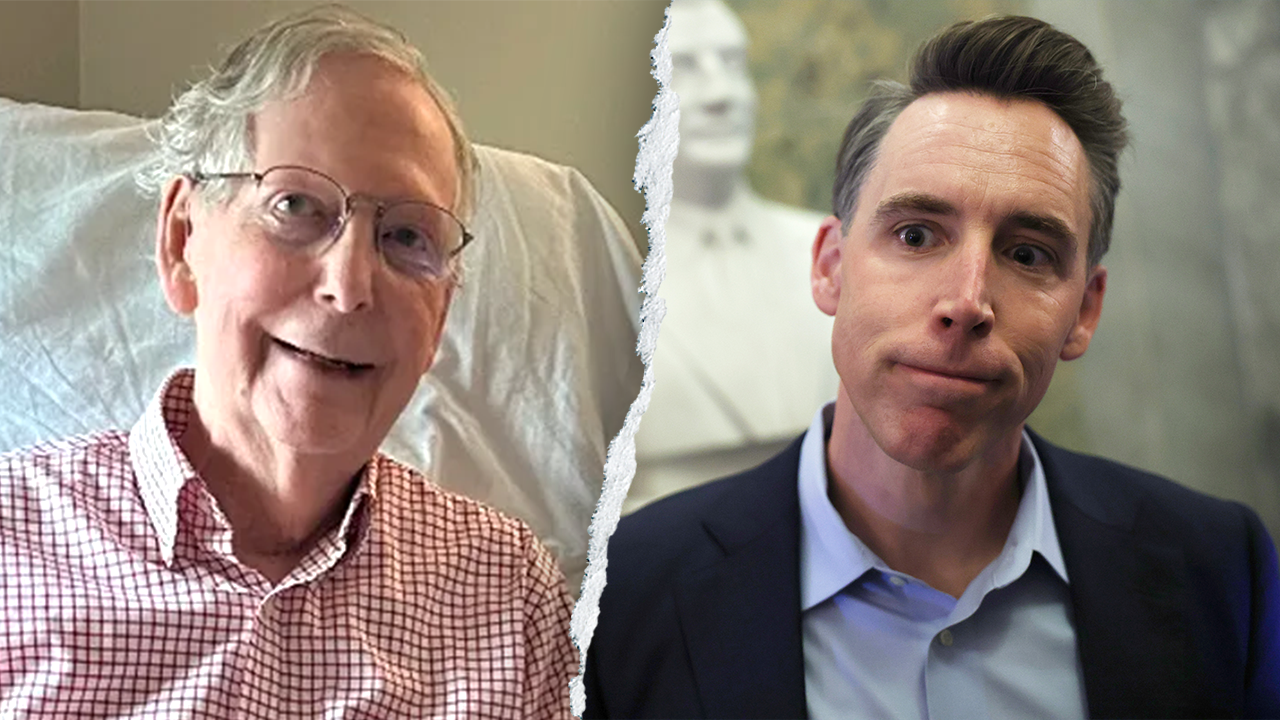
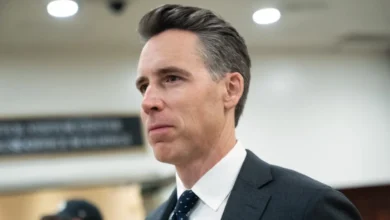
The vacuum of information surrounding Senator McConnell’s condition prompted a sharp reaction from within his own party. Senator Josh Hawley, a conservative populist from Missouri, did not mince words when discussing the situation with Fox News Digital. While expressing his well wishes for McConnell and his family, Hawley swiftly transitioned to a forceful condemnation of the lack of transparency from McConnell’s team. "At a certain point," Hawley asserted, "you do have an obligation to your constituents and the country to tell them what’s going on." This statement underscored a growing sentiment among some Republicans that the secrecy was unacceptable, particularly for a public official of McConnell’s stature and influence.
Hawley highlighted the tangible political ramifications of McConnell’s absence, stressing the precarious nature of the Republican majority. "To be down a vote," he continued, "We’ve got a slim majority; it’s not easy." He voiced frustration over the impact on legislative efforts, recalling instances where leadership cited insufficient votes for key Republican priorities. "I just hear a lot from leadership that, ‘Well, we don’t have the votes for this.’ Like the voter I.D., we don’t have the votes for that. Well, we might want to do something about that," Hawley lamented, directly linking the leadership’s challenges to the missing votes.
Hawley also admitted to being "totally in the dark" regarding McConnell’s condition, stating, "I never had any idea about any of his health stuff." This sentiment of being uninformed by his own party’s leadership resonates with the broader concerns about accountability and communication within the political sphere. His call for transparency was not merely a personal desire but framed as a fundamental requirement for effective governance and public trust.
A Senate in Flux: Impact on the Republican Agenda
The absence of Senator McConnell, coupled with the tragic loss of Senator Lindsey Graham, has plunged the Republican-controlled Senate into a state of heightened vulnerability. With a "slim majority" – which, depending on the exact composition of the Senate, could be as narrow as 51-49 or 52-48 – every single vote becomes indispensable. The loss of two such votes means the Republican caucus is operating at a significant disadvantage, often unable to pass legislation along purely partisan lines without bipartisan support, which is frequently elusive in a deeply divided Congress.
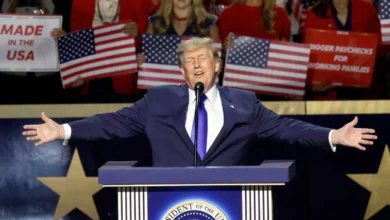
This reduced capacity to legislate directly impacts President Trump’s agenda, which is in a "dead sprint" to achieve key policy goals. One notable casualty, as highlighted by Hawley, is the SAVE America Act, a voter integrity measure. Such bills, often contentious, require robust party unity to pass. Without McConnell and Graham, the Republican leadership faces an uphill battle to muster the necessary votes, making it difficult to even bring such legislation to the floor with confidence. Beyond voter integrity, other priorities of the Trump administration, potentially including appropriations bills, judicial appointments, regulatory rollbacks, or even international treaties, could face similar delays or outright failure. The inability to move these initiatives forward not only frustrates the party’s base but also undermines the perceived effectiveness of the legislative branch, especially when the executive and legislative branches are controlled by the same party.
While Hawley deferred to Senate Majority Leader John Thune (R-S.D.) on the specific handling of McConnell’s situation, his comments implicitly questioned the leadership’s strategy in managing the legislative calendar amidst these challenges. The pressure on Thune and other Republican leaders to navigate this complex situation is immense, requiring creative solutions and potentially more bipartisan outreach than typically favored by the party’s more conservative wing.
Voices from the Aisle: Diverse Reactions Across the Senate
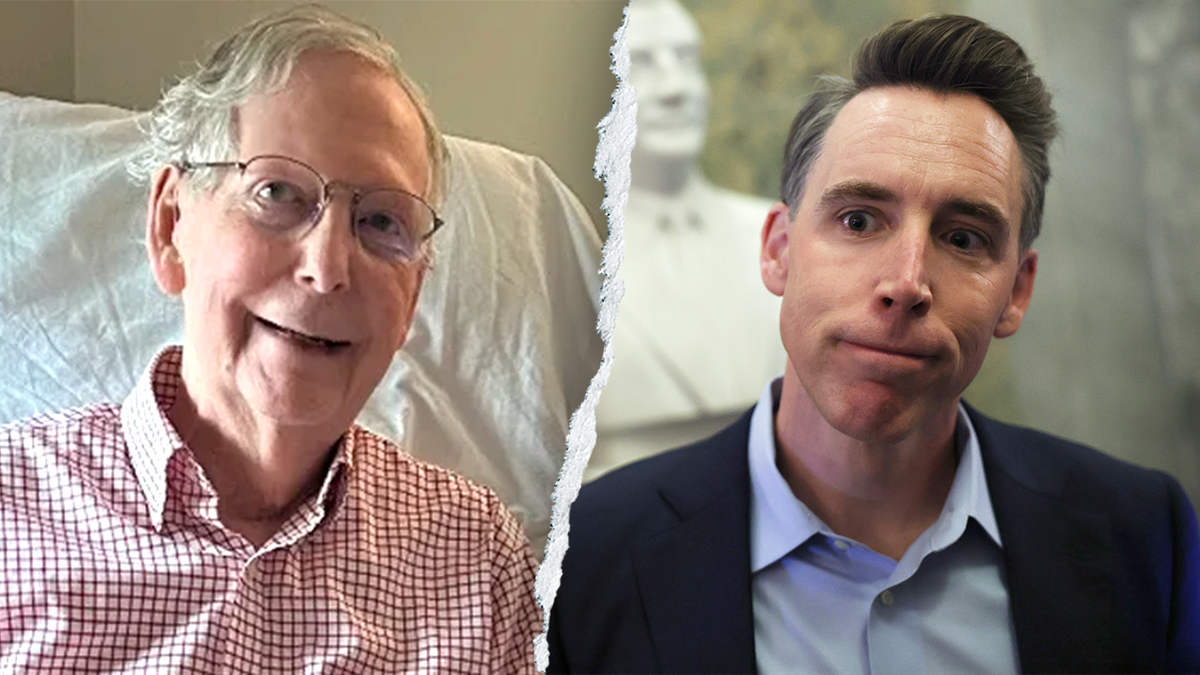
The uncertainty surrounding Senator McConnell’s health has elicited a range of reactions from his colleagues, underscoring the delicate balance between privacy and public accountability. While Senator Hawley’s critique was notably sharp, other Republican senators have adopted different stances. Some have publicly defended McConnell’s right to privacy during a personal health crisis, emphasizing his long service and the respect due to him. They argue that rushing to judgment or demanding excessive details could set a problematic precedent, discouraging public service from individuals who may face health challenges. These colleagues often express optimism for his full recovery and eventual return, choosing to focus on solidarity rather than critique.
Conversely, a contingent of Republican senators, perhaps less vocal than Hawley but sharing his underlying concerns, quietly express worries about the legislative paralysis. These senators understand the strategic importance of every vote and the implications of a prolonged absence on their ability to deliver on campaign promises and presidential priorities. While they may not issue "blistering rebukes," their private conversations likely reflect a growing impatience and a desire for more clarity regarding the leadership vacuum.
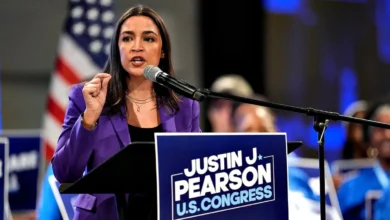
On the Democratic side, the reaction has been equally complex. While some Democrats might offer polite well-wishes, others have been more direct in their criticism of the situation’s implications for governance. Representative Alexandria Ocasio-Cortez, a prominent progressive voice, was cited in a linked article as having "unloaded" on McConnell’s prolonged absence, likely echoing sentiments about the functionality of government and the public’s right to transparent leadership. Democrats, generally, might frame the situation as indicative of broader issues within the Republican Party or even systemic problems within an aging political establishment, using it to bolster arguments for legislative reforms or different approaches to leadership.
Public sentiment, particularly among Kentuckians, is also a critical factor. Constituents expect their elected representatives to be present and active, especially a senator with McConnell’s influence. While many will undoubtedly extend sympathy and support, a prolonged absence without clear communication can lead to feelings of disenfranchisement or a perception of neglect, regardless of the underlying health issues. This public pressure further amplifies the calls for transparency.
McConnell’s Own Account: A Pledge to Serve
In a move clearly intended to address the mounting concerns and quell speculation, Senator McConnell issued an open letter to the people of Kentucky. This communication served as his most direct and comprehensive public statement since his fall, offering a glimpse into his condition and his determined outlook.
In his letter, McConnell candidly addressed the root cause of his recent mobility issues, linking them directly to his childhood battle with polio. He explained that the disease had left him with lasting physical challenges that, while generally well-managed, had contributed to his recent fall and complicated his recovery. This explanation aimed to provide a personal context to his situation, drawing on his lifelong experience with a significant health challenge. By doing so, he sought to humanize his struggle and perhaps garner empathy from a public that might not have been aware of this specific aspect of his medical history.
Crucially, McConnell used the letter to emphatically reaffirm his commitment to his constituents and his role in the Senate. "I have every intention of finishing the job you elected me to do," he declared, leaving no room for doubt about his plans to complete his current term. He also pledged to "keep working hard to get back on the Senate floor as soon as possible" and committed to providing regular updates on his recovery progress. This statement was a direct response to the calls for transparency, offering a promise of future communication while acknowledging his immediate inability to return to full duties. While it offered some clarity, the letter also implicitly highlighted the ongoing nature of his recovery and the fact that his return to the Senate floor for voting was still some time away, leaving a lingering question mark over the immediate legislative future.
Beyond the Immediate: The Broader Debate on Age, Health, and Governance
Senator Hawley’s comments extended beyond McConnell’s specific situation, reigniting a broader national debate about the age of politicians and the concept of term limits. When asked whether McConnell’s condition evidenced a need for age limits, Hawley swiftly responded, "Well, I’m a term-limit guy, so I’m all for that." He clarified that his stance was not an attack on older colleagues, pointing to 92-year-old Senator Chuck Grassley (R-Iowa) as an example of an elder statesman who is "sharp as a tack and spry and all that stuff." Hawley’s distinction aimed to separate the issue of physical or cognitive fitness from chronological age, emphasizing instead the principle of rotation in office.
The debate over term limits is a long-standing one in American politics. Proponents argue that term limits would bring fresh perspectives, reduce the influence of special interests, and prevent politicians from becoming too entrenched or disconnected from their constituents. They often cite the original intent of the founders, who envisioned public service as a temporary duty rather than a lifelong career. Critics, however, contend that term limits would lead to a loss of institutional knowledge, empower unelected staff and lobbyists, and weaken the legislative branch by removing experienced leaders who have developed expertise and relationships vital for effective governance. They also argue that voters should have the ultimate say in who represents them, regardless of how many terms they have served.
The average age of members of Congress has steadily risen over the past few decades, with the current Senate often noted as one of the oldest in history. This trend has fueled concerns about the physical and cognitive demands of public service, particularly in an increasingly complex and fast-paced political environment. While many older politicians demonstrate exceptional vigor and mental acuity, high-profile health incidents, such as McConnell’s, inevitably bring these questions to the forefront. The discussion around age and fitness for office is sensitive, touching on personal privacy, ageism, and the fundamental requirements of leadership in a democratic society. Hawley’s call for a constitutional amendment for term limits underscores a desire among some to fundamentally restructure the political landscape, believing that such changes would foster a more dynamic and responsive government.
Implications for the Future: Republican Leadership and Legislative Prospects
The situation surrounding Senator McConnell’s health and absence carries significant implications for the Republican Party’s leadership structure and its legislative prospects for the foreseeable future. While McConnell has stated his intention to finish his term, his prolonged recovery raises questions about the long-term stability of Republican leadership in the Senate. Should his health prevent him from fully resuming his duties, internal discussions about potential succession scenarios for the top Republican post could gain traction, even if unofficially. Senator John Thune, currently the Senate Majority Leader in this future context, would likely be central to these discussions, as would other prominent figures within the Republican caucus.
Beyond leadership, the immediate legislative agenda faces substantial hurdles. Even with McConnell’s eventual return, a period of reduced capacity could mean delays for critical votes and strategic maneuvering. The Republican party, aiming to push through President Trump’s agenda, will need to carefully prioritize its legislative efforts, potentially sacrificing some initiatives for others that have a higher chance of bipartisan support or are considered absolutely essential. The "SAVE America Act" and similar partisan bills will remain a challenge. This period of vulnerability could also embolden the Democratic minority, allowing them to block Republican initiatives more effectively or push their own agenda items through negotiation.
Ultimately, the unfolding narrative around Senator McConnell’s health serves as a powerful reminder of the human element in politics and the profound impact of individual circumstances on the machinery of government. The demand for transparency, the debate over term limits, and the immediate legislative challenges all converge to create a critical moment for the Republican Party and the U.S. Senate as a whole. As the nation awaits further updates on McConnell’s recovery, the questions raised by his absence will continue to resonate, shaping discussions about accountability, leadership, and the future of American governance.