
Migrant Families Floyd Bennett Tent Evacuation Rain
Floyd Bennett Field Tent Evacuation: A Storm Exposes Humanitarian Challenges for Migrant Families
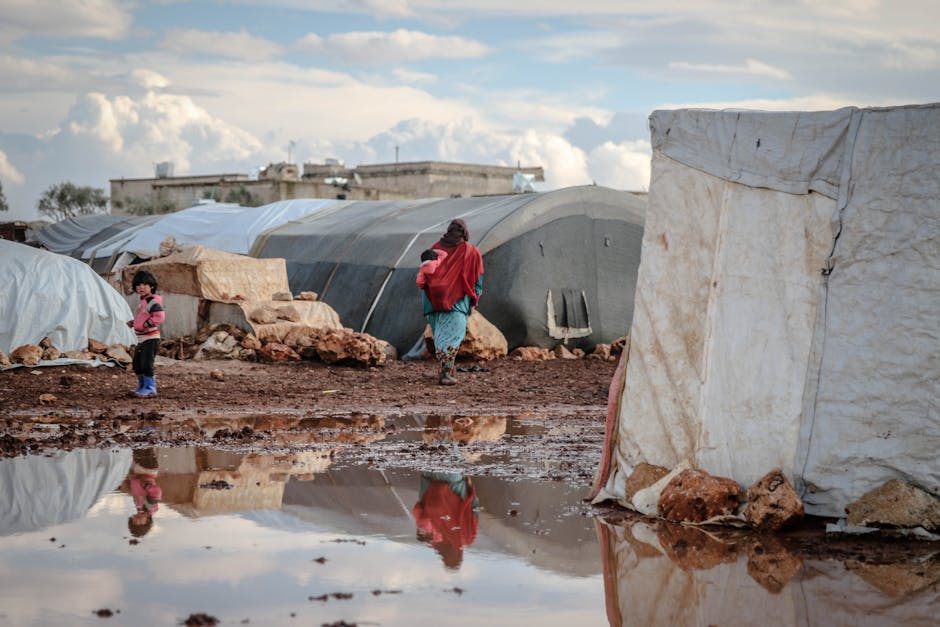
Heavy rains and high winds forced the emergency evacuation of migrant families from temporary tent encampments at Floyd Bennett Field in Brooklyn, highlighting the precariousness of their living conditions and the urgent need for more sustainable shelter solutions. The swift deterioration of weather conditions on a recent weekend sent a clear message: the makeshift housing, intended as a short-term solution, proved inadequate against the elements, forcing authorities to act rapidly to ensure the safety and well-being of hundreds of men, women, and children. This event, while driven by immediate weather concerns, underscores broader systemic issues surrounding the arrival and processing of asylum seekers, the strain on city resources, and the moral imperative to provide dignified and secure housing for vulnerable populations. The experience at Floyd Bennett Field serves as a stark illustration of the challenges faced by migrant families seeking refuge and the critical need for comprehensive, long-term strategies that go beyond temporary encampments.
The Floyd Bennett Field site, a former naval air station, was transformed into a large-scale migrant shelter in response to the significant influx of asylum seekers into New York City over the past year. The encampment featured rows of large white tents, each designed to house multiple families or individuals. While proponents argued the tents offered a degree of separation and privacy compared to crowded congregate settings, critics pointed to their vulnerability to extreme weather. This vulnerability was dramatically exposed when a severe storm system moved through the region, bringing torrential rain and gale-force winds. The deluge quickly overwhelmed the drainage systems within the tents, leading to widespread flooding. Water seeped through seams, pooled on the floors, and created muddy, unsanitary conditions. Residents reported that their belongings were soaked, and the tents themselves became cold and damp, posing a significant risk of hypothermia, particularly for children and the elderly.
The evacuation process, initiated as the storm intensified, involved a coordinated effort by various city agencies, including the Department of Homeless Services, the Fire Department, and the National Guard. Migrant families were roused from their flooded tents and guided to buses. The immediate priority was to transport them to more secure and stable indoor locations. This involved a logistical challenge, as hundreds of individuals, many with limited English proficiency and understandably distressed, needed to be safely and efficiently moved. The destination for many of these families was a large recreational center in Queens, which had been quickly repurposed to accommodate the displaced residents. This shift, while providing immediate relief from the storm, also represented another transition for families already navigating immense uncertainty and upheaval in their lives.
The rain at Floyd Bennett Field was more than just a meteorological event; it was a catalyst that illuminated the existing fragilities of the city’s response to the migrant crisis. For months, the tent encampments had been a subject of debate. Advocates for migrant rights had raised concerns about the lack of adequate heating, ventilation, and sanitation within the tents, especially as colder months approached. The flooding during the recent storm validated these concerns, demonstrating that the tents were not merely uncomfortable but potentially unsafe environments in adverse weather. The rapid deployment of such large-scale temporary housing, while necessary to address an immediate surge, also raised questions about the long-term planning and investment in more robust infrastructure. The reliance on temporary structures, susceptible to weather, underscores a reactive rather than proactive approach to a persistent challenge.
The evacuation also brought to the forefront the immense psychological toll on migrant families. Having undertaken perilous journeys to seek safety and opportunity, they are often subjected to further instability and uncertainty. Being moved from one temporary shelter to another, especially under duress due to extreme weather, adds to their trauma and anxiety. The loss of personal belongings due to the flooding, the disruption of routines, and the constant need to adapt to new environments can be profoundly destabilizing. For children, these experiences can have long-lasting developmental impacts, affecting their sense of security and their ability to engage in educational activities. The visible distress of parents trying to comfort their children amidst the chaos of evacuation served as a poignant reminder of the human cost of these emergency responses.
The flooding at Floyd Bennett Field also had implications for the operational capacity of the city’s social services. Repurposing facilities like the recreational center to house evacuated migrants placed an additional strain on resources. Staffing levels, the provision of meals, healthcare, and educational support all require careful management and adequate funding. The need to respond to a sudden evacuation diverts resources and attention from ongoing efforts to resettle families and provide them with pathways to employment and stability. This highlights the cyclical nature of crisis management, where immediate needs often overshadow the development of sustainable solutions that could mitigate future emergencies.
Looking beyond the immediate aftermath of the storm, the Floyd Bennett Field evacuation necessitates a critical re-evaluation of New York City’s migrant housing strategy. While the city has made efforts to accommodate a large number of asylum seekers, the reliance on open-air encampments, even with tents, proves to be a flawed approach in a region with unpredictable weather patterns. The long-term solution must involve the development of more permanent, climate-resilient housing options. This could include the conversion of underutilized city buildings, the construction of modular housing units, or partnerships with private developers to create affordable housing for this population. Investing in these more robust solutions would not only provide greater dignity and security for migrant families but could also prove more cost-effective in the long run by reducing the need for frequent emergency responses and temporary infrastructure.
Furthermore, the incident underscores the importance of robust disaster preparedness and communication protocols for temporary shelters. When establishing encampments, thorough assessments of potential weather-related risks should be conducted, and mitigation strategies implemented. This includes ensuring adequate drainage, reinforced tent structures, and readily accessible emergency evacuation routes and procedures. Clear communication channels with residents are also paramount. Migrant families need to be informed about potential risks, evacuation plans, and their rights and responsibilities during emergencies. Providing this information in multiple languages and through accessible formats is crucial for ensuring their safety and cooperation.
The international context of the migrant crisis cannot be ignored. New York City is a port of entry for many asylum seekers who have fled persecution, violence, and economic hardship in their home countries. The challenges faced by these individuals are compounded by complex immigration policies and the often-lengthy asylum process. While cities like New York have stepped up to provide humanitarian assistance, the responsibility for addressing the root causes of displacement and for developing comprehensive immigration policies rests with federal and international bodies. However, in the absence of such comprehensive solutions, cities must continue to develop effective strategies for integrating newcomers and providing them with the support they need to rebuild their lives.
The Floyd Bennett Field evacuation also shines a light on the vital role of community organizations and volunteers. During the evacuation and in the aftermath, many local groups mobilized to provide assistance, offering food, clothing, and emotional support to the displaced families. Their dedication and compassion are invaluable, but it also highlights the extent to which civil society is shouldering responsibilities that should ideally be met by government services. A more coordinated and adequately funded approach, involving both government agencies and community partners, is essential to effectively manage the ongoing migrant influx and ensure the well-being of all residents.
The narrative surrounding migrant families in New York City has often focused on the numbers and the logistics of shelter. The Floyd Bennett Field rain incident serves as a potent reminder that behind these statistics are individuals and families with stories, hopes, and vulnerabilities. Their experiences, particularly during adverse weather events, demand empathy, a commitment to human dignity, and a renewed focus on creating humane and sustainable living conditions. The evacuation was a wake-up call, emphasizing that temporary solutions, while sometimes necessary, are insufficient for a prolonged humanitarian challenge. The path forward requires a strategic investment in permanent housing, improved disaster preparedness for all shelters, and a more coordinated approach that prioritizes the long-term well-being of those seeking refuge. The resilience of these families in the face of adversity is remarkable, but their journey towards safety and stability must be supported by policies and infrastructure that can withstand the storms, both literal and metaphorical. The lessons learned from Floyd Bennett Field should serve as a catalyst for a more effective, compassionate, and sustainable response to the migrant crisis in New York City and beyond.
