
Alemania Protestas Extrema Derecha
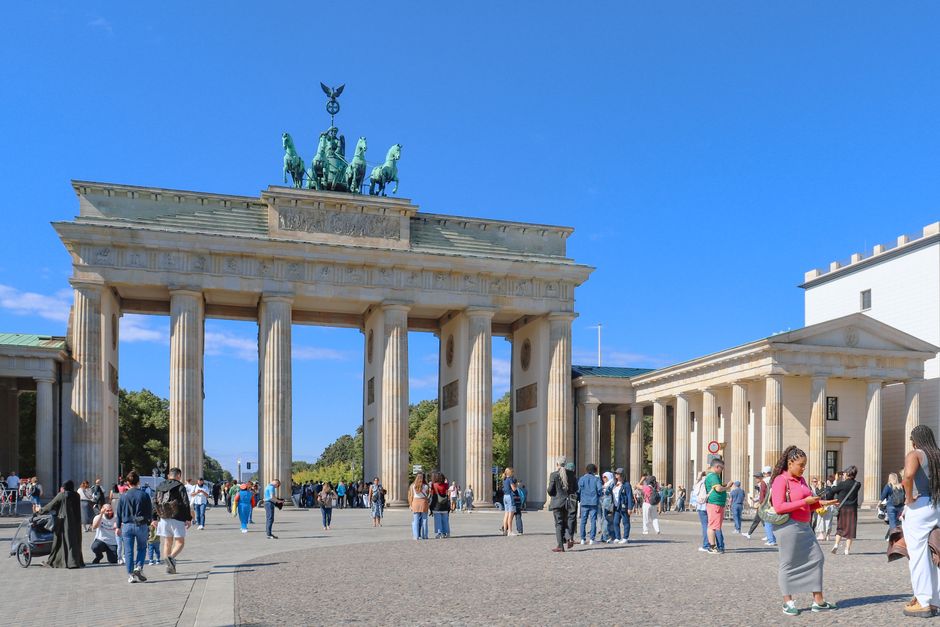
Alemania: Protestas y el Auge de la Extrema Derecha
The landscape of German political discourse is currently experiencing significant upheaval, marked by an observable increase in protests and a concomitant rise in the visibility and influence of far-right movements. This phenomenon is not monolithic, but rather a complex interplay of historical grievances, socio-economic anxieties, and evolving ideological currents. Understanding the dynamics of these protests necessitates a deep dive into the specific groups involved, their ideological underpinnings, their stated grievances, and the broader societal factors that contribute to their mobilization. The term "extrema derecha" in the German context encompasses a spectrum of political actors and movements, ranging from established parties like the Alternative for Germany (AfD) to more radical, often clandestine, neo-Nazi and identitarian groups. Their protests, while varied in their specific targets and organizational structures, frequently converge on issues such as immigration, national identity, European integration, and perceived threats to traditional values.
One of the most prominent catalysts for contemporary far-right mobilization in Germany has been the refugee crisis of 2015-2016. The substantial influx of asylum seekers, primarily from Syria, Iraq, and Afghanistan, triggered widespread public debate and, for some segments of the population, a sense of unease and apprehension. This sentiment was effectively channeled by far-right groups who framed immigration as an existential threat to German culture, security, and economic stability. Protests against refugee shelters, demonstrations against government immigration policies, and rallies characterized by anti-foreigner rhetoric became increasingly common. These events were often organized by groups like Pegida (Patriotische Europäer gegen die Islamisierung des Abendlandes – Patriotic Europeans Against the Islamization of the West), which originated in Dresden and subsequently spawned similar movements across the country. Pegida’s protests, while initially focused on Islam, broadened their scope to encompass a general anti-establishment and anti-immigration agenda, attracting a diverse coalition of individuals who felt marginalized or unrepresented by mainstream politics.
The Alternative for Germany (AfD) has emerged as the most electorally significant force within the German far-right. Founded in 2013 initially as an anti-Euro party, it gradually shifted its focus to become a vocal critic of immigration and Islam. The AfD’s parliamentary presence at the federal and state levels has provided a platform for its rhetoric, amplifying its message and lending it a veneer of legitimacy. The party’s leaders and members frequently participate in or support far-right demonstrations, using these events to articulate their policy positions and mobilize their base. The AfD’s narrative often hinges on themes of national sovereignty, cultural preservation, and a rejection of what they perceive as "political correctness" and liberal ideology. Their protests can range from organized rallies with speeches and banners to more spontaneous gatherings in response to specific events or government announcements.
Beyond the AfD, a more radical fringe of the far-right exists, often operating outside the parliamentary system but with a significant presence on social media and in street protests. These groups, including neo-Nazi organizations, identitarian movements, and various nationalist leagues, tend to espouse more overtly racist, xenophobic, and anti-Semitic ideologies. While their numbers might be smaller, their actions can be more confrontational and at times violent. They often employ historical revisionism, glorifying elements of Germany’s past while downplaying or denying the atrocities of the Nazi era. Their protests can be characterized by provocative symbols, hateful slogans, and attempts to disrupt public order. These groups are particularly adept at leveraging online platforms to recruit, disseminate propaganda, and coordinate offline activities, making them a persistent challenge for law enforcement and democratic institutions.
The ideological underpinnings of these far-right protests are diverse but often share common threads. A strong emphasis on nationalism and a belief in the superiority of a particular ethnic or cultural group are central. This often translates into a rejection of multiculturalism and a desire for a more homogenous society. Concerns about perceived threats to traditional values, including gender roles and family structures, also feature prominently in their rhetoric. Furthermore, a deep distrust of established political parties, mainstream media, and international institutions like the European Union fuels their anti-establishment sentiment. Conspiracy theories, often amplified online, play a significant role in shaping the worldview of many individuals drawn to the far-right, with narratives of secret elites manipulating global events and undermining national interests being prevalent.
The socio-economic context of Germany also contributes to the fertile ground for far-right mobilization. While Germany is a prosperous nation, certain regions and demographic groups have experienced economic stagnation or decline. Feelings of economic insecurity, job displacement due to globalization, and concerns about the future can lead individuals to seek simple explanations and scapegoats. Immigration, in this context, can be portrayed as a drain on public resources or a source of competition for jobs, even if these claims are not supported by empirical evidence. The perception of being left behind by societal and economic changes can foster resentment and a susceptibility to populist narratives that promise to restore a lost sense of national greatness and economic fairness.
The nature of the protests themselves is also a critical aspect to analyze. They can range from peaceful demonstrations and rallies to more disruptive and aggressive actions. Far-right groups often employ tactics designed to capture media attention, including marches through city centers, chanting slogans, and holding banners with provocative messages. The online realm is a crucial component of their organizational strategy, used for recruitment, propaganda dissemination, and event coordination. Social media platforms allow for the rapid spread of their messages, often bypassing traditional media gatekeepers. This digital infrastructure also facilitates the formation of online communities that reinforce their beliefs and foster a sense of collective identity.
The response to these far-right protests from German society and its institutions is multifaceted. Mainstream political parties and civil society organizations have largely condemned the rhetoric and actions of the far-right, often organizing counter-protests and public awareness campaigns. The judiciary and law enforcement agencies are tasked with maintaining public order, prosecuting hate speech, and preventing violence. However, the growing electoral success of the AfD presents a unique challenge, as it forces other parties to grapple with the political implications of engaging with or isolating this significant bloc of voters. The debate surrounding how to effectively counter the appeal of the far-right is ongoing, with a focus on addressing underlying social and economic grievances, promoting civic education, and combating disinformation.
The historical memory of Germany, particularly the legacy of Nazism, casts a long shadow over contemporary discussions of the far-right. While the vast majority of Germans remain committed to democratic values and are acutely aware of the dangers of extreme nationalism, the resurgence of far-right sentiments necessitates continuous vigilance. The use of symbols and rhetoric that evoke the Nazi era, even if in veiled forms, is a particularly sensitive issue. Educational efforts aimed at fostering critical thinking and understanding of historical events are crucial in inoculating future generations against the allure of extremist ideologies.
The international dimension also plays a role, with German far-right movements often drawing inspiration from or collaborating with similar movements in other European countries and beyond. Shared ideologies, networks, and a common critique of globalization and liberal democracy can foster transnational connections. This makes the issue of far-right extremism not solely a domestic concern but a broader European and global challenge that requires coordinated efforts to address.
In conclusion, the phenomenon of "Alemania protestas extrema derecha" is a complex and evolving issue. It is driven by a confluence of factors including concerns over immigration, socio-economic anxieties, and the ideological appeals of nationalism and cultural preservation. The AfD’s parliamentary success has amplified these voices, while more radical groups continue to operate on the fringes. Understanding the nuances of their ideologies, their organizational strategies, and the societal conditions that foster their growth is essential for developing effective responses. The ongoing debate within Germany reflects the significant challenges posed by the rise of the far-right, demanding a sustained commitment to democratic values, social cohesion, and robust counter-extremism strategies. The vigilance of civil society, the effectiveness of law enforcement, and the commitment to historical truth will be crucial in navigating this complex political landscape.
