Joby Aviation Completes Historic First Fully Autonomous Cross-Country Flight Across the United States

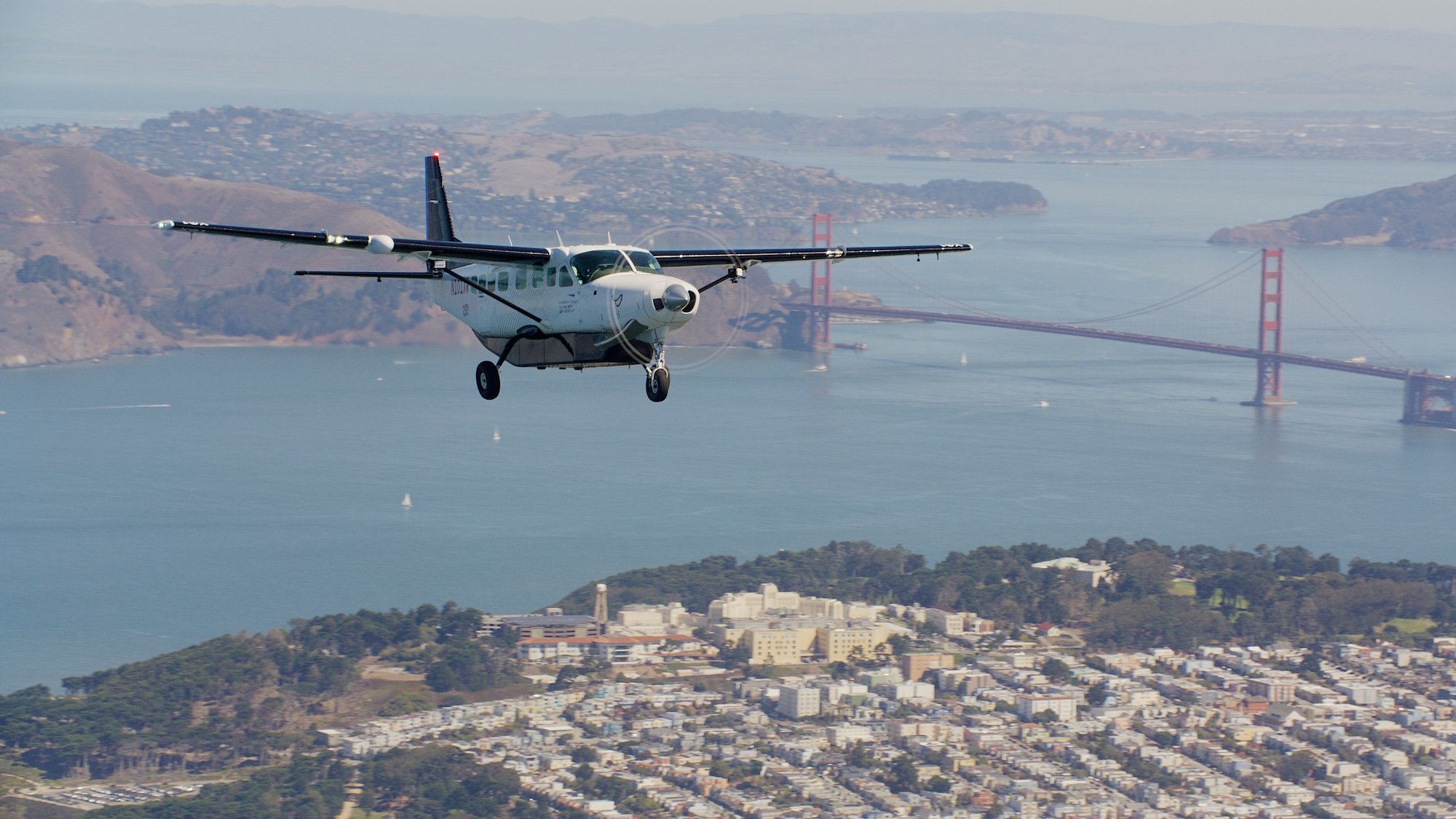
In a watershed moment for modern aviation, a retrofitted single-engine Cessna Caravan has successfully completed the first-ever fully autonomous cross-continental flight across the United States. Overseen by aerospace and electric vertical takeoff and landing (eVTOL) pioneer Joby Aviation, the experimental aircraft journeyed 3,199 miles from Concord, California, to the historic shores of Kitty Hawk, North Carolina.
While a human safety pilot remained onboard throughout the voyage to monitor systems and comply with existing regulatory frameworks, the individual never intervened or assisted the flight. Far from merely engaging an advanced autopilot system while airborne, the aircraft’s onboard autonomy software orchestrated every phase of the multi-stop journey. This comprehensive control encompassed ground operations, including taxiing, pre-flight system checks, complex takeoffs, and precise landings at multiple designated airports across the country.
The achievement marks a monumental leap forward in autonomous flight technology, shifting the paradigm of unmanned aerial systems (UAS) from military applications and restricted test ranges into complex, shared national airspace. As regulatory bodies like the Federal Aviation Administration (FAA) grapple with the integration of pilotless aircraft, Joby’s successful transcontinental mission provides a wealth of operational data that could accelerate the commercial adoption of autonomous technology.
The Chronology of a Transcontinental Milestone
The historic mission commenced on September 7, when the autonomous Cessna Caravan departed from Concord, California. The journey was meticulously planned not as a single, uninterrupted endurance test, but as a rigorous demonstration of the aircraft’s ability to handle diverse air traffic environments, unpredictable weather patterns, and varied airport infrastructures.
Following its departure from the West Coast, the aircraft traversed some of the most congested and complex airspace in the United States. Navigating the dense traffic corridors above Phoenix, Arizona, served as an immediate test of the aircraft’s real-time sensing, decision-making, and collision-avoidance capabilities.
Rather than following a rigid, pre-programmed trajectory, the autonomous flight control system demonstrated dynamic rerouting capabilities. When faced with severe weather fronts and active thunderstorms along the route, the onboard computer independently calculated and executed course corrections to bypass hazardous meteorological conditions safely.
The mission featured several strategic demonstration stops designed to showcase the adaptability of the technology across different operational environments. The aircraft touched down at Alliance Airport in Fort Worth, Texas, before proceeding eastward to Shaw Air Force Base in South Carolina.
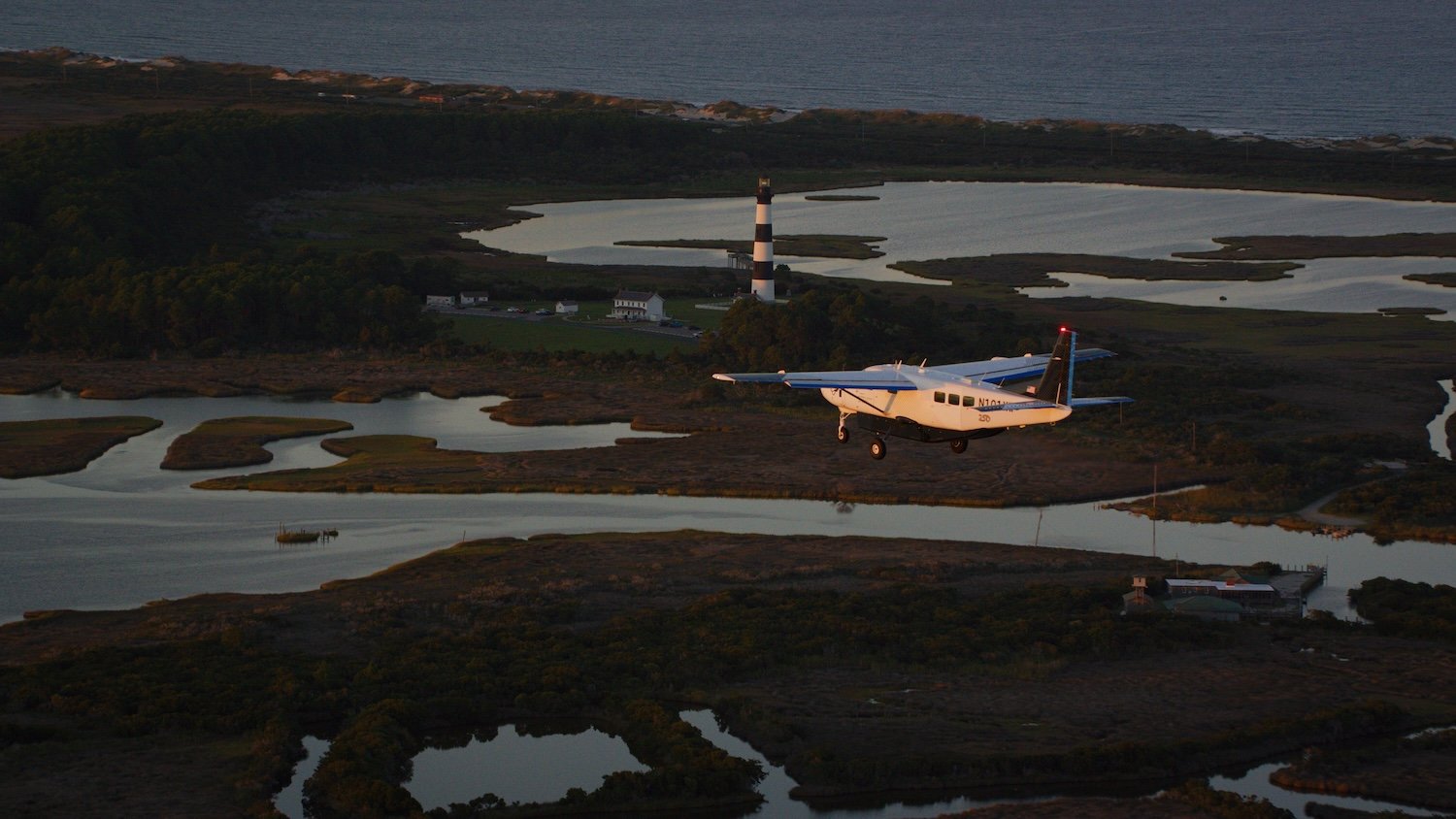
The primary cross-continental leg concluded on September 14. However, Joby Aviation orchestrated a symbolic final excursion to honor the pioneers of aviation. Shortly after completing the transcontinental transit, the Cessna performed a ceremonial low pass near the First Flight Monument in Kitty Hawk, North Carolina—situated just a short distance from the hallowed sands where Orville and Wilbur Wright achieved the world’s first controlled, sustained powered flight in December 1903.
Following the conclusion of the initial phase, Joby outlined an extensive return itinerary. The self-piloted aircraft is scheduled to make a series of public and technical demonstration stops on its journey back to California, with planned arrivals at airports in Washington, D.C., Kentucky, Kansas, Oklahoma, Utah, and Oregon.
Technical Scope and Industry Context
While traditional autopilot systems have been utilized in commercial aviation for decades—primarily handling altitude hold, heading tracking, and automated landing procedures under specific meteorological conditions—they have consistently required active human oversight, input, and management. Joby’s recent demonstration pushes past these traditional boundaries by implementing end-to-end autonomy that manages the entire lifecycle of a flight plan without human intervention.
The integration of autonomy into fixed-wing and rotary aircraft is not entirely unprecedented, though previous milestones largely occurred in restricted military zones or uncrewed configurations. In 2010, a collaborative initiative between the Piasecki Aircraft Corporation and Carnegie Mellon University achieved the world’s first fully autonomous flight using an unmanned helicopter, a feat recognized by Guinness World Records. In the years since, unmanned aerial vehicles (UAVs) have proliferated across defense and logistics sectors.
However, applying this level of comprehensive autonomy to a standard, FAA-certified commercial airframe operating within the National Airspace System (NAS) represents a profound technical and regulatory shift. The Cessna Caravan platform serves as an ideal testbed for Joby, offering a reliable, well-understood airframe capable of carrying the heavy sensor suites, computing hardware, and redundant systems required for safe autonomous navigation.
Official Responses and Corporate Vision
Joby Aviation’s leadership emphasized that the transcontinental flight is merely the foundational step in a much broader strategic vision for the future of transportation, logistics, and defense.
“Autonomy has an important role to play in the future of flight,” said Joby founder and CEO JoeBen Bevirt in an official statement released on September 18. Bevirt underscored the multifaceted utility of the technology, noting that advanced autonomy could soon be deployed to “connect remote communities, deliver critical supplies, respond faster to disasters, support military operations, and keep pilots out of harm’s way.”
The inclusion of military installations, such as South Carolina’s Shaw Air Force Base, in the flight itinerary highlights the strong intersection between commercial autonomous aviation and defense logistics. Department of Defense agencies have increasingly sought resilient, uncrewed logistics platforms capable of operating in contested or hazardous environments where human pilot safety is a primary constraint.
While Joby is widely known within the aerospace sector for developing electric vertical takeoff and landing (eVTOL) aircraft designed for urban air mobility markets, the company’s investment in foundational autonomy software extends far beyond passenger air taxis. The algorithms tested during the Cessna transcontinental flight are designed to be platform-agnostic, meaning the software architecture could eventually be scaled across various vehicle types, ranging from cargo drones to large passenger-carrying aircraft.
Broader Implications for Aviation, Safety, and Regulation
The successful completion of a fully autonomous cross-country flight carries profound implications for the global aviation industry, touching upon labor dynamics, airspace management, safety statistics, and economic development.
Proponents of autonomous flight argue that removing human error—which remains a contributing factor in the vast majority of aviation accidents—will exponentially increase flight safety. Autonomous systems do not suffer from fatigue, spatial disorientation, distraction, or emotional stress, allowing them to make split-second calculations in emergency scenarios with consistent precision.
Furthermore, the integration of autonomous cargo and passenger transport could fundamentally reshape supply chains. By lowering the operational costs associated with pilot staffing and increasing the efficiency of regional transport networks, autonomous aircraft could revitalize regional airports that have seen declining commercial service over recent decades. This capability aligns with the growing interest in Advanced Air Mobility (AAM), which seeks to decentralize travel and reduce reliance on congested highway systems.
Nevertheless, significant hurdles remain before autonomous commercial flights become commonplace. Regulatory frameworks established by the FAA and international civil aviation authorities are currently tailored around the physical presence of a pilot in command. Evolving these regulations to accommodate routine uncrewed or autonomous commercial flights will require extensive validation data, robust cybersecurity protocols to prevent unauthorized interference, and public acceptance of pilotless aircraft overhead.
Joby Aviation’s historic transcontinental journey provides the empirical data and safety metrics that regulators require to begin drafting these new standards. As the aircraft embarks on its return voyage across the American landscape, it carries not only the technical ambitions of a single aerospace firm, but the blueprint for the next century of flight.