The Smart Consumer’s Guide to Buying Refurbished Electronics in an Era of Rising Hardware Costs


The consumer electronics landscape has undergone a dramatic transformation over the past decade. As annual smartphone releases routinely breach the $1,000 threshold and top-tier laptops approach the cost of a used compact automobile, the conventional wisdom of always buying brand-new hardware is facing unprecedented scrutiny. Concurrently, mounting global concern over electronic waste (e-waste)—which surpassed 60 million metric tons globally in recent years—has driven sustainability from a niche consumer preference into a major economic and environmental driver. Against this backdrop, the refurbished technology sector has evolved from a murky secondary market into a multi-billion-dollar industry backed by rigorous quality assurance standards, formal manufacturer certifications, and comprehensive consumer protection policies.
Defining Refurbished Tech: Beyond Used and Open-Box
To understand the modern refurbished market, consumers must first differentiate between used, open-box, and professionally refurbished goods. Unlike a peer-to-peer marketplace transaction where an item is sold "as-is" by a private individual, professionally refurbished technology undergoes a standardized industrial lifecycle. Typically sourced from corporate fleet upgrades, carrier trade-in programs, customer returns, or end-of-lease business agreements, these devices are sent to specialized facilities for triage.
Once received, certified technicians subject the hardware to extensive diagnostic testing. Software tests check for battery health degradation, sensor functionality, and processor integrity, while physical inspections identify cosmetic wear. Faulty or worn components—most notably batteries and cracked screens—are replaced with OEM (Original Equipment Manufacturer) or high-grade compatible parts. The device is then thoroughly sanitized, wiped of all previous data to Department of Defense standards, repackaged, and assigned a specific grading tier (such as "Excellent," "Good," or "Fair") that reflects its cosmetic condition rather than its operational capability. Crucially, these products are almost invariably backed by a commercial warranty ranging from 90 days to a full year, mitigating the primary risk associated with secondary-market purchases.
The Economics of Iterative Upgrades and Hardware Longevity

The viability of purchasing refurbished tech is largely underpinned by a shift in how consumer electronics evolve. Over the past several years, annual hardware releases have shifted from revolutionary paradigm shifts to iterative updates. A smartphone or tablet released in 2024 or 2025 offers incremental improvements in camera megapixels, processing speed, and screen brightness compared to its 2026 counterpart, but the foundational user experience remains nearly identical.
Furthermore, major technology conglomerates including Apple, Google, and Samsung have extended their software support lifecycles. Flagship mobile devices now routinely receive five to seven years of operating system updates and security patches. Consequently, purchasing a device that is one or two years old does not mean accepting imminent obsolescence; rather, it allows consumers to access premium build quality, advanced multi-lens camera systems, and robust security frameworks at a fraction of their original retail price.
This dynamic extends across multiple product categories:
Smartphones and Tablets: Representing the largest share of the refurbished market, phones and tablets benefit from high inventory turnover driven by carrier upgrade cycles. Because form factors have stabilized, a refurbished device from a previous generation often feels indistinguishable from a brand-new model once placed inside a protective case.
Laptops and Desktop Computers: The commercial sector frequently retires business-class laptops (such as Lenovo ThinkPads, Apple MacBooks, and Dell Latitudes) after just three years of light office use. These machines are engineered for enterprise durability, featuring superior materials, modular repairability, and exceptional keyboard ergonomics, making them extraordinary bargains on the refurbished market compared to consumer-grade plastic laptops sold at similar price points.
Gaming Consoles: Hardware generations for home consoles like the PlayStation and Xbox often span seven to eight years. Buying a certified refurbished console late in a generation’s lifecycle or midway through ensures access to a massive library of established titles without paying premium launch-window prices.
Industry Perspectives and Environmental Implications
Environmental economists and sustainability advocates have increasingly championed the circular economy as an essential counterweight to traditional linear manufacturing models, which rely on the extraction of scarce raw materials such as lithium, cobalt, and gold. According to lifecycle analyses conducted by environmental groups, extending the functional lifespan of a single smartphone by just one year reduces its annual carbon footprint by roughly 30 percent.
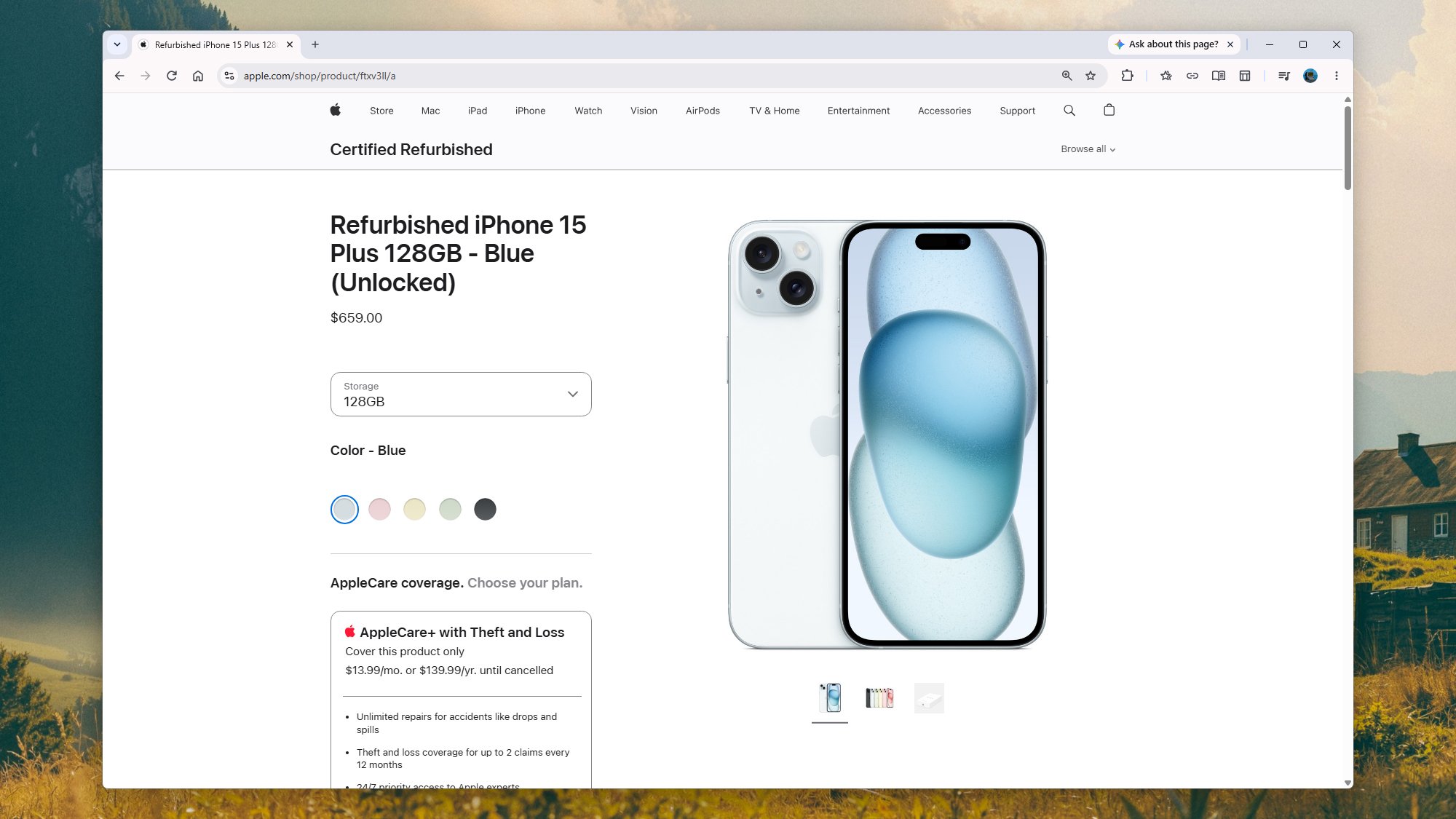
Industry analysts note that major tech companies have gradually recognized the financial and public relations value of this shift. While initial resistance from hardware manufacturers stemmed from fears of cannibalizing new sales, the establishment of official programs—such as Apple Certified Pre-Owned, Google Certified Re-Newed, and Samsung Re-Newed—indicates a strategic pivot. By capturing revenue from secondary-market buyers and fostering brand loyalty early in a consumer’s upgrade journey, manufacturers are institutionalizing refurbishment as a core business vertical.
Navigating the Refurbished Marketplace: Best Practices for Buyers
Because the refurbished ecosystem encompasses everything from direct manufacturer outlets to decentralized third-party aggregators, navigating the space requires a disciplined, methodical approach. Consumers are advised to follow key industry-standard guidelines to secure the best value while minimizing transactional risk.
- Vet the Retailer and Warranty Terms
Purchasing from established, reputable platforms is the single most effective way to guarantee product reliability. Official manufacturer stores offer the highest level of security, typically including brand-new outer shells, fresh batteries, and standard one-year warranties identical to those included with new devices.
Third-party marketplaces such as BackMarket, Swappa, Amazon Renewed, and eBay’s Brand Outlet curate networks of vetted professional refurbishers. Buyers should carefully examine the fine print regarding warranties; a minimum 90-day guarantee is standard, but top-tier vendors offer 12-month coverage. Additionally, transparent return policies—such as 30-day no-questions-asked refund windows—are vital for verifying device performance upon delivery.

- Understand Grading Systems and Component Integrity
Refurbished devices are priced according to their cosmetic grade. A device graded as "Fair" may feature noticeable scratches or scuffs on the housing or screen, but its internal hardware functions identically to an "Excellent" or "Pristine" model. Consumers indifferent to minor cosmetic blemishes can achieve deep discounts by opting for lower aesthetic tiers.
Buyers should also check whether critical components—specifically the battery—have been replaced. For smartphones and laptops, a battery health metric close to 100 percent is ideal; reputable sellers routinely guarantee a minimum battery capacity threshold (often 80 percent or higher) before listing a device for sale.
- Time Your Purchase Strategically
The consumer tech market operates on highly predictable seasonal schedules. Flagship smartphone manufacturers like Apple, Samsung, and Google unveil new generations during specific windows each year. Monitoring these product cycles provides a strategic advantage: when a new model is announced, trade-ins surge, leading to a massive influx of previous-generation inventory onto the refurbished market. This supply spike frequently triggers price drops across major refurbishment platforms, allowing savvy buyers to acquire higher-tier hardware at lower costs.
Broader Economic Impact and Future Outlook
As inflationary pressures and cost-of-living adjustments continue to influence consumer spending habits worldwide, the stigma historically attached to pre-owned and refurbished goods has largely evaporated. Market research projections indicate that the global refurbished mobile phone and computer market will continue to expand at a double-digit compound annual growth rate over the remainder of the decade.
This mainstream adoption is forcing systemic changes across the entire technology sector. Legislative pushes for "Right to Repair" laws in multiple jurisdictions are gradually compelling manufacturers to design hardware that is easier to disassemble, repair, and upgrade, which in turn feeds a healthier, more transparent supply of components for independent refurbishers.
Ultimately, the rise of the refurbished gadget represents a maturation of the consumer electronics market. By prioritizing functional performance over the psychological appeal of unboxing brand-new packaging, buyers are discovering that the smartest upgrade path is often one that has already been traveled by someone else.
Related posts: