A Comprehensive Guide to the Culinary Destinations Featured in Stanley Tucci Searching for Italy Season Two

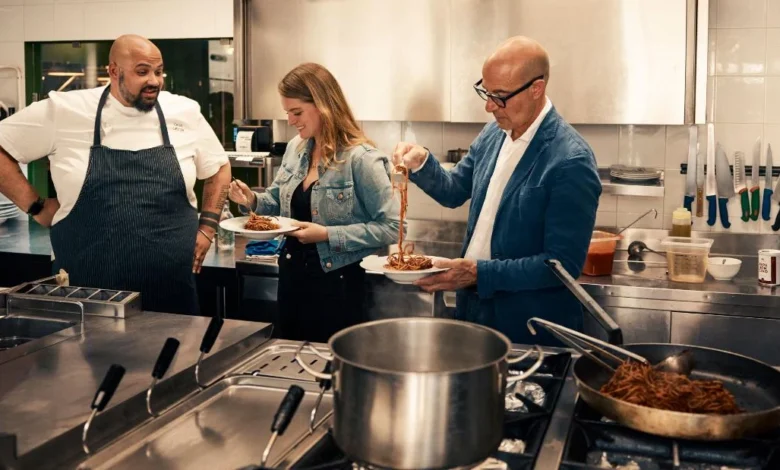
For viewers captivated by the travelogue and gastronomic exploration of CNN’s hit series Stanley Tucci: Searching for Italy, the second season serves as more than just an exercise in vicarious tourism; it is a meticulously curated roadmap through the complex and diverse food cultures of the Italian peninsula. As the actor and host traverses the country, he bridges the gap between high-end Michelin-starred kitchens and the humble, ancestral traditions of local trattorias. For those planning a journey to follow in his footsteps, this guide serves as a comprehensive itinerary of the regions and establishments highlighted during the second season, contextualizing the history and techniques that define these iconic culinary landscapes.
The second season, which premiered amidst significant critical acclaim, continues the show’s mission to demystify Italian cuisine by moving beyond the stereotypes of pizza and pasta bolognese. Instead, the production focuses on the regional variations that reflect Italy’s fragmented history, mountainous geography, and maritime connections. The series is currently available for streaming on CNNgo and Discovery+, providing a resource for food enthusiasts to pair their viewing experience with practical travel information.
The Ligurian Coast: Glamour and Ingenuity
The Italian Riviera, anchored by the picturesque locales of Portofino and the Cinque Terre, represents a unique convergence of extreme geography and culinary invention. The region’s steep cliffs, which drop precipitously into the Mediterranean, have historically limited agricultural space, forcing the Ligurian people to cultivate land with immense physical labor. This environment is the birthplace of pesto alla genovese, a dish that has become one of the most recognized Italian exports globally, relying on the high-quality basil grown in the region’s unique microclimates.
Among the notable stops in this region is Cracco Portofino, overseen by the renowned Michelin-starred chef Carlo Cracco. During his visit, Tucci explored the intricacies of traditional Ligurian pasta, specifically pansotti—a triangular ravioli stuffed with a mixture of local wild greens and herbs known as preboggion. The meal, served with a delicate walnut sauce, highlights the Ligurian emphasis on foraging and the subtle balance of earth-bound ingredients.
In Genoa, the capital of the region, the culinary narrative shifts toward the historical significance of the mortar and pestle. At Il Genovese, chef Roberto Panizza—widely regarded as the authority on the subject and the mastermind behind the Pesto World Championship—demonstrates the rigorous process of hand-crushing ingredients. His addition of green beans and potatoes to the pasta dish is not merely a stylistic choice but a functional one, providing a creamy texture that highlights the vibrant green sauce.

Furthermore, the region’s street food culture is epitomized by the Antico Forno della Casana. Here, the focus is on focaccia, a staple of Genoese working-class history. Local tradition dictates that the bread should be consumed inverted, allowing the salt, concentrated in the signature dimples of the dough, to strike the tongue first. This cultural nuance underscores the series’ commitment to honoring the "humble" origins of Italian gastronomy.
Puglia: The Heart of the Mediterranean Boot
Transitioning to the southern region of Puglia, the series encounters a landscape defined by expansive olive groves, durum wheat fields, and a shift toward the "cucina povera"—the peasant cooking tradition. Despite Puglia’s historical classification as one of Italy’s economically disadvantaged regions, it has emerged as a cornerstone of the Mediterranean diet, with a newfound pride in its gastronomic heritage.
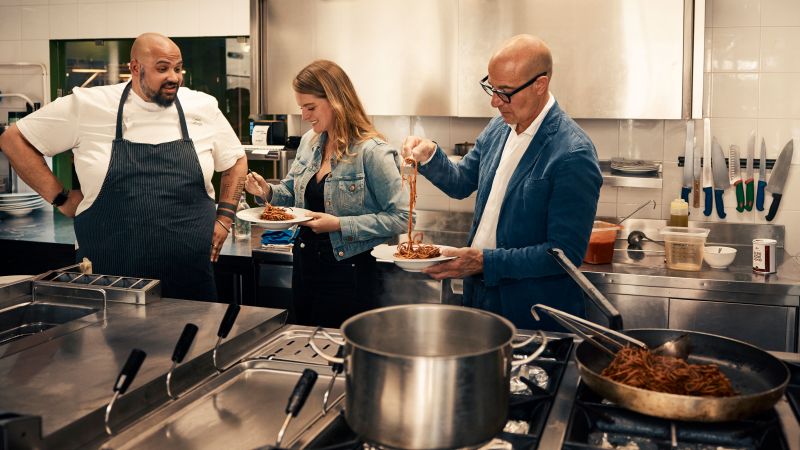
At Urban Bistrot in Bari, the show highlights the "spaghetti all’assassina" (assassin’s pasta). The dish, prepared by chef Celso Laforgia, challenges the conventional wisdom of pasta preparation. By cooking the pasta directly in a pan with olive oil and spicy peppers—eschewing the traditional boiling water—the chef creates a charred, crispy texture that is entirely distinct from standard Italian pasta dishes. The local lore suggests the name derives from a customer’s reaction to the explosive heat of the chili, humorously labeling the chef a "killer."

The commitment to ancestral techniques is further displayed at Antichi Sapori in Montegrosso. Chef Pietro Zito specializes in the transformation of simple fava beans into a sophisticated cream, served alongside "burnt grain" orecchiette. This specific variety of wheat, traditionally harvested from the charred remains of fields, provides an earthy, smoky profile that represents the resourcefulness of the region’s agricultural past.
In the hilltop town of Cisternino, Trattoria Bere Vecchie offers a different perspective on Puglian cuisine. Operating out of a building that once served as a pharmacy, the establishment functions as both a butcher shop and a grill. The highlight here is the "bombette"—small pork rolls stuffed with cheese and herbs—which reflect a meat-centric tradition often overlooked in favor of the region’s more famous vegetable dishes.
Sardinia: The Archaeological Dig of Flavors
Sardinia presents a distinct challenge to the Italian culinary narrative. Its relative isolation from the mainland has allowed for the preservation of ancient customs, making the act of eating on the island feel akin to an archaeological survey of Mediterranean history. The island is divided into two distinct culinary zones: the coastal regions, heavily influenced by maritime trade and diverse cultures, and the interior, where the rugged, mountainous terrain has fostered a stubborn adherence to ancient traditions.
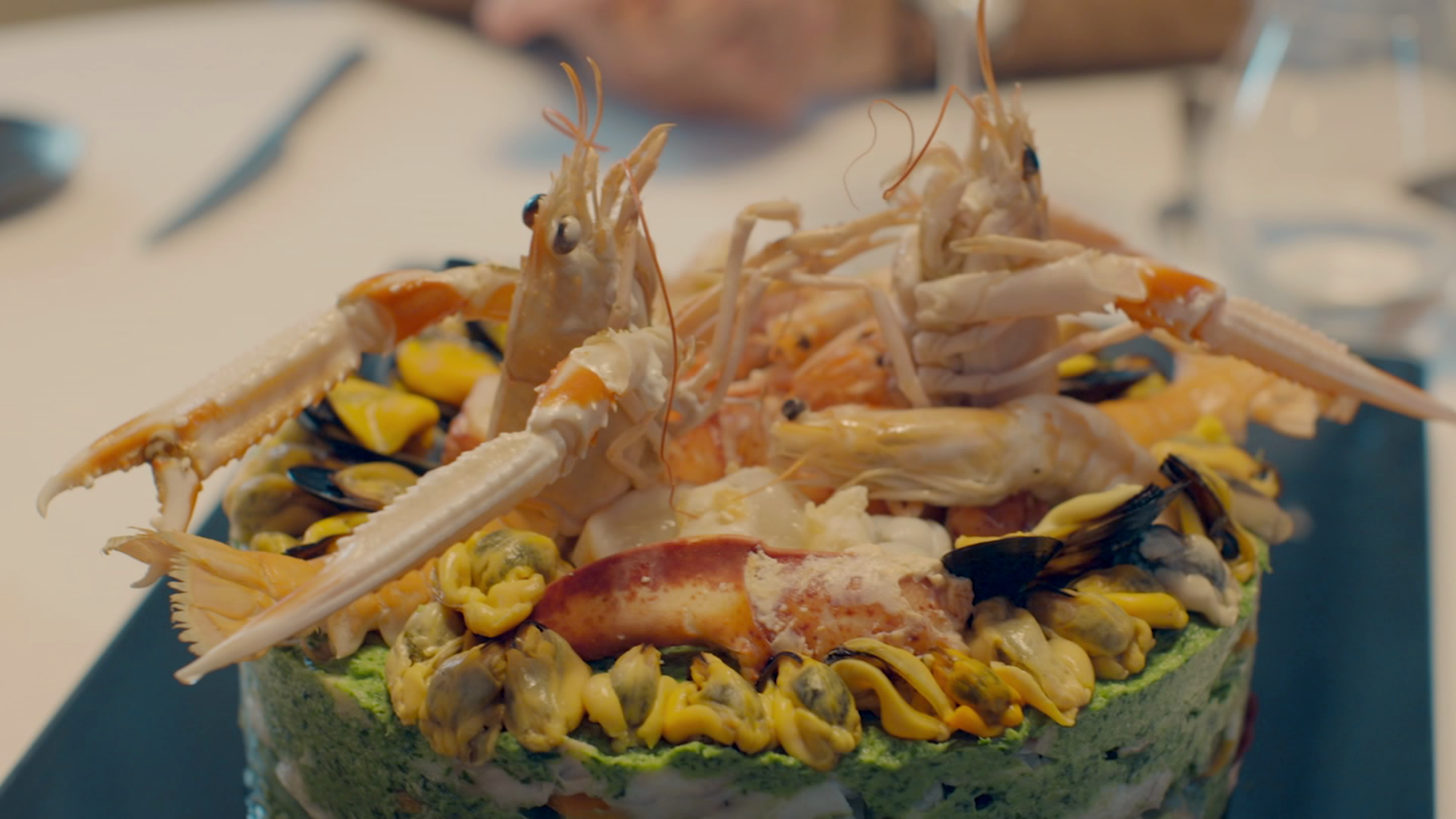
At Fradis Minoris, a restaurant that has been awarded a Michelin Green Star for its sustainable practices, the focus is on the local seafood supply chain. Chef Francesco Stara prepares "fregola ai frutti di mare." Fregola, a semolina pasta similar to North African couscous, is a testament to the island’s historical cross-pollination. The dish is a fundamental element of the Sardinian diet, and its mastery was historically considered a prerequisite for domestic life.
Luigi Pomata, the proprietor of his namesake restaurant, represents the coastal influence, specifically in his mastery of bluefin tuna. His approach to preparing fresh tuna belly is unconventional, often involving boiling the fish—a technique that may surprise those accustomed to raw or seared preparations. The result, however, is a depth of flavor that reinforces Pomata’s status as a regional culinary icon.
The interior’s tradition is best exemplified by Arimani, where chef Simonetta Bazzu operates a culinary school focused on preservation. The production of "pane carasau"—a thin, crispy bread dating back to 1000 BC—requires a level of precision that bridges the gap between domestic chore and artisanal craft. This bread is the central component of "zuppa gallurese," a savory, baked preparation that serves as a cornerstone of the island’s interior comfort food.

Calabria: The Ancestral Homecoming
The final leg of the season explores Calabria, the "toe" of Italy’s boot. For Tucci, this region holds a personal significance as his ancestral home, a place of profound emotional resonance. The landscape, characterized by dramatic shifts between mountain ranges and Mediterranean coastline, is reflected in a cuisine that balances the intensity of chili peppers with the sweetness of local produce.
Panificio Cuti in the town of Marzi provides a link to the past with the production of "pane de cuti," a sourdough recipe that has remained largely unchanged for a century. The use of the bread bowl to serve "morsello"—a hearty mix of sausage and broccoli rabe—highlights the mobility of traditional food. Once a necessary sustenance for hunters and farmers, the dish has evolved into a staple of modern celebratory life in the valley of wheat.
Tropea, a city world-renowned for its sweet red onions, provides the backdrop for a surprising culinary application. At Osteria della Cipolla Rossa, the onion is the primary ingredient, prepared in ways that emphasize its natural sugars. The sweetness is so pronounced that it is frequently incorporated into desserts, including ice cream.

In Scilla, Il Principe di Scilla focuses on the swordfish, which holds a near-mythic status in the region. The preparation of raw swordfish, likened by Tucci to a combination of prosciutto and smoked salmon, highlights the freshness of the catch. Meanwhile, at Qafiz, tucked in the Aspromonte mountains, chef Nino Rossi demonstrates the forward-thinking nature of modern Calabrian cuisine. His "fire" dessert, which uses charcoal-flavored meringue to evoke the memory of recent wildfires, demonstrates the ability of contemporary chefs to translate regional environmental history into a sensory culinary experience.
Implications for the Culinary Landscape
The second season of Searching for Italy succeeds in shifting the focus from the act of consumption to the act of preservation. By profiling these specific establishments, the series highlights a critical tension in Italian gastronomy: the struggle to maintain ancient, labor-intensive traditions in an increasingly globalized, fast-paced food economy. The reliance on Michelin-starred chefs and local, family-run institutions alike serves to show that "authentic" Italian food is not a static concept but a living, evolving practice.
For the traveler, the implications are clear: a deeper engagement with Italian food requires an understanding of the geography, history, and social structures that produce it. Whether it is the inverted focaccia of Genoa, the charred pasta of Bari, or the clay-baked lamb of a mountain village in Calabria, these dishes serve as narratives of resilience. As Stanley Tucci continues his exploration, the series remains an essential primer for those seeking to understand the granular, regional complexity that makes Italy one of the world’s most significant culinary destinations.