Southwest Airlines Achieves Record Quarterly Revenue as Strategic Shift Signals a New Era for the Low-Cost Carrier

Southwest Airlines has reported a historic financial performance for the second quarter, marking a significant milestone in its post-pandemic recovery and signaling a fundamental shift in its long-standing business model. The Dallas-based carrier announced that its revenue surged to a record $8.4 billion, representing a 16.4% increase compared to the same period last year. This growth comes at a critical juncture for the airline as it navigates rising operational costs, fluctuating fuel prices, and intense pressure from activist investors to modernize its operations.
The record-breaking revenue figures were primarily driven by a combination of strategic airfare adjustments and increased ancillary income, specifically from baggage fees and other service enhancements. While Southwest has historically positioned itself as the "no-frills" alternative to legacy carriers, the latest financial results suggest a move toward a more sophisticated revenue management strategy designed to offset the "headwinds" of a volatile global economy.
Financial Performance and Revenue Drivers
The 16.4% jump in revenue to $8.4 billion underscores the robust demand for domestic air travel, particularly during the peak summer season. Despite the record top-line growth, the airline is grappling with the complexities of maintaining profitability in an environment where operating expenses continue to climb. CEO Bob Jordan noted that the carrier is actively "optimizing" its earnings potential by focusing on three core pillars: network design, product offerings, and pricing precision.
A significant portion of the revenue increase can be attributed to higher yields—the average amount a passenger pays to fly one mile. By leveraging advanced data analytics, Southwest has been able to adjust fares in real-time to match demand surges. Furthermore, while the airline famously maintains its "Bags Fly Free" policy for the first two checked bags, it has seen a rise in revenue from overweight luggage fees, pet transportation, and "EarlyBird Check-In" services. These ancillary streams have become vital components of the airline’s financial health, providing a cushion against the unpredictable nature of jet fuel prices.
A Strategic Pivot: From Tradition to Modernization
For decades, Southwest Airlines was defined by its unique approach to aviation: a single aircraft type (the Boeing 737), open seating, and a point-to-point network that avoided the traditional hub-and-spoke model. However, the Q2 earnings report highlights a departure from some of these traditions. CEO Bob Jordan emphasized that the airline’s business model is now benefiting from a "broader and more diverse" set of revenue tools.
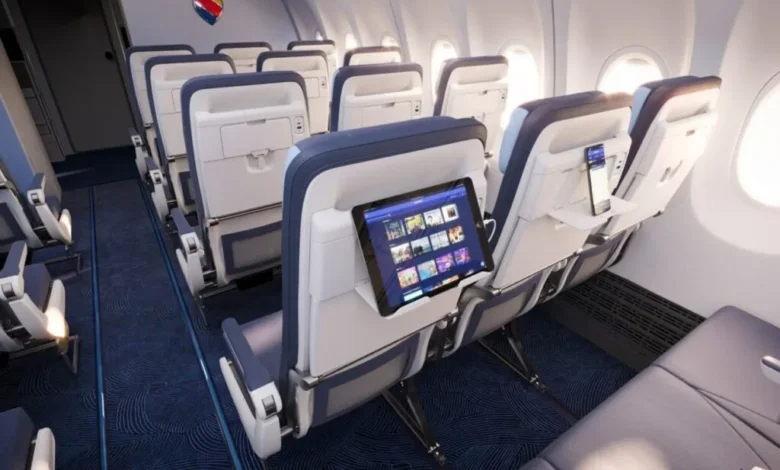
In recent months, Southwest has hinted at—and in some cases, confirmed—major changes to its passenger experience. These include the introduction of assigned seating and the development of "extra legroom" sections, a move that directly challenges the traditional egalitarian cabin layout the airline was founded upon. Additionally, the carrier is preparing to launch "red-eye" or overnight flights, a first in its 53-year history. These flights are expected to increase aircraft utilization and provide more options for transcontinental travelers, further boosting the airline’s competitive edge against carriers like Delta and United.
Chronology of Transformation: 2022 to Present
To understand Southwest’s current trajectory, it is essential to look at the timeline of events that led to this strategic overhaul:
- December 2022: A massive operational meltdown during the winter holidays resulted in over 16,000 flight cancellations, costing the airline more than $1 billion and damaging its reputation for reliability. This event served as a catalyst for rapid technological investment.
- 2023: Southwest embarked on a multi-year plan to upgrade its scheduling software and de-ice capabilities. The airline also reached significant labor agreements with its pilots and flight attendants, stabilizing its workforce but increasing long-term labor costs.
- Early 2024: The airline faced renewed pressure as Boeing’s delivery delays impacted its growth plans. Southwest was forced to trim its capacity expectations due to the slow certification of the Boeing 737 MAX 7.
- June 2024: Elliott Investment Management, an activist hedge fund, acquired a $1.9 billion stake in Southwest. The firm began a public campaign calling for the ousting of CEO Bob Jordan and Chairman Gary Kelly, arguing that the airline’s "outdated" model was underperforming compared to industry peers.
- July 2024: Southwest reported its record $8.4 billion Q2 revenue and officially announced the move to assigned seating and premium cabin options, signaling a direct response to both market trends and investor pressure.
Operational Challenges and the Boeing Factor
While the revenue side of the ledger is strong, Southwest faces significant operational hurdles. As an all-Boeing carrier, Southwest is uniquely vulnerable to the production delays and regulatory scrutiny currently facing the aerospace giant. The delays in the delivery of the MAX 7 aircraft have forced Southwest to retire older planes slower than planned, leading to higher maintenance costs and less fuel-efficient operations.
Fuel costs remain a volatile variable. In the second quarter, the airline saw its fuel expenses rise, prompting the aggressive pricing strategies mentioned by Jordan. To mitigate this, Southwest maintains one of the most robust fuel-hedging programs in the industry, which allows it to lock in prices for future consumption. However, hedging can only do so much when base prices remain elevated for extended periods.
Labor costs have also reset at a higher floor. Following the trend across the U.S. airline industry, Southwest’s employees secured record-breaking contracts in 2023 and early 2024. While these deals ensure labor peace and help with recruitment and retention, they have significantly increased the airline’s Cost per Available Seat Mile (CASM), requiring higher revenue to maintain the same profit margins.
Market Reactions and Investor Sentiment
The reaction to Southwest’s Q2 results and its strategic pivot has been mixed. While the record revenue is a clear positive, some analysts remain skeptical about the execution of the new product changes. The shift to assigned seating, for instance, requires a massive overhaul of the airline’s booking systems and airport gate procedures.
Elliott Investment Management has been particularly vocal. In a recent statement, the firm argued that "Southwest’s leadership has been too slow to adapt to a changing industry where customers value premium options and global connectivity." The firm’s pressure has likely accelerated the timeline for the changes Bob Jordan announced this quarter.
Conversely, some industry experts believe Southwest is finally playing to its strengths. "Southwest has a massive, loyal customer base," said one aviation analyst. "By adding premium options and optimizing their network, they are finally capturing the revenue that they were previously leaving on the table for their competitors."
Implications for the Broader Aviation Industry
Southwest’s evolution has significant implications for the entire U.S. domestic market. For years, the industry was bifurcated: "Legacy" carriers (Delta, United, American) offered premium services and global networks, while "Low-Cost" and "Ultra-Low-Cost" carriers (Southwest, Spirit, Frontier) focused on price and simplicity.
As Southwest moves up-market by offering assigned seats and extra legroom, the line between "low-cost" and "legacy" continues to blur. This shift suggests that the "pure" low-cost model may no longer be sustainable in a high-cost environment where consumers are increasingly willing to pay for comfort and convenience.
Furthermore, Southwest’s focus on "network optimization" involves exiting underperforming markets and doubling down on high-demand hubs like Denver, Nashville, and Las Vegas. This could lead to reduced service in smaller, regional airports, potentially driving up fares in those areas as competition decreases.
Future Outlook: Navigating the Path to 2025
Looking ahead, Southwest Airlines faces the daunting task of implementing the most significant changes in its history while maintaining its culture and operational integrity. The airline has provided a cautious but optimistic outlook for the remainder of the year. Management expects demand to remain steady through the autumn and winter holidays, though they acknowledge that capacity growth will be tempered by Boeing’s delivery schedule.
The success of the "optimized" business model will be measured by its ability to convert record revenue into sustained net profit growth. If the transition to assigned seating and premium products goes smoothly, Southwest could reclaim its position as the most profitable airline in the world. If the transition is marred by technical glitches or customer pushback, the pressure from activist investors will only intensify.
In his closing remarks for the Q2 report, Bob Jordan reiterated his confidence in the carrier’s resilience. "Our business model now benefits from a broader and more diverse set of initiatives," Jordan said. "We are not just reacting to the market; we are positioning Southwest to lead it for the next several decades. The changes we are making are bold, but they are necessary to ensure our long-term success and to deliver the value our shareholders expect."
As the airline industry continues to evolve in a post-pandemic world, Southwest’s record-breaking second quarter serves as both a celebration of its recovery and a roadmap for its future. The coming months will determine if this "new" Southwest can retain the heart of its original brand while adopting the sophisticated strategies of a modern global enterprise.