The landscape of American food safety is undergoing a profound transformation as raw milk, once a niche product favored by a small segment of the population, moves into the mainstream of national health discourse and retail commerce. Driven by a combination of high-profile political endorsements, a burgeoning "wellness" movement skeptical of industrial processing, and a significant shift in federal regulatory priorities, the unpasteurized dairy industry is experiencing unprecedented growth. However, this commercial success is clashing with a century of established public health science, leading to a complex debate over consumer choice, institutional trust, and the inherent risks of foodborne illness.
The Growth of an Unpasteurized Empire
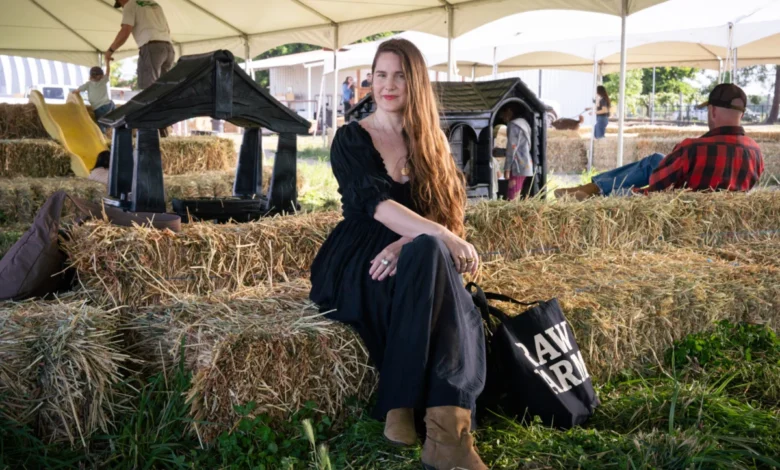
At the center of this movement is Mark McAfee, the founder of Raw Farm, the largest raw-milk dairy in the United States. Based in California, McAfee’s operation has become a symbol of the raw milk resurgence, generating approximately $30 million in annual revenue. The farm’s success mirrors a broader national trend: weekly sales of raw milk in the U.S. surged by 65% between 2023 and 2024. Current estimates suggest that more than 10 million Americans now consume unpasteurized dairy products regularly.

This growth is occurring despite a formidable consensus from the scientific and medical communities. For over 150 years, pasteurization—the process of heating milk to eliminate pathogens—has been a cornerstone of public health. Before its widespread adoption in the early 20th century, contaminated milk was a leading cause of infant mortality and the spread of diseases such as tuberculosis and typhoid fever. Modern health experts, including those at the Centers for Disease Control and Prevention (CDC) and the Food and Drug Administration (FDA), maintain that raw milk carries over 100 times the risk of causing foodborne illness compared to pasteurized milk. Furthermore, exhaustive reviews of published science have consistently failed to substantiate claims that raw milk offers superior nutritional benefits or the ability to cure chronic diseases.
A Chronology of Contamination and Outbreaks
The history of Raw Farm is marked by a series of significant public health incidents that highlight the difficulty of maintaining pathogen-free unpasteurized dairy. Since 2006, federal and state regulators have linked the farm to at least eight separate outbreaks, resulting in the illness of at least 233 people and the hospitalization of 40.
The first major incident occurred in 2006, when six children contracted E. coli after consuming products from McAfee’s farm. Among them was seven-year-old Chris Martin, who developed a severe infection from the O157:H7 strain. The illness led to Hemolytic Uremic Syndrome (HUS), causing permanent kidney damage. Now 27, Martin remains under the lifelong care of a nephrologist and faces a permanent risk of chronic kidney disease.

Despite McAfee’s subsequent efforts to establish the Raw Milk Institute and implement more rigorous testing standards, outbreaks continued. Regulators recorded incidents in 2007, 2011, 2012, and 2016. The most significant event in recent years occurred between 2023 and 2024, when a Salmonella outbreak linked to the farm sickened more than 170 people, making it one of the largest publicly recorded raw-dairy outbreaks in decades. McAfee has frequently disputed these links, arguing that regulators’ epidemiological methods do not constitute "smoking-gun" proof of direct causation.
The "Pathogen-to-Cheese" Controversy
One of the most contentious aspects of the regulatory battle involving Raw Farm centers on the farm’s handling of contaminated milk. Court documents filed in 2024 revealed that the FDA had discovered a "standard practice" at the farm where milk suspected or known to contain pathogens was diverted into the production of raw cheese.
The farm’s leadership defended the practice by citing federal regulations that allow for the sale of raw cheese if it has been aged for at least 60 days. McAfee argued that the aging process and the natural chemistry of cheese make it resistant to pathogens. However, food safety researchers have countered this claim, noting that while aging can reduce some bacterial loads, hardy pathogens like E. coli and Listeria can survive the maturation process.

In 2024, the federal government sought a judge’s ruling to force the farm to cease this practice and destroy contaminated inventory. However, a backlog in the federal court system delayed the case for over a year, during which time the political environment in Washington D.C. underwent a radical shift.
The Politicization of Federal Health Agencies
The rise of raw milk has been accelerated by a significant change in the leadership of the Department of Health and Human Services (HHS). Under the direction of Secretary Robert F. Kennedy Jr., the federal approach to unpasteurized dairy has transitioned from one of strict enforcement and caution to one of advocacy. Kennedy, a known consumer of raw milk, has publicly celebrated the product, even hosting a toast with raw-milk "shooters" at the White House to mark the release of a federal health report aligned with the "Make America Healthy Again" (MAHA) initiative.
This shift has created a palpable "climate of fear" among career civil servants at the FDA and CDC. Interviews with dozens of government workers suggest that routine scientific assessments have become increasingly politicized. In January 2026, the Department of Justice officially dropped its legal efforts to enforce safety judgments against Raw Farm. Former federal employees indicated that raw milk cases were deprioritized because they conflicted with the new administration’s policy goals.

While the Justice Department maintains that it will "always be concerned about risks to public health," the withdrawal of the suit was hailed by McAfee as a major victory for consumer freedom and a defeat for what he describes as "institutional overreach."
Consumer Sentiment and the Influence of Social Media
The commercial success of raw milk is also deeply rooted in a growing distrust of traditional institutions. McAfee has leveraged this sentiment, often framing his battle with regulators as a fight between "truth and the moms" versus "the guns and the money" of the federal government.
Online influencers have played a pivotal role in this expansion, reaching millions of viewers with messages that equate FDA warnings with a reason to buy. The narrative suggests that if a government agency advises against a product, the product must possess hidden benefits that the "establishment" wants to suppress. This "inverse trust" has proven to be a powerful marketing tool. During a 2026 E. coli outbreak that sickened nine people across three states, McAfee noted that sales remained at record highs, as his customer base viewed the regulatory recall as an act of protest rather than a safety measure.

Broader Implications and Public Health Analysis
The current trajectory of raw milk regulation and consumption carries significant implications for the future of food safety in the United States. The shift away from pasteurization—a proven life-saving technology—represents a departure from evidence-based policymaking toward a model based on anecdotal evidence and personal testimony.
Public health experts warn that the normalization of raw milk could lead to a resurgence of preventable diseases. The risk is particularly acute for vulnerable populations, including young children, the elderly, and those with compromised immune systems. Furthermore, the deprioritization of enforcement actions may set a precedent for other sectors of the food industry, potentially weakening the overall safety net that protects American consumers from foodborne pathogens.
From a regulatory standpoint, the "Raw Farm" case illustrates the challenges health agencies face when scientific consensus clashes with populist political movements. If federal agencies are seen as political entities rather than objective scientific bodies, their ability to manage future public health crises—from localized food outbreaks to national pandemics—may be severely compromised.

As the raw milk industry continues to expand, the tension between individual liberty and collective safety remains unresolved. For producers like McAfee, the current era represents a "pioneer" stage where "unconvenient" science is finally being recognized. For public health advocates and victims of past outbreaks, it represents a dangerous retreat from the lessons of history, placing a new generation at risk for the sake of a trend. The ultimate impact of this shift will likely be measured in the coming years through the data of clinics, hospitals, and the continued tracking of the nation’s foodborne illness statistics.