Minneapolis City Council Approves Controversial Ordinance Requiring Human Operators in Autonomous Vehicles Following Feline Safety Concerns

Minneapolis is at the center of a burgeoning debate regarding the integration of autonomous vehicle technology into urban landscapes after the city council narrowly passed an ordinance mandating that all self-driving cars carry a human operator and possess a specialized municipal license. The vote, which took place on a Thursday session, has ignited a fierce political firestorm, drawing national ridicule, sharp rebukes from local leadership, and widespread debate across social media platforms.
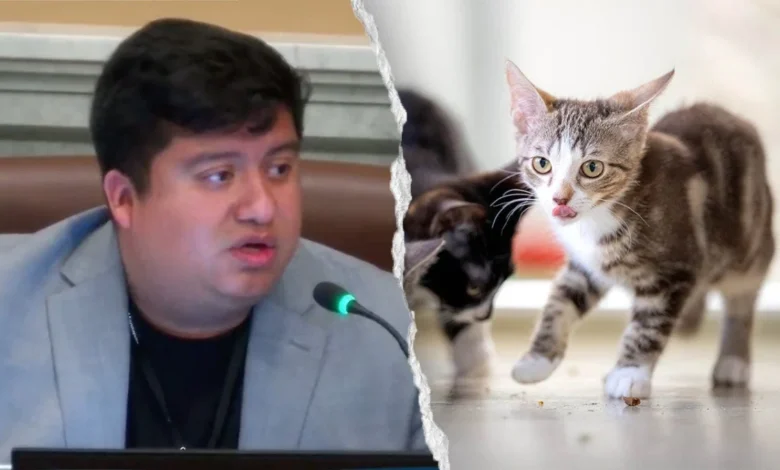
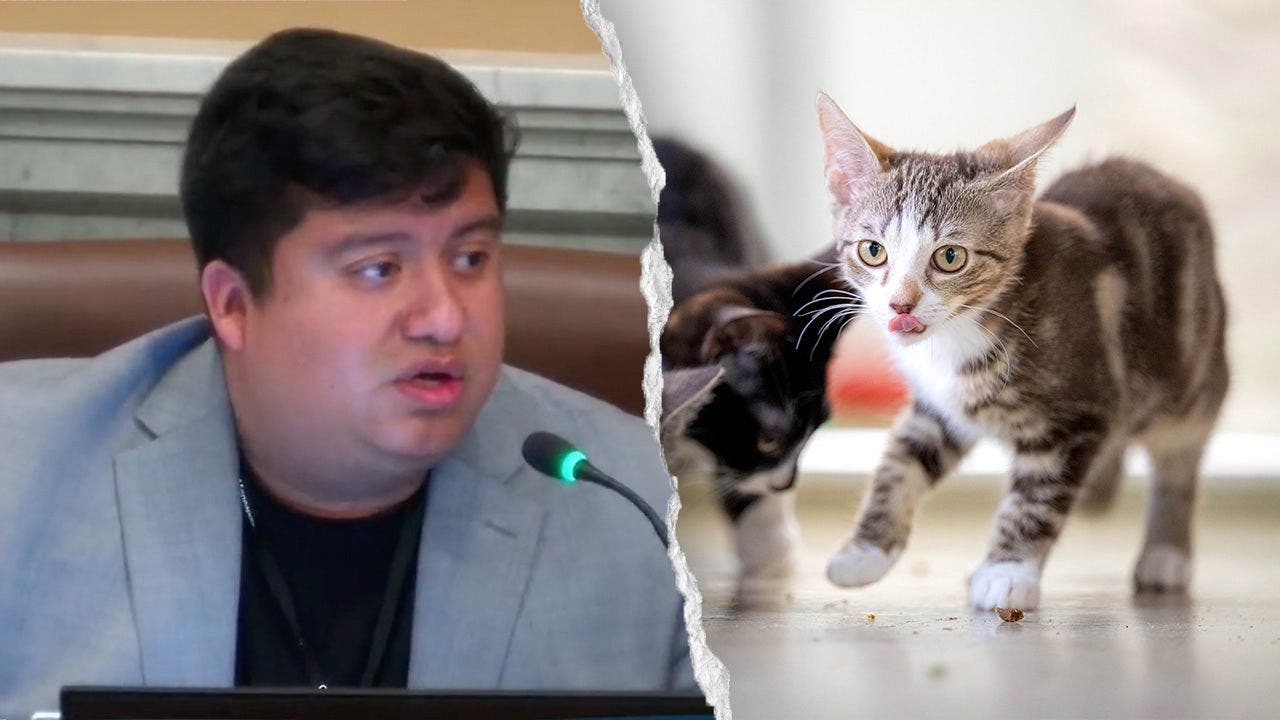
The legislative push was spearheaded by Minneapolis City Council Member Jason Chavez, who defended the measure by raising alarm over the safety of domestic animals, specifically claiming that autonomous vehicles, such as Waymo robotaxis, pose a lethal threat to cats. Chavez’s impassioned remarks during council deliberations quickly went viral, transforming a localized regulatory debate into a broader cultural flashpoint concerning municipal priorities, technological innovation, and governance.
The Genesis of the Minneapolis Autonomous Vehicle Ordinance
The discussion surrounding the regulation of autonomous vehicles (AVs) in Minneapolis reflects a growing tension between major metropolitan areas and the rapid deployment of artificial intelligence-driven transportation networks. Over the past several years, autonomous taxi services like Waymo have expanded operations into various U.S. cities, utilizing advanced suites of rooftop sensors, LiDAR, cameras, and neural networks to navigate complex urban environments without human drivers behind the wheel.
While proponents of AV technology champion its potential to reduce human error—which accounts for the vast majority of traffic fatalities—critics and municipal regulators have increasingly scrutinized the safety records, regulatory compliance, and neighborhood disruptions associated with driverless fleets. Incidents in cities such as San Francisco, Los Angeles, and Atlanta, ranging from vehicles blocking traffic to unintentional entries into active emergency zones, have fueled local skepticism.
In Minneapolis, this skepticism crystallized into legislative action when council members introduced an ordinance designed to restrict fully driverless operations. The newly passed bill requires every autonomous vehicle operating within city limits to maintain a human driver or operator inside the vehicle at all times, alongside a mandatory special license issued by the municipality.
Council Member Chavez’s Defense and Viral Outcry
During the legislative session, Council Member Chavez became the primary voice for the ordinance’s passage, utilizing the council dais to emphasize the tangible risks he believed the technology posed to the community. Addressing his colleagues, Chavez argued that autonomous systems were failing to adequately protect local wildlife and pets.
"I will say cats have been killed and cats have been killed by these autonomous vehicles," Chavez stated during the meeting. "I have a cat. I don’t want my cat getting killed because of these autonomous vehicles. So, to those cat lovers out there, just know that these Waymo vehicles, these autonomous vehicles have killed cats, and that’s unfair. I just watched a video sitting here from the dais, and it was really hard to watch. Literally, cats being murdered by these vehicles."
While Chavez framed the argument around animal welfare and the protection of pets, the remarks immediately attracted heavy public scrutiny. Within hours of the meeting’s conclusion, clips of Chavez’s statements circulated widely across social media networks, including X (formerly Twitter), where commentators, political analysts, and residents mocked the focus of the legislation.
Critics questioned whether animal safety—phrased by some online commentators as a "cat genocide"—warranted sweeping municipal regulations in a city facing complex socioeconomic challenges. Prominent media figures and political commentators noted that Chavez earns an annual salary of approximately $110,000, arguing that the council’s legislative bandwidth should instead be dedicated to pressing issues such as affordable housing, violent crime, infrastructure decay, and fiscal oversight following high-profile local controversies.
Mayoral Veto and the Clash of Local Leadership
The future of the Minneapolis ordinance remains exceptionally brief, as Minneapolis Mayor Jacob Frey swiftly moved to block the legislation. In a formal statement released to multiple regional and national outlets, Mayor Frey announced his intention to veto the measure, characterizing the proposal as counterproductive to the city’s economic and technological growth.
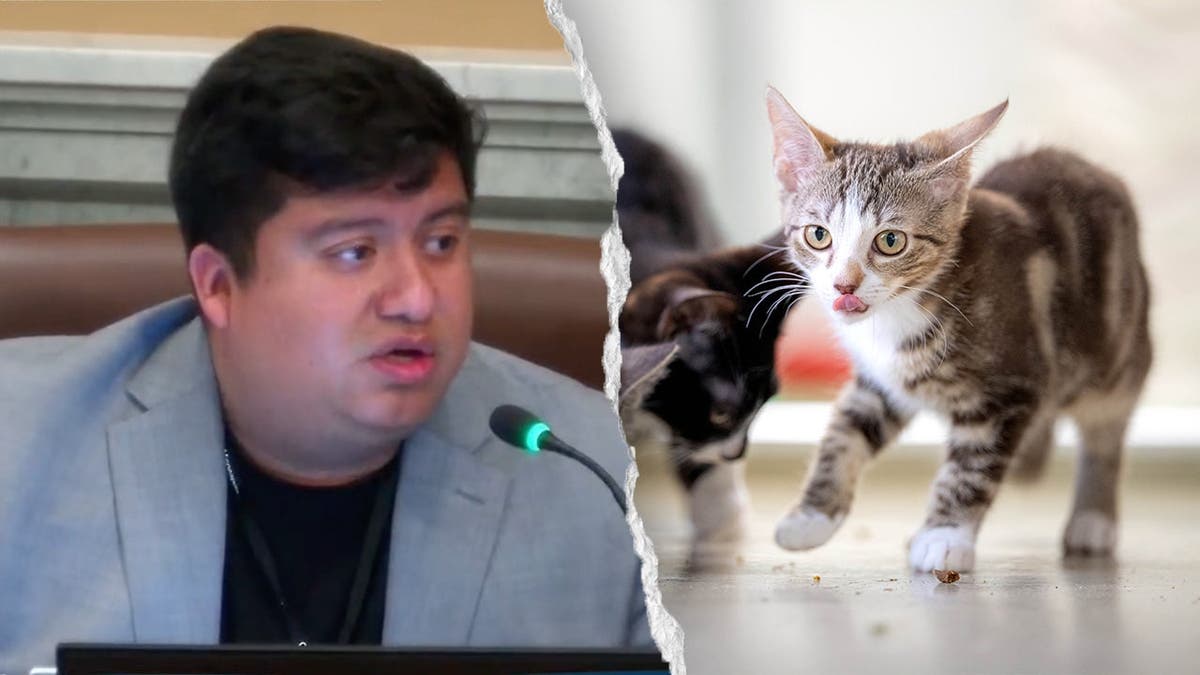
"It doesn’t make sense," Mayor Frey stated, emphasizing that Minneapolis must continue to embrace innovative technology and modern transportation solutions. While acknowledging that valid safety concerns exist regarding the integration of autonomous systems, Frey made it clear that he would not support what he termed a "backdoor ban" on AV technology.
Industry analysts and municipal legal experts agree that requiring a human operator effectively neutralizes the primary economic and operational model of autonomous taxi services. Without the ability to operate without a driver, companies like Waymo would find scaling operations economically unviable in the region, effectively halting their deployment in Minnesota. Supporters of the technology argue that such mandates stifle innovation, increase consumer transit costs, and deny the city access to safer, data-driven mobility alternatives. Conversely, opponents maintain that corporations should not use public streets as testing grounds for unproven software at the expense of public safety and local labor markets.
Broader Implications for Autonomous Vehicle Regulation Nationwide
The legislative battle in Minneapolis is indicative of a broader national trend where municipal authorities are grappling with how to regulate emerging autonomous technologies in the absence of comprehensive federal frameworks.
Cities across the United States have adopted divergent approaches. Sunbelt and West Coast tech hubs have largely welcomed autonomous fleets as symbols of progressive infrastructure, while Midwestern and East Coast municipalities have tended to exercise greater caution, often enacting restrictive ordinances or demanding extensive data-sharing agreements before granting permits.
Data compiled from various autonomous testing programs indicate that while AV systems are programmed to detect pedestrians, cyclists, and larger animals using advanced computer vision, unexpected wildlife movements or domestic animals entering roadways at high speeds can still present significant computational challenges. However, industry technologists and software engineers have frequently pushed back against characterizations of autonomous vehicles as uniquely hazardous to animals, pointing to proprietary test data showing that advanced driver-assistance systems and full self-driving (FSD) software frequently detect and halt for animals crossing roadways.
Public Reaction and Political Fallout

The backlash against Council Member Chavez’s comments extended far beyond local governance disputes, highlighting a deep polarization regarding urban governance priorities. Local stakeholders, including Three Rivers Park Commissioner Jennifer DeJournett, publicly criticized the allocation of council resources, pointing to broader economic pressures facing Twin Cities residents.
"Why is a city council member making $110,000 when families and seniors are getting priced out of their homes in Minneapolis and taxes are sky-rocketing?" DeJournett posted on social media, echoing the frustrations of constituents concerned with the rising cost of living and property tax burdens.
Other commentators expanded their critique to encompass the broader political climate of Minneapolis, recalling historical friction points such as past civil unrest, local municipal expenditures, and governance challenges over the preceding years. For these critics, the focus on feline safety amidst autonomous vehicle testing served as a symptom of a deeper disconnect between elected officials and the day-to-day concerns of urban taxpayers.
As Mayor Frey prepares to officially execute his veto, the ordinance is expected to return to the Minneapolis City Council, where proponents would need a supermajority to override the mayoral block—an outcome political observers view as unlikely given the narrow margin of the initial vote. Nevertheless, the episode has cemented Minneapolis as an unexpected battleground in the national conversation over who controls the future of American transportation, and what safeguards must be established before driverless cars become a permanent fixture of everyday civic life.
Related posts: