Bipartisan Permitting Reform Bill Sparks Intense Debate on Capitol Hill Over Energy Infrastructure and Tribal Sovereignty

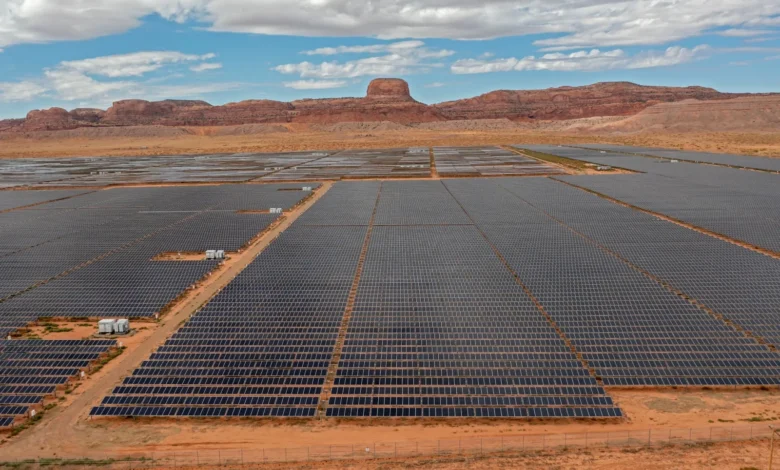
After years of protracted negotiations and legislative stalemates, the United States Congress stands on the precipice of passing a sweeping bipartisan permitting reform bill. Designed to fundamentally streamline the construction of large-scale power plants and extensive electric transmission lines across the country, the legislation represents a rare instance of cross-aisle cooperation. The legislative package was carefully crafted by a diverse group of senators, bridging a wide ideological divide from noted climate hawk Senator Sheldon Whitehouse, a Democrat, to Senator Mike Lee, a Republican long critical of federal environmental regulations.
Proponents of the legislation argue that modernizing and accelerating the nation’s infrastructure development is a mandatory prerequisite for transitioning toward a cleaner, more reliable power grid. However, the path to enactment has exposed deep fractures within both the broader environmental movement and the Democratic caucus. Most critically, the bill has drawn fierce opposition from Indigenous nations and tribal organizations, who warn that the legislation threatens core elements of tribal sovereignty and heritage preservation. As the bill navigates a critical legislative window in both the Senate and the House of Representatives, lawmakers are forced to weigh the urgent demands of an energy transition against the legally protected rights of tribal communities.
The Anatomy of the Bipartisan Permitting Reform Bill
At its core, the proposed legislation seeks to untangle the web of regulatory red tape that has historically delayed major energy projects for years, or even decades. The bill has garnered an unusually broad coalition of support, bringing together clean energy advocates, corporate business interests, and the fossil fuel industry.
Clean energy groups have rallied behind the measure because it addresses critical bottlenecks in renewable energy deployment. Specifically, the legislation aims to promote the rapid expansion of high-voltage transmission lines necessary to transport wind and solar power from remote generation sites to densely populated urban centers. Furthermore, it includes provisions designed to expedite environmental reviews for solar and wind projects on federal lands, while establishing protections against presidential cancellations of offshore wind farms.
Conversely, conservative organizations, business lobbies, and fossil fuel trade associations have endorsed the bill for its potential to accelerate infrastructure projects writ large. These groups emphasize that cutting through regulatory hurdles will reduce construction costs, enhance grid reliability, and fast-track the development of natural gas pipelines and traditional energy assets.
Despite this formidable coalition of supporters, the legislation has driven a wedge through the environmental movement. While groups laser-focused on rapid decarbonization view the bill as an indispensable tool to combat climate change, other environmental organizations—particularly those prioritizing endangered species protection and environmental justice—have expressed reservations. The most potent and influential opposition, however, stems from tribal nations and Indigenous advocacy groups who argue that the bill’s provisions regarding historic preservation ride roughshod over sacred cultural landscapes and treaty rights.
The Battle Over the National Historic Preservation Act
The crux of the controversy centers on proposed modifications to Section 106 of the 1966 National Historic Preservation Act (NHPA). Enacted in the wake of widespread urban renewal initiatives that leveled historic urban centers, the NHPA requires federal agencies to evaluate the impact of federally funded or permitted construction projects on historic, cultural, and religious properties. Under the law, properties older than 50 years with historical or cultural significance qualify for protection.
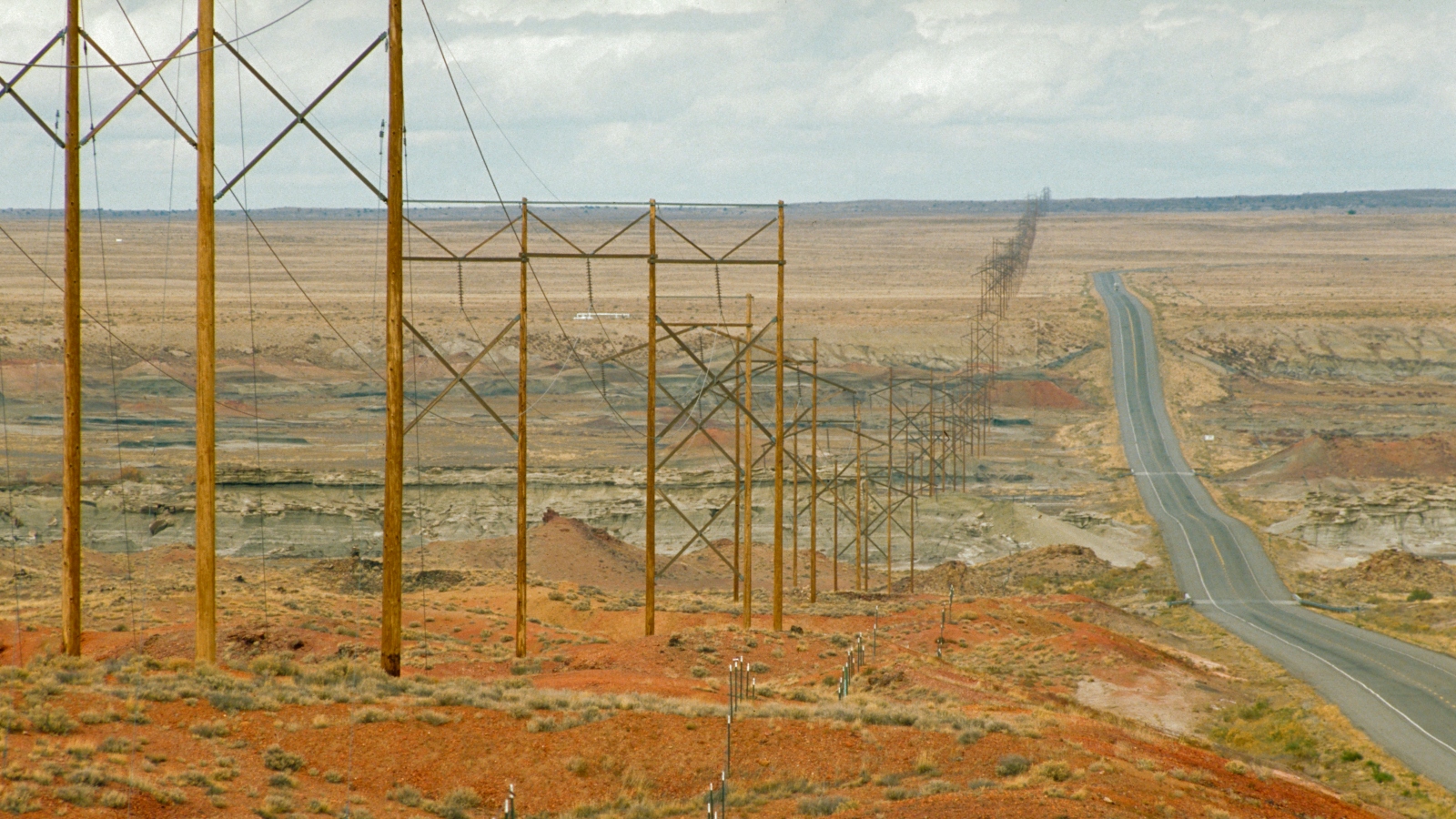
Because major energy projects—such as interstate transmission lines spanning hundreds of miles or massive solar installations spanning thousands of acres—possess a vast geographic footprint, the NHPA review process is correspondingly broad. Federal regulators are required to evaluate potential visual and cultural impacts within an area of review that can extend for miles around a project site. For tribal nations, this law has long served as a vital, and frequently solitary, legal mechanism to protect traditional homelands, sacred ancestral sites, and spiritual landscapes located outside the formal boundaries of their reservations.
Scholars and energy developers, however, argue that the NHPA has metastasized far beyond its original intent, morphing into an overly burdensome procedural obstacle. Proponents of reform cite examples like the SunZia transmission line—an $11 billion infrastructure project designed to carry wind energy from New Mexico to California. The project required two decades to complete, navigating complex regulatory approvals and a historic review process that spanned an area twice the size of the state of Delaware. During the review, a coalition of Apache, O’odham, Hopi, and Zuni peoples pushed unsuccessfully to have the entire San Pedro River Valley designated as a historic zone, underscoring the potential for the statute to significantly alter or stall major infrastructure investments.
Chronology of Legislative Friction and Concessions
The legislative effort to reform the permitting process did not emerge in a vacuum. It represents the culmination of a multi-year push by energy developers and lawmakers frustrated by the glacial pace of American infrastructure construction.
Initial drafts of the permitting bill attempted to address these delays by heavily circumscribing the historic review process. Early versions proposed making tribal consultations effectively optional if tribal historic preservation officers failed to meet strict deadlines. Additionally, the initial text sought to narrow the definition of "traditional religious or cultural importance," restrict the scope of subjective visual impacts, and strip federal judges of their authority to issue injunctions halting construction when flaws were found in a historic preservation analysis.
These provisions triggered an immediate and furious backlash from Indigenous groups. The National Congress of American Indians and other prominent organizations condemned the text, asserting that it conflicted directly with federal trust and treaty obligations. Recognizing the political and moral liability of alienating Native communities, Senate negotiators moved to amend the bill.
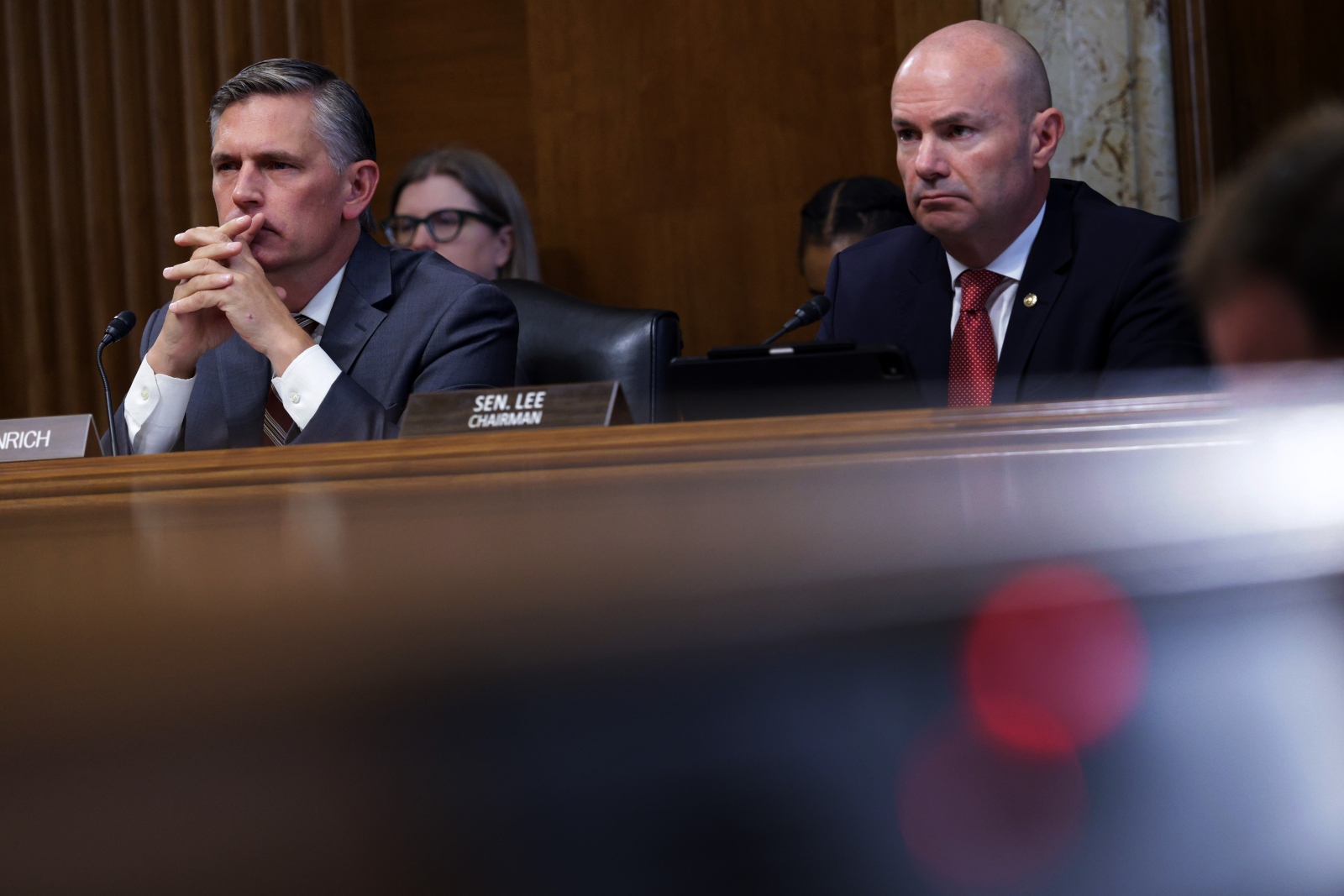
The revised legislative text, introduced earlier this month, made tribal consultation mandatory throughout the review process and eliminated provisions that allowed the federal government to bypass slow-responding tribal officials. However, Indigenous leaders and tribal historic preservation officers argue that these amendments are wholly inadequate. Key objections—including the restrictive definitions of visual impacts and the prohibition on judicial injunctions—remain embedded in the bill. Ira Matt, head of the National Association of Tribal Historic Preservation Officers, remarked that the modifications merely ask Indigenous communities to be grateful that lawmakers chose to abridge fewer of their rights in the name of progress.
Implications for Tribal Sovereignty and Clean Energy Development
As the legislation moves through Congress, its ultimate fate remains uncertain, mirroring deep political divisions within both legislative chambers. While the Senate advanced the bill through a critical procedural hurdle, a number of House and Senate Democrats have voiced strong opposition, citing the ongoing failure to adequately protect tribal sovereignty. Notably, Hakeem Jeffries, the likely next Speaker of the House, has sharply criticized the measure, while Senator Catherine Cortez Masto of Nevada has stated that despite voting to advance the procedure, she cannot in good conscience vote for final passage given the overwhelming concerns voiced by tribes in her state.
The debate exposes a profound philosophical dilemma at the heart of modern American policymaking: how to reconcile the existential urgency of building a clean energy economy with the imperative of honoring legal and moral commitments to Indigenous peoples. For clean energy proponents, the historic preservation reforms contained within the bill represent the most significant legislative victory since the passage of the 2022 Inflation Reduction Act. Without reforms to streamline reviews on federal lands, advocates contend that the physical constraints of the existing regulatory apparatus will render timely decarbonization mathematically impossible.
Conversely, some tribal nations see potential economic advantages in streamlined permitting, particularly those communities with significant fossil fuel or renewable energy assets. The Apsáalooke (Crow) Tribe in Montana and the National Tribal Energy Association have endorsed the bill, pointing to the need for a predictable regulatory environment that attracts long-term capital investment. Similarly, organizations like the Alliance for Tribal Clean Energy note that expedited environmental reviews could help tribes secure funding for their own renewable generation projects.
Nevertheless, representatives for tribal interests maintain that financial and economic benefits can never justify the permanent desecration of sacred ancestral lands. As Congress barrels toward a decisive vote, the outcome will establish a powerful precedent for how the United States balances infrastructure ambition against the rights and heritage of its original inhabitants.