Beyond the Wurst: A Comprehensive Guide to the Evolution and Diversity of German Cuisine

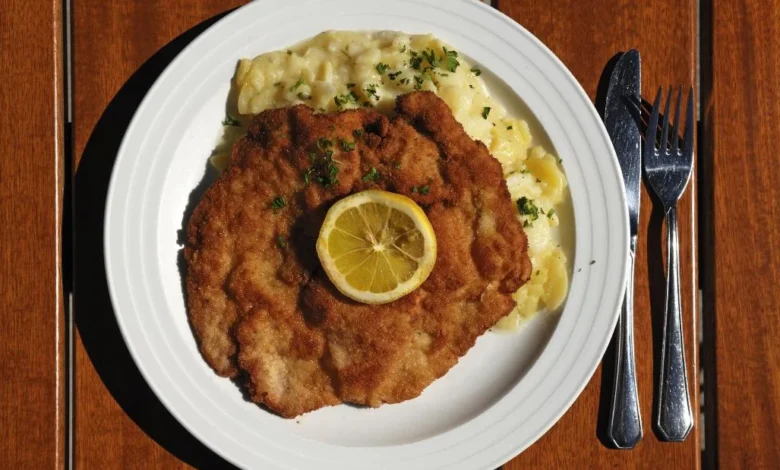
German food is defined by a commitment to heartiness, regional identity, and a profound respect for agricultural traditions that have been refined over centuries. While international perception often reduces the nation’s culinary output to a triad of beer, sauerkraut, and sausage, the reality is a sophisticated landscape shaped by migration, geography, and a rigorous approach to ingredient sourcing. From the high-end Michelin-starred kitchens of Berlin to the humble, bustling food markets of Bavaria, Germany’s gastronomic identity is in a constant state of evolution.
The historical foundations of German cuisine are deeply rooted in the need for preservation and the utilization of local, seasonal produce. However, the 20th and 21st centuries have seen this traditional framework expanded by significant immigrant populations, most notably from Turkey, Italy, and Eastern Europe. This fusion has resulted in a unique culinary hybridity where global street food staples, such as the Döner kebab, are now considered as essential to the national diet as the centuries-old regional meat dishes.
The Historical Context and Regional Specialization
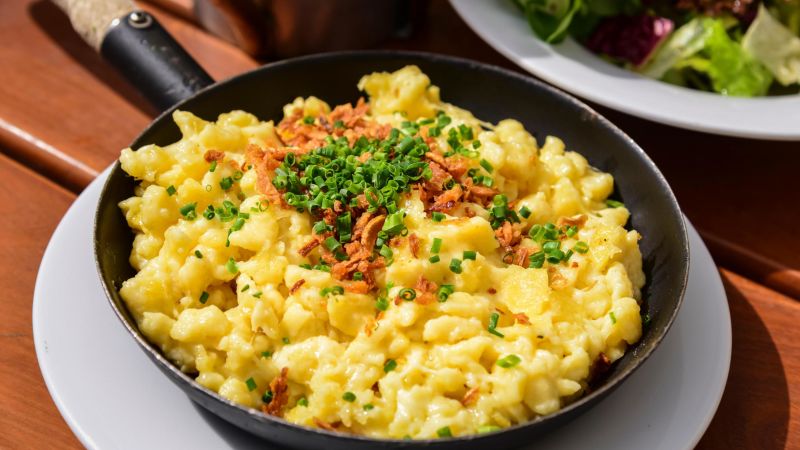
German culinary history is inextricably linked to the socio-political shifts of the continent. Dishes like Königsberger Klopse serve as a historical document of the country’s turbulent borders. Originally hailing from the East Prussian capital of Königsberg—now Kaliningrad, Russia—these meatballs in a caper-rich white sauce were a symbol of Prussian refinement. During the era of the German Democratic Republic (GDR), the dish underwent a forced nomenclature change to "Kochklopse" (boiled meatballs) to sanitize the menu of any references to the territories lost after the Second World War. Today, the dish has reclaimed its original name and remains a staple of Berlin’s heritage dining scene, representing a bridge between pre-war tradition and modern identity.
Similarly, the regional specialty of Maultaschen, hailing from Swabia in the southwest, demonstrates the ingenuity of regional cooking. Often referred to as the German ravioli, these large, square dough pockets are filled with a savory blend of minced meat, spinach, onions, and breadcrumbs. In 2009, the European Union recognized Maultaschen as a protected regional specialty, underscoring its importance to the cultural heritage of Baden-Württemberg. This legal recognition serves as a testament to the German emphasis on maintaining regional authenticity in an era of globalization.
The Evolution of Street Food Culture
The German street food scene is perhaps the most dynamic indicator of the country’s shifting demographics. While the bratwurst remains an untouchable icon—with over 40 regional varieties, including the marjoram-infused Fränkische and the spicy Thüringer—it has shared the stage with post-war innovations.

Currywurst, for example, stands as a post-war phenomenon. Attributed to Herta Heuwer in 1949, the dish was a product of resourcefulness in a divided, rebuilding Berlin. By combining ketchup and curry powder obtained from British soldiers with a grilled sausage, Heuwer created an accidental classic. Currently, an estimated 800 million servings of currywurst are consumed annually across Germany, marking it as a critical pillar of the country’s fast-food economy.
Furthermore, the integration of Turkish culinary influence has transformed the urban landscape. The Döner kebab, introduced in the early 1970s by guest workers like Kadir Nurman, has moved from a niche offering at Berlin’s Zoo Station to the most ubiquitous takeaway meal in the country. This transition reflects the broader integration of the Turkish-German community, shifting the national palate toward spice profiles and preparation methods that were largely absent from the traditional German table before the mid-20th century.
Seasonal Traditions and Agricultural Significance
The German culinary calendar is dictated by the seasons, with specific vegetables and fruits commanding national attention. Perhaps no vegetable holds as much cultural weight as white asparagus, or "Spargel." During "Spargelzeit," which runs from mid-April until June 24, the nation enters a state of near-obsession. Statistical data suggests that the average German consumes asparagus with a frequency that equates to over 70,000 tons of the vegetable annually.

This fixation is supported by a sophisticated network of local farmers and "Spargel routes" that crisscross the country. The ritualized consumption of white asparagus—served with hollandaise, melted butter, or in refined soups—highlights the German preference for high-quality, singular ingredients that reflect the terroir of the region. The sudden end of the season on St. John’s Day is a somber affair, signaling a transition back to summer produce and a temporary pause in one of the country’s most cherished culinary traditions.
The Philosophy of "Kaffee und Kuchen"
Beyond the savory main courses, the German dedication to "Kaffee und Kuchen" (coffee and cake) represents a vital social institution. This afternoon ritual is not merely a break for sustenance but a cultural pillar that promotes social cohesion. The Black Forest gateau, or Schwarzwälder Kirschtorte, is the most internationally recognized example of this tradition.
Contrary to popular belief, the cake is not named after the Black Forest mountain range itself, but after the regional specialty liquor, "Schwarzwälder Kirsch," a cherry distillate. The recipe, which emerged in the early 20th century, showcases a structural balance of chocolate sponge, whipped cream, and tart cherries. Its rise in popularity following the Second World War parallels the economic recovery of the country, as the availability of dairy and high-quality ingredients signaled a return to prosperity and the ability to indulge in elaborate patisserie.

Broader Implications and Future Trends
The modern German culinary landscape is characterized by a push-pull dynamic between the preservation of traditional, heavy comfort foods and a burgeoning interest in plant-based diets and sustainable agriculture. While dishes like "Himmel und Erde" (Heaven and Earth)—a pairing of black pudding, onions, and apple sauce—remain staples in the breweries of Cologne, there is a clear trend toward the "veggification" of even the most traditional recipes.
The rise of vegetarian and vegan versions of classic dishes, such as the Döner kebab or Maultaschen, reflects a wider shift in European consumption habits. Data from the German Federal Ministry of Food and Agriculture indicates a consistent rise in the consumption of plant-based protein alternatives, a trend that is forcing traditional chefs to innovate without sacrificing the "hearty" identity that defines the nation’s food.
Moreover, the role of government-backed institutions—such as the Institute for Bread—highlights the seriousness with which the state treats its culinary heritage. With over 3,000 types of bread officially registered, the country’s commitment to the craft of baking remains a primary focus of its agricultural policy.

In conclusion, German cuisine is a complex narrative of survival, migration, and celebration. It is a system that values the regional over the universal, yet is constantly enriched by external influences. Whether one is eating a quick, post-night-out currywurst or enjoying a multi-course Sunday dinner of Rinderrouladen, the experience is underscored by a deep-seated appreciation for ingredients that are prepared with purpose. As the country moves forward, its culinary identity will likely continue to thrive at the intersection of its rigid, historical foundations and its increasingly diverse, modern influences. The next time you find yourself asking "Haben sie hunger?" remember that the answer can be found in the rich, multi-layered history of the dishes that have defined this nation for generations.