The Ultimate Guide to Essential Chinese Cuisine and the Regional Flavors Shaping a Global Gastronomic Powerhouse

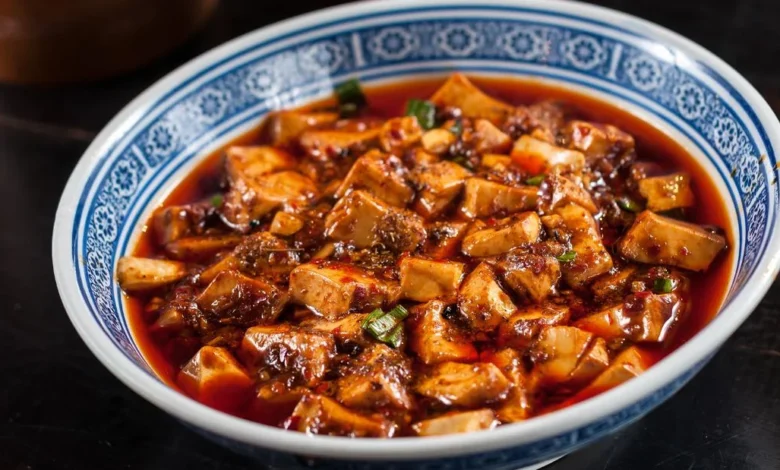
China possesses one of the most sophisticated and diverse food cultures in the world, a vast culinary landscape that defies a single definition. To understand Chinese cuisine is to explore a complex geography of flavor profiles, spanning from the numbing spice of the Sichuan basin to the delicate, umami-forward steaming traditions of the Cantonese coast. With thousands of years of imperial history and regional evolution, the country offers an introductory list of essential dishes that serve as a foundational roadmap for any serious traveler or culinary enthusiast.

The Historical Evolution of Chinese Gastronomy
The history of Chinese food is inextricably linked to the history of the nation itself. Culinary traditions were often dictated by geography, climate, and the migration patterns of imperial courts. For instance, the transition of the capital from Nanjing to Beijing in the 15th century during the Ming Dynasty fundamentally altered the development of Northern cuisine. Chefs brought with them the refined techniques of the southern regions, which then adapted to the local ingredients of the north, eventually birthing iconic dishes like the modern Peking duck.
According to historical archives, the concept of roasting duck can be traced back over 1,500 years to the Southern Dynasties, when Nanjing served as the seat of imperial power. The evolution of this dish—from a courtly luxury to a globally recognized delicacy—highlights the adaptability of Chinese chefs, who perfected the art of rendering fat and crisping skin to create the distinct textures found in a Peking duck pancake today.

The Regional Pillars of Flavor
Chinese food is categorized into the "Eight Great Traditions," including Yue (Cantonese), Chuan (Sichuan), Lu (Shandong), and Xiang (Hunan). Each region utilizes specific preparation techniques that have remained consistent for centuries.
In the mountainous province of Hunan, the philosophy of flavor is aggressive and unapologetic. Xiang cuisine is defined by its liberal use of chili, salt, and oil. The staple dish, duo jiao yu tou (steamed fish head with chopped salted chili), exemplifies this. The preparation involves a complex preservation process where chili peppers are fermented in jars with salt, ginger, garlic, and baijiu for at least a week. This creates a flavor profile that is deeply umami and sharp, a stark contrast to the subtle, clean profiles of the Chaozhou seaside, where freshness is the primary objective. In Chaozhou, seafood is often served cold after being lightly salted and steamed, a technique designed to preserve the original integrity of the catch.

Technical Mastery and Culinary Precision
Many dishes in the Chinese repertoire are deceptive in their simplicity. Steamed fish, a staple of Cantonese tables, is widely considered the ultimate test of a chef’s skill. Timing is measured in seconds, not just minutes, as the delicate flesh of the fish can quickly lose its structural integrity and moisture if overcooked. This level of precision is replicated in the art of the xiaolongbao, or soup dumpling. The success of this dish relies on the structural integrity of the thin wrapper, which must hold a piping-hot gelatinized meat broth without rupturing. Culinary experts often cite the transition from the steamer to the spoon as one of the most technical challenges in fine dining service.
Noodle Culture and Historical Anecdotes
The diversity of Chinese noodle dishes is a testament to the country’s social history. Dan dan mian (dan dan noodles) derive their name from the carrying poles—dan dan—used by street hawkers in the 19th century to transport their wares. These noodles offer a study in contrasting textures: the chew of the wheat, the crunch of peanuts, and the heat of Sichuan peppercorns.

Similarly, the legend of "cross-the-bridge" rice noodles from Yunnan province provides a glimpse into the ingenuity of home cooking. The story centers on a wife who sought to keep her husband’s lunch warm while he studied on a remote island. By creating a layer of chicken oil on top of a pot of boiling broth, she effectively insulated the liquid, allowing the noodles and raw ingredients to be "cooked" at the table. Today, this practice has become a standard, high-performance service model in many specialized noodle shops across China.
The Global Impact and Economic Significance
The reach of Chinese cuisine extends far beyond its borders, acting as a primary driver of cultural soft power. Iconic dishes such as Kung Pao chicken have been integrated into the global culinary lexicon, though the original version, attributed to the 19th-century Sichuan governor Ding Baozeng, remains distinct in its reliance on specific regional ingredients like Pidu broad bean paste and Hanyuan peppercorns.

From an economic perspective, the Chinese food industry is a massive contributor to the country’s GDP. The modernization of the food and beverage sector has seen a surge in "casual-fine dining," where traditional techniques are being applied to modern health-conscious trends. For example, the use of mei cai (pickled mustard) in braised pork dishes has seen a resurgence as consumers look for fermented foods that offer both probiotic benefits and deep, traditional flavors.
Street Food: The Heart of the Culinary Experience
While high-end establishments continue to innovate, the heart of Chinese food remains in its street food culture. The jian bing guozi, a breakfast crepe found on the streets of Tianjin, is a prime example of the democratization of flavor. Made with a mung bean batter, eggs, scallions, and deep-fried crisps, it represents a balanced, portable meal that has sustained generations of workers. Similarly, rou jia mo from Xi’an—frequently described as the world’s oldest hamburger—reflects the intersection of historical trade routes and local agricultural production, utilizing slow-braised pork belly and unleavened bread to provide a high-calorie, satisfying meal.

Fact-Based Analysis: The Future of Traditional Eating
Looking toward the future, the primary challenge for the Chinese culinary industry is the preservation of manual techniques in an era of automation. Methods such as hand-beating beef for meatballs in Chaozhou or the laborious pickling processes in Hunan are increasingly rare as commercial production takes over.
However, there is a growing movement among younger chefs to document and revive these "lost" techniques. Institutional support for culinary heritage, combined with the global rise of "authentic" regional Chinese food, suggests that these dishes will continue to evolve while maintaining their essential identity. The emphasis on seasonality, as seen in the therapeutic herbal soups of the south, aligns with global trends toward wellness and holistic health, ensuring that these traditions remain relevant for modern palates.

Conclusion: A Continuous Journey
Exploring the essential eats of China is not merely about consuming food; it is an exercise in cultural mapping. Whether it is the contrast of sweet and sour pork, the umami depth of a properly made mapo tofu, or the delicate, medicinal balance of a Cantonese congee, every dish tells a story of survival, innovation, and local pride. For the traveler or the curious cook, these dishes offer more than sustenance; they provide a direct, visceral connection to the history and the heartbeat of a nation that views cooking as the highest form of hospitality. As these traditions continue to influence the global stage, they underscore the enduring power of Chinese gastronomy to bridge cultures, one bite at a time.
Related posts: