American Airlines Announces Major Expansion and Renovation of Phoenix Sky Harbor Admirals Clubs

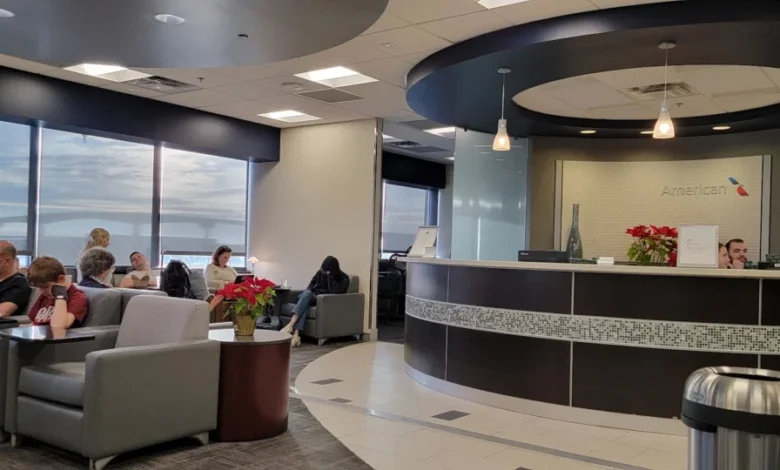
American Airlines has officially unveiled a comprehensive, multi-phase investment plan to overhaul its Admirals Club presence at Phoenix Sky Harbor International Airport (PHX). Long regarded by frequent travelers and industry analysts as one of the weakest links in the carrier’s premium lounge network, the Phoenix facilities have struggled to keep pace with modern traveler expectations. The announced renovations are designed to address chronic issues regarding capacity, aging infrastructure, and limited amenities, marking a significant pivot in American’s strategy for its desert hub.
The initiative comes at a critical time for the aviation industry. As passenger volumes climb, the pressure on airport infrastructure has intensified. American Airlines reports that it expects to host 18 million lounge visits in 2026—a staggering 80% increase from the 10 million recorded in 2016. During this same decade, overall passenger traffic for the airline has grown by only 12.1%. This statistical disparity illustrates a clear trend: the demand for premium lounge access is far outpacing the growth of general air travel, rendering the “status quo” of legacy lounge layouts obsolete.
A Three-Tiered Renovation Strategy
The planned improvements for Phoenix are segmented by location and scope, targeting the airline’s primary footprints within Terminal 4. According to the airline’s official release, the project will unfold in distinct phases to ensure continuous service while maximizing the final utility of the space.
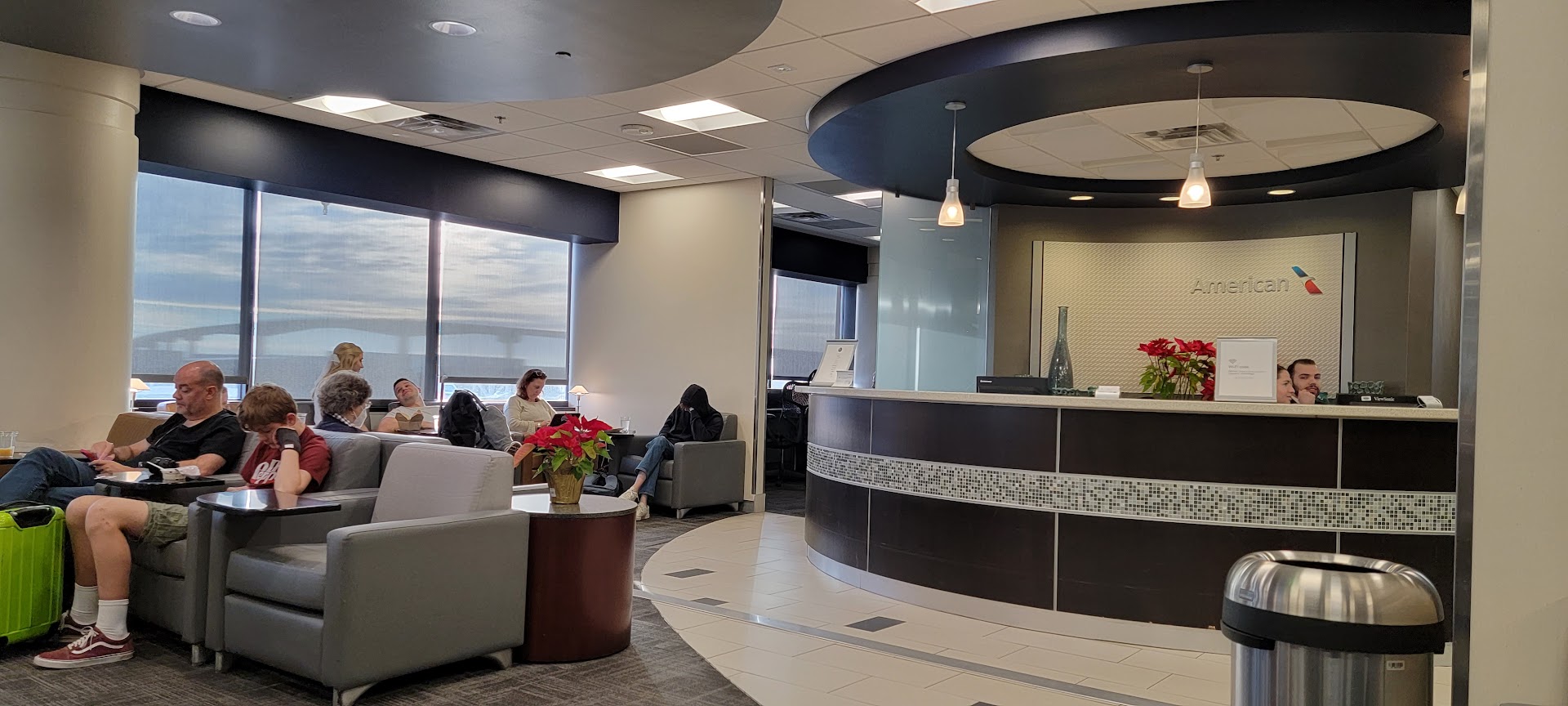
The near-term improvements are focused on the A19–A21 location. Passengers can expect an immediate overhaul of the food service infrastructure, which will include expanded capabilities for beverage and culinary offerings, alongside general facility maintenance to refresh the aesthetic. Simultaneously, the B5–B7 club is slated for a more substantial upgrade. This location will receive a 20% increase in seating capacity, a new self-service food and beverage station, and a complete interior redesign aimed at improving flow and utility for business travelers.
The most transformative changes are reserved for the long-term outlook for both clubs in Concourse A, including the A7–A9 location. Plans indicate that these facilities will see their combined footprint nearly tripled. Once completed, the expansion is expected to provide approximately 150% more seating than the current configuration, effectively increasing total club capacity to roughly 2.5 times its current level. While American Airlines has declined to provide specific completion dates or final square footage figures, the project signals a long-term commitment to the Phoenix market.
Contextualizing the Phoenix Investment
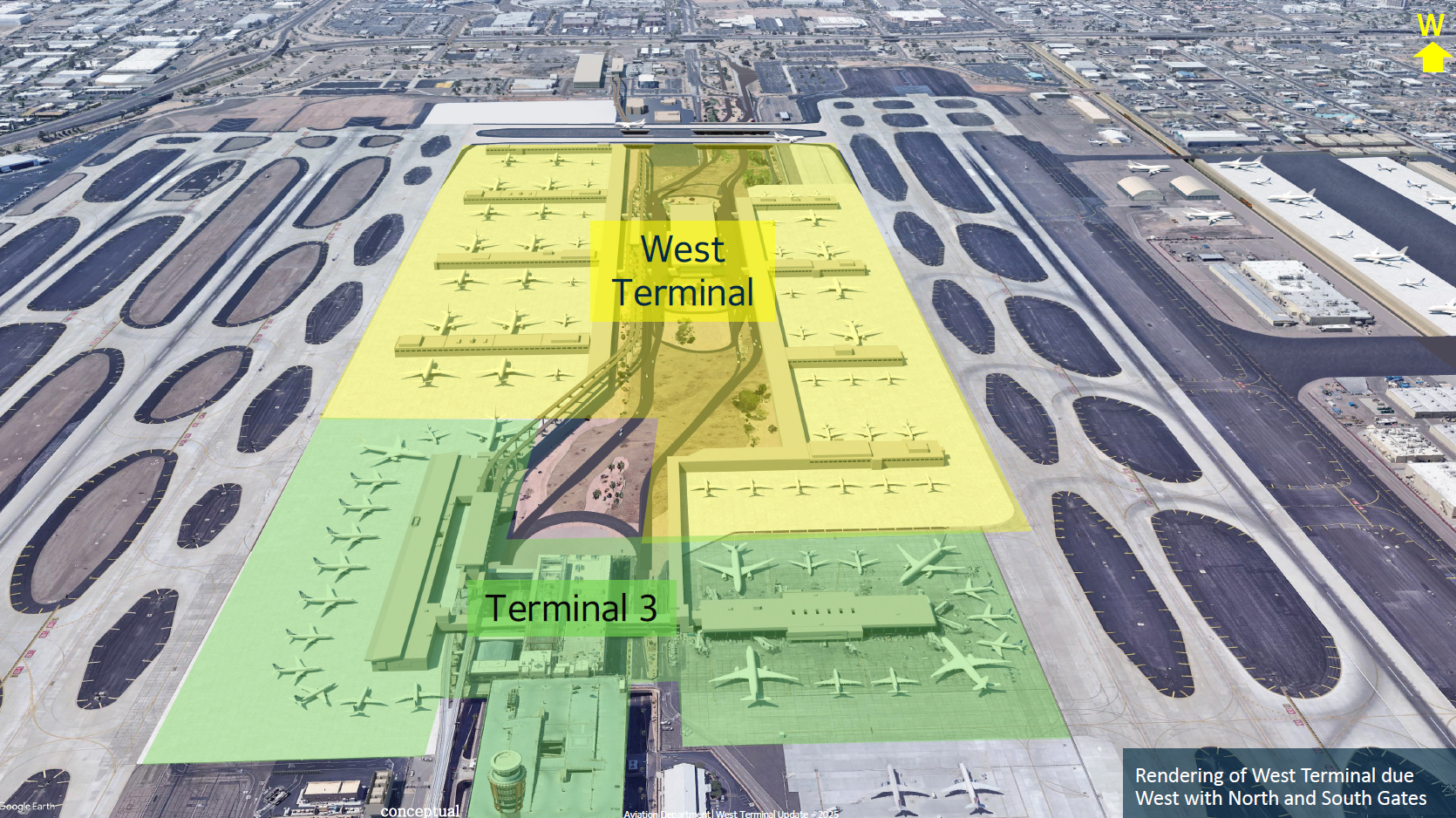
The decision to invest heavily in Terminal 4 is particularly notable given the airport’s long-range master plan. Phoenix Sky Harbor is currently working toward the development of a new $4.5 billion West Terminal, which is not projected to open until late 2033 at the earliest.
Industry observers have noted the apparent tension between committing capital to an existing terminal while simultaneously planning for a massive infrastructure migration seven years down the line. However, the presence of American Airlines CEO Robert Isom at the recent Industry Day—where the West Terminal concept was unveiled—suggests a calculated alignment between the carrier’s current operational needs and its future as the anchor tenant of the new facility. For American, the strategy is clear: the airline cannot afford to sacrifice its current competitive standing in the Southwest for a future promise. By upgrading existing clubs, the airline maintains its premium positioning while it prepares for the transition to the future terminal.
A Broader Turnaround in Lounge Strategy
This Phoenix announcement is a component of a much larger, global effort by American Airlines to reclaim its status as a premium carrier. Following a decade of cutbacks, closures, and a widely criticized “modern hospital” aesthetic, the airline has shifted toward a warmer, more functional design language.
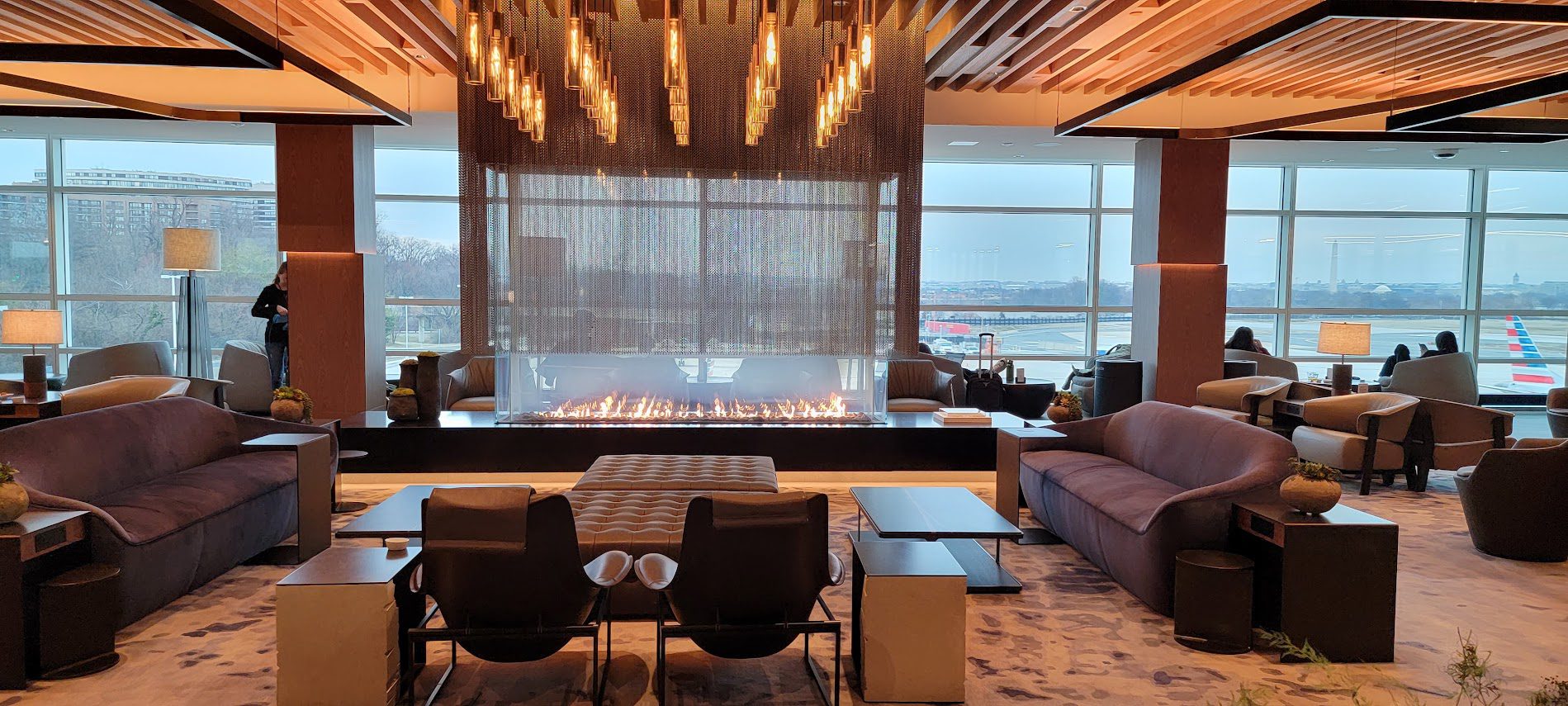
Recent renovations at major hubs, including Washington Reagan (DCA), Denver (DEN), Newark (EWR), and Philadelphia (PHL), have set a new standard for the brand. These facilities emphasize the use of natural wood textures, improved lighting, and ergonomic seating arrangements designed to facilitate both productivity and relaxation. This design evolution is being coupled with a revamped culinary program. Admirals Clubs have introduced expanded hot food menus and premium charcuterie, while the elite Flagship Lounge tier has pivoted toward more sophisticated, sit-down dining options for long-haul international passengers.
The scale of this pipeline is aggressive. American has publicly stated its intention to deliver one new, renovated, or expanded lounge every month on average over the next two to three years. Key projects currently in the works include:
- Charlotte (CLT): A massive 40,000-square-foot facility above the atrium, alongside a dedicated Flagship Lounge.
- Dallas-Fort Worth (DFW): A 37,000-square-foot club in Terminal C and the development of "Terminal F Provisions."
- Miami (MIA): A dual-project effort involving a new Flagship Lounge and an expanded D30 Admirals Club.
- Chicago (ORD): A 10,000-plus square foot replacement for the Concourse L club.
- Austin (AUS) & Nashville (BNA): New lounges featuring outdoor terraces, with completions targeted for 2027.
The Role of Financial Partnerships
A significant driver of this expansion is the deepening integration between American Airlines and its financial partner, Citi. The branding of Admirals Club entrances with the Citi logo is a visible manifestation of a joint-venture model that differs from traditional supplier relationships.
The strategy is twofold: the lounges serve as a powerful marketing tool to sell the AAdvantage Executive credit card, and in turn, the revenue generated from these cardholders funds the infrastructure improvements. With the introduction of tiered card benefits—such as the Globe and Strata Elite levels, which provide limited lounge passes—the airline has created a new class of "occasional" premium travelers. This demographic growth necessitates the massive capacity increases currently underway; without these expansions, the lounge experience would continue to suffer from the overcrowding that has plagued the network in recent years.
With the Executive card’s annual fee now set at $695, and the cost of standalone memberships ranging from $1,200 to $1,400, the economic logic for the consumer is being pushed firmly toward credit card adoption. By aligning the lounge network with a robust credit card ecosystem, American Airlines is attempting to lock in high-value, frequent travelers who prioritize lounge access as a standard component of their travel experience.
Future Outlook and Operational Challenges
The path forward is not without its hurdles. The construction industry continues to face labor and supply chain constraints, which can delay even the most well-funded projects. Furthermore, while the physical expansion of the Phoenix clubs is a welcome development, the airline will eventually need to reconcile the disparity between its current terminal footprint and the inevitable move to the West Terminal in the 2030s.
For now, the Phoenix investment serves as a validation of the airline’s "premium-first" pivot. By prioritizing the passenger experience in one of its most vital hubs, American is signaling to its most loyal, high-spending customers that it is serious about modernization. Whether these changes will be enough to satisfy the demands of an increasingly discerning travel market remains to be seen, but the sheer volume of capital being deployed suggests that the era of "lounge neglect" is effectively coming to an end for the carrier. As the industry moves toward 2026 and beyond, the success of these clubs will likely be measured by the airline’s ability to maintain the high standards it has recently established in its newer, more polished locations.