Aviation industry trends: In-flight dining upgrades, airport pricing surges, and the return of full-sized beverage service


The aviation industry is currently navigating a period of significant operational flux, characterized by disparate passenger experiences that range from surprising culinary improvements on budget carriers to frustrations over escalating ground costs at major domestic hubs. As airlines recalibrate their post-pandemic service models, recent developments highlight a divergence in strategy: some carriers are investing in the quality of their economy-class meals, while others are grappling with the logistical challenges of onboard beverage distribution and the economic pressures of airport infrastructure upgrades.
Culinary Upgrades in the Economy Cabin
Recent social media sentiment has highlighted a notable improvement in the quality of economy-class catering, specifically on carriers like Volotea. Observations from frequent travelers, such as aviation analyst JonNYC, indicate that certain budget-conscious airlines are successfully integrating more ambitious menu items, such as butter chicken, into their standard economy offerings.
This shift represents a strategic pivot for airlines that have traditionally relied on minimal, pre-packaged snacks. By offering hot, recognizable, and flavorful entrees, these carriers aim to bolster their brand perception and increase ancillary revenue through buy-on-board programs. Industry analysts suggest that as the travel market becomes increasingly competitive, the quality of onboard food—once a neglected aspect of short-haul travel—is becoming a critical differentiator for passengers who are increasingly willing to pay for a higher-quality experience even on low-cost carriers.
The Economic Reality of New Airport Infrastructure
While in-flight experiences are showing signs of improvement, the passenger experience on the ground, particularly at newly renovated hubs, has become a point of contention. Reports from travelers at the recently inaugurated Burbank Airport facilities underscore a growing dissatisfaction regarding pricing transparency and the cost of goods and services.
Central to this discourse is the implementation of "sustainability fees," which have been applied to consumer transactions within the airport terminal. Travelers have reported additional surcharges on food and retail purchases, often reaching 5% or higher. These fees, while ostensibly intended to fund eco-friendly infrastructure and waste management initiatives at the new terminal, have triggered a backlash among frequent flyers who perceive them as an opaque method of cost-recovery.
From an economic perspective, this reflects a broader trend in airport management. As airports invest billions in modernization, they are increasingly seeking ways to recoup capital expenditures. However, the lack of clear communication regarding these surcharges can lead to "sticker shock," potentially damaging the passenger experience at otherwise state-of-the-art facilities.
Alaska Airlines and the Evolution of Beverage Service
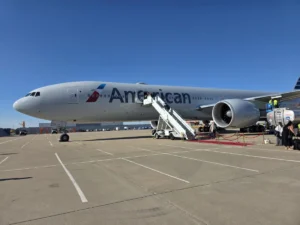
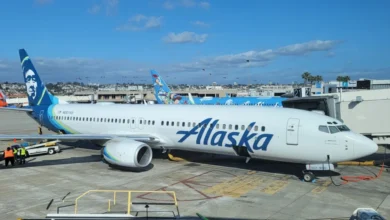
In a significant operational shift, Alaska Airlines has announced a transition regarding its onboard beverage service. Beginning in mid-November, the carrier will return to pouring from full-sized soda cans rather than the individual, pre-packaged mini-cans that became the standard during the pandemic.
This change, however, is not without its logistical complexities. According to internal reports, the transition will be gradual as catering facilities exhaust their current inventory of smaller containers. By 2027, the airline intends to phase out individual soda cans entirely. This move is designed to reduce the volume of single-use aluminum waste and streamline the supply chain, but it has met with internal resistance from flight crews.
Flight attendants have expressed concerns that pouring beverages from larger containers will necessitate significantly more time in the aisle. In the narrow-body aircraft configurations common to domestic fleets, this prolonged service time can obstruct access to lavatories, creating congestion in the cabin. Furthermore, the airline is expected to downgrade beverage offerings on select short-haul flights. Routes that currently provide a full refreshment service may be limited to water and juice to compensate for the additional labor required by the new pouring process.

Chronology of Operational Changes
The current state of airline services is the result of a multi-year evolution following the 2020 industry collapse.
- 2020–2021: Airlines aggressively cut service levels to reduce touchpoints and labor requirements, leading to the widespread adoption of mini-cans and restricted snack options.
- 2022–2024: As demand returned, airlines focused on stabilizing operations, often maintaining pandemic-era service levels to manage costs and staffing shortages.
- 2025: A clear trend emerged where carriers began experimenting with "premium-lite" economy meals to drive revenue.
- 2026: The current period marks a transition toward new service standards, characterized by a move back toward traditional pouring services and the expansion of terminal-wide sustainability fees.
Analysis: Implications for Passenger Experience
The move toward full-sized beverage pouring at Alaska Airlines and the introduction of new service fees at major airports highlight two distinct pressures on the airline industry: environmental sustainability and operational efficiency.
Reducing the use of mini-cans is a clear step toward minimizing the carbon footprint associated with individual packaging, a goal that aligns with the industry’s broader commitments to net-zero emissions. However, the operational trade-off—increased labor time and potential cabin congestion—illustrates the difficulty of balancing sustainability with the passenger experience. When service is slower, the perceived quality of the flight drops, even if the change is motivated by environmental goals.
Similarly, the Burbank Airport fee structure serves as a case study in the tension between infrastructure modernization and consumer affordability. Airports are now expected to be "green" hubs, but the costs associated with these upgrades are being passed directly to the consumer at the point of sale.
Official Perspectives and Stakeholder Reactions
While airlines and airport authorities rarely comment on individual social media reports, industry trade groups have generally defended these changes as necessary for long-term viability. Proponents of the full-sized beverage pouring model argue that it reduces the sheer volume of recycling that crews must manage, theoretically allowing for more efficient waste sorting.
Regarding airport fees, airport operators argue that these surcharges are essential to fund the transition to renewable energy sources and more efficient waste-to-energy systems within the terminal. They maintain that the sustainability of the aviation ecosystem is a shared responsibility between the airport, the retailers, and the traveling public.
The Path Forward
As the industry moves into 2027, passengers should anticipate further adjustments to service models. The "standardization" of the pandemic era is being replaced by a more fragmented landscape where the cost and quality of a journey vary significantly based on carrier policy and airport location.
The focus for airlines will likely remain on optimizing cabin crew productivity. If the transition to full-sized beverage pouring proves to be too disruptive to cabin flow, it is possible that airlines will seek technological solutions, such as more efficient beverage carts or pre-mixed beverage systems, to minimize aisle time. Simultaneously, travelers should expect more rigorous, albeit potentially controversial, sustainability initiatives at major hubs, as airports continue to face pressure to align with global climate goals.
Ultimately, the aviation industry remains in a delicate balancing act. While the quality of meals is trending upward, the operational friction of cabin service and the rising costs of terminal usage remain challenges that carriers and airports must navigate carefully to maintain customer satisfaction in an increasingly expensive travel market. The coming year will likely be defined by how effectively these organizations can communicate the value of these changes to a public that is increasingly sensitive to both price and the quality of their travel experience.