Melissa Barrera Reflects on Industry Shifts and Solidarity Nearly Three Years After High-Profile Scream Franchise Dismissal

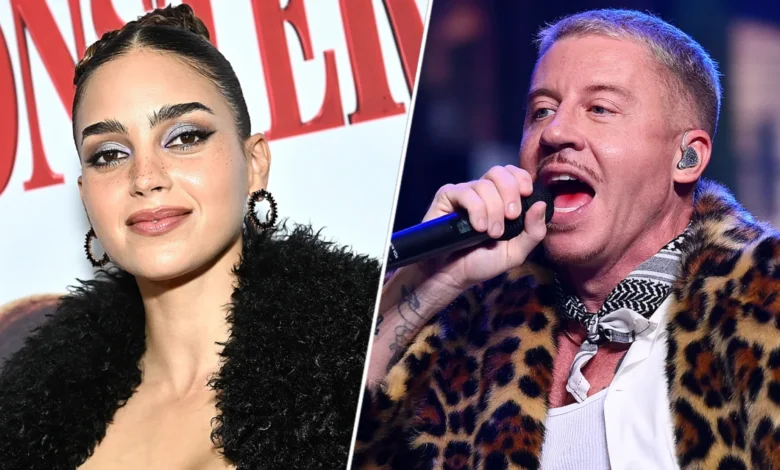
Nearly three years after actress Melissa Barrera was abruptly dismissed from the multi-million-dollar horror franchise Scream over her public statements regarding the Israel-Hamas conflict, the Mexican-born star is speaking out about what she perceives as a significant cultural and professional shift within the entertainment industry. In recent remarks made to the Associated Press, Barrera reflected on the growing wave of solidarity among artists and performers, drawing a direct contrast between her own isolated ousting in late 2023 and the more recent coordinated actions taken by musicians supporting peers penalized for pro-Palestinian advocacy.
The conversation surrounding industry censorship and artistic solidarity was reignited following a high-profile controversy involving musician Macklemore. Macklemore was reportedly dropped from Ed Sheeran’s global Loop Tour after making explicit Free Palestine remarks during a live performance. In an unprecedented display of collective action, several supporting acts slated to open for Sheeran—most notably Finneas and his band, alongside other tour openers—subsequently withdrew from the lineup in solidarity with Macklemore.
For Barrera, witnessing artists willingly walk away from lucrative high-profile tours to take a stand served as a poignant and emotional reminder of how much the public landscape has transformed since her own firing. Speaking candidly to the press, Barrera emphasized the stark difference in reception she experienced during the height of the controversy surrounding her social media posts.
A Retrospective Look at the November 2023 Dismissal
The chronology of Melissa Barrera’s departure from the Spyglass Media Group-produced horror franchise began in November 2023. At the time, Barrera had cemented her status as the new face of the iconic slasher franchise, having successfully carried the narrative torch as the primary protagonist, Sam Carpenter, in both 2022’s fifth installment—simply titled Scream—and 2023’s Scream VI.
As the humanitarian crisis in Gaza intensified following the October 7, 2023, attacks by Hamas, Barrera utilized her personal social media platforms to share commentary, news articles, and personal reflections concerning the escalating casualties and humanitarian conditions faced by Palestinians. Her posts explicitly highlighted what she termed the atrocities being committed against Palestinian civilians.
The reaction from production company Spyglass Media Group was swift and uncompromising. On November 21, 2023, Spyglass formally announced that Barrera had been dropped from the upcoming seventh installment of the franchise. In a public statement that quickly circulated across global media outlets, the studio asserted a zero-tolerance policy regarding antisemitism and the incitement of hate in any form. Spyglass explicitly cited Barrera’s social media activity, characterizing certain references as false representations of genocide, ethnic cleansing, Holocaust distortion, and hate speech.
The studio’s decision immediately triggered a massive public relations crisis, igniting intense debates across Hollywood regarding free speech, political expression, and the professional liabilities faced by public figures expressing opinions on contentious geopolitical conflicts.
The Domino Effect: Departures, Resignations, and Creative Upheaval
Barrera’s firing sent immediate shockwaves through the production of Scream 7, setting off a rare and catastrophic chain reaction of creative departures that effectively dismantled the existing vision for the sequel.
Just days after Barrera’s termination, her on-screen sister and co-lead, Jenna Ortega, announced her departure from the project. While Ortega’s publicists initially cited scheduling conflicts tied to her commitments to the Netflix smash hit series Wednesday, industry analysts widely linked the timing of her exit to the studio’s handling of Barrera. In subsequent interviews, Ortega admitted that the production of the sequel had completely fallen apart in the wake of the shake-up, leaving the narrative without its anchoring dynamic.
The turmoil deepened further when director Christopher Landon, who had been tapped to helm Scream 7, officially announced his exit from the project in December 2023. Landon took to social media to voice his frustration, describing the environment surrounding the production as a nightmare. He later revealed that he and his family had been subjected to highly aggressive and frightening death threats stemming from the polarizing fallout of the studio’s decisions.
With the original creative team and principal leads entirely depleted, Spyglass Media Group and Paramount Pictures were forced to completely pivot their strategic approach to the seventh film, launching a frantic behind-the-scenes restructuring effort to salvage the franchise.
Franchise Reconstruction and the Return of Legacy Talent
Faced with an unprecedented PR disaster and an empty director’s chair, studio executives turned to legacy talent to stabilize the property. In March 2024, it was officially announced that Neve Campbell—the undisputed final girl of the original 1996 Wes Craven classic—would return to reprise her iconic role as Sidney Prescott for Scream 7.
Campbell’s return was particularly noteworthy given that she had famously sat out Scream VI (2023) following a highly publicized contract dispute stemming from what she deemed an unsatisfactory salary offer. Alongside Campbell’s return, franchise architect and original screenwriter Kevin Williamson was brought on board to direct the seventh installment, steering the narrative back to its roots.
Despite the injection of nostalgic star power, the shadow of Barrera’s firing continued to loom heavily over the franchise. Throughout the promotional buildup and the eventual theatrical release of Scream 7 at Paramount Studios in February, the film faced sustained backlash from fan communities and political activist groups alike.
Ahead of the film’s premiere, organized groups of pro-Palestine activists staged demonstrations outside the entrance of the studio lot, calling for formal boycotts of the movie. Similar grassroots efforts had flooded social media platforms months prior, when the official theatrical trailer debuted, with thousands of users organizing campaigns to dissuade audiences from supporting the film in theaters as a form of protest against the studio’s treatment of Barrera.
Shifting Tides: Analyzing the Broader Cultural Implications
Reflecting on the timeline of events from late 2023 to the present day, Barrera’s recent statements highlight a measurable evolution in how the entertainment industry and public audiences respond to artists expressing solidarity with Palestine.
During the initial phase of the conflict in late 2023, high-profile figures who spoke out frequently encountered immediate professional repercussions, swift corporate distancing, and public blacklisting. Industry watchdogs frequently described an atmosphere of intense fear, where colleagues and peers hesitated to offer public support out of concern for their own employment status and brand safety.
However, the recent mobilization surrounding Macklemore and the subsequent walkout by Ed Sheeran’s opening acts—including high-profile artists like Finneas—suggests a growing resilience within the creative community. Observers and cultural analysts note that artists are increasingly willing to risk professional associations to take principled stances on international human rights issues, signaling a potential shift in the power dynamics between corporate studios and individual creators.
For Melissa Barrera, seeing contemporary artists stand together without fear provides a sense of vindication. While the professional cost to her career in the immediate aftermath of her firing was steep, her ongoing presence in cultural conversations underscores the lasting impact of the 2023 precedent. As the entertainment industry continues to grapple with the intersection of geopolitics, free expression, and corporate risk management, the legacy of these events remains a watershed moment for Hollywood labor relations and activist solidarity.
Related posts: