Harvesting Under the Sun: How Massachusetts Cranberry Bogs Became Pioneers in Dual-Use Agrivoltaics

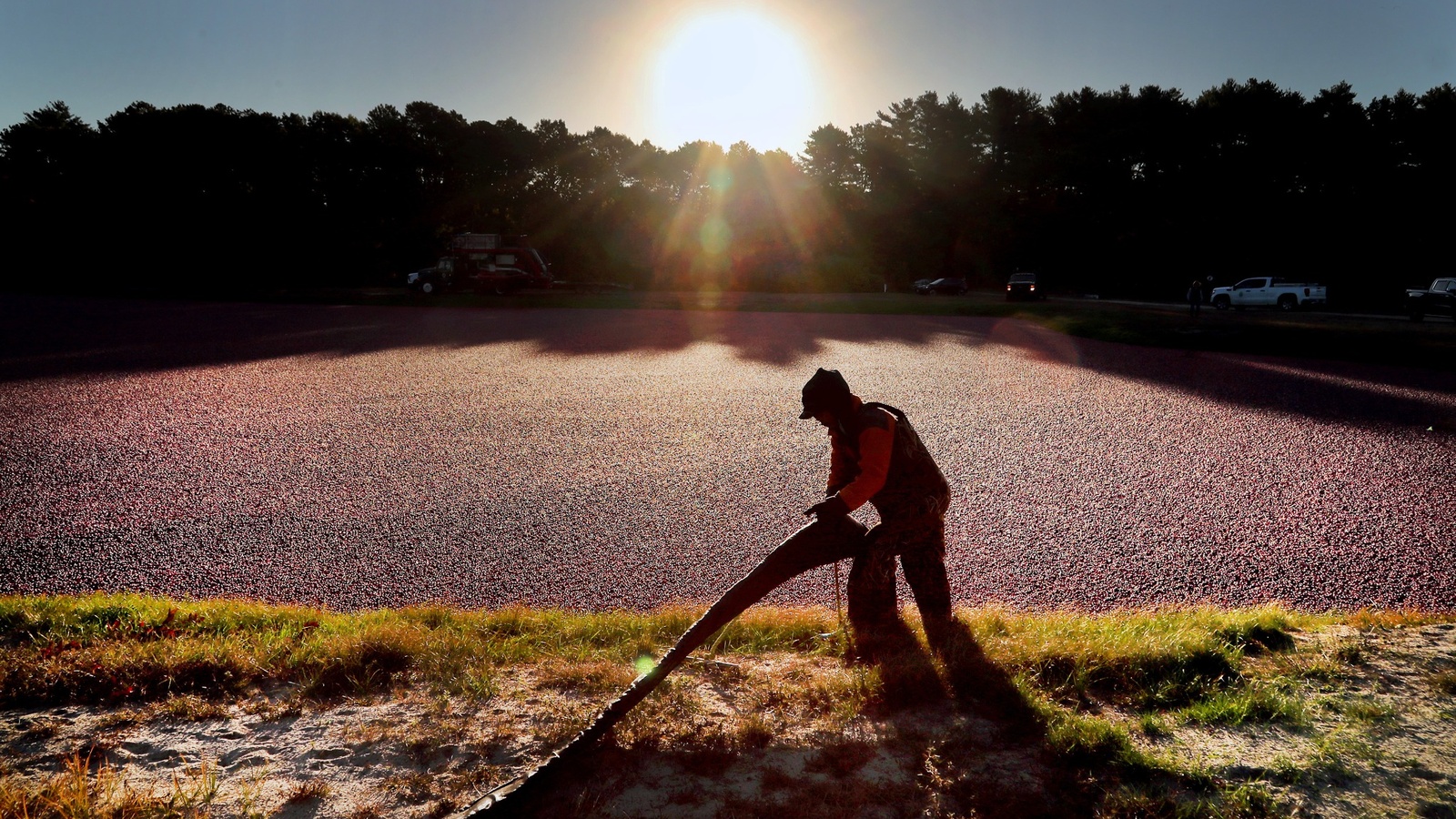
The autumn harvest is underway across southeastern Massachusetts, where bogs glow with the deep ruby-red of ripe cranberries destined for Thanksgiving tables, juice bottles, and holiday pastries. Yet, at two specific farms in the region, the traditional agricultural landscape looks profoundly different. Agricultural workers navigate heavy harvesting machinery around galvanized metal poles, operating entirely in the gentle shade cast by towering rows of photovoltaic solar panels.
These two sites represent a groundbreaking milestone: they are the first working cranberry bogs in the United States—and likely the world—to successfully cultivate crops directly beneath an active, large-scale solar installation. This autumn marks the second consecutive harvest season completed under the protective canopies of these elevated arrays, offering a tangible glimpse into the future of sustainable farming and renewable energy generation.
Engineering a Dual-Use Paradigm
The realization of this unique agricultural and energy intersection is the result of years of meticulous planning, engineering innovation, and cross-sector collaboration. Prateek Tare, co-founder and executive vice president of Distributed Energy Infrastructure, the firm responsible for engineering and constructing the projects, emphasizes the pioneering nature of the undertaking.
"We are literally proving it can be done," Tare said, reflecting on the technical hurdles overcome to bring the sites online.
Distributed Energy Infrastructure developed two distinct installations in the region: a robust 4.4-megawatt solar array paired with a massive 13.5-megawatt-hour battery storage system in the town of Kingston, and a 1-megawatt solar array in neighboring Plymouth.
Constructing solar infrastructure over a wetland environment like a cranberry bog required entirely novel engineering solutions. Traditional solar installations typically rely on pilings driven eight to ten feet into solid earth. However, the unstable, saturated soil of a cranberry bog demanded pilings to be driven significantly deeper to secure a stable foundation capable of withstanding heavy winds and weather events. Engineers had to experiment with specialized machinery to sink the deep pilings without compromising the delicate hydrology of the underlying ecosystem. Furthermore, conventional underground electrical wiring could not be utilized in the boggy terrain, requiring innovative overhead wiring architectures instead.
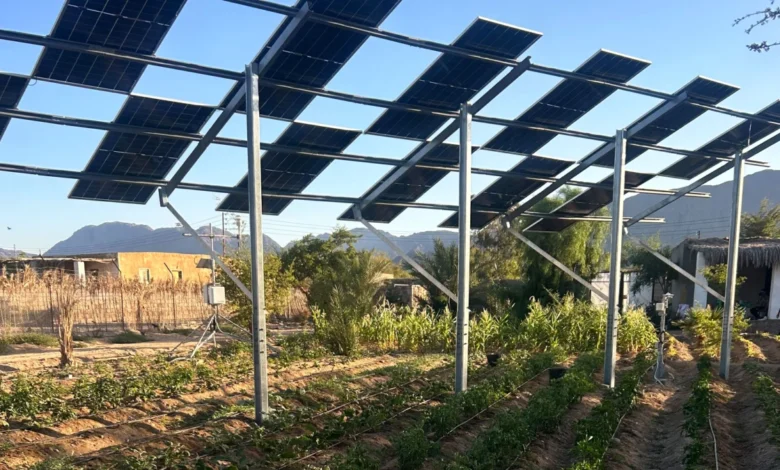
To ensure the cranberry vines received adequate sunlight and farm equipment could move freely, the photovoltaic panels were mounted ten feet above the ground on a single-axis tracking system that tilts throughout the day to follow the sun. The structural pilings were spaced significantly farther apart than standard commercial solar arrays, allowing standard agricultural tractors and harvesting equipment to traverse the bogs unobstructed.
The Regulatory and Economic Landscape of Massachusetts
This technological convergence arrives as Massachusetts aggressively pursues its statutory mandate to achieve net-zero carbon emissions by the year 2050. Renewable energy expansion sits at the heart of this legislative framework, with the state utilizing policy incentives to accelerate deployment.
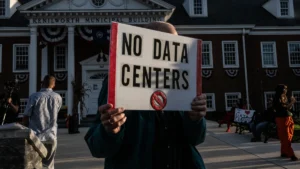
However, locating utility-scale solar projects has triggered intense public debate within the densely populated and heavily wooded commonwealth. Developing solar infrastructure on urban rooftops and commercial parking lots minimizes environmental disruption but significantly drives up construction costs and caps power generation capacities. Conversely, proposals to build ground-mounted solar arrays on undeveloped forests or open fields frequently encounter fierce resistance from local residents concerned about community aesthetics, and environmental organizations dedicated to preserving local ecosystems.
While converting cleared agricultural land presents a viable alternative, it introduces thorny economic and food-security questions regarding the permanent removal of productive farmland from agricultural output. Similar land-use conflicts are unfolding in agricultural communities nationwide as the demand for renewable energy infrastructure scales upward.
To navigate these competing pressures, Massachusetts has emerged as a national leader in promoting agrivoltaics—frequently referred to as dual-use solar. This practice integrates agricultural production and photovoltaic energy generation on the same acreage, allowing farming operations to continue uninterrupted beneath elevated solar arrays.
In 2018, Massachusetts became the first state in the nation to establish dedicated financial incentives specifically tailored to reward dual-use solar projects. Under the state’s ongoing solar incentive framework, participants receive a baseline compensation rate for every kilowatt-hour of electricity generated. For medium-scale arrays ranging between 1 and 5 megawatts, the base incentive sits at approximately 23.17 cents per kilowatt-hour. Crucially, certified agrivoltaic projects receive an additional financial boost of 9 cents per kilowatt-hour, providing a powerful economic incentive for developers and landowners alike.
Preserving Agricultural Heritage Through Clean Energy
The financial structure of these projects relies on strategic partnerships between renewable energy firms, landowners, and agricultural managers. In Kingston and Plymouth, clean energy developer Greenbacker Renewables acquired the parcels—which had functioned as commercial cranberry operations for decades—from multi-generational farmers who were prepared to exit the industry.
Rather than allowing the land to remain fallow or succumb to real estate speculation, Greenbacker partnered with Distributed Energy Infrastructure to construct the arrays. To ensure the agricultural output remained robust, the developers retained Iain Ward, a seasoned local cranberry farmer and solar consultant, to manage the day-to-day horticultural operations beneath the panels. The electricity generated by both facilities is distributed via a community solar model, enabling local residents and businesses to subscribe to clean energy, lower their monthly utility bills, and reduce their collective carbon footprint.
For Massachusetts cranberry growers, solar integration offers an unprecedented economic lifeline. Massachusetts ranks as the second-largest cranberry-producing state in the nation, trailing only Wisconsin. While traditional agrarian sectors such as dairy farming, sheep ranching, and corn cultivation frequently face economic pressures that lead to land sales for residential or commercial real estate development, cranberry bogs occupy a unique legal and ecological status.
Cranberry bogs are legally classified as protected wetlands under state and federal environmental statutes. Consequently, even if a cranberry operation ceases commercial production, local zoning and environmental regulations strictly prohibit the conversion of the land into housing developments, strip malls, or industrial parks.
While not every cranberry bog possesses the necessary topography or proximity to electrical transmission infrastructure to support a grid-tied solar installation, those that do find themselves uniquely positioned to monetize their acreage without violating wetland protections.
"This is a farm viability opportunity," Ward noted, emphasizing how the dual-use model safeguards agricultural land from permanent abandonment while generating predictable secondary revenue streams for those who maintain the working landscape. Under typical lease agreements, farmers are compensated not only for harvesting the crops but also for managing the vegetation and maintaining the grounds around the solar infrastructure.
A Growing Movement Across Sectors
The successful deployment of agrivoltaics in Kingston and Plymouth has catalyzed broader corporate and agricultural interest across New England. Distributed Energy Infrastructure is currently expanding its dual-use portfolio, applying the engineering lessons learned from the cranberry bogs to new installations across apple orchards, working cattle pastures, and commercial Christmas tree farms. Preliminary development work is also underway for an additional cranberry bog agrivoltaic project within the state.
Meanwhile, older initiatives are finding new life. Five years prior to the completion of the Kingston and Plymouth projects, a separate developer initiated a pioneering cranberry solar venture in the nearby town of Carver, aiming to establish the nation’s very first agrivoltaic bogs. Although the mounting structures and solar panels were successfully erected and cranberry vines began flourishing underneath, the developing company suffered financial insolvency and filed for bankruptcy before the grid connection could be finalized.
Today, that stalled initiative is poised for revival. New ownership has acquired the Carver property, signaling a strong commitment to bringing the pioneering installation to commercial operation.
"They’re not a failure," Ward said of the Carver site. "There is an opportunity for them to be finished."
Broader Implications for Agriculture and Energy
As regulatory frameworks evolve and engineering methodologies are refined, industry experts anticipate that building solar arrays over specialized crops will become significantly more streamlined and cost-effective. While the initial pace of adoption has required patience, stakeholders project that regional deployment will accelerate significantly over the coming decade.
"It is picking up steam, and the lessons learned have been significant," Ward observed. "When you change a paradigm, it takes a little time."
The convergence of cranberry cultivation and solar energy generation highlights a transformative shift in modern land-use strategy. By demonstrating that agricultural productivity and renewable energy generation can peacefully and profitably coexist on the same parcel of land, Massachusetts is charting a viable path forward. This model resolves the contentious debate between open-space preservation and clean energy expansion, offering a blueprint that agricultural communities across the United States can replicate to secure both economic resilience and environmental sustainability for generations to come.