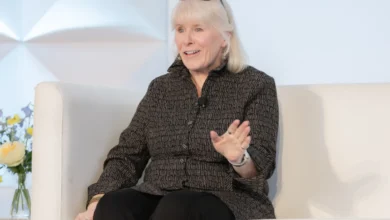
KFF Health News Journalists Spotlight Critical Healthcare Policy, Affordability, and Public Health Issues Across National Media Platforms


As the landscape of American healthcare continues to undergo profound transformations, journalists and correspondents from KFF Health News have stepped into the national spotlight to break down complex policy debates, ballooning costs, and critical public health challenges. Over a busy multi-week media circuit spanning late autumn, leading reporters and contributors from the prominent health policy newsroom appeared across major television networks, public radio broadcasts, and widely followed podcasts. Their expert commentary provided listeners and viewers with essential context on everything from congressional healthcare affordability packages and employer-sponsored insurance burdens to the localized impacts of state Medicaid policies, opioid settlement fund allocations, and emerging trends in pharmaceutical safety and peptide treatments.
The extensive media appearances underscore a growing public demand for rigorous, fact-based journalism regarding the American medical system. With healthcare costs consistently ranking among the top concerns for U.S. voters and policy makers alike, KFF Health News experts offered deep dives into the systemic drivers of medical inflation, legislative remedies, and the real-world implications of health reforms at both the state and federal levels.
Congressional Action and National Healthcare Affordability
KFF Health News chief Washington correspondent Julie Rovner led the charge on policy analysis, making several high-profile media appearances to discuss the intersection of politics, legislative action, and the persistent crisis of medical affordability. On November 5, Rovner joined WAMU’s nationally syndicated public radio program 1A to evaluate potential congressional strategies aimed at combating the soaring cost of care. The discussion focused heavily on legislative levers available to lawmakers, including prescription drug pricing reforms, transparency initiatives, and the ongoing debate over government-subsidized health coverage.
Rovner’s analysis expanded further on October 30 when she appeared on MSNBC’s Money, Power, Politics With Stephanie Ruhle. During the segment, she unpacked the economic pressures facing American households and examined why structural healthcare costs remain stubbornly high despite previous legislative interventions. Earlier in the month, on October 27, Rovner brought her extensive political expertise to Slate’s What Next podcast, dissecting the broader political calculus of healthcare policy as elections and legislative sessions converged.
Complementing Rovner’s federal-level insights, KFF Health News senior correspondent Renuka Rayasam tackled the macroeconomics of medical spending during an October 29 appearance on This Morning With Gordon Deal. Rayasam explored the compounding factors driving high healthcare expenditures in the United States, contrasting American cost structures with international models and explaining how rising expenses trickle down to everyday consumers through higher out-of-pocket maximums, rising deductibles, and constrained access to specialized care.
Employer-Sponsored Coverage and the Burden on American Workers
While public programs and federal legislation dominate headlines, the majority of working-age Americans still rely on employer-sponsored health insurance. This cornerstone of the U.S. benefits system came under intense scrutiny during an October 23 segment on Wisconsin Public Radio’s Wisconsin Today, featuring KFF Health News senior correspondent Julie Appleby.
Appleby discussed the latest data regarding employer-sponsored health plan costs, highlighting trends that show premium contributions and deductibles continuing to outpace wage growth. For years, businesses and employees alike have absorbed steady increases in healthcare premiums. Appleby detailed how these rising costs force employers to shift greater financial risks onto workers via high-deductible health plans, which can inadvertently discourage patients from seeking necessary preventative care due to upfront out-of-pocket expenses. Experts note that as corporate health budgets tighten, workers face difficult choices regarding their benefits packages, often opting for leaner coverage that leaves them more financially vulnerable in the event of a major medical crisis.
Pharmaceuticals, Safety Recalls, and Public Health Trends
The pharmaceutical sector also featured prominently in the recent media cycle, with KFF Health News correspondents addressing both innovative treatments and critical safety concerns.
On October 29, national public health correspondent Amy Maxmen appeared on KDFW Fox 4 to discuss the surging popularity and complex regulatory landscape surrounding peptides. In recent years, certain peptides and related compound formulations have gained immense traction for various wellness, anti-aging, and metabolic applications. Maxmen provided critical context regarding the scientific evidence supporting these treatments, the potential risks of unregulated compounding pharmacies, and the oversight challenges facing the U.S. Food and Drug Administration (FDA) as consumer demand outpaces clinical validation.
Meanwhile, safety concerns within the blockbuster weight-loss and diabetes drug market drew national attention. On October 24, KFF Health News senior correspondent Arthur Allen appeared on Fox News’ LiveNow From Fox to discuss a notable recall involving GLP-1 receptor agonists. As medications such as Wegovy, Ozempic, and related therapies revolutionize chronic disease management and obesity treatment, supply chain vulnerabilities, compounding errors, and regulatory crackdowns have become pressing public health concerns. Allen’s analysis focused on what the recall means for millions of patients who rely on these drugs and the broader implications for pharmaceutical manufacturing standards.
State-Level Implementation: Medicaid, Opioids, and Rural Maternal Health
While federal policies set the overarching framework, states serve as the laboratories for healthcare delivery and social safety net administration. Several KFF Health News journalists focused their reporting on localized health challenges across the country.
On November 3, Southern correspondent Sam Whitehead joined WUGA’s The Georgia Health Report to discuss the intricate politics surrounding Georgia’s Medicaid program and its intersection with recent elections. Georgia has taken a distinct path regarding Medicaid expansion, implementing a work-requirement-based coverage model known as Pathways to Coverage rather than full expansion under the Affordable Care Act. Whitehead examined enrollment figures, administrative hurdles, and the ongoing political debate over healthcare access in the state.
In rural healthcare innovation, Georgia correspondent Briah Lumpkins highlighted a targeted initiative aimed at addressing the maternal mortality crisis. Appearing on The Georgia Health Report on October 23, Lumpkins discussed the deployment of specialized obstetric carts designed to assist rural healthcare providers in managing critical obstetric emergencies, such as severe postpartum hemorrhage. With rural maternity wards closing at an alarming rate across the American South, these mobile medical resources represent a vital stopgap measure to protect mothers in medically underserved regions.
Public health safety and the restitution of communities ravaged by the opioid epidemic were also brought to the forefront on October 15. KFF Health News senior correspondent Aneri Pattani joined WAMU’s 1A to discuss how state and local governments are utilizing billions of dollars received through landmark opioid litigation settlements. Pattani detailed the allocation challenges faced by municipalities, balancing the urgent need for expanded harm reduction programs, addiction treatment facilities, and mental health services with bureaucratic delays and accountability concerns regarding how settlement funds are spent.
Elder Care, Deprescribing, and Insurance Reform
Addressing the long-term needs of an aging American population, contributor Paula Span offered vital insights into the economics and clinical management of eldercare. On November 3, Span appeared on NPR’s Fresh Air to discuss the staggering costs of aging in America, touching upon the limitations of Medicare regarding long-term custodial care, the financial strain on family caregivers, and the urgent need for systemic reform in nursing home and home-care infrastructure.
Additionally, Span discussed the clinical concept of "deprescribing" on It’s a Matter of Your Health With Dr. Veita Bland on October 12. Deprescribing involves carefully reducing or stopping medications that may no longer be beneficial or that pose cumulative risks to older adults experiencing polypharmacy—the simultaneous use of multiple medications.
To round out the extensive media circuit, Elisabeth Rosenthal, senior contributing editor for health news analysis and author of An American Sickness, appeared on Connecticut Public’s The Colin McEnroe Show on October 28. Rosenthal discussed the mechanics of insurance reform, examining why administrative bloat, opaque pricing structures, and complex medical billing practices continue to drive friction between patients, providers, and insurers. Her analysis reinforced the overarching theme of KFF Health News’ coverage: that systemic transparency and structural reform are paramount if the United States is to achieve a sustainable, equitable healthcare system.
Broader Implications and Future Outlook
The breadth of topics covered by KFF Health News correspondents over these weeks reflects the deeply interconnected nature of American health policy. From Capitol Hill legislative debates to local emergency rooms, the challenges of affordability, quality control, and access remain at the forefront of the national consciousness.
As lawmakers navigate future legislative sessions and health agencies adapt to rapid advancements in pharmacology and digital health, the rigorous reporting and expert analysis provided by independent health journalists will remain critical in guiding public understanding and policy formulation. Through radio waves, television broadcasts, and digital podcasts, these expert insights ensure that policymakers and the public remain informed about the structural forces shaping the future of medicine in America.