Road Travel Across Saudi Border Drives Qatar Tourism Recovery Following Regional Conflict

Qatar’s tourism sector is charting a cautious yet steady path toward recovery following the geopolitical disruptions caused by the U.S.-Iran conflict, relying heavily on cross-border road traffic from Saudi Arabia to sustain visitor numbers. While the country’s aviation and long-haul tourism markets continue to face lingering headwinds, the nation’s sole land border has emerged as a vital economic lifeline for the local hospitality and retail industries.
Recent data compiled by Qatar Tourism highlights a stark transformation in how travelers are entering the country. International visitor arrivals reached 336,000 in October, reflecting a 10% decline compared to the same period in the previous year. Although a double-digit decrease indicates that full recovery remains a distant target, the figures represent a dramatic improvement from the depths of the crisis earlier in the year. September arrivals experienced a modest 1% year-over-year increase, signaling stabilization after months of volatile fluctuations.
These autumn figures stand in sharp contrast to the paralyzing conditions recorded in March, when international visitor arrivals plummeted by an astonishing 82% year-over-year to a mere 63,000 travelers. Cumulatively, Qatar welcomed 2.95 million visitors during the first ten months of the year. This represents a 24% decrease from the 3.9 million arrivals recorded during the corresponding period in the previous year, underscoring the deep economic toll exacted by regional instability.
A Tale of Two Entry Points: Land Versus Air
A closer examination of Qatar Tourism data reveals a deeply bifurcated recovery trajectory defined by the mode of transport. Road travel is currently the sole engine of growth for the country’s tourism economy. Land arrivals, which enter exclusively through the Abu Samra border crossing shared with Saudi Arabia, surged by 18% year-over-year in October.
Conversely, air arrivals told a vastly different story. Visitor arrivals via Hamad International Airport and other aviation channels fell by 19% in October, marking the eighth consecutive month of declining air-based tourism. This persistent slump in aviation traffic reflects lingering consumer apprehension regarding regional airspace security, higher insurance surcharges for commercial carriers, and a broader reticence among international travelers to book long-haul itineraries involving the Gulf region.
The divergence between land and air arrivals carries profound implications for Qatar’s broader economy, particularly the hospitality, dining, and retail sectors. Industry analysts note that visitors arriving via air—typically originating from long-haul markets in Europe, the Americas, and parts of Asia—tend to stay significantly longer and generate higher average spending per trip. Weekend drive-in visitors from Saudi Arabia and other neighboring Gulf Cooperation Council (GCC) states, while crucial for maintaining baseline hotel occupancy rates and supporting weekend retail turnover, generally have shorter lengths of stay and lower per capita expenditures.
Chronology of the Crisis: From Peak to Paralysis and Rebound
To understand Qatar’s current tourism landscape, it is necessary to examine the cascading events that disrupted the regional travel market.
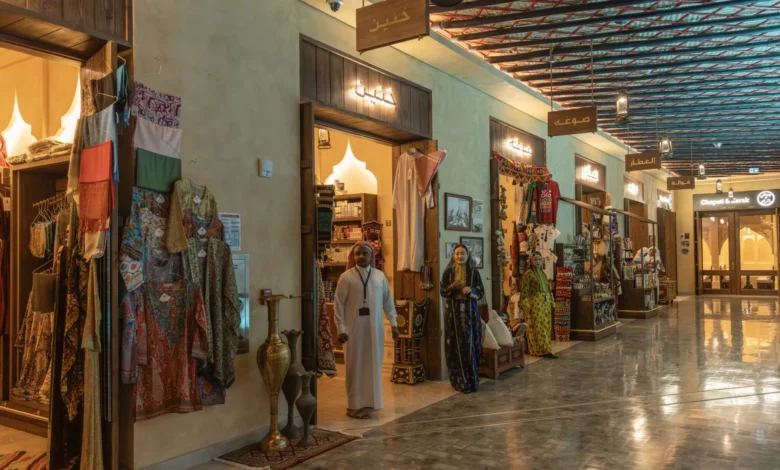
Prior to the outbreak of the U.S.-Iran conflict, Qatar was capitalizing on the post-World Cup momentum generated by the historic 2022 FIFA World Cup. The country had successfully positioned itself as a premier global hub for sports, business, and leisure tourism, investing billions of dollars in infrastructure, luxury hotels, and cultural attractions such as the Doha Corniche, the National Museum of Qatar, and unique airport retail experiences like the recently unveiled Souq Al-Matar.
When hostilities escalated between the United States and Iran, the immediate consequence was widespread airspace closures, flight cancellations, and severe safety advisories issued by major international governments. In February, as geopolitical tensions reached a boiling point, international carriers began scaling back flights to the Middle East.
By March, the crisis reached its nadir. Qatar Tourism data confirmed an 82% collapse in monthly arrivals, plunging the tourism, aviation, and hospitality sectors into an unprecedented liquidity crunch. Hotels across Doha reported plummeting occupancy rates, while tour operators faced mass cancellations from international groups.
As diplomatic channels began to manage the immediate crisis and regional airspace was gradually secured, the recovery process commenced in the late spring and summer months. However, while European and Asian long-haul markets remained cautious, geographic proximity and strong familial and commercial ties with Saudi Arabia provided an immediate cushion. By September, year-over-year arrivals managed a 1% uptick, driven almost entirely by cross-border vehicular traffic. By October, the 18% surge in land arrivals cemented the Saudi border as the primary catalyst for the ongoing stabilization process.
Economic Implications for Hospitality and Retail
The reliance on regional road traffic forces a strategic pivot for Qatari hoteliers, restaurateurs, and tourism planners. Hoteliers in downtown Doha and West Bay, accustomed to corporate travelers and high-spending tourists from Europe and North America, have had to adapt their marketing strategies to capture the lucrative weekend drive-in market from Saudi Arabia.
Marketing campaigns are increasingly tailored to GCC nationals, focusing on family-friendly weekend getaways, luxury staycations, shopping festivals, and entertainment events. While this localized strategy helps cushion profit margins and keeps hospitality staff employed, industry leaders acknowledge that it cannot fully replicate the revenue generated by long-haul international tourism.
Long-haul visitors drive extended stays that benefit luxury hospitality, high-end dining, and cultural excursions. Furthermore, international travelers are essential for filling premium hotel inventory during mid-week periods, whereas regional road travelers typically concentrate their visits around weekends and public holidays, leaving mid-week occupancy rates under pressure.
Official Responses and Strategic Adaptations
In response to the shifting visitor demographics, Qatari tourism authorities and commercial stakeholders have redoubled their efforts to enhance the destination’s appeal to regional and resilient markets. Qatar Duty Free and Qatar Airways continue to roll out innovative retail and cultural experiences—such as the traditional Qatari-themed heritage zone Souq Al-Matar at Hamad International Airport—designed to capture transit passengers and incentivize layover tourism.
Furthermore, diplomatic and economic ties between Doha and Riyadh remain robust, facilitating the smooth flow of commercial and passenger traffic across the land border. Infrastructure improvements at the Abu Samra border crossing, implemented ahead of the 2022 World Cup to handle high volumes of vehicular traffic, have proved instrumental in absorbing the current wave of Saudi visitors without experiencing crippling congestion.
Tourism boards are also focusing on digital marketing initiatives within neighboring GCC countries, emphasizing ease of travel, visa-free entry policies for many regional nationals, and a diverse calendar of autumn and winter events, including Formula 1 Grands Prix, international art exhibitions, and culinary festivals.
Outlook for the Future
As the region moves further away from the acute phase of the U.S.-Iran conflict, the outlook for Qatar’s tourism sector hinges on the gradual restoration of consumer confidence in long-haul aviation markets. Travel industry experts suggest that a full recovery to pre-crisis arrival figures will likely require sustained geopolitical calm, aggressive global marketing campaigns by Qatar Tourism, and competitive pricing strategies by national carrier Qatar Airways.
In the interim, the resilience demonstrated by cross-border traffic from Saudi Arabia has provided a vital buffer, preventing a deeper economic contraction. While the road to full recovery is proving to be uneven and structurally altered, Qatar’s ability to pivot toward its regional neighbors underscores the flexibility and strategic importance of its land border in times of crisis.