Bill Maher Ponders Another White House Invitation After Surprising Post-Election Interaction With President Trump

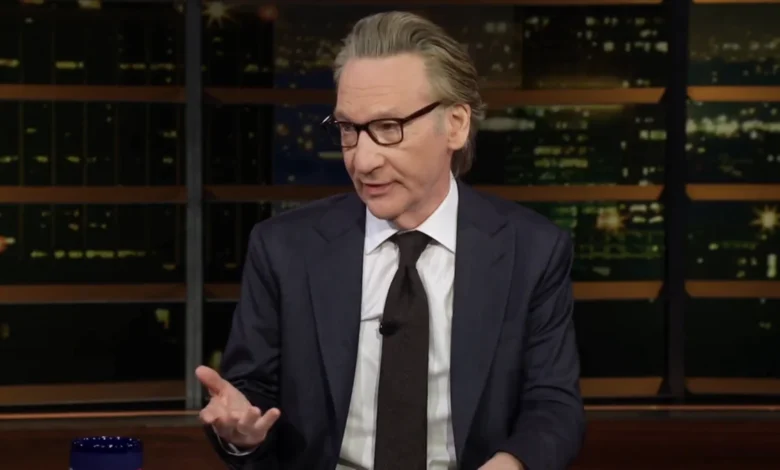
Fresh off a monumental cycle of midterm elections that saw the Democratic Party secure decisive majorities in both chambers of Congress, political commentator and comedian Bill Maher turned his sharp satirical lens toward an unexpected subject during the latest broadcast of his HBO program, Real Time with Bill Maher. Addressing a nationwide audience on Friday night, Maher offered a tongue-in-cheek assessment of President Donald Trump’s reaction to the electoral wave, quipping that his surprisingly subdued demeanor might just earn him a repeat invitation to dine at the executive mansion.
The remarks follow a tumultuous period of public back-and-forth between the comedian and the commander-in-chief, punctuated by high-profile social media tirades and an unconventional dinner party at the White House that also played host to conservative musician Kid Rock and sports commentator Stephen A. Smith. As Washington adjusts to a dramatic shift in the balance of power, Maher’s commentary highlights the strange political limbo that characterizes the closing chapters of a presidency altered by a stark congressional rebuke.
The Midterm Earthquake: A Historic Legislative Shift
The backdrop to Maher’s comedic observations is a political landscape fundamentally transformed by Tuesday’s midterm elections. According to certified election results and extensive reporting from nonpartisan electoral analysts, the Democratic Party engineered a sweeping legislative turnaround, capturing a net gain of seven seats in the United States Senate and an impressive 42 seats in the House of Representatives. This formidable "blue wave" effectively strips the incumbent administration of its legislative leverage, handing complete control of Capitol Hill to the opposition party for the remainder of the presidential term.
Political scientists note that midterms traditionally serve as a referendum on the sitting president, but the scale of this cycle’s defeat exceeded the projections of most pollsters. With both the House and Senate now under opposition control, Washington is bracing for an era of intense legislative gridlock, potential congressional investigations, and a dramatic curtailment of the executive branch’s domestic agenda. It is within this charged political atmosphere that Maher analyzed the administration’s immediate post-election posture.
Lame Duck Realities and the Atmosphere in Washington
During his Friday monologue, Maher did not shy away from the peculiar administrative reality facing the White House in the wake of the electoral landslide. Describing the president’s current status, the comedian drew a vivid analogy that resonated with viewers.
"It’s interesting that it’s only three days after, and we’re hardly talking about Trump, already," Maher remarked to the studio audience. "I mean, it’s a little weird that he’s still there, he just had this giant rebuke, now he’s literally a lame duck. It’s like trying to cancel your subscription but you’re still on the plan for another year."
This phase of a presidency is historically fraught with tension, as an administration attempts to govern without the wind of public mandate at its back. Yet, Maher pointed out that the expected retaliatory fury from the White House had been notably muted, catching political observers and critics alike off-guard.
A Shift Toward Humility: Analyzing the Presidential Response
Perhaps the most surprising element of the post-election cycle, from Maher’s perspective, was the tone struck by the president. Rather than launching into aggressive legal challenges or disputing the legitimacy of the results across battleground states, the administration’s public posture leaned toward an unusual self-awareness.
"He’s been amazingly humble," Maher observed during the broadcast. "I thought by this time, he’d be suing the voters by name, individually, and arresting the poll workers. Instead, even he was like, ‘You know, even I’m sick of me a little bit.’"
This uncharacteristic restraint has sparked debate among political analysts regarding its longevity and sincerity. Some insiders suggest that the sheer magnitude of the electoral defeat left the administration with few viable avenues for deflection, forcing a temporary tactical retreat. Others argue that the tone reflects a realistic assessment of a fractured legislative map, where confrontation with newly empowered congressional leaders could further alienate moderate voters ahead of future political realignments.
The White House Dinner Circuit and Social Media Feuds
Maher’s commentary also touched upon his unique personal dynamic with the president, underscored by recent social media hostilities and high-stakes dining invitations. Earlier in the week, the comedian found himself the target of a record-breaking, 1,300-word tirade posted to Truth Social, in which the president labeled him a "complete and total loser."
The digital outburst occurred in the shadow of a much-discussed White House dinner party that brought together an eclectic mix of public figures, including Maher, rock musician Kid Rock, and media personality Stephen A. Smith. The strange juxtaposition of high-level political tension and informal breaking of bread has long been a hallmark of modern political theater, offering commentators ample material for late-night television.
Despite the harsh digital rhetoric that followed their meeting, Maher seized upon reports that the president had recently claimed to possess "a lot of friends in the Democratic party" eager to find common ground—even as the administration simultaneously vowed to block incoming legislative priorities for the next two years.
"Wow, I might get to go again. Look at that," Maher joked, reacting to the administration’s stated openness to bipartisan outreach despite the looming legislative battles.
Broader Implications for Governance and Bipartisanship
As the dust settles on one of the most consequential midterm cycles in modern American history, the implications of Maher’s observations extend far beyond late-night punchlines. The transition from a unified government to a divided Washington sets the stage for a high-stakes standoff between the executive branch and a newly emboldened legislative majority.
Congressional leaders from the opposition party have already outlined an ambitious agenda centered on healthcare reform, economic relief, and rigorous oversight of executive agencies. Meanwhile, White House officials have signaled their intent to use the veto pen aggressively to safeguard key administration policies, creating a classic Washington stalemate.
Whether the president’s brief display of post-election humility will translate into genuine legislative compromise remains deeply uncertain. Historically, lame-duck periods characterized by congressional division yield little major legislation, often devolving into prolonged budgetary standoffs and partisan positioning ahead of the next presidential cycle.
Conclusion: Comedy Meets Constitutional Reality
Bill Maher’s return to Real Time once again demonstrated the intersection of popular culture and high-stakes political analysis. By blending sharp satire with observations on the psychological state of a wounded administration, the comedian captured the surreal nature of contemporary American politics.
As the nation navigates the uncharted waters of a divided government and an unprecedented lame-duck executive phase, the political establishment will continue to parse every statement, tweet, and dinner invitation for clues about the future of governance. Whether Maher secures another seat at the executive table may ultimately matter less than how the administration chooses to navigate its remaining time in power amid a dramatically altered legislative reality.